Gas work is the part of plumbing where there is no margin for improvisation, and it is also the part homeowners know least about. Most people can describe what a leaking pipe looks like. Far fewer know what a yellow burner flame means or why their range struggles when the dryer runs.
This is the short, practical version. Start with the emergency procedure, because that is the part that matters most.
If you smell gas, do this
- Leave the building immediately. Take everybody with you, including pets.
- Do not switch anything on or off — not lights, not appliances, not a garage door. A switch contact can spark.
- Do not use a phone inside the building. Same reason.
- Do not look for the source. That is not your job and the search is the dangerous part.
- Once outside and clear, call the gas utility's emergency line first, then a licensed plumber.
- Do not go back in until the utility says it is safe.
Warning signs that come before a smell
- A hissing or whistling sound near an appliance connection, the meter, or an exposed line.
- Pilot lights that will not stay lit, or burners that go out on their own.
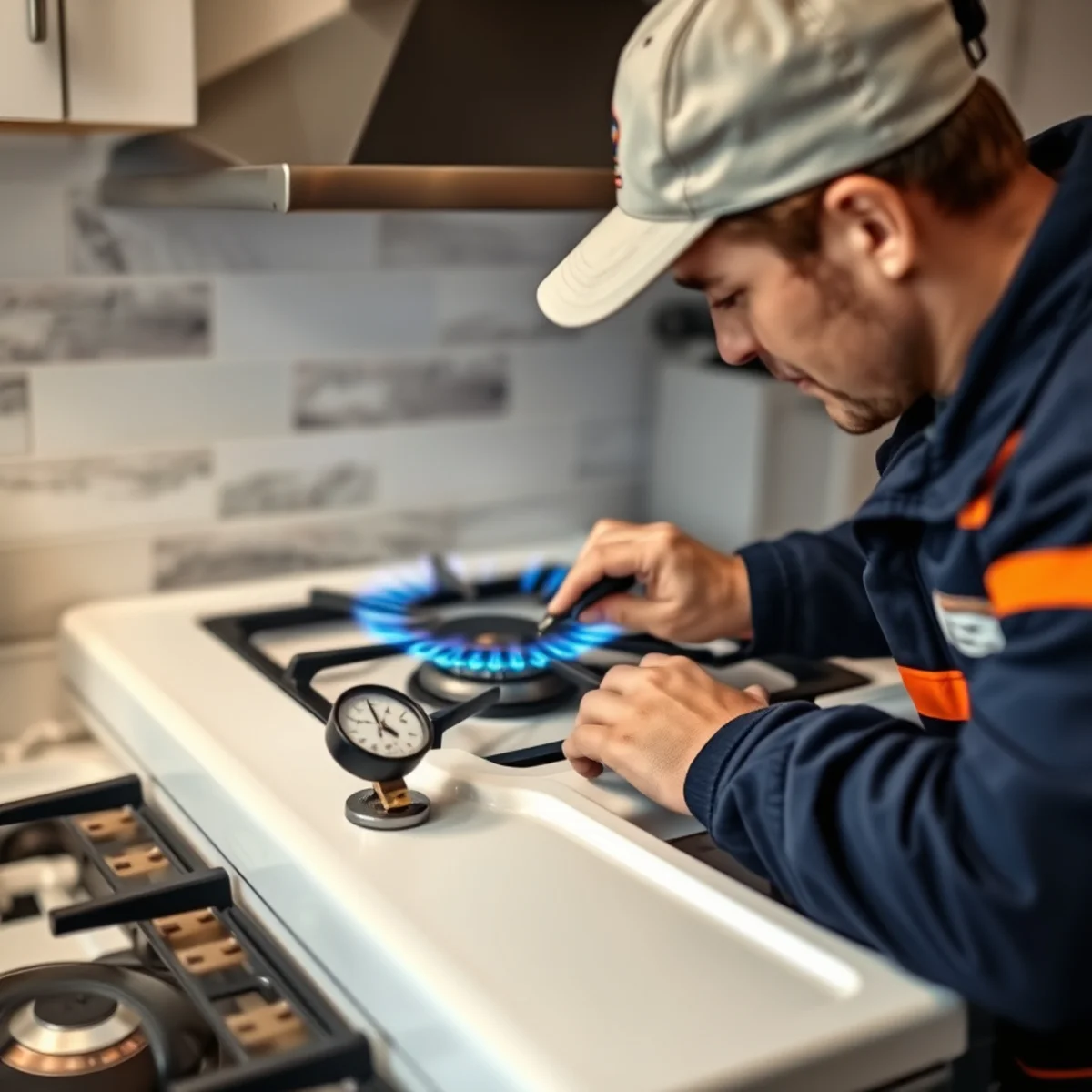
- Burner flames burning yellow or orange rather than crisp blue. Blue means complete combustion; yellow means incomplete, and incomplete combustion produces carbon monoxide.
- Sooty black marks around a burner, a water heater draft hood, or a furnace.
- Dead or dying vegetation in a stripe across a lawn where a gas line runs underground.
- Bubbles rising in standing water or a puddle above a buried line.
- Persistent headaches, dizziness or nausea that improve when you leave the house — a carbon monoxide symptom, not a gas leak symptom, but it points at the same appliances.
Carbon monoxide is the separate risk
A gas leak is gas escaping unburned. Carbon monoxide is produced by gas burning incompletely, or by combustion products not venting properly. They are different problems with different causes and both come back to gas appliances.
Carbon monoxide has no smell at all, which is why detectors are not optional. Fit them on every level, near sleeping areas, and test them twice a year when you test the smoke alarms.
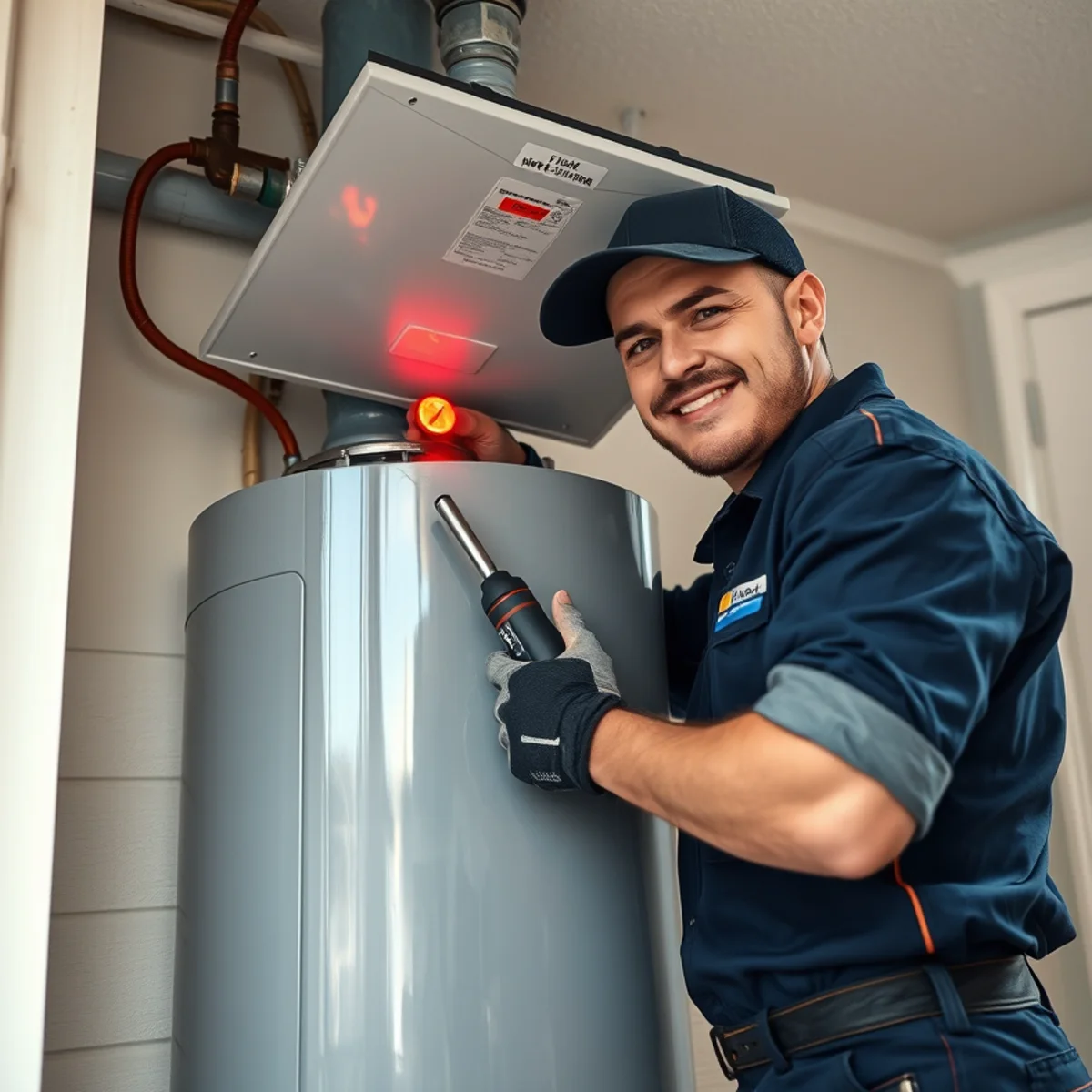
Blocked or deteriorated venting is a common cause in older Maryland houses — a masonry chimney serving an appliance it is no longer suitable for, a disconnected flue, or a bird's nest. That gets checked as part of any water heater installation we do.
The most common gas problem we actually correct
It is not a leak. It is capacity.
A house piped in the 1950s for a furnace and a water heater is now expected to run a high-BTU range, a gas dryer, a fireplace insert and sometimes a standby generator. Individually each appliance works. Together the pressure drops and everything performs badly.
The symptom people describe is "the range is weak when the dryer is running" or "the new stove never worked as well as it should". It is a sizing calculation — total BTU demand against pipe length and diameter — and the fix is usually upsizing the trunk line.
This is genuinely common in mid-century housing across Catonsville, Woodlawn and the surrounding Baltimore County neighbourhoods, and it is why we do the load calculation before quoting any new appliance connection.
Abandoned lines: the quiet one
When a gas dryer, a wall heater or an old space heater was removed decades ago, the branch was frequently capped at the appliance end and left live all the way back to the trunk.
We find these routinely in older basements. They are not an emergency and they are not good practice, and properly abandoning them at the source is straightforward work when somebody is already there.
Permits are not optional
Installation and modification of gas piping requires a permit and inspection in Baltimore County and in every jurisdiction we work in. That means a documented pressure test held for the required period before anything is connected or concealed.
If a contractor offers to skip the permit to save you money, that tells you what else they are prepared to skip on work you cannot see. It also surfaces at the worst possible moment during a home sale.
We pull the permit and meet the inspector on every gas line job, and you get the documentation for your records.
Things worth doing this year
- Locate your gas shutoff — at the meter, needing a wrench, or an appliance-level valve you can reach by hand. Know where both are.
- Fit and test carbon monoxide detectors on every level.
- Look at your burner flames. Blue is right. Yellow needs attention.
- Check that appliance connectors are modern coated stainless flex, not old uncoated brass connectors — some vintage connectors have a known failure history.
- Have any abandoned branch lines properly capped at the source.
- If you have added appliances since the house was built, have the line sizing checked.
Frequently asked questions
Can I install a gas line to my grill myself?
No, and we would say that even if it were legal, which it is not without the appropriate licence and permit. Gas work requires a documented pressure test and inspection. The consequences of a joint that is nearly right are not comparable to a water leak.
Why does my gas range perform poorly when the dryer runs?
Almost always undersized supply piping. Each appliance draws its share, and when total demand exceeds what the line can deliver, pressure at the burner drops. It is a sizing calculation and usually a trunk line upgrade — very common in mid-century Maryland homes.
How often should gas lines be inspected?
There is no mandated homeowner interval, but a visual check of accessible piping and connections during any annual plumbing service is sensible — particularly in older basements where black iron has been painted over and forgotten for decades.
Who wrote this
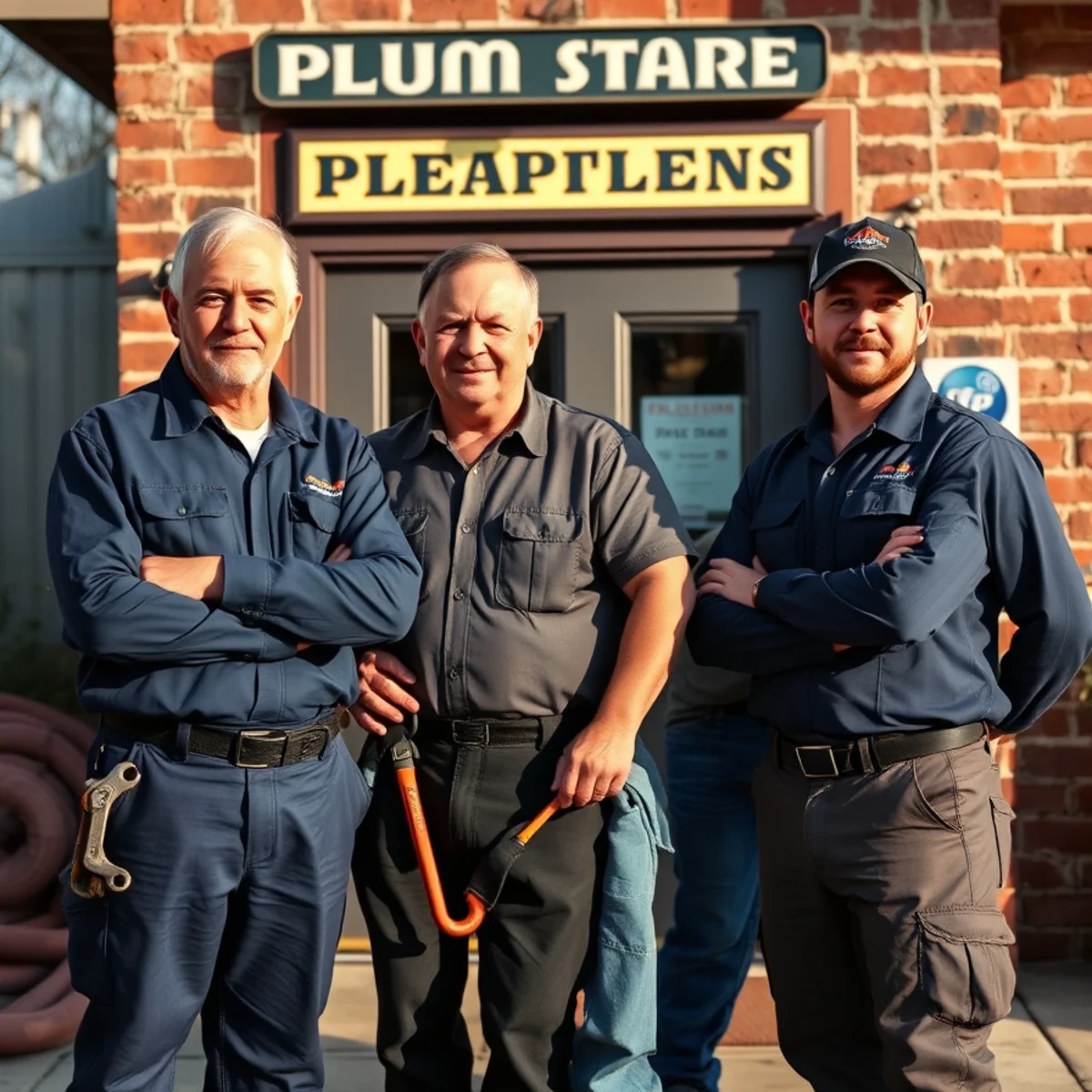
Collins & Sons LLC — Daniel Collins and family
We are a family plumbing business working out of 209 Westowne Rd in Catonsville, and we have been under Maryland houses for over 40 years — three generations of it. Most of what is on this page comes from doing the same jobs repeatedly on the same housing stock: pre-1950 homes off Frederick Road, galvanized supply, cast iron drainage, and water that runs 7–8.2 grains per gallon.
Licensed MHIC #117712 with the Maryland Home Improvement Commission and fully insured. We pull the Baltimore County permits on water heaters, sewer work and gas piping, and we meet the inspector ourselves.