A sump pump is the cheapest insurance policy in your house and the one most likely to be quietly broken. It sits in a pit in the corner of the basement doing nothing for months, and the day it matters is the day a summer storm parks over Baltimore County and drops two inches in ninety minutes.
The failure pattern in Catonsville is almost always one of three things. The pump is original to the house and has simply worn out. The float switch is fouled or wedged against the pit wall so it never triggers. Or the pump runs perfectly and the power goes out mid-storm, because the same weather that fills your pit is what takes down the line.
We handle all three. That means testing what you have honestly — plenty of pumps we look at have years left — replacing what is worn, and being blunt about battery backup, which is the single highest-value upgrade most Catonsville basements can get.
Signs you need sump pump services
- The pump runs constantly, or cycles on and off every few seconds
- You hear it running but the water level in the pit does not drop
- Grinding, rattling or humming without the motor actually turning
- Visible rust, scale or debris in the pit
- The pump is more than seven to ten years old and has never been serviced
- Water on the basement floor after a storm even though the pump has power
- The discharge line freezes, or you cannot see where it terminates outside
- No backup power source of any kind
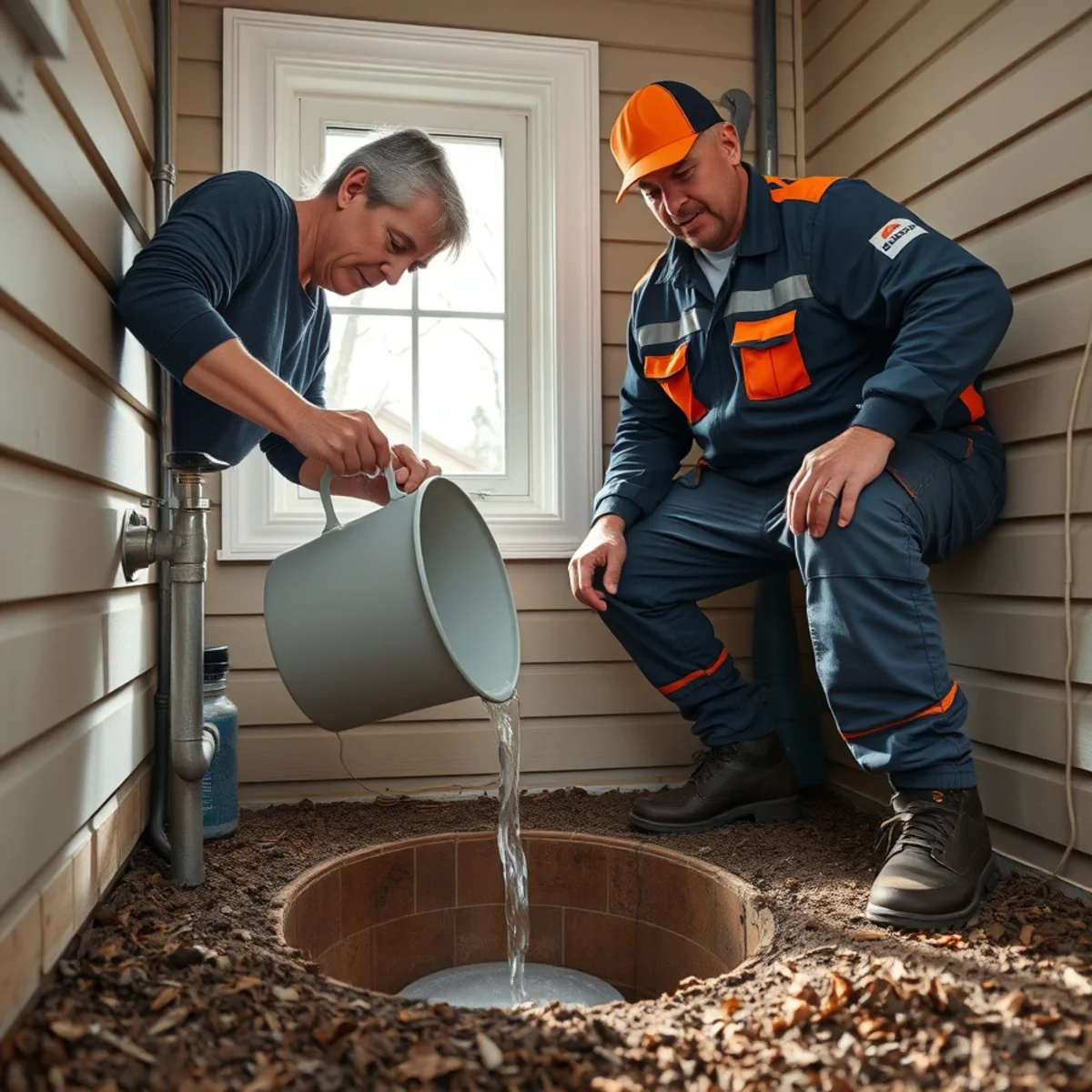
Test yours twice a year by pouring five gallons of water into the pit. If it does not kick on and clear the pit promptly, deal with it before the next storm rather than during one.
What the job includes
Sump pump replacement
Correctly sized cast iron or heavy-duty thermoplastic pumps with a proper float switch. Undersized pumps short-cycle and die early; oversized pumps do too. We size to your pit and your actual inflow rate.
Battery backup systems
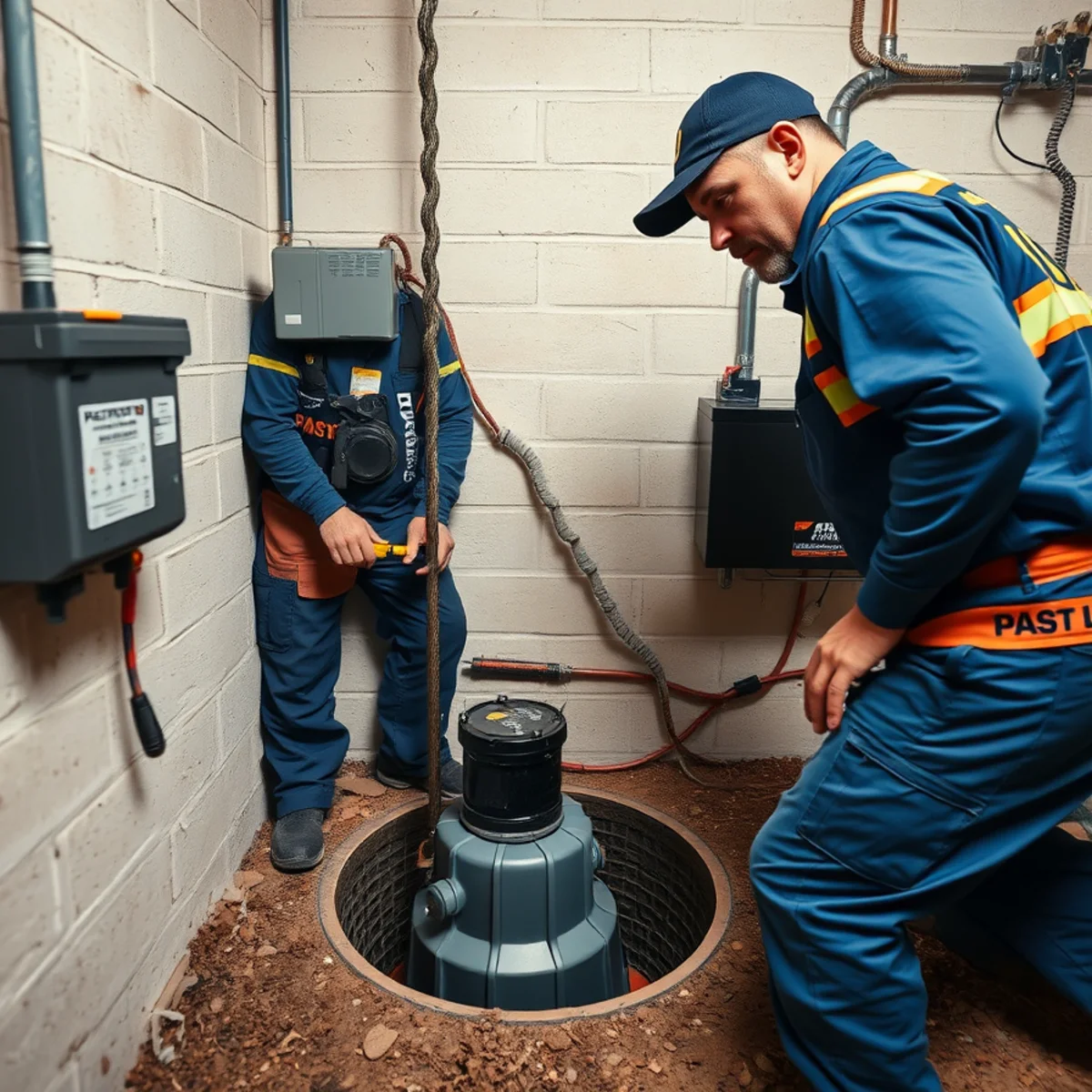
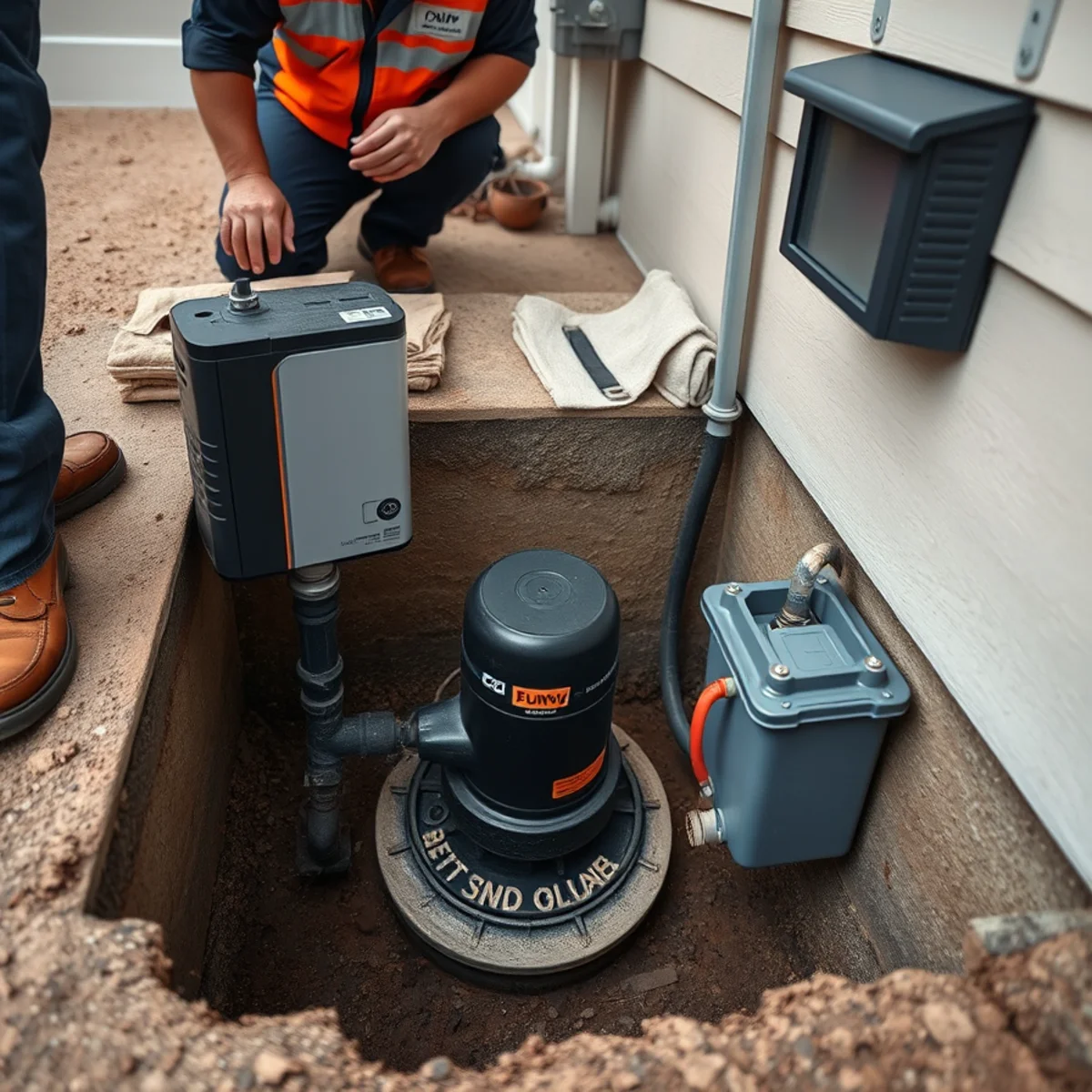
A second pump on a deep-cycle battery that takes over when power fails or when inflow exceeds the primary pump. For most Catonsville basements this is the difference between a dry floor and a claim.
Pit, basin and check valve work
A pit that is too shallow makes any pump short-cycle. A failed check valve lets the discharge column drain straight back in, so the pump runs twice for every cycle. Both are common and both are fixable.
Discharge line correction
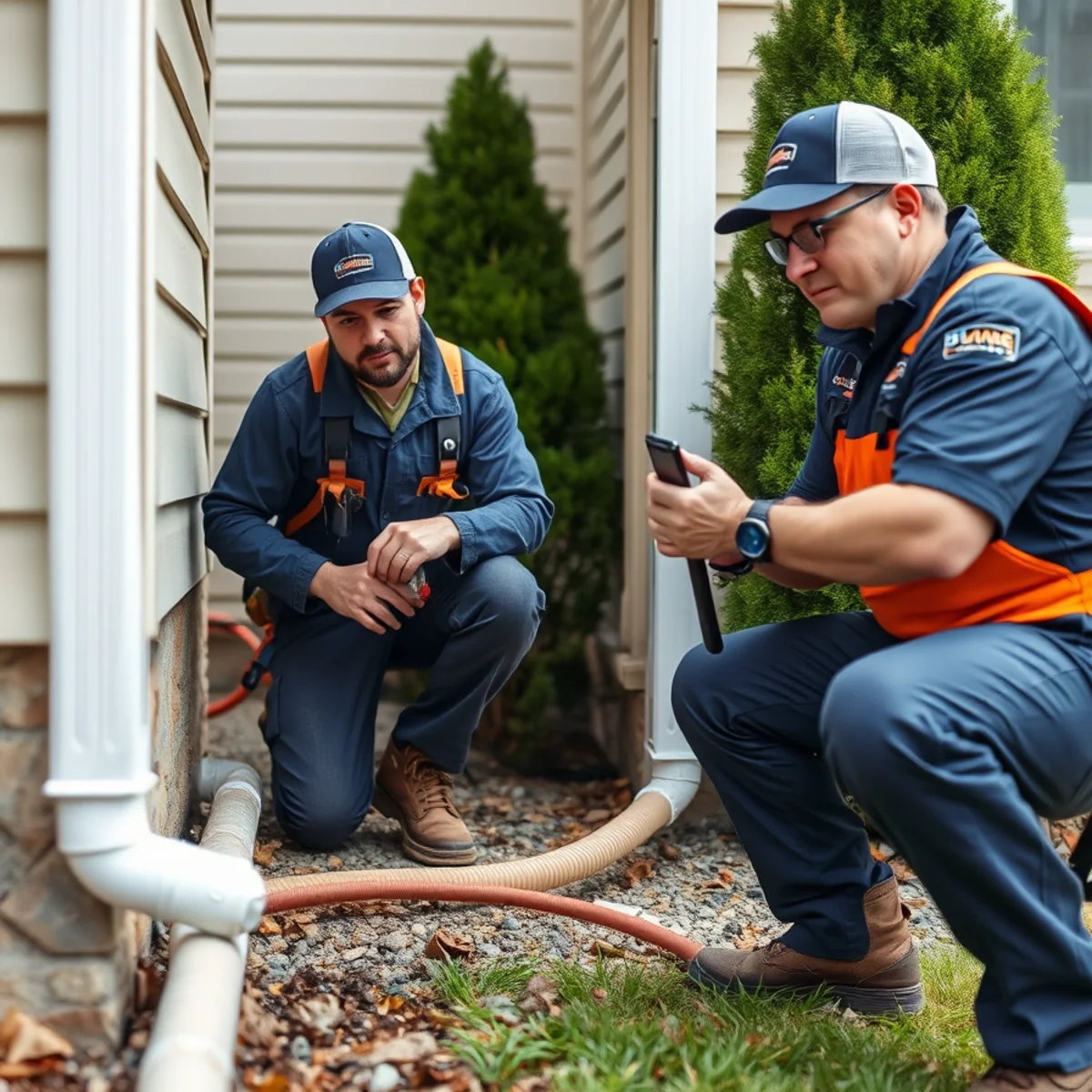
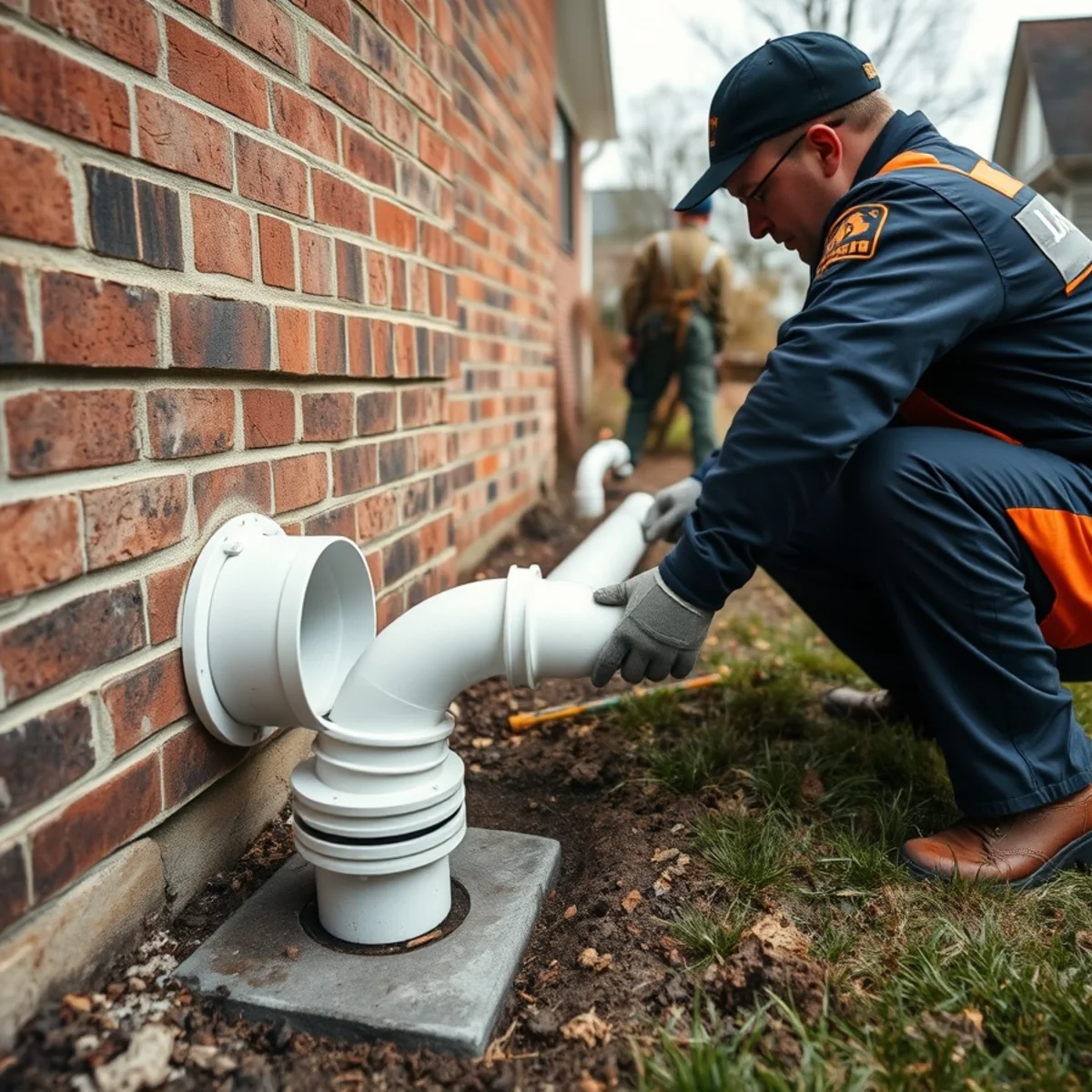
We make sure the discharge terminates far enough from the foundation, at proper pitch, with freeze protection. A pump discharging four feet from the wall is just recycling the same water.
Sewage ejector pumps
For basement bathrooms and laundry below the sewer line. Different pump, different sizing, different failure modes — and a much worse mess when neglected.
Annual testing and maintenance
Clean the pit, check the impeller and float, verify the check valve, test the backup battery under load. Fifteen minutes of attention in April prevents most of what we see in July.
How we work
1. Look at the whole system
The pump is one part. We check the pit depth and condition, the float type and clearance, the check valve, the discharge run and where it lets out, and whether the basement has any secondary protection.
2. Test under real conditions
We fill the pit and watch it work, timing the cycle. That tells us far more than a spec sheet about whether the pump is worn or the switch is marginal.
3. Recommend by what your basement actually needs
A basement finished into living space with a high water table needs a different plan from a dry utility basement that has never taken water. We size to the house, not to a package.
4. Install and verify
Correct pit seating, secure discharge with a check valve at the right height, dedicated circuit where required, and battery backup wired and charged. Then we test again with real water.
5. Show you how to check it yourself
Before we leave you will know how to run a five-gallon test, what the battery status light means, and what sounds are normal. A homeowner who tests twice a year almost never has a flood.
What drives the price
We do not publish fake prices, because a number that does not match your house is worse than no number at all. What we can do is tell you exactly what moves the figure, so nothing on the estimate is a surprise.
Pump capacity and build quality
Cast iron pumps with mechanical float switches cost more than plastic units with tethered floats and last considerably longer in a pit that runs often. In a wet Catonsville basement the better pump is the cheaper pump over ten years.
Battery backup versus water-powered backup
Battery systems are the common choice and need battery replacement every three to five years. Water-powered backups need municipal pressure and are not permitted everywhere. We will explain which fits your house.
Pit and basin condition
Dropping a new pump into a sound pit is quick. Cutting a proper basin into a slab where none exists, or deepening one that is too shallow, is real work.
Discharge and electrical work
Re-routing a discharge line to daylight properly, adding freeze protection, or running a dedicated circuit are separate line items we quote up front.
Ejector versus sump
A sewage ejector serving a basement bathroom is a sealed system with a vent and is a more involved job than a standard sump.
What this looks like in Catonsville
Basements matter more here than in a lot of the country. Catonsville sits on rolling Piedmont terrain that drops toward the Patapsco Valley, and a great many houses — particularly through Woodbridge Valley, along Johnnycake Road and the lower stretches near Wilkens Avenue — have basements sitting at or below the grade of the ground around them.
Our storm pattern is the other half of the problem. Mid-Atlantic summer and early-fall storms deliver very high rainfall rates in short bursts. Clay soil does not absorb that quickly, so the water moves laterally through the ground and arrives at foundation walls fast. A pump that keeps up with a steady spring drizzle can be overwhelmed in twenty minutes by an August cell.
And those storms take the power with them. Every plumber in Baltimore County has the same story: the pump was fine, the homeowner was diligent, and the transformer went down at 8 p.m. with four hours of rain still coming. That is precisely the scenario a battery backup exists for.
Winter brings the other failure — a discharge line that terminates too close to the house, freezes solid, and turns the pump into a device that hums, heats up and burns out while the basement fills. We check discharge routing on every visit for that reason.
Sump Pump Services questions we get asked
How long does a sump pump last?
Seven to ten years is typical, but the honest answer is that it depends entirely on run time. A pump in a dry basement can go fifteen years. A pump cycling every few minutes through a wet spring can be finished in four. Age plus run frequency is the number that matters.
Do I really need a battery backup?
If your basement is finished, if you store anything you care about down there, or if you have ever taken water, then yes. In Catonsville the power failure and the flood arrive in the same storm — that is not a coincidence, it is the same weather system.
My pump runs constantly. Is that bad?
It is worth investigating. Constant running can mean a genuinely high water table, but far more often it is a failed check valve letting the discharge column fall back into the pit, or a pit that is too shallow. Both make the pump run roughly twice as much as it needs to and cut its life in half.
Can I install a sump pump myself?
Swapping a pump into an existing pit is within reach for a handy homeowner. Getting the sizing, check valve height, discharge routing and electrical right is where most DIY installs go wrong — and those are exactly the parts that fail in a storm. We are happy to look over a job you have already started.