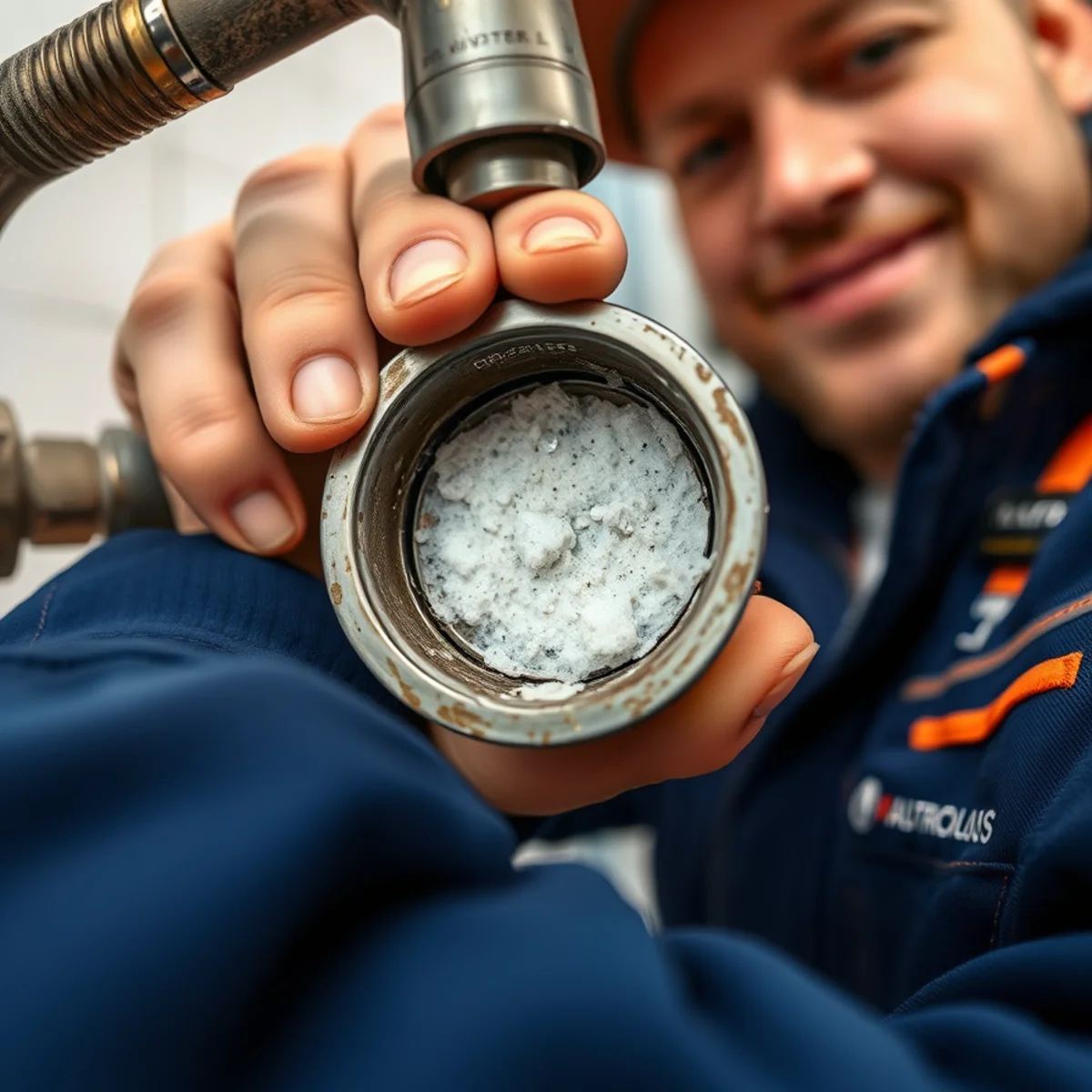
Almost every expensive plumbing problem we see in Catonsville has the same quiet contributor. Water heaters that fail at year seven. Angle stops that seize so hard they snap when you turn them. Shower cartridges that stick. Dishwashers and washing machines that die early. Faucet aerators that clog every few months. Scale on glass doors that no cleaner really touches.
The water here runs roughly 120 to 141 PPM, which is 7 to 8.2 grains per gallon — moderately hard to hard by any standard. That is not a crisis, and the water is perfectly safe to drink. But every gallon of it deposits a little mineral inside your plumbing, and over twenty years that adds up to real money in replaced appliances and repeat repairs.
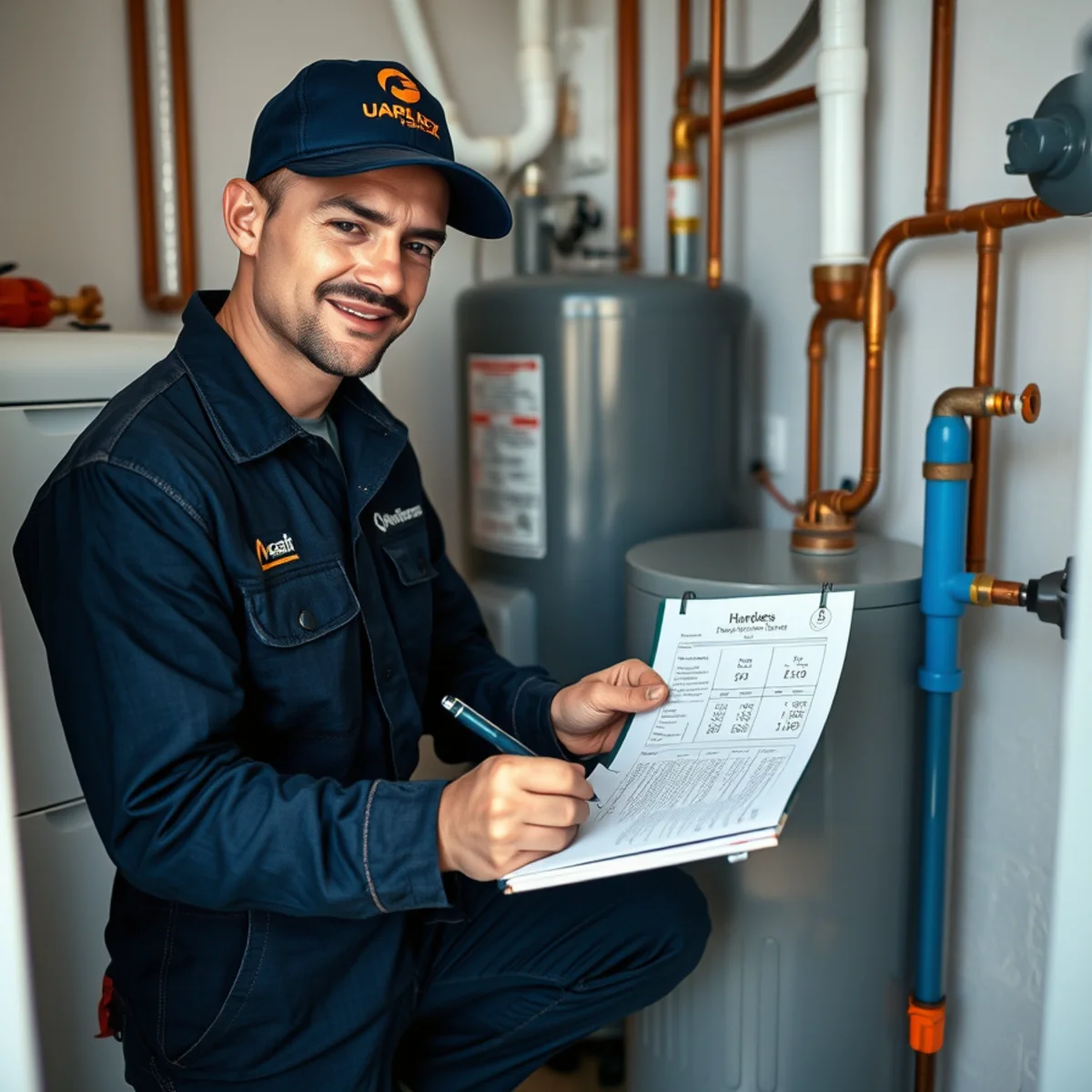
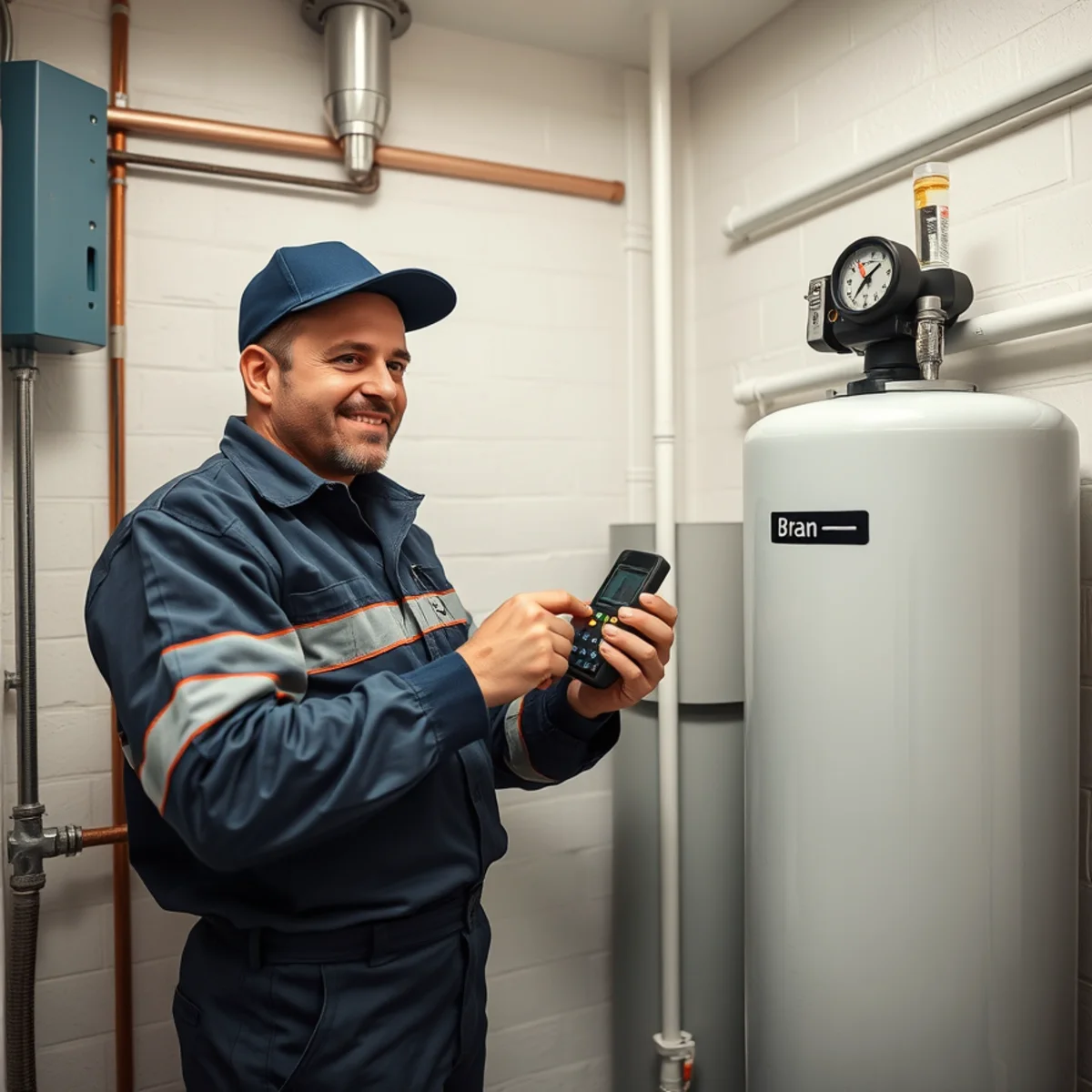
We are not interested in scaring anyone into equipment they do not need. So we test, on the spot, for free, on any service call. You see the number. If your house genuinely does not need treatment, we will say so and go fix whatever you actually called about.
Signs you need water softeners & filtration
- White or chalky scale on faucets, shower doors and kettle elements
- Soap and shampoo that will not lather, and a filmy feel on skin after showering
- Spotted glassware coming out of the dishwasher
- Laundry that feels stiff and greys over time
- Water heaters or appliances failing well before their rated life
- Aerators and shower heads that need cleaning every few months
- Reduced flow at fixtures with no visible leak
- Seasonal changes in taste, odor or sediment at the tap
Hardness and water quality are different questions. A softener addresses scale. Taste, odor, chlorine and sediment need filtration. Plenty of homes want both, and plenty want only one — the test tells us which.
What the job includes
Free on-site water hardness testing
Included with any service call, whether or not you are thinking about treatment. Five minutes and you have a real number for your address rather than a regional average.
Whole-house water softeners
Ion-exchange systems sized to your household water use and our local hardness. Sizing matters — an undersized unit regenerates constantly and wastes salt, an oversized one channels and softens unevenly.
Salt-free scale prevention
Template-assisted crystallization systems for households that cannot or would rather not use salt, or that are on a septic system. Honest caveat: these prevent scale from adhering but do not remove hardness minerals, so you will not get the soap-lather benefit.
Whole-house sediment and carbon filtration
Catonsville is on a surface-water supply, which means seasonal variation in taste, odor and particulate that point-of-use filters cannot fully address. Whole-house carbon handles chlorine taste and odor at every tap.
Reverse osmosis drinking water systems
Under-sink RO for drinking and cooking water, typically paired with a softener. The most cost-effective way to get genuinely excellent drinking water without treating every gallon that goes to the lawn.
Lead-safe fixture and supply line replacement
For homes built before 1986 we can inspect for lead solder and legacy supply materials and replace them with certified lead-free components.
How we work
1. Test and interpret
Hardness first. If there are taste, odor or discoloration complaints we look at those separately, since they usually call for a different solution than a softener.
2. Size to the actual house
Number of occupants, fixture count, peak simultaneous demand and measured hardness give us the grain capacity and flow rate. This is arithmetic, not a sales tier, and we will show you the math.
3. Plan the install location
The unit needs to be after the main shutoff and before the water heater, with a drain for regeneration and a route for the brine tank. In older Catonsville basements with low ceilings and awkward joists this takes some thought.
4. Install with a bypass
Every softener we install gets a proper bypass valve so the system can be serviced, or taken out of line for filling a pool or watering a garden, without shutting the house down.
5. Set, verify and teach
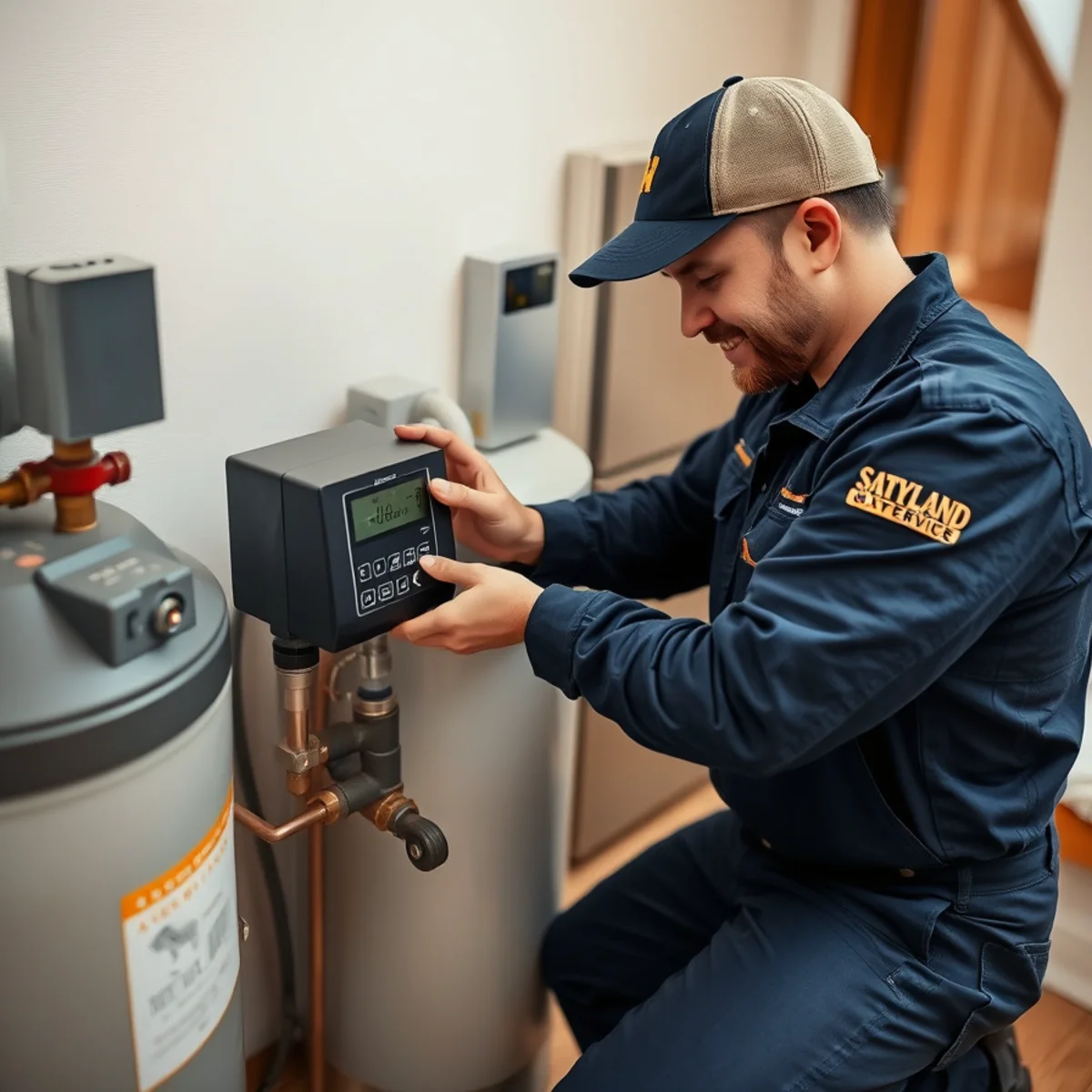
We program the regeneration cycle for your hardness and usage, verify soft water at the tap, and show you how to check salt, run a manual regeneration and read the controller.
What drives the price
We do not publish fake prices, because a number that does not match your house is worse than no number at all. What we can do is tell you exactly what moves the figure, so nothing on the estimate is a surprise.
System type
Ion-exchange softeners, salt-free conditioners, carbon filtration and RO all sit at different price points and solve different problems. Buying the wrong category is the most expensive mistake here.
Capacity and controller quality
Metered demand-initiated regeneration costs more than a timer and uses considerably less salt and water. Over a decade the metered unit is usually the cheaper one to own.
Plumbing modifications required
If there is no convenient tie-in point, no drain nearby, or the main comes in somewhere awkward, the labor goes up. We look before we quote.
Drain and discharge requirements
Regeneration discharge needs a proper air gap. Some installations need a condensate pump or a re-routed drain line, which we call out separately.
Combining systems
Softener plus whole-house carbon plus under-sink RO installed together is more efficient than three separate visits, and we price it that way.
What this looks like in Catonsville
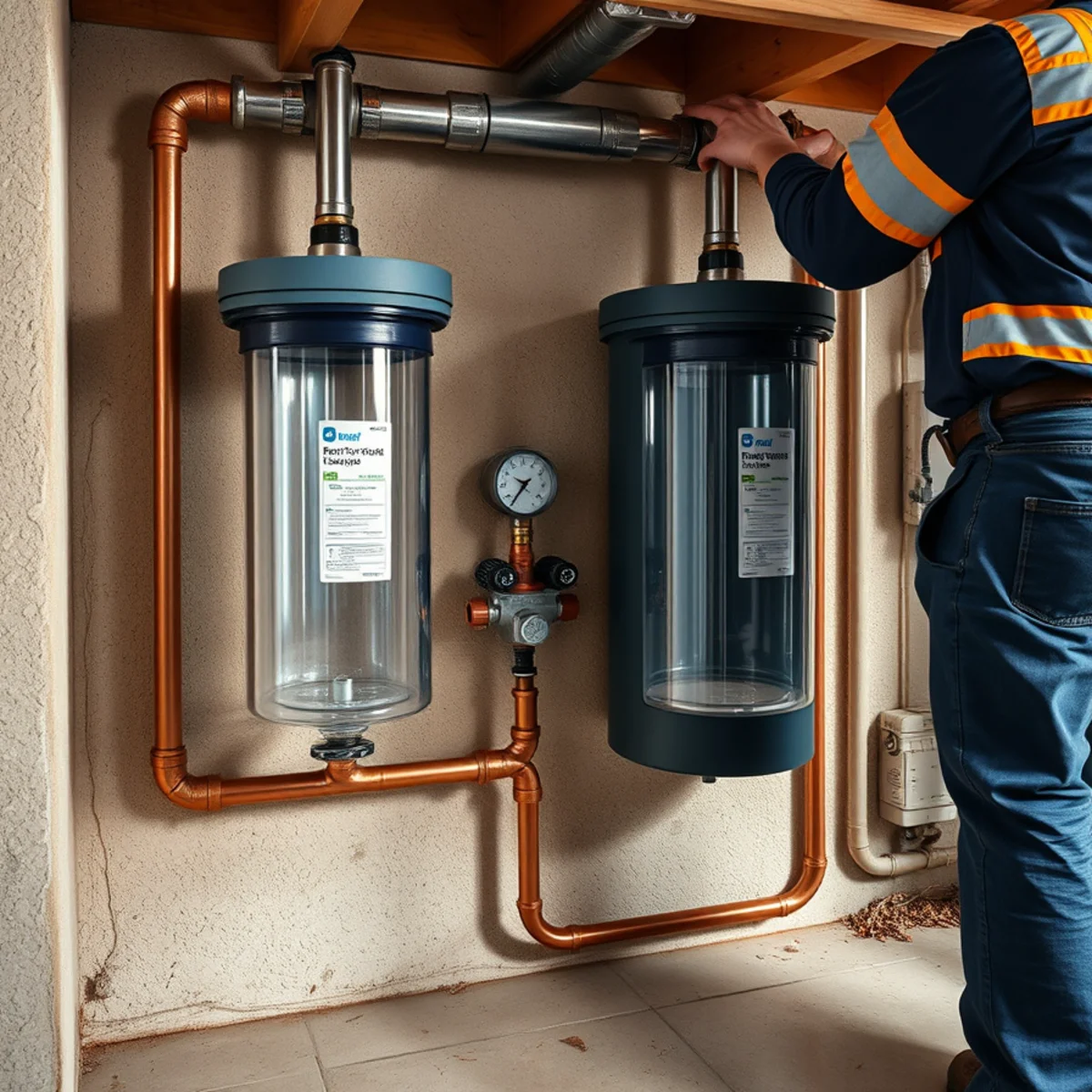
Catonsville is served by Baltimore City water drawn from surface reservoirs. That matters in two ways. First, hardness sits in the 120 to 141 PPM range — enough to cause real scale, not enough that most people notice until an appliance fails. Second, surface water varies seasonally in a way groundwater does not, so taste, odor and sediment complaints tend to cluster around particular times of year rather than being constant.
The efficiency argument is straightforward. Scale on a heat exchange surface is an insulator. A tank heater carrying a scale layer has to burn longer for the same output, and that shows up on the gas or electric bill every month while it is quietly cooking the bottom of the tank.
The lead question is separate and worth taking seriously. Homes built before 1986 may have lead solder at copper joints, and some older Catonsville properties still have legacy service line materials. Softening does not address that. If it concerns you — and with small children in the house it should — the answer is inspection and replacement of the specific components, not a treatment system.
One practical local note: if you are on a septic system out toward the Howard or Carroll County edges of our service area, high-frequency salt regeneration is worth discussing before you commit. There are configurations that work fine and configurations that do not, and it is a better conversation before installation than after.
Water Softeners & Filtration questions we get asked
How hard is the water in Catonsville, really?
Roughly 120 to 141 PPM, or about 7 to 8.2 grains per gallon, from the Baltimore City surface supply. That is moderately hard to hard. It is safe to drink; it is also hard enough to shorten the life of every water-heating appliance in the house.
Will a water softener make my water taste salty?
No. Softeners exchange calcium and magnesium for a very small amount of sodium — for typical Catonsville hardness the added sodium in a glass of water is a small fraction of what is in a slice of bread. If you are on a restricted-sodium diet, a potassium chloride alternative or an under-sink RO for drinking water handles it.
Do salt-free conditioners actually work?
They work for what they do, which is keep hardness minerals from adhering as scale. They do not remove hardness, so you will not get better lather, softer laundry or spot-free glassware. If your goal is protecting a tankless heater and you cannot use salt, they are a reasonable choice. If your goal is the full soft-water experience, they are not.
How much salt will I go through?
It depends on hardness, household size and controller type. A metered demand system in a typical Catonsville family home uses substantially less than an old timer-based unit. We set the programming when we install so you are not regenerating on a schedule your house does not need.
Can you just test my water without selling me anything?
Yes, and we mean it. We test on every service call at no charge. If the number does not justify equipment, we will tell you, and we would rather have your trust than one more softener sale.