Water softener sizing is not complicated and it is frequently done badly, because it is easier to sell three tiers labelled good, better and best than to do the arithmetic for a specific house.
Here is the actual calculation. It takes five minutes and it is the difference between a unit that quietly does its job for fifteen years and one that wastes salt, wastes water, or fails to soften at all.
The calculation
A softener is rated in grains of hardness it can remove between regenerations. To work out what you need, you multiply three things:
- People in the household × gallons per person per day × grains per gallon of hardness = daily grain load.
- Then multiply the daily load by the number of days you want between regenerations — typically 5 to 7 — to get the working capacity you need.
Working the numbers for Catonsville
Take a family of four. Water use averages around 75 gallons per person per day in a typical American household, so that is 300 gallons daily. Catonsville hardness runs about 7 to 8.2 grains per gallon — call it 8 to be safe.
300 gallons × 8 grains = 2,400 grains per day. Over a seven-day regeneration cycle that is 16,800 grains.
You would look at a 24,000 or 32,000 grain unit for that household, because a softener does not use its full nominal capacity efficiently — running it near its rated maximum uses disproportionately more salt per grain removed.
What happens when it is undersized
- It regenerates constantly — sometimes daily — which wastes salt and water and shortens the life of the control valve.
- You get hard water breaking through toward the end of each cycle, so the problem you paid to solve reappears intermittently.
- The resin bed works harder and degrades sooner.
What happens when it is oversized
This surprises people, because bigger sounds safer. It is not.
A softener that goes a long time between regenerations can channel — water finds a path through the resin bed rather than passing evenly through it — and softening becomes inconsistent. Resin also benefits from regular regeneration; a bed that sits for weeks can foul.
You also paid for capacity you will never use, in a larger cabinet taking up more floor space.
Metered versus timer control
This matters more than brand. A timer-based softener regenerates on a schedule regardless of how much water you have actually used — so it regenerates while you are on holiday and fails to regenerate during a week with guests.
A metered, demand-initiated softener measures actual throughput and regenerates when the capacity is genuinely used up. It costs more upfront and uses substantially less salt and water over its life. Over ten years it is the cheaper unit to own, and it is what we fit as standard on softener installations unless there is a specific reason not to.
Things that change the sizing
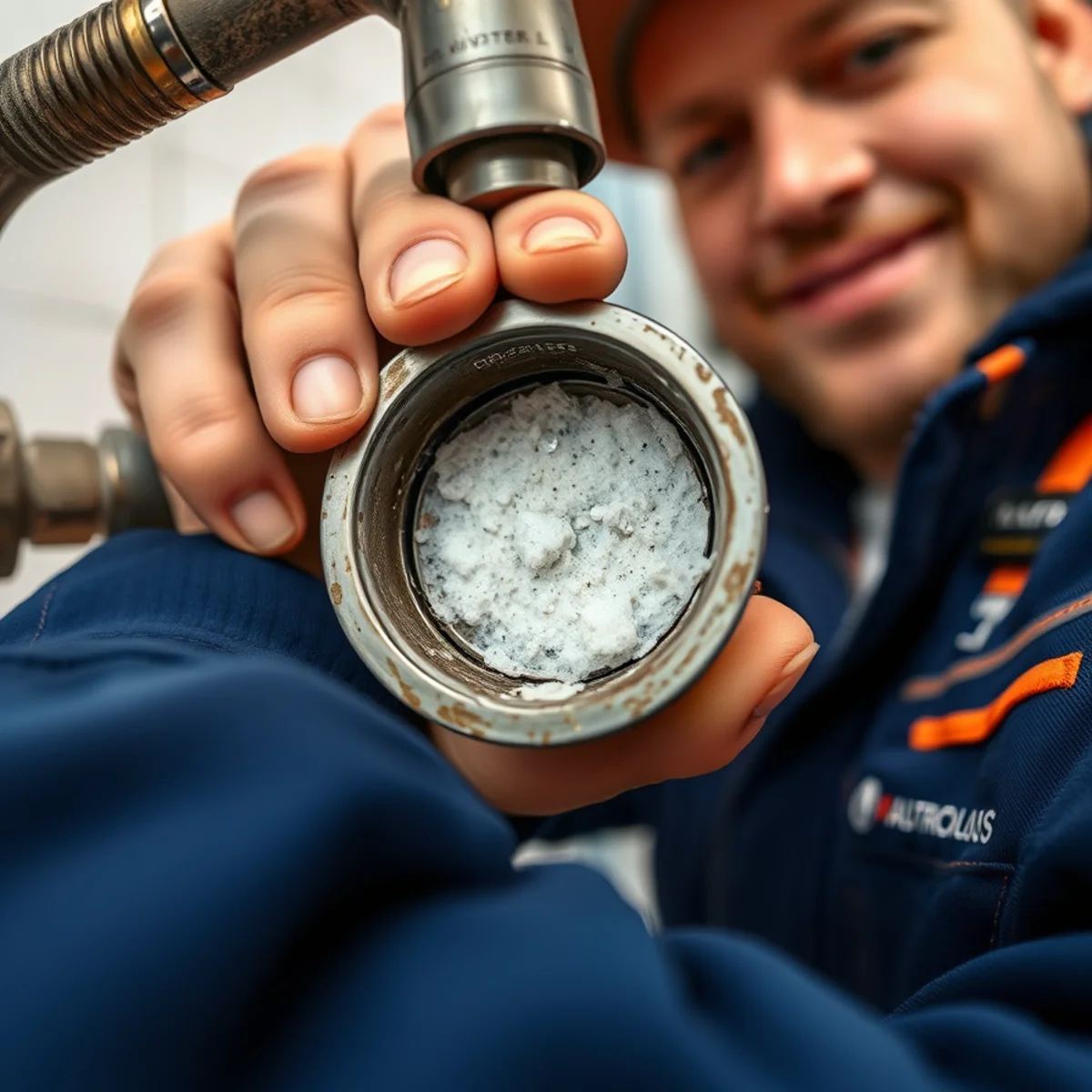
- Iron in the water. Dissolved iron consumes softener capacity — a rough working figure is that each part per million of iron adds several grains per gallon of equivalent load. Above a modest level you need dedicated iron filtration rather than asking the softener to cope.
- A high-flow household. Multiple bathrooms drawing at once needs adequate service flow rate through the unit, not just capacity. An undersized valve produces a pressure drop you will notice.
- Septic systems. Regeneration discharge adds volume and salt. A properly programmed metered unit is a much lighter load than an old timer, and it is worth configuring rather than accepting defaults.
- A tankless water heater. If you are protecting one, that is an argument for getting the softening right rather than compromising.
Where it goes and what else it needs
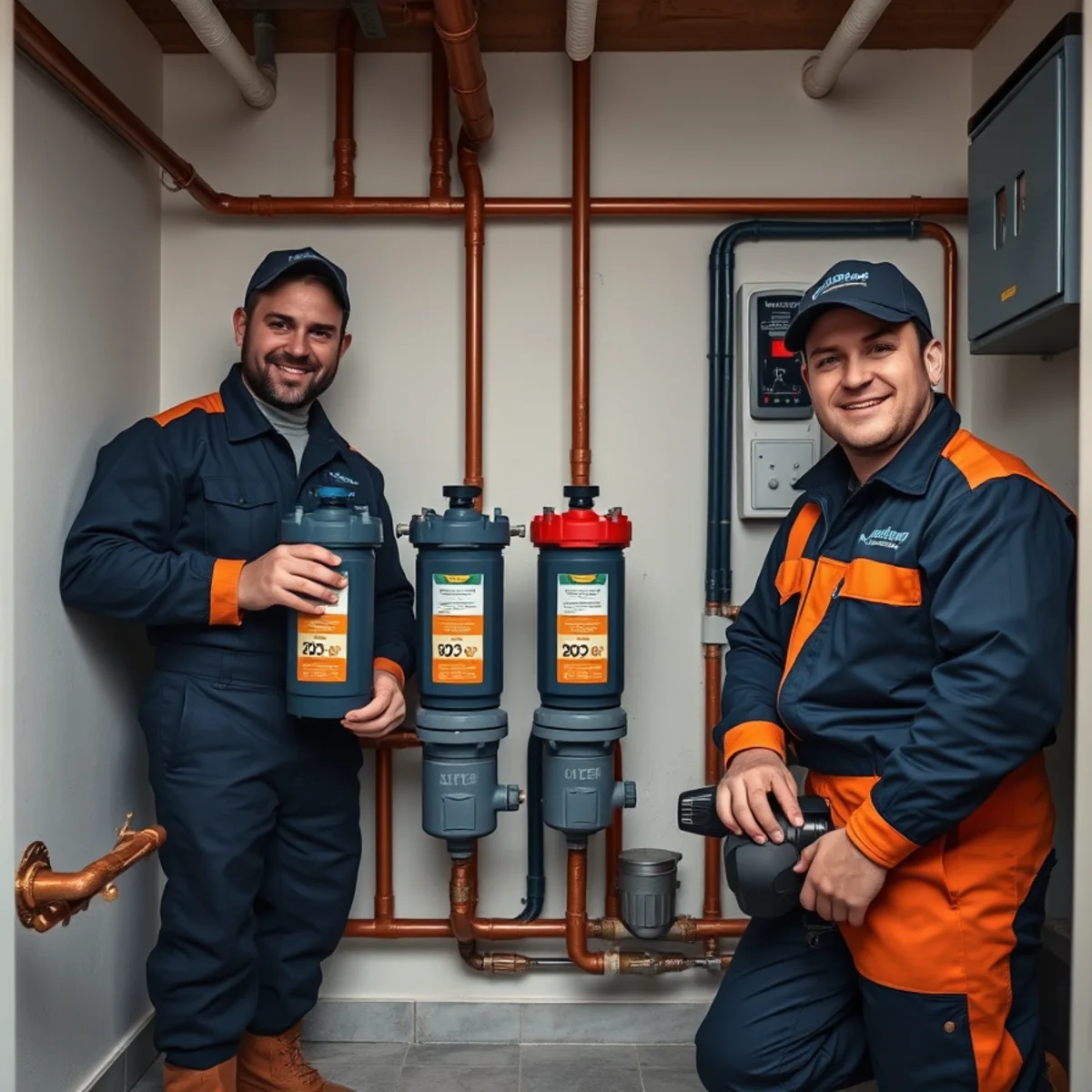
A softener installs after the main shutoff and before the water heater, so everything downstream gets treated. It needs a drain for regeneration discharge with a proper air gap, a nearby outlet, and floor space for the brine tank.
Fit a bypass valve. Every unit we install gets one, so the system can be serviced, or taken out of line for filling a pool or watering a garden, without shutting down the house.
Consider leaving an outside hose bib on untreated water. There is no point softening water for the lawn, and it reduces salt use.
Test first, always
Regional hardness figures are a guide, not a measurement. Supply varies and your address may sit differently on the network — and if you are on a well it is specific to your parcel entirely.
We test hardness on site free of charge during any service call, across Catonsville, Westminster and everywhere in between. If the number does not justify equipment we will say so, and that happens often enough to be worth mentioning.
Frequently asked questions
How much salt should a correctly sized softener use?
It depends on hardness, household size and control type, but a metered demand unit in a typical Catonsville family home uses substantially less than an old timer-based one. If you are refilling constantly, the unit is either undersized, badly programmed, or a timer.
Will a softener reduce my water pressure?
A correctly sized one produces a small, unnoticeable drop. A significant drop means the unit is undersized for your household flow rate or the resin bed is fouled — neither is normal and both are fixable.
How long does a softener last?
A quality unit typically runs 12 to 15 years. The control valve is usually what fails first, and on better units it is a serviceable part rather than a reason to replace the whole system.

Who wrote this
Collins & Sons LLC — Daniel Collins and family
We are a family plumbing business working out of 209 Westowne Rd in Catonsville, and we have been under Maryland houses for over 40 years — three generations of it. Most of what is on this page comes from doing the same jobs repeatedly on the same housing stock: pre-1950 homes off Frederick Road, galvanized supply, cast iron drainage, and water that runs 7–8.2 grains per gallon.
Licensed MHIC #117712 with the Maryland Home Improvement Commission and fully insured. We pull the Baltimore County permits on water heaters, sewer work and gas piping, and we meet the inspector ourselves.