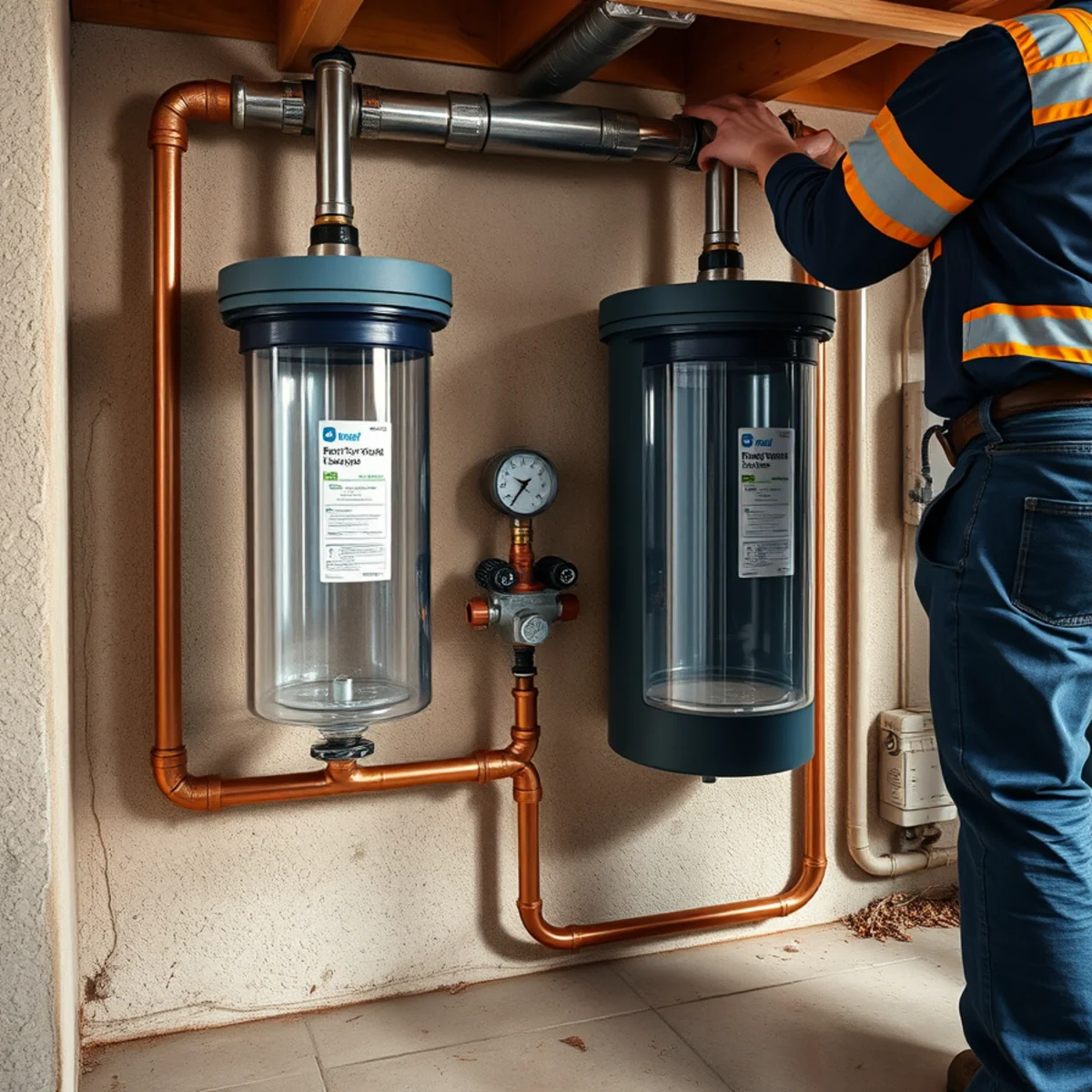
This is the question we get asked first and it is the one we cannot answer first. Not because we are being evasive — because on a private well the price is decided by what is in the water, and until somebody tests it, any number is invented.
What we can do is explain exactly what moves the figure, so when you do get a quote you can tell whether it is reasoned or whether somebody has reached for a package tier. That is more useful than a range we would have to caveat into uselessness anyway.
If you want the short version: the test is cheap, the equipment scales with the number of separate problems you have, and the running cost is the part most quotes understate.
Why nobody can quote it over the phone
A softener for hardness is one piece of equipment. A well with iron, a sulfur smell and low pH needs three or four, installed in a specific order, each sized to a measured number. Those are not the same job and they are not the same price.
The honest sequence is test, then specify, then price. Anyone willing to skip to the third step is either guessing or selling you a tier that covers them for the worst case — and you pay for that margin either way.
What the testing costs
Hardness and a look at the staining evidence we do free on any service call. It takes five minutes and it is often enough to tell you the problem is not what you assumed it was.
The lab work is the part with a real cost attached. A bacteria and nitrate screen is inexpensive and is the one every private well should have annually regardless of whether you are buying equipment. A full mineral panel — iron, manganese, sulfide, pH, hardness, total dissolved solids — costs more and is what you need before specifying treatment.
That lab spend is not wasted even if you decide to do nothing. It gives you a baseline, and on a well that baseline is the only way to notice later that something has shifted.
What actually drives the equipment price
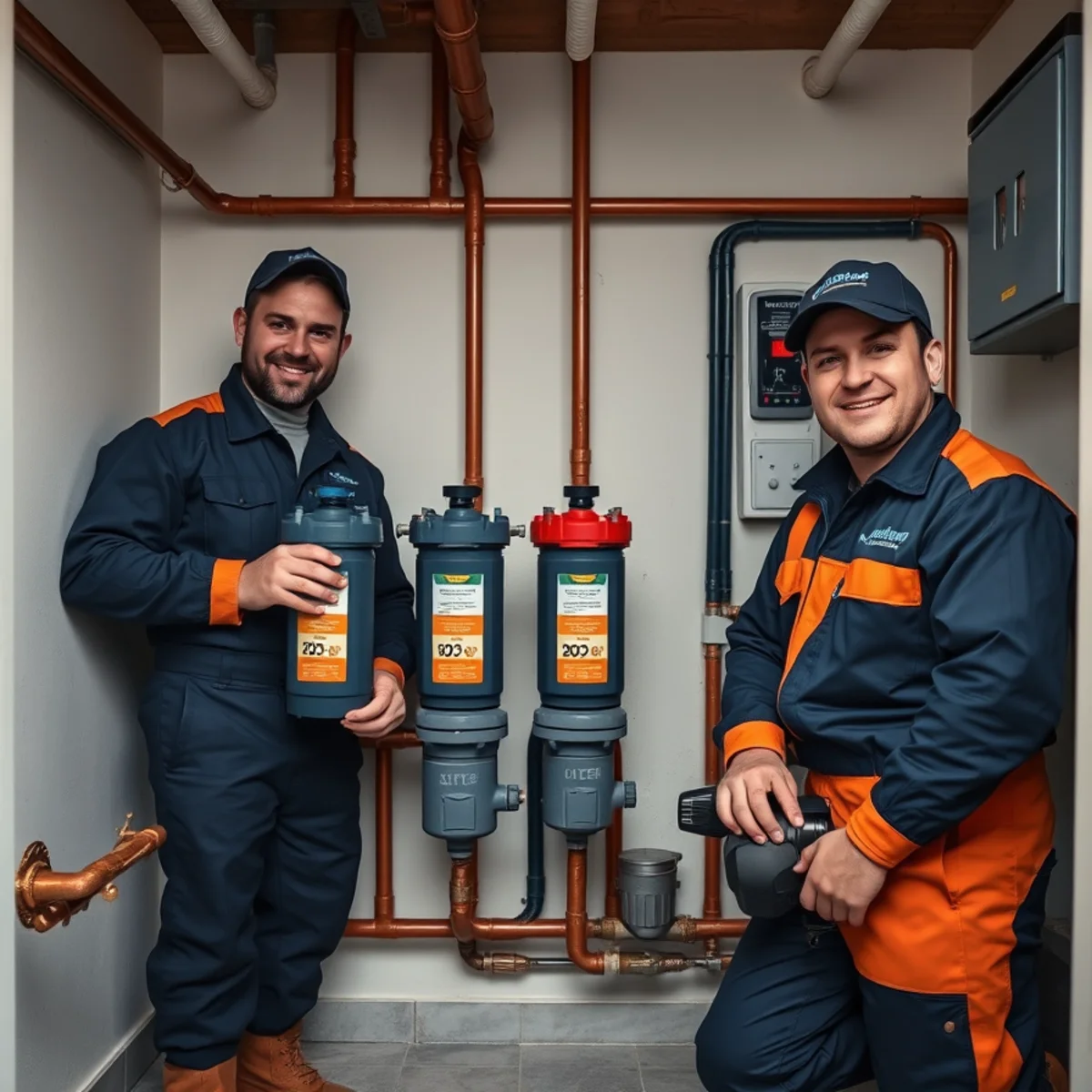
- How many separate problems you have — this is the biggest factor by a distance. One problem is one piece of equipment. Four problems is four, plus the plumbing to put them in the right order.
- The concentration, not just the presence — mild iron and heavy iron are different equipment. A number near the threshold may not justify treatment at all, and we will tell you when that is the case.
- Whether the iron is dissolved or oxidised — this changes the category of filter entirely, which is why it is on the test panel.
- Household size and peak demand — sizing comes from how much water you actually use at once, not from the square footage of the house.
- Where the equipment has to go — a utility area with a floor drain and headroom is straightforward. A crawl space with neither adds hours.
- Whether there is a drain nearby — backwashing equipment needs somewhere to discharge. Running that drain line is sometimes a bigger job than the install.
The running costs most quotes leave out
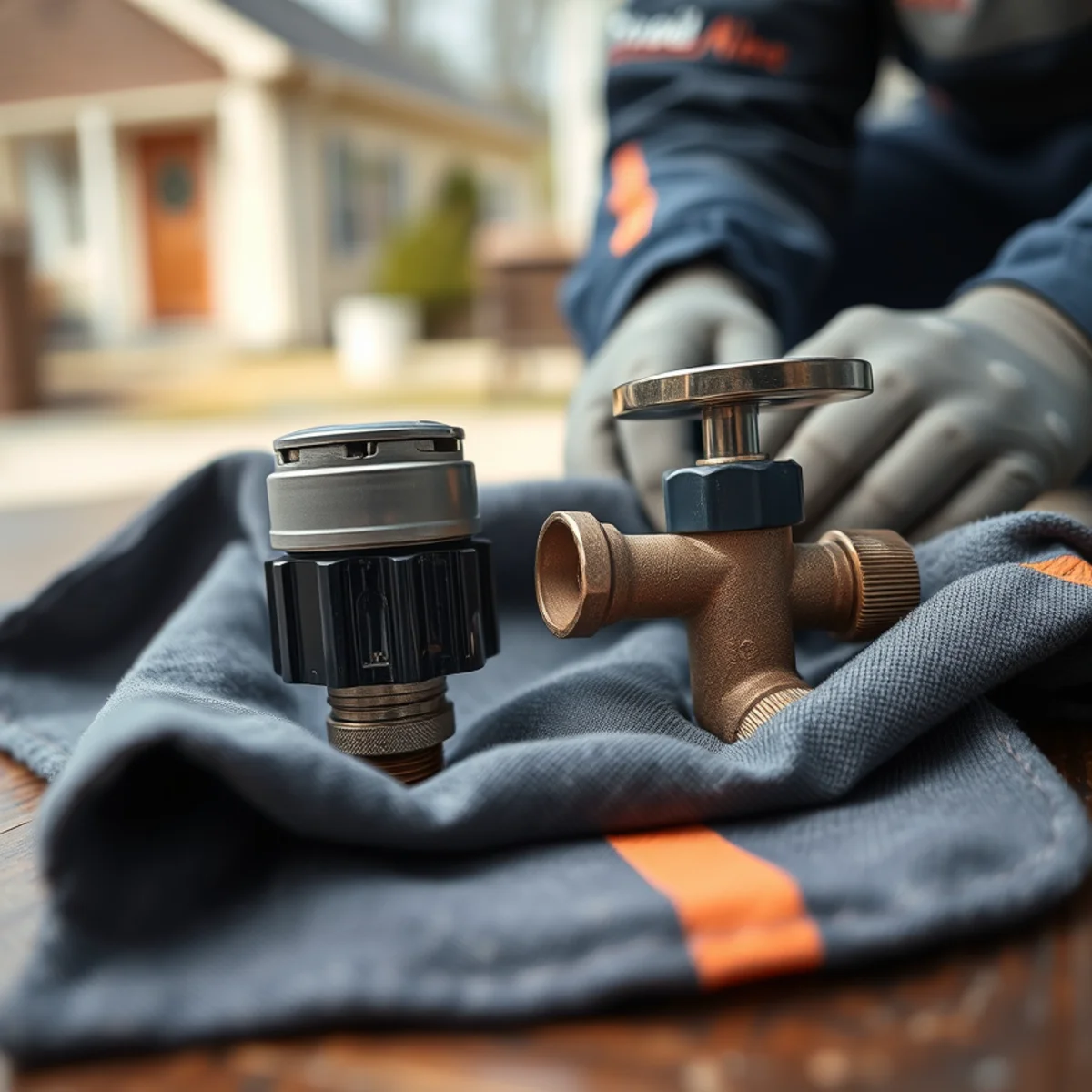
Treatment equipment is not install-and-forget, and the lifetime cost is where a cheap quote often stops being cheap.
Salt for a softener is an ongoing consumable, and how much you get through depends on your hardness and your water use rather than on the unit. Filter media has a service life measured in years and has to be replaced — the cost and interval vary by media type, and you should be told both before you buy.
Then there is the electricity and water that backwashing equipment uses. Individually small; worth knowing about across a decade.
Where the money is usually well spent
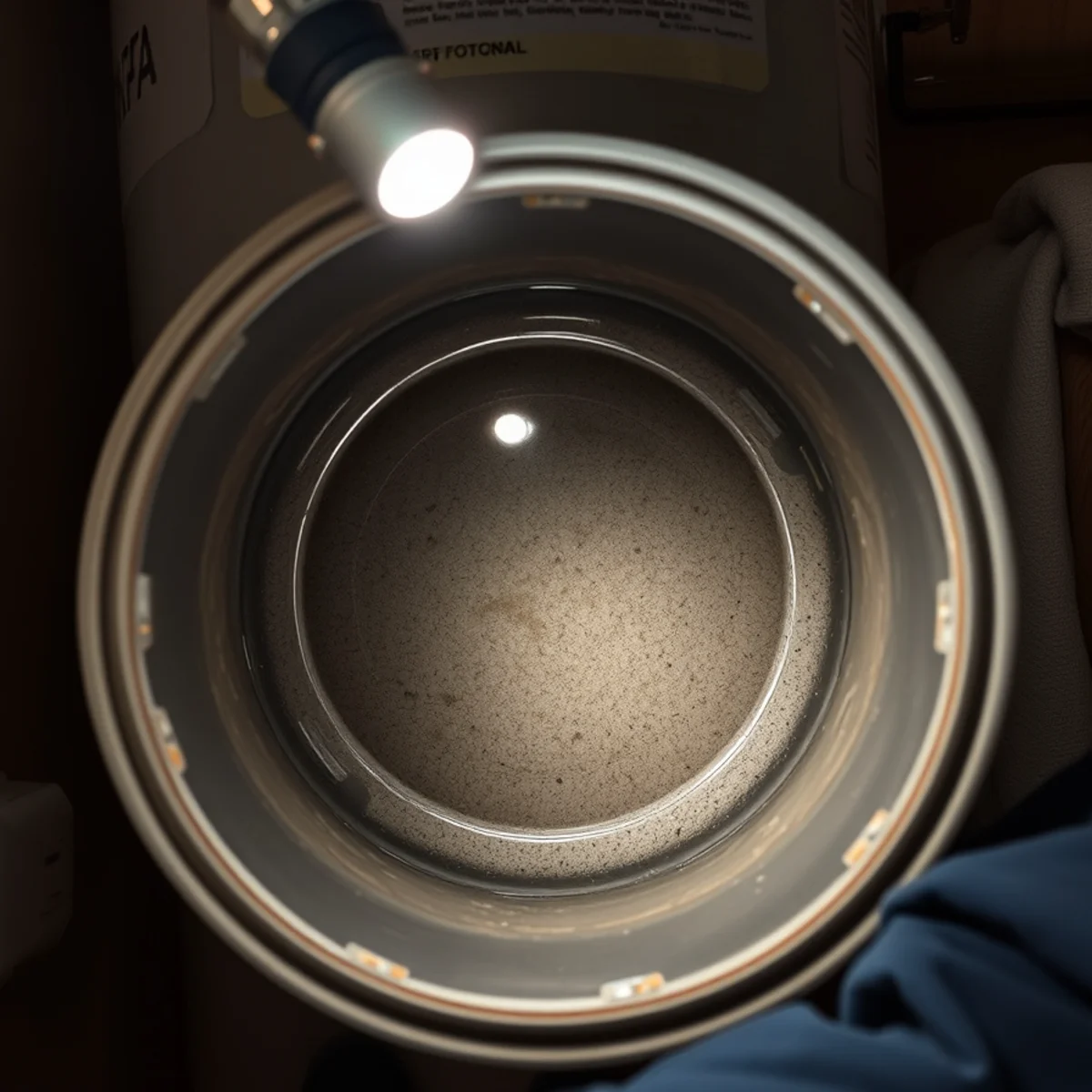
Sediment filtration ahead of everything else is almost always worth it on a well. It is inexpensive and it protects every piece of equipment downstream, including the water heater. Skipping it is the most common false economy we see.
pH correction on acidic water is the other one. Low pH does not stain or smell, so it rarely feels urgent — but it thins copper from the inside, and the eventual bill is repiping rather than a filter. On a house with original copper, this is frequently the highest-return thing on the list.
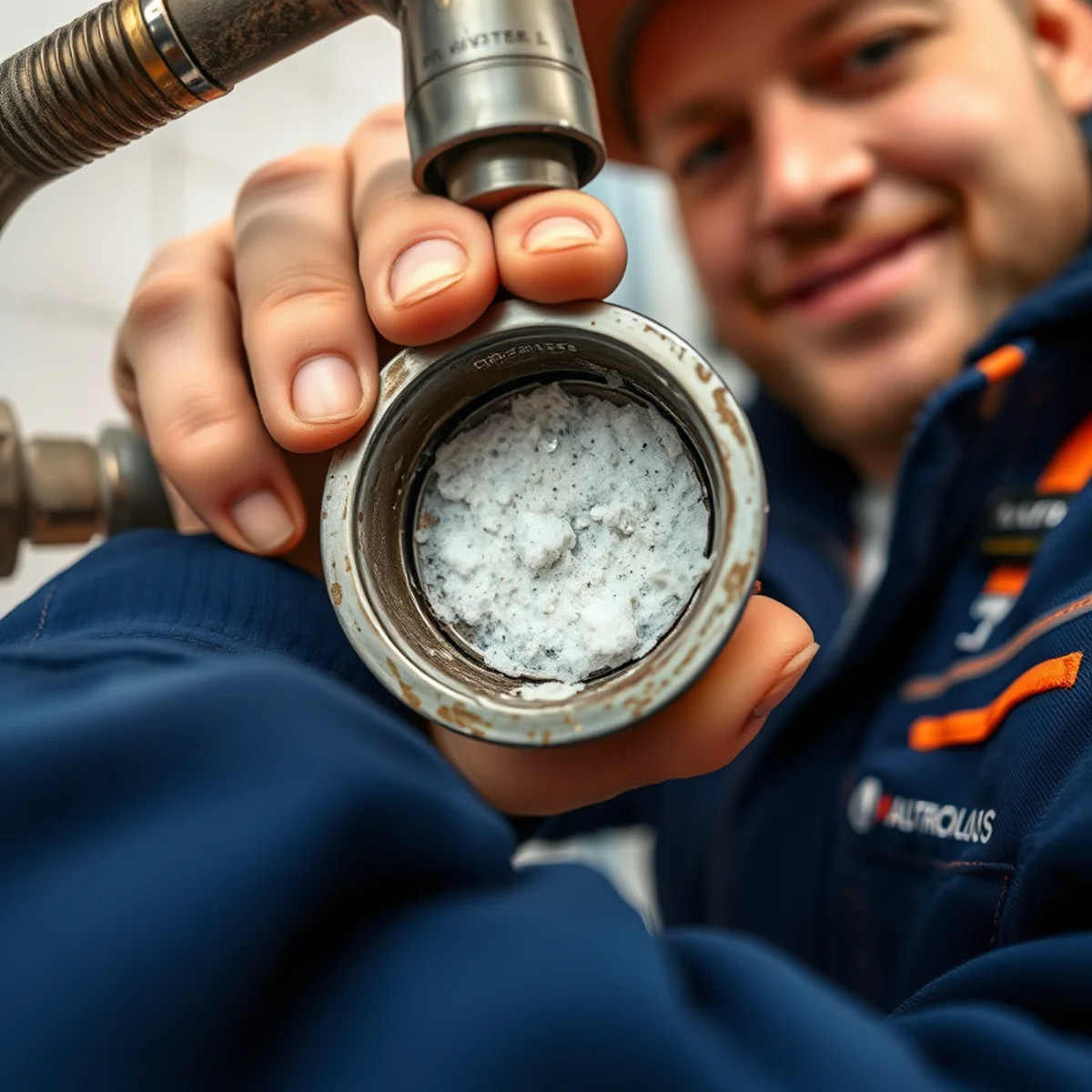
Iron removal pays for itself in a less dramatic way: in laundry, fixtures, and in a softener that lasts its design life instead of fouling early.
Where it is often not
Whole-house systems bought to fix a taste complaint that an under-sink carbon filter would have solved for a fraction of the price. If the household objection is how the drinking water tastes, start there.
Equipment sized against a package tier rather than your numbers. Oversized units cost more up front and regenerate inefficiently; undersized ones fail early. Both come from skipping the test.
And treatment aimed at a problem the well itself is causing. If a shoreline well has turned brackish, no filter fixes that — the well needs assessing, and equipment sold against it is money gone.
How to compare two quotes properly
- Were they both based on the same test, or did one skip it?
- Do they specify the same equipment in the same order? Sediment first, then iron or odor, then softening, then pH.
- Is the media type and expected service life stated, or just a model number?
- Is the annual salt and media cost included in writing?
- Does the install include bypass valves and service access, or is the equipment going somewhere you cannot reach?
- Is there a drain line in the price, or is that a change order waiting to happen?
Frequently asked questions
Can you give me a ballpark figure over the phone?
We can tell you what the testing costs and roughly what each stage of treatment involves. We will not give you an equipment price before a test, because on a well that number would be fiction. What we can do is tell you honestly whether your symptoms sound like a one-stage or a three-stage problem.
Is the water test free?
Hardness and a look at the staining evidence are free on any service call. Bacteria, nitrate and a full mineral panel go to a state-certified lab and have a cost, which we tell you before anything is sent off.
Do I need to treat everything at once?
Usually not. If the test comes back with several issues we will tell you which to deal with first — normally sediment and whatever is actively damaging the plumbing. The rest can follow when it suits you.
How long does treatment equipment last?
The vessels last a long time; the media inside them does not. Service life depends on the media type and on how hard your water works it, which is why we give you the replacement interval up front rather than after.
Does a water softener fix iron staining?
No. A softener exchanges hardness minerals and will foul its own resin trying to handle iron. Iron needs dedicated filtration ahead of the softener, and getting that order wrong is the most common reason a system underperforms.
Who wrote this
Collins & Sons LLC — Daniel Collins and family
We are a family plumbing business working out of 209 Westowne Rd in Catonsville, and we have been under Maryland houses for over 40 years — three generations of it. Most of what is on this page comes from doing the same jobs repeatedly on the same housing stock: pre-1950 homes off Frederick Road, galvanized supply, cast iron drainage, and water that runs 7–8.2 grains per gallon.
Licensed MHIC #117712 with the Maryland Home Improvement Commission and fully insured. We pull the Baltimore County permits on water heaters, sewer work and gas piping, and we meet the inspector ourselves.