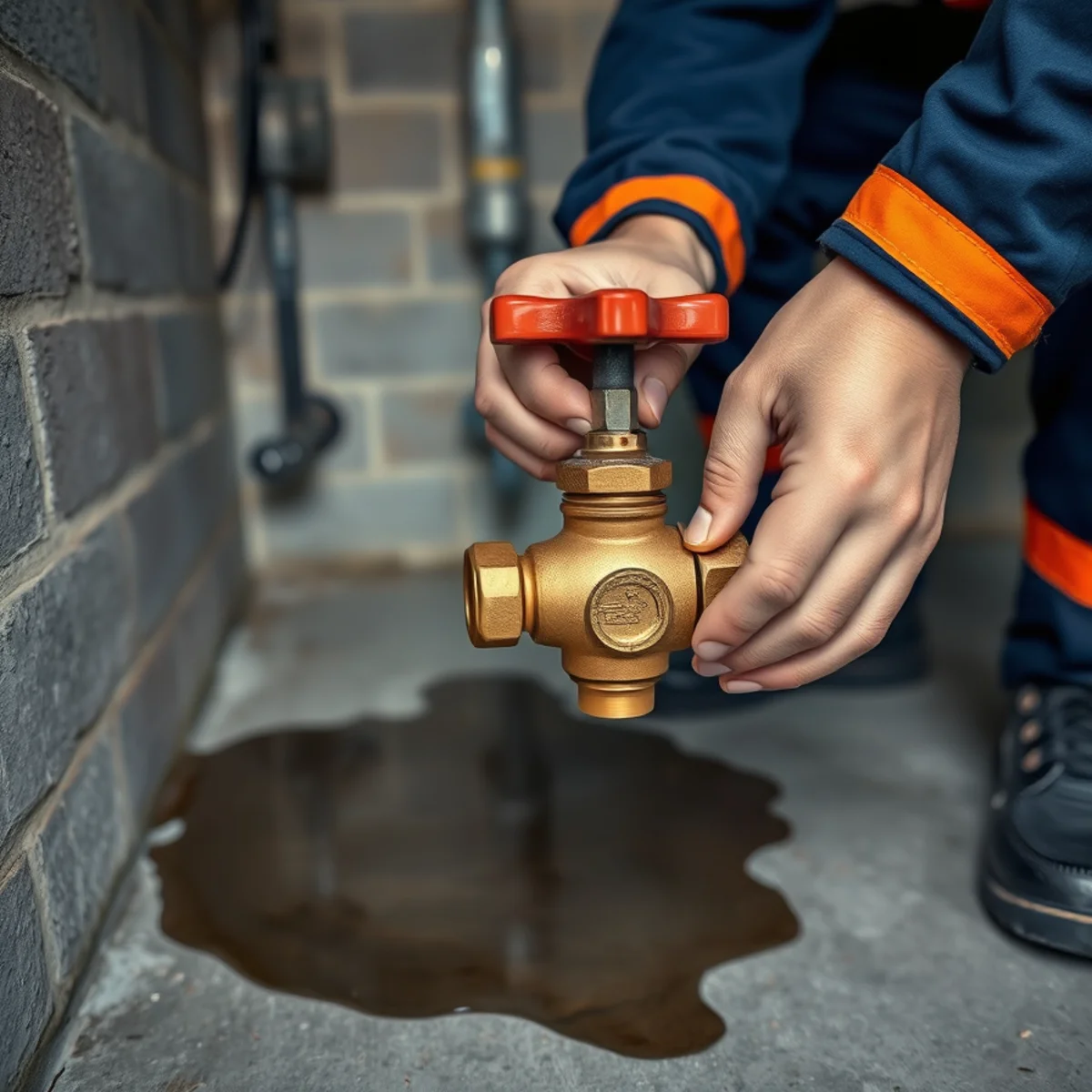
A pipe lets go behind the drywall at eleven at night. The basement floor drain starts backing up on a Sunday morning. The water heater quits the day before family arrives. Plumbing emergencies in Catonsville have a way of picking the worst possible moment, and every minute you spend waiting on a callback is another minute water is going somewhere it should not.
Collins & Sons is a family business, not a call center. When you dial our number after hours, you are not leaving a message with a dispatcher three states away — you are talking to someone who knows where the shutoff usually hides in a Frederick Road rowhome and what a 1950s cast iron stack sounds like when it is about to give up.
We have been working on Baltimore County water systems for more than forty years. That experience is the difference between guessing and knowing. We show up with a stocked truck, find the actual cause instead of the loudest symptom, and tell you what it costs before we pick up a tool.
Signs you need emergency plumbing
- Water spraying, dripping or pooling from a pipe, fitting or wall cavity
- Every drain in the house is slow or gurgling at the same time — a main line blockage
- Sewage backing up into a floor drain, tub or basement shower
- No hot water, or a water heater that is leaking from the tank body
- You smell gas near an appliance, water heater or gas line
- A frozen supply line in a crawl space, garage wall or exterior hose bib
- Your water meter keeps spinning with every fixture in the house shut off
- Sump pump has stopped running with storm water still coming in
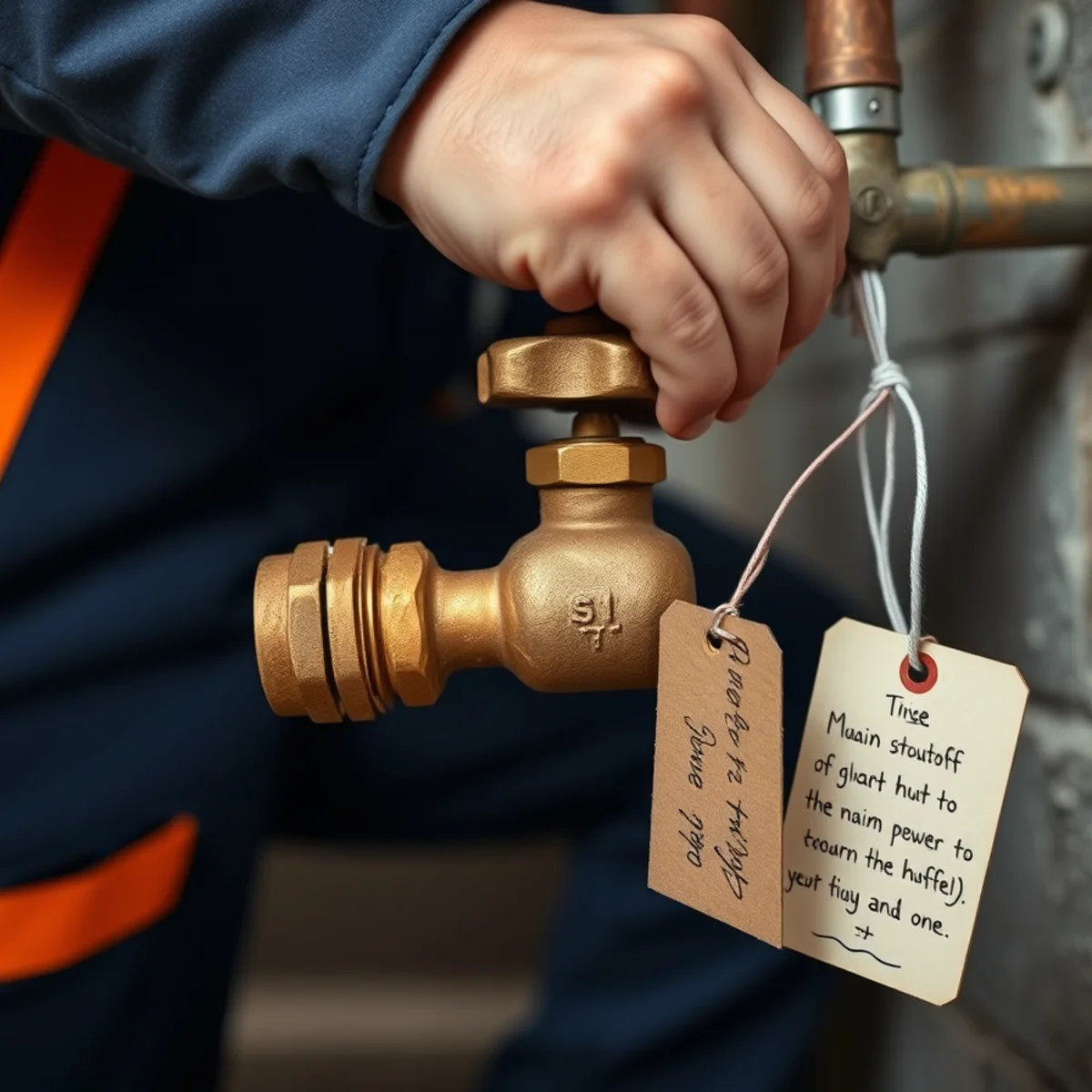
If water is actively flowing and you can safely reach the main shutoff, close it before you call. Then call us — we will talk you through what to do next while a truck is on the way.
What the job includes
Burst and frozen pipe repair
We locate the failure, isolate the line, and repair or replace the damaged section. In older Catonsville homes a burst is often a symptom, not the whole story — corroded galvanized supply lines tend to fail in more than one place, so we pressure-test the run before we call it finished.
Main line and sewer backups
When every fixture backs up at once, the blockage is downstream of the house. We clear the main with the right cutter head for the pipe material, then send a camera down to see what caused it — roots, a bellied section, a collapsed clay joint, or years of grease and scale.
No-hot-water and leaking water heaters
Failed elements, bad thermocouples, sediment-choked tanks and leaking relief valves. If the tank itself has rusted through we can usually get a replacement in the same day rather than leaving you cold overnight.
Emergency gas line shutdown and repair
Suspected gas leaks get priority. We shut down safely, pressure-test the line, and repair or replace the failed section to code before restoring service to the appliance.
Storm flooding and sump pump failure
Mid-Atlantic storms knock out power exactly when your pump matters most. We replace failed pumps, add battery backup, and check the discharge line for the frozen or crushed sections that cause most "the pump ran but the water stayed" calls.
Fixture failures that will not wait
A toilet supply line that let go, a shower valve stuck wide open, a hose bib that split over winter. Small parts, big water damage — we carry the common ones.
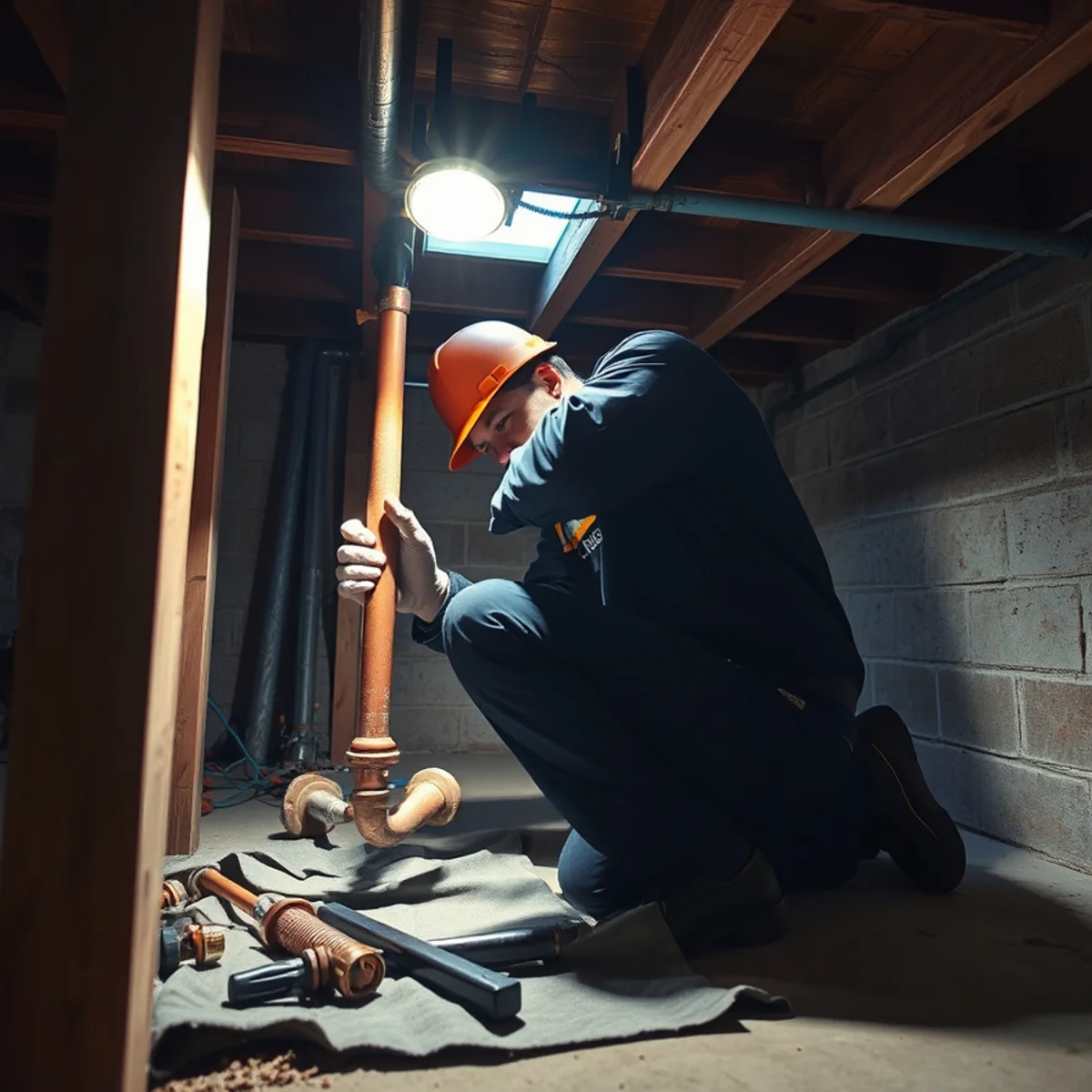
How we work
1. You reach a plumber, not a queue
We answer the phone. On that first call we ask a handful of questions to figure out whether you should shut water off at the main, kill power to a circuit, or simply put a bucket under it and wait for daylight. Some calls we solve on the phone for free. We would rather do that than sell you a midnight trip you did not need.
2. Honest ETA, then we roll
You get a real arrival window before you hang up, based on where the truck is and what is ahead of you. If we cannot be there fast enough to matter, we say so instead of letting you sit and wonder.
3. Diagnose the cause, not just the symptom
We find where the water is coming from — electronic leak detection, a camera down the line, a pressure test on the supply side. In a house with mixed-era piping, the visible drip is frequently the second-oldest problem in the wall.
4. Price before work
You get the number before we start, in writing, including whether this is a stop-the-bleeding repair or the permanent fix. If the right answer is a temporary cap tonight and a proper repair Tuesday at a lower rate, that is what we will recommend.
5. Stabilize, repair, verify
We make the repair, restore pressure, run the fixtures, and check the work under real conditions. Before we leave, we show you the shutoff valve and how to operate it — in older homes those valves seize from disuse, and knowing yours works is worth more than any coupon.
What drives the price
We do not publish fake prices, because a number that does not match your house is worse than no number at all. What we can do is tell you exactly what moves the figure, so nothing on the estimate is a surprise.
What actually failed
A split supply line under a sink and a cracked cast iron stack inside a wall are not the same job. The repair itself is often the smaller cost — access is what drives the number.
Access and finish work
A leak on an exposed basement line is straightforward. The same leak behind tiled plaster in a 1920s bathroom means careful demolition and a patch afterward. We tell you which one you have before we open anything.
Pipe material and age
Galvanized steel and old cast iron are brittle. Cutting into a corroded run can turn a one-fitting repair into a section replacement. We flag that risk up front rather than surprising you with it halfway through.
Whether the cause is inside or outside
A blockage in the house line is a different job from a failed sewer lateral under the front yard. The camera inspection tells us which, and we would rather spend ten minutes finding out than sell you the wrong repair.
Parts on the truck versus a supply run
Common fittings, valves, pumps and water heaters ride with us. Period-correct or specialty parts for older homes may need to be sourced, and we will tell you the timeline honestly.
What this looks like in Catonsville

Catonsville has two very different plumbing problems living side by side. The pre-1950s housing stock along Frederick Road, Winters Lane and through Paradise and Westchester runs on galvanized supply and cast iron drainage that is now well past its design life. Galvanized steel corrodes from the inside out, so the failure is invisible until it is not — and when one section goes, the rest of that run is on the same clock.
The newer developments closer to the Beltway and out toward Rolling Road have copper and PVC, which is far more forgiving, but they sit on the same clay-heavy Piedmont soil that shifts with our wet-dry cycles and puts strain on buried laterals.
Then there is the water itself. Baltimore City surface water reaches 21228 and 21229 at roughly 120 to 141 PPM — about 7 to 8.2 grains per gallon. That scale plates out inside water heaters, tankless heat exchangers and angle stops, which is why so many of our emergency calls are heaters that quit years before their rated life.
Winter emergency calls cluster in a predictable place: uninsulated crawl spaces, exterior wall runs in additions, and garage-side hose bibs. Summer and fall calls move to sump pumps and basement backups when a Mid-Atlantic storm dumps two inches in an hour on ground that is already saturated.
Emergency Plumbing questions we get asked
Do you actually answer the phone at 2 a.m., or is it an answering service?
You reach us directly. Collins & Sons is family owned and operated, so the person picking up knows the trucks, the schedule and the neighborhood. If we cannot get to you quickly enough to be useful, we will say that on the call instead of stringing you along.
What should I do before the plumber arrives?
Shut off the main water valve if water is running and you can reach it safely. For a water heater leak, close the cold inlet valve on top of the tank. For anything involving gas or standing water near electrical panels, leave the house and call from outside. Move what you can out of the water and take photos for your insurance carrier.
Do you charge more for nights, weekends and holidays?
Emergency work carries an after-hours rate — we are honest about that rather than burying it. You will hear the number on the phone before we dispatch, and we will tell you if waiting until the next business day is genuinely safe and cheaper for you.
Can you handle a sewage backup in a finished basement?
Yes. We clear the blockage, camera the line to find why it happened, and tell you honestly whether this is a maintenance issue or a failing lateral that will keep backing up until it is repaired or lined.
Are you licensed and insured for emergency work in Baltimore County?
We hold Maryland Home Improvement Commission license MHIC #117712 and carry full liability insurance. We also pull the permits required for water heater replacements, sewer work and gas line repairs in Baltimore County so the work is inspected and on record.