
A burst supply line moves a lot of water very quickly. How much damage you end up with is determined almost entirely by what happens in the first ten minutes, and specifically by how fast somebody gets to the shutoff valve.
This article is short and in order deliberately. If you are reading it during an emergency, start at step one.
1. Shut off the water
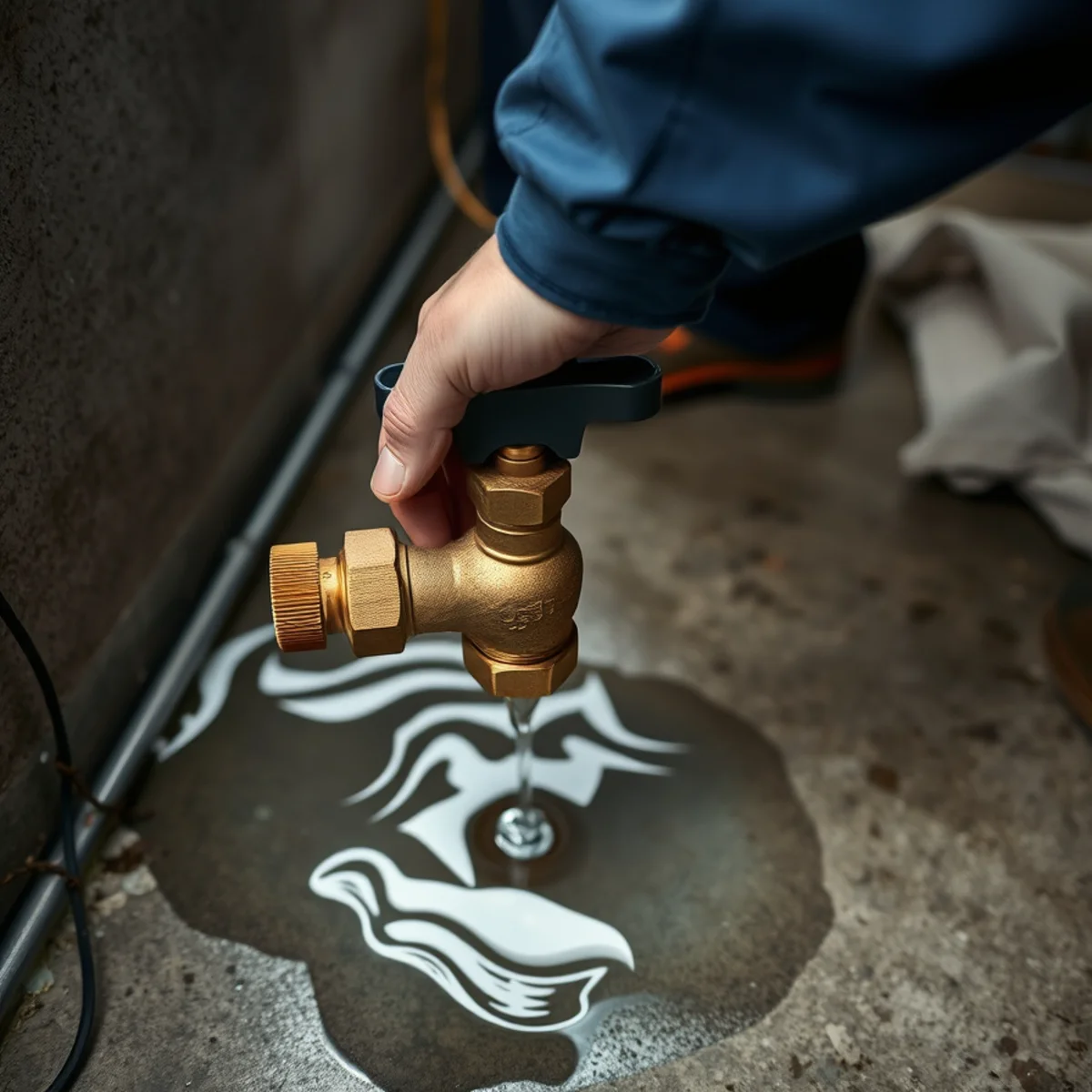
Go to your main water shutoff valve and close it. In most Catonsville homes it is in the basement, on the wall where the water service enters from the street side, usually within a few feet of the water meter. On a gate valve, turn the wheel clockwise until it stops. On a ball valve, turn the lever a quarter turn so it sits across the pipe.
If you cannot find the main, or it will not turn, look for a shutoff closer to the leak — an angle stop under a sink or toilet, or an isolation valve on a branch line. Any valve that stops the flow is the right valve right now.
2. Kill power if water is near anything electrical
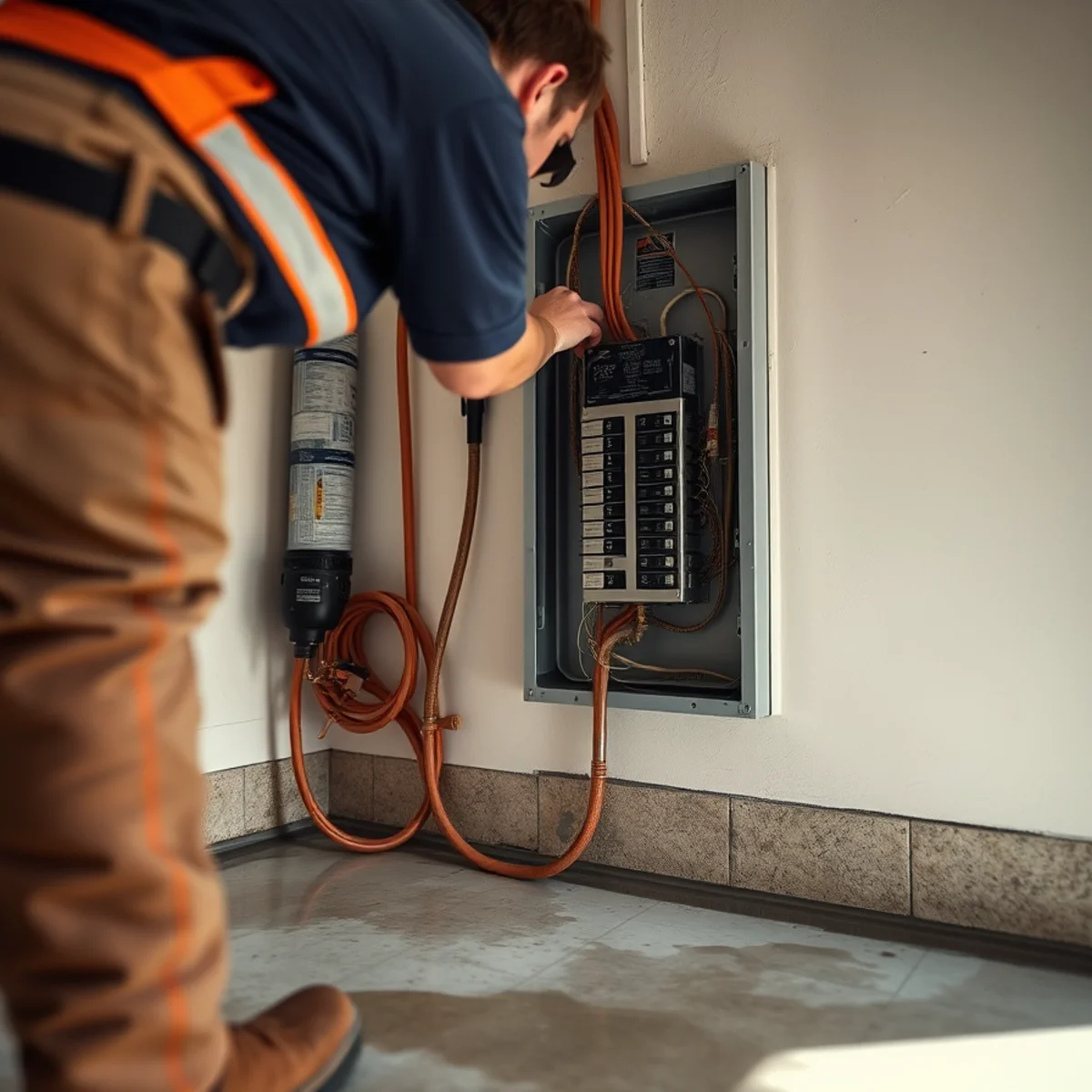
If water is reaching outlets, an electrical panel, or a furnace or water heater, shut off power at the breaker — but only if you can reach the panel without standing in water.
If you cannot get to the panel safely, leave the house and call the utility. No amount of property is worth an electrocution risk.
3. Open faucets to drain the system
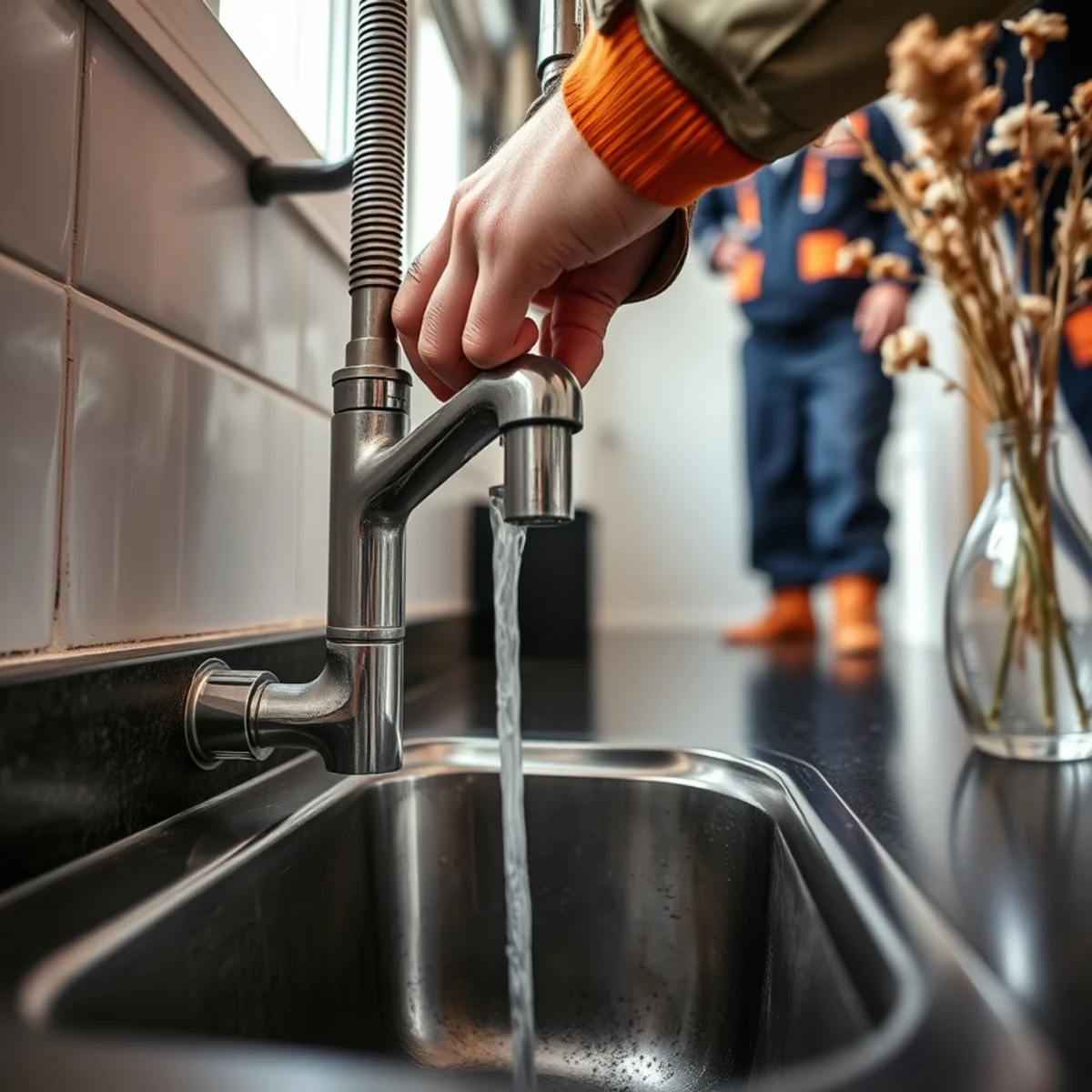
With the main closed, open several faucets — the lowest ones in the house first. That drains residual water out of the pipes and relieves pressure, which reduces how much more comes out of the split.
It also stops water in the vertical runs continuing to feed the leak by gravity, which people do not expect.
4. Call for help
Now call. Tell us where the water is coming from, whether it is still running, the age of the house, and whether you have been able to shut the main. That is enough for us to give you a real arrival window and to arrive with the right parts.
If it is a gas smell rather than water, that is different: leave the house first, then call from outside. Do not switch anything on or off. Our 24/7 emergency plumbing line treats gas as top priority.
5. Start protecting the house
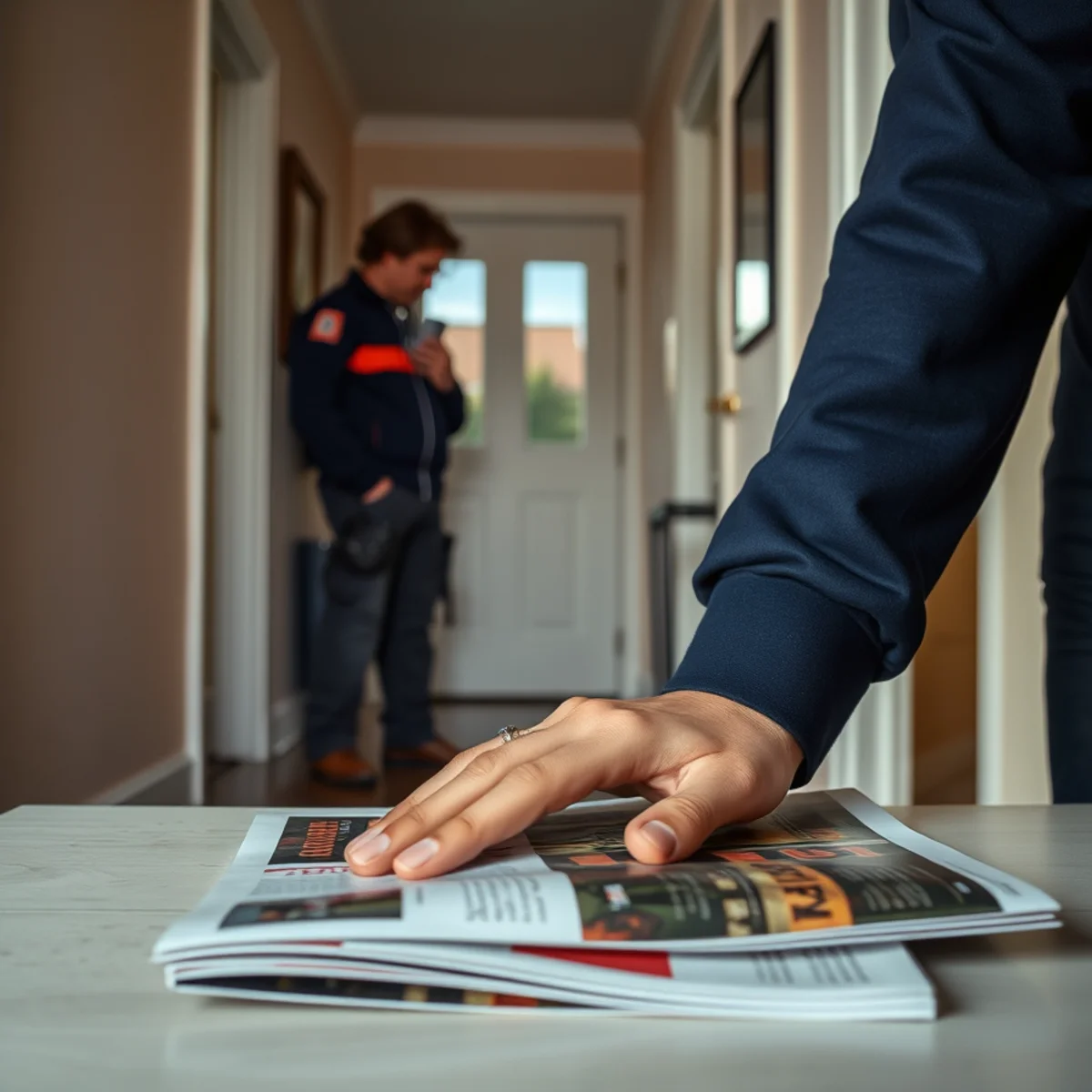
- Move furniture, rugs, boxes and anything on the floor out of the water. Ten minutes of moving now saves a lot later.
- Get towels and buckets under active drips, and put a container under the worst of it.
- If water is coming through a ceiling, put a bucket down and consider poking a small drain hole at the lowest point of the bulge — a controlled release is much better than a ceiling collapsing.
- Photograph and video everything before you clean up. Insurers ask for documentation and memory is not evidence.
- Open windows and get air moving if the weather allows. Drying starts now, not tomorrow.

6. Call your insurer
Sooner rather than later. Most policies cover sudden and accidental water damage while excluding gradual seepage, and the distinction matters. Report it, get a claim number, and keep every receipt.
Note also that most policies do not cover the pipe repair itself, only the resulting damage. That is normal and not a sign that anybody is being difficult with you.

What we do when we arrive
Locate and isolate the failure, then repair or replace the damaged section. In an older Catonsville home a burst is frequently a symptom rather than the whole story — corroded galvanized supply tends to fail in more than one place — so we pressure-test the run before calling it finished.
You get the price before work starts, and an honest opinion about whether this is a stop-the-bleeding repair tonight and a proper fix later, or whether it needs doing properly now. If your house has a leak history and this is the second or third in a couple of years, we will tell you that the arithmetic has probably shifted toward repiping rather than another patch.
Preventing the next one
- Know where your main shutoff is and test it twice a year.
- Label it. Anyone in the house should be able to find it in the dark.
- Replace washing machine hoses every five years or so — rubber hose failures are one of the most common causes of major residential water damage.
- Insulate pipes in crawl spaces, garages and exterior walls, and disconnect hoses before winter.
- If you have galvanized supply and have already had one leak, treat it as information about the whole system rather than an isolated event.
- Consider a whole-house leak detection and automatic shutoff device, especially if the property is ever left empty for stretches.
One number worth having
Put a plumber's number in your phone before you need it. At two in the morning with water coming through a ceiling, nobody makes good decisions about who to call.
We answer around the clock across Catonsville, Arbutus and the surrounding Baltimore County communities, and we are a family business rather than a call center — the person who picks up knows the trucks and the neighborhood.
Frequently asked questions
Where is the main water shutoff in most Catonsville homes?
Usually in the basement on the street-facing wall, within a few feet of the water meter. In houses without full basements it may be in a crawl space or a utility closet. There is also a curb stop at the property line, but that generally requires a utility key and is not the homeowner's first move.
The main valve will not turn. What now?
Do not force it — an old gate valve can snap and make things dramatically worse. Look for a downstream isolation valve or a fixture shutoff instead, and tell us on the phone. Once the emergency is over, replacing a seized main valve with a quarter-turn ball valve is worth doing.
Should I turn off the water heater too?
If you have shut the main and the heater is a tank type, yes — shut off its gas or power so it does not fire on an emptying tank. Close the cold inlet valve on top of the heater as well.

Who wrote this
Collins & Sons LLC — Daniel Collins and family
We are a family plumbing business working out of 209 Westowne Rd in Catonsville, and we have been under Maryland houses for over 40 years — three generations of it. Most of what is on this page comes from doing the same jobs repeatedly on the same housing stock: pre-1950 homes off Frederick Road, galvanized supply, cast iron drainage, and water that runs 7–8.2 grains per gallon.
Licensed MHIC #117712 with the Maryland Home Improvement Commission and fully insured. We pull the Baltimore County permits on water heaters, sewer work and gas piping, and we meet the inspector ourselves.