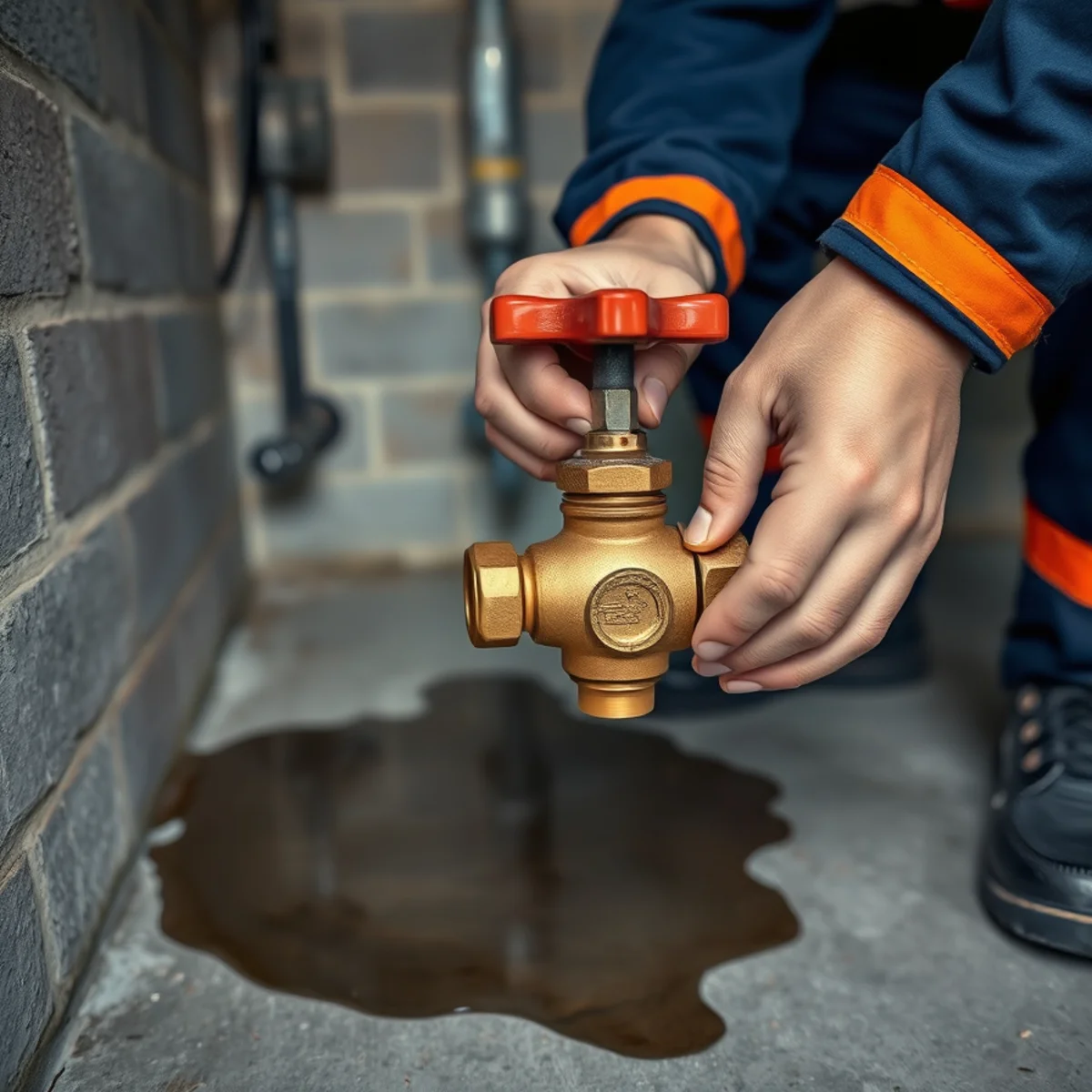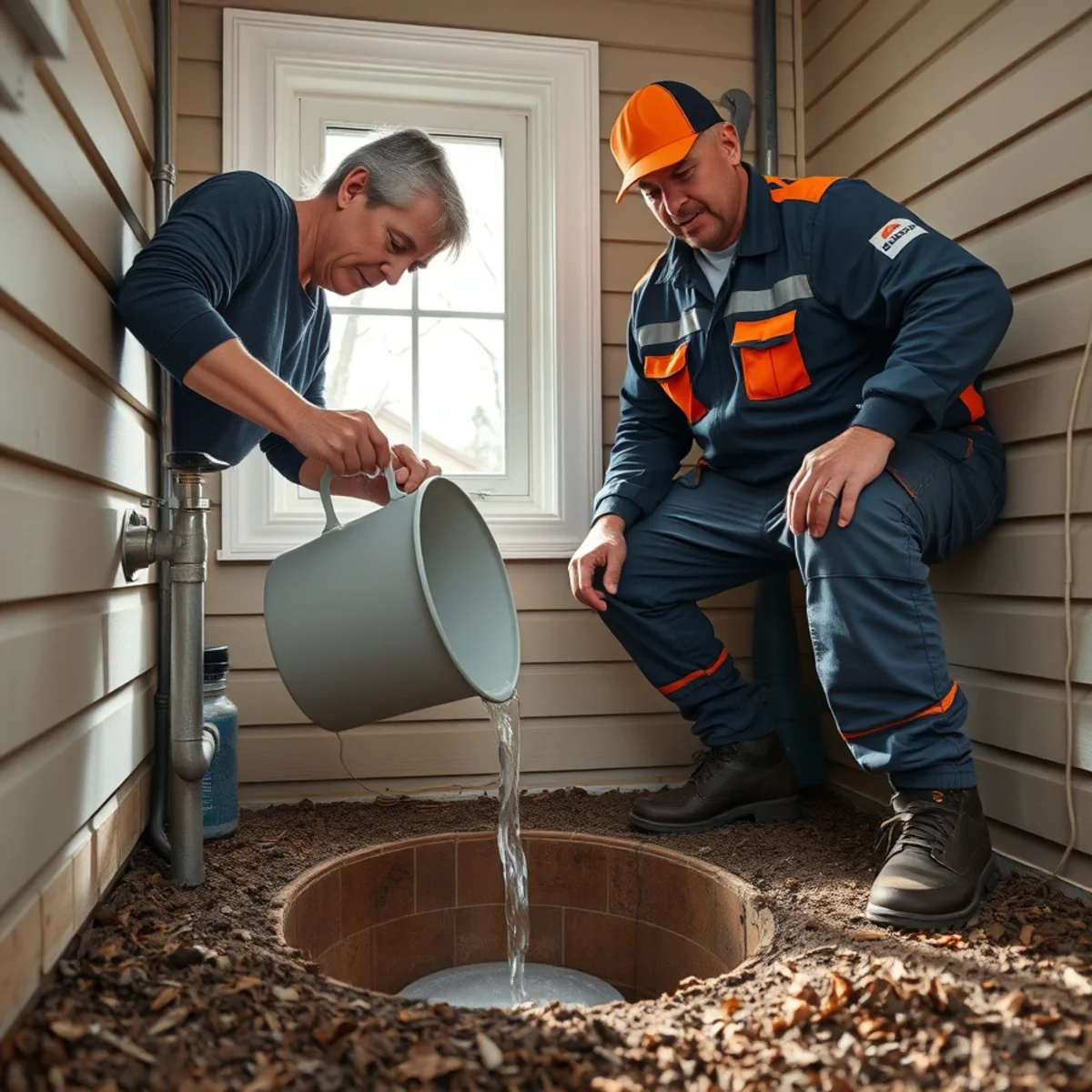

Maryland winters are mild compared with New England, and that is exactly why frozen pipe damage is so common here. Plumbing in this region was often run through spaces that would never be acceptable further north — uninsulated crawl spaces, garage walls, unheated additions — because most winters it does not matter.
Then a cold snap arrives, the temperature sits in the teens for three days, and we spend a week on freeze calls. They cluster between two and five in the morning, when the outside temperature bottoms out and the house has been quiet for hours.
What actually happens when a pipe freezes
Water expands as it freezes. In a closed pipe, that expansion has nowhere to go, so pressure builds — not at the ice itself, but between the ice and a closed faucet downstream. That trapped pressure is what splits the pipe.
The important consequence: the split often appears somewhere other than the frozen section, and you frequently will not know it happened until the pipe thaws and water starts coming out. That is why a house can freeze at three in the morning and flood at ten, once the sun has warmed things up.
The four places it happens in Catonsville houses
1. Crawl spaces
Uninsulated or partially insulated crawl spaces under additions, rear extensions and porches are the number one location. They are open to outside air, they are out of sight, and the pipes running through them frequently have no insulation at all.

2. Garage and exterior wall runs
Any supply line running through an unheated garage or inside an exterior wall is exposed. Older homes in particular have runs added during past renovations that took the convenient route rather than the warm one.

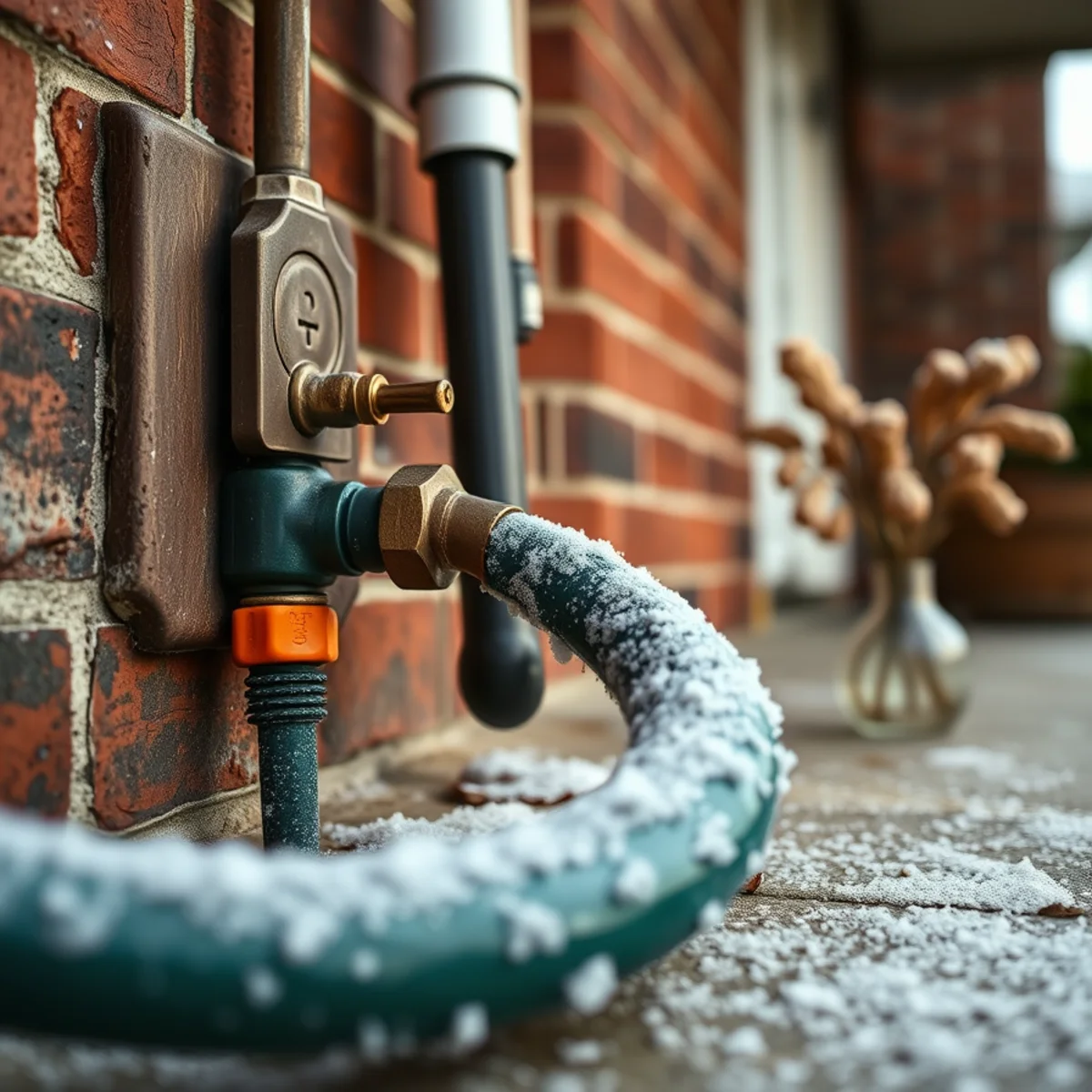
3. Hose bibs and outdoor fixtures
The classic. A hose left connected over winter traps water in the bib, which freezes, expands, and splits the fixture or the pipe behind it. The damage is inside the wall and you discover it in spring when you turn the water on.
4. Unheated or lightly heated spaces
Vacant properties, seasonal homes, unheated basements in properties being renovated, and rooms where somebody closed the vent to save money. If the heat is off and there is water in the pipe, there is risk.
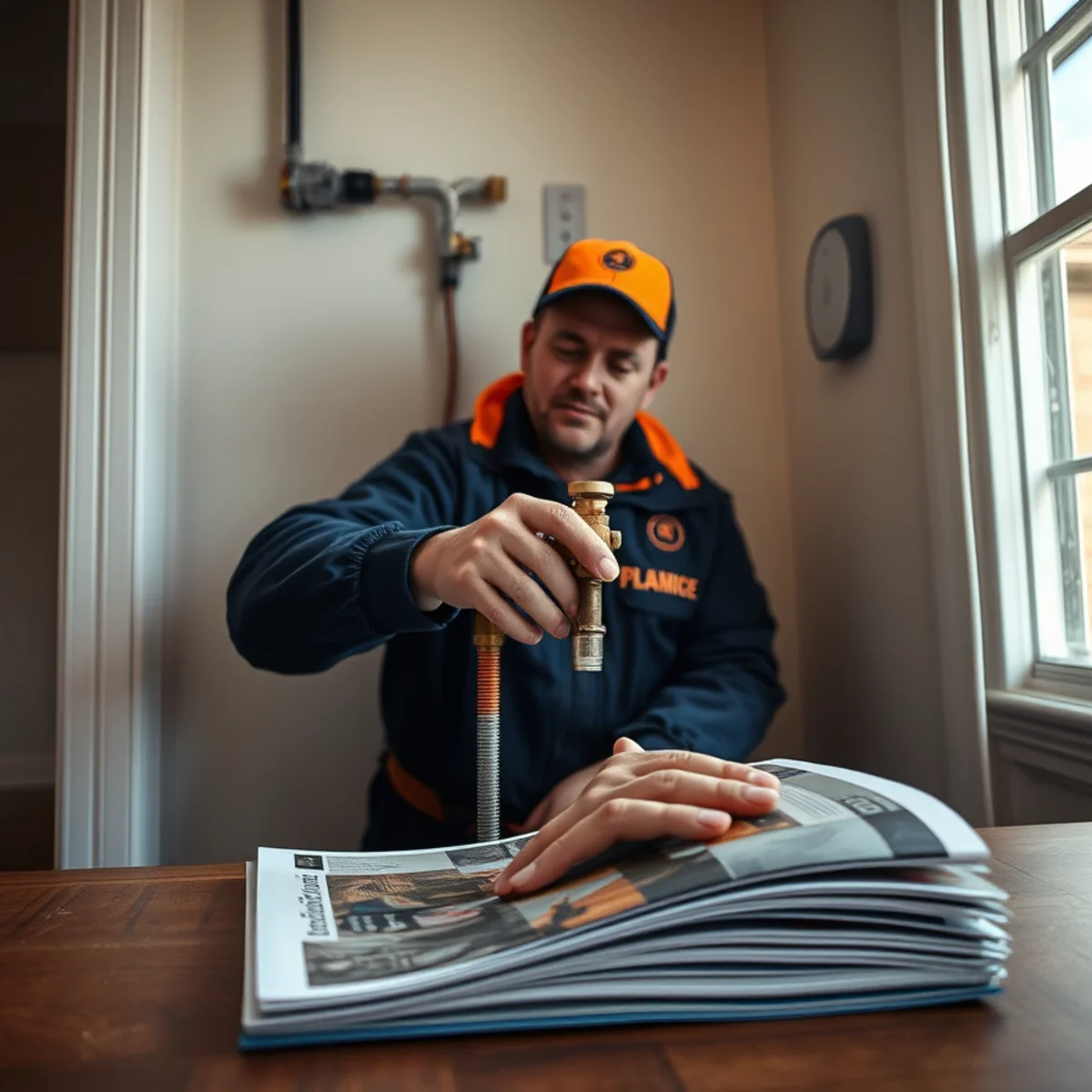
Prevention, cheapest first
- Disconnect every garden hose before the first freeze and drain the bibs. Free, takes ten minutes, prevents one of the most common failures we see.
- Insulate exposed pipe in crawl spaces, garages and unheated basements. Foam sleeve insulation is inexpensive and available at any hardware store.
- Seal air leaks around pipe penetrations and rim joists. Cold air blowing directly on a pipe does more damage than ambient cold, and a can of expanding foam goes a long way.
- Open cabinet doors under sinks on exterior walls during a hard freeze so household heat reaches the pipes.
- Keep the heat on at a minimum of about 55°F even in unused rooms and when away.
- On the coldest nights, let a faucet on the most vulnerable line drip. Moving water is far harder to freeze, and the tiny water cost is nothing against a burst pipe.
- For runs that have frozen before, heat tape or heat cable properly installed is a reliable answer. If a section froze once, it will freeze again.
- For genuinely unoccupied properties over winter, a proper drain-down is the safe approach. We can do it and reverse it in spring.
If a pipe freezes: what to do and what not to do
First: shut off the main water valve. If the pipe has already split, thawing it is the moment the flooding starts. Turning off the water first turns a potential disaster into a repair.
Then open the affected faucet, so that as ice melts, water and pressure have somewhere to go.
To thaw, use gentle, even heat — a hair dryer, a heat gun on a low setting, warm towels, or a space heater in the area. Work from the faucet end back toward the frozen section so melt water can escape.
- Never use an open flame. Blowtorches cause house fires and are responsible for a meaningful share of winter structural losses.
- Do not leave a heat source unattended in a crawl space or near insulation.
- Do not assume a thawed pipe is an undamaged pipe. Check the whole run for splits before you leave the main on.
- If you cannot locate the freeze, or the pipe is inside a finished wall, call rather than opening drywall speculatively.
After the thaw
Once water is flowing, walk the entire run and check for weeping joints and pinholes. Freeze damage is not always dramatic — a hairline split can weep slowly for weeks and rot a joist before anyone notices.
And take the hint. A section that freezes has told you something about the insulation, the air sealing or the routing in that part of the house. Fixing it in spring is cheap; discovering it again next January is not. If a run keeps freezing, re-routing it into conditioned space is sometimes the right permanent answer, and it is worth pricing. Our 24/7 emergency plumbing line handles freeze calls throughout the winter, and our repiping work frequently includes moving vulnerable runs somewhere sensible while the walls are open.
Frequently asked questions
At what temperature do pipes freeze?
The often-quoted threshold is around 20°F sustained, but it depends entirely on exposure. An uninsulated pipe with wind blowing on it through a crawl space vent can freeze well above that. A well-insulated pipe in a semi-conditioned space can survive far below it.
Should I really let a faucet drip all night?
On the coldest nights, for the most vulnerable line, yes. A slow steady drip keeps water moving and relieves the pressure build-up that actually splits pipes. The water cost is negligible compared with a burst line.
Is pipe insulation enough on its own?
Insulation slows heat loss, it does not add heat. In a genuinely cold space, insulation alone can delay freezing rather than prevent it. For chronically problematic runs, combine insulation with air sealing and heat cable, or re-route the pipe.

Who wrote this
Collins & Sons LLC — Daniel Collins and family
We are a family plumbing business working out of 209 Westowne Rd in Catonsville, and we have been under Maryland houses for over 40 years — three generations of it. Most of what is on this page comes from doing the same jobs repeatedly on the same housing stock: pre-1950 homes off Frederick Road, galvanized supply, cast iron drainage, and water that runs 7–8.2 grains per gallon.
Licensed MHIC #117712 with the Maryland Home Improvement Commission and fully insured. We pull the Baltimore County permits on water heaters, sewer work and gas piping, and we meet the inspector ourselves.