The leaks that cost the most are the ones you never see. A pinhole in a copper line inside a wall cavity can drip for a year before a stain appears on the ceiling below. A slab leak under a poured floor announces itself as a warm patch and a water bill that has quietly doubled. By the time there is visible damage, the repair is the small part of the bill.
The old approach was to guess and start opening walls. We do not work that way. Acoustic listening equipment, thermal imaging, pressure isolation testing and tracer methods let us narrow a leak down to a small area before anything gets cut. That means one neat opening instead of four exploratory ones, and a much smaller repair bill on the finish side.
Then we fix it properly. In an older Catonsville home the leak you found is often a warning about the rest of the run, and we will tell you plainly whether you are looking at a single repair or the first of several.
Signs you need leak detection & repair
- A water bill that jumped with no change in how you use water
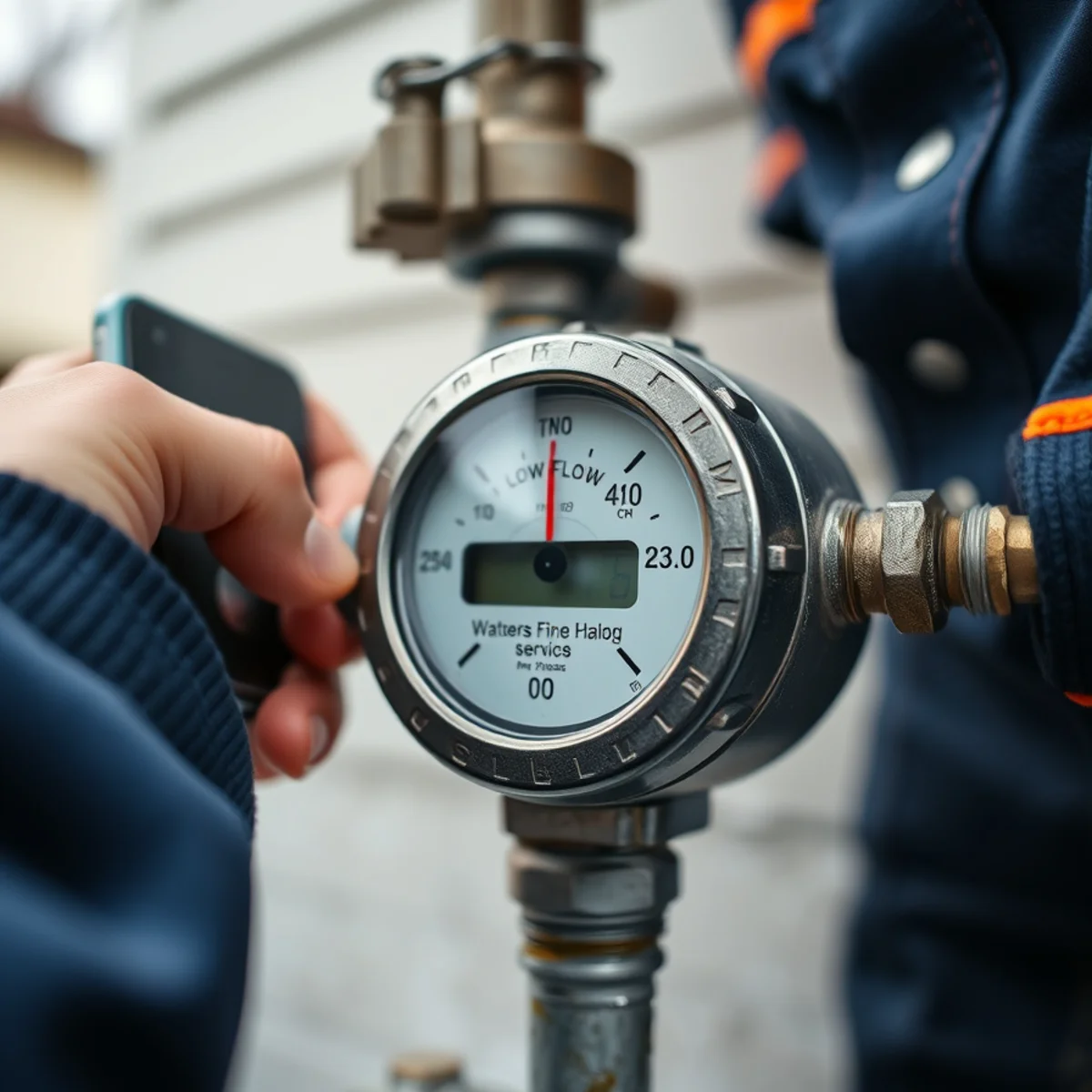
- The water meter dial moves with every fixture in the house shut off
- Sound of running water when nothing is on
- Warm or damp spots on a floor slab
- Musty smell, peeling paint or bubbling drywall
- Persistent low water pressure at one part of the house
- Cracks in a foundation, driveway or walkway with no other explanation
- Unexplained lush green patches in the lawn near the service line
The meter test takes two minutes and is the single best home diagnostic. Turn off every fixture, note the meter reading, wait thirty minutes without using water, and read it again. Any movement means water is leaving the system somewhere.
What the job includes
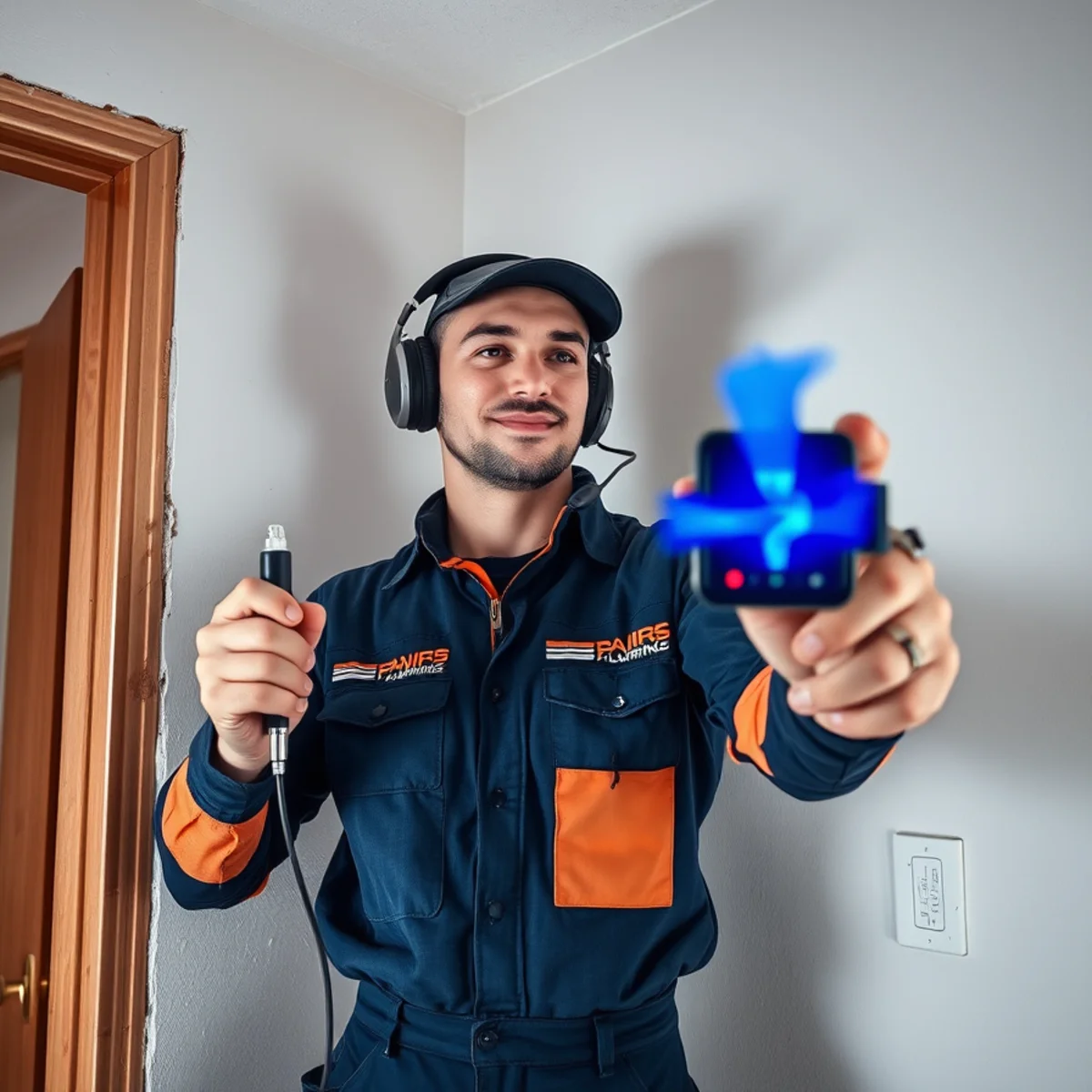
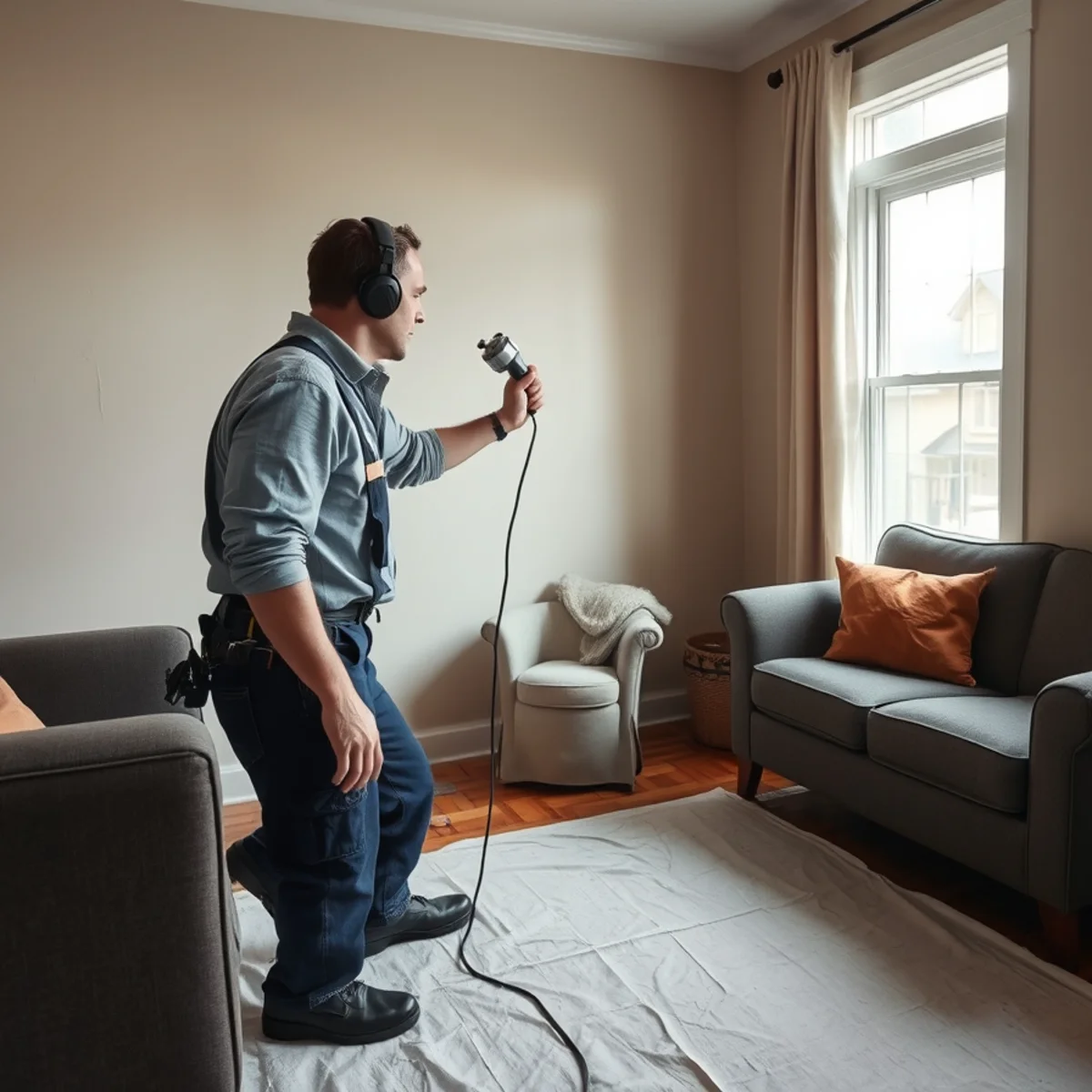
Electronic and acoustic leak location
Sensitive listening equipment picks up the sound signature of pressurized water escaping a pipe through concrete, tile and drywall, letting us mark a location rather than guess at a zone.
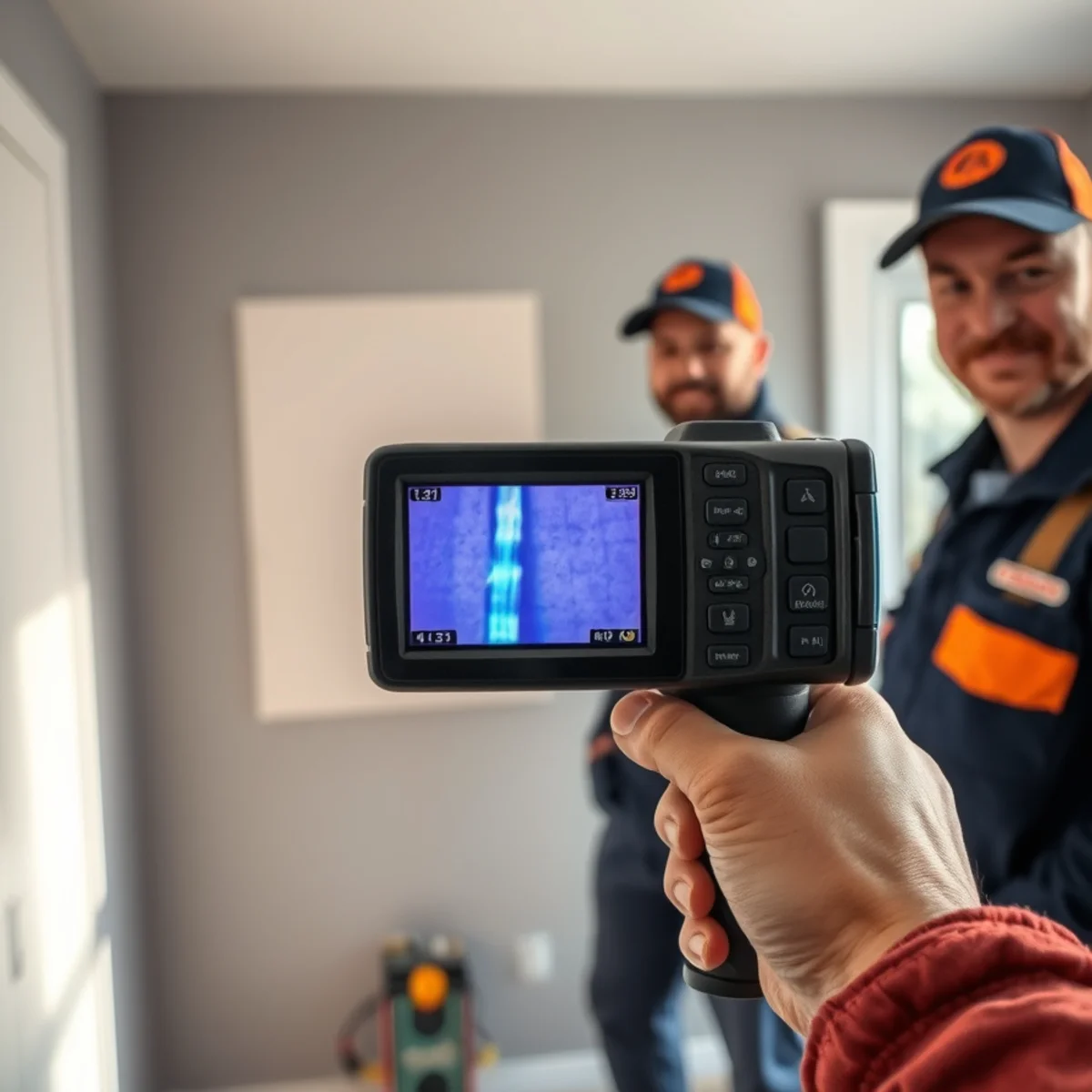
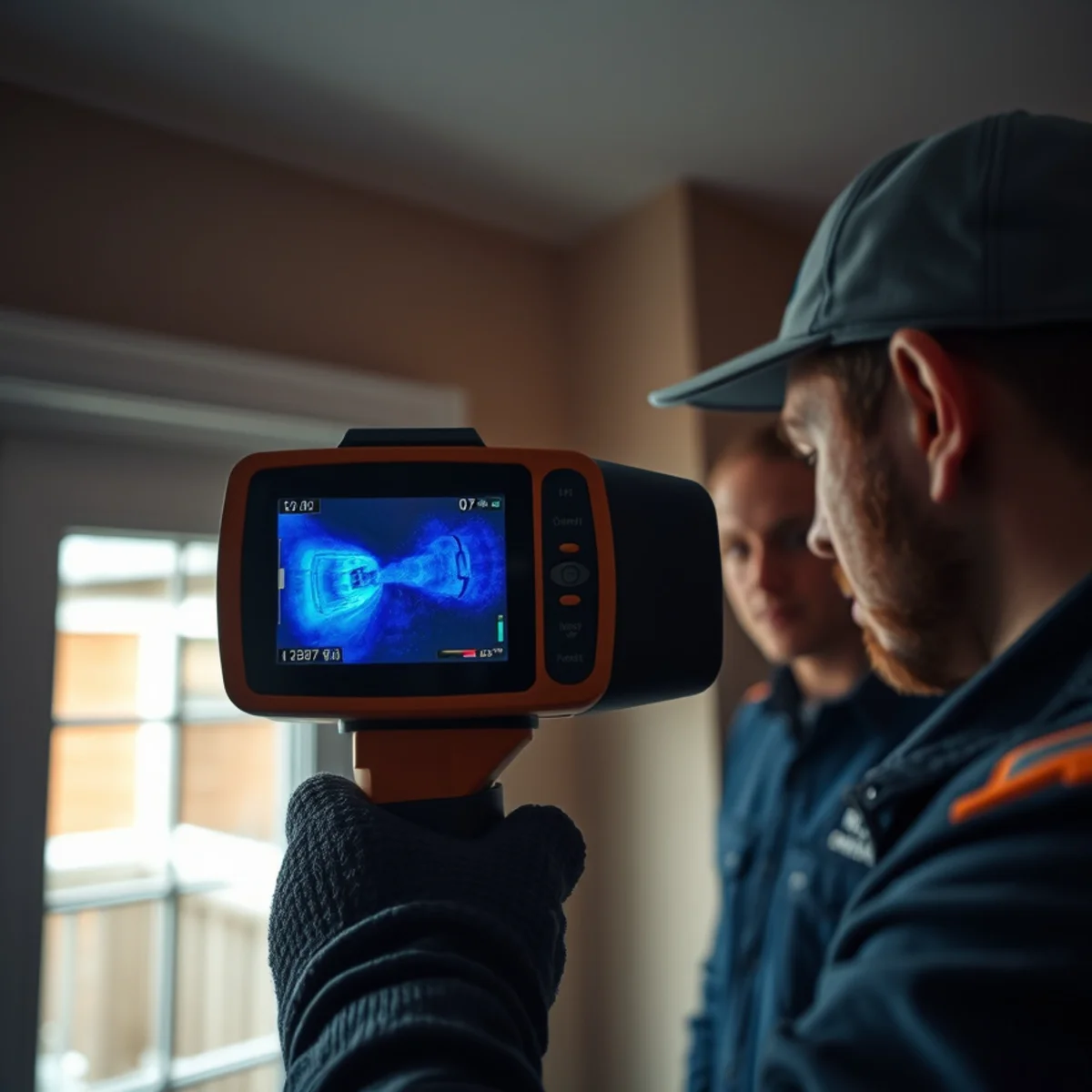
Thermal imaging
Infrared shows temperature differentials caused by water movement behind finished surfaces. Especially effective on hot water lines and on slab leaks.
Slab leak location and repair
Under-slab supply leaks can be repaired by spot access, by re-routing the line overhead, or as part of a repipe. We explain the trade-off honestly — sometimes breaking the slab is right, and sometimes a re-route is cheaper and less disruptive.
Pinhole and wall leak repair
Copper pinholes are common in the Baltimore area. We repair the failure and pressure-test the surrounding run, because a pinhole is usually a symptom of pipe condition rather than bad luck.
Underground service line leaks
Leaks between the meter and the house are the homeowner's responsibility and can waste enormous amounts of water quietly. We locate, then repair or replace the affected section.
Post-repair verification
We re-test the system under pressure and re-check the meter before calling the job done. You get proof, not assurances.
How we work
1. Confirm there is a leak at all
Meter test and system pressure check. Occasionally a high bill turns out to be a running toilet flapper, and we would rather find that in fifteen minutes than sell you a leak search.
2. Isolate hot from cold, inside from outside
Shutting valves in sequence and watching the meter narrows the search dramatically before any equipment comes out of the truck.
3. Pinpoint
Acoustic and thermal work on the isolated zone until we can mark the spot on the floor or wall. We show you the mark and explain how confident we are before anything is opened.
4. Access with the smallest cut that works
One clean opening, in a location chosen for both access and ease of patching. We protect the surrounding finishes and clean up thoroughly.
5. Repair, test, and assess the rest
We repair, pressurize, verify at the meter, and give you an honest read on the condition of the surrounding pipe so you can plan rather than react.
What drives the price
We do not publish fake prices, because a number that does not match your house is worse than no number at all. What we can do is tell you exactly what moves the figure, so nothing on the estimate is a surprise.
How hidden the leak is
An accessible basement line is a quick fix. A leak under a slab or inside a finished second-floor wall takes detection time before repair time.
Detection method required
Some leaks are found in twenty minutes with a meter test and a listening disc. Others need thermal imaging and tracer work. We charge for what the job actually takes.
Repair approach for slab leaks
Spot repair through the slab, or abandoning the under-slab section and re-routing overhead. Re-routing is often less disruptive and sometimes cheaper, and it is always worth pricing both.
Pipe material and overall condition
If we find one pinhole in a copper system with thin walls throughout, a single repair may buy you a year. That is a repipe conversation, and we would rather have it honestly than sell you five separate repairs.
Finish restoration
We repair the plumbing and close the opening. Tile matching, plaster restoration and painting on historic finishes are specialist work, and we will tell you plainly what is in our scope and what is not.
What this looks like in Catonsville
Copper pinhole leaks are a well-documented issue across the Baltimore metropolitan area, and Catonsville is squarely in it. Homes repiped in copper during the 1960s through 1990s are the usual candidates. The failures tend to appear in clusters — when we find one, we start looking at the water heater outlet run and the horizontal basement runs, because those go first.
Older neighborhoods bring galvanized steel into the picture. Galvanized corrodes internally, so a pinhole is preceded by years of narrowing bore. Homeowners in the pre-1950 stock off Frederick Road and around Winters Lane frequently call about pressure long before they call about a leak, and the two are the same story.
Slab leaks are less common in Catonsville than in slab-on-grade regions because so much of the housing stock has full basements — which is genuinely good news. Where we do find them is in mid-century ranches, additions built on slab, and converted garages and porches, and those are the areas we check first.
One local wrinkle worth knowing: the service line between the meter and the house belongs to the property owner. On older lots with long front yards, particularly along the deeper parcels off Ingleside and in Foxhall Farm, that is a substantial run of buried pipe that nobody thinks about until the bill arrives.
Leak Detection & Repair questions we get asked
How do I know if I have a hidden leak?
Run the meter test. Shut off every fixture, note the reading, wait thirty minutes without using water, and read it again. Movement means water is escaping. It is free, it takes half an hour, and it is the same first step we take.
Can you find a leak without cutting into my walls?
Finding it, usually yes — acoustic and thermal equipment locate leaks through finished surfaces. Repairing it eventually needs access, but the point of good detection is that the opening is one small, deliberate cut instead of exploratory demolition.
What causes copper pinhole leaks?
A combination of water chemistry, flow velocity, and installation factors like leftover flux inside the pipe. It is a recognized regional issue around Baltimore. Practically, it means that in an older copper system a first pinhole should be read as information about the whole run, not as an isolated accident.
Will my insurance cover the damage?
Many policies cover sudden and accidental water damage while excluding the pipe repair itself, and most exclude long-term seepage. Document everything with photos before repair and call your carrier early. We can provide written findings for a claim.