A water bill that jumps with no change in how you use water is one of the few plumbing signals that is genuinely reliable. Water does not appear on a bill unless it went through the meter.
Work through this in order. The most common cause is a few dollars to fix. The least common is a hidden leak, and that one deserves attention quickly.
Step one: the meter test
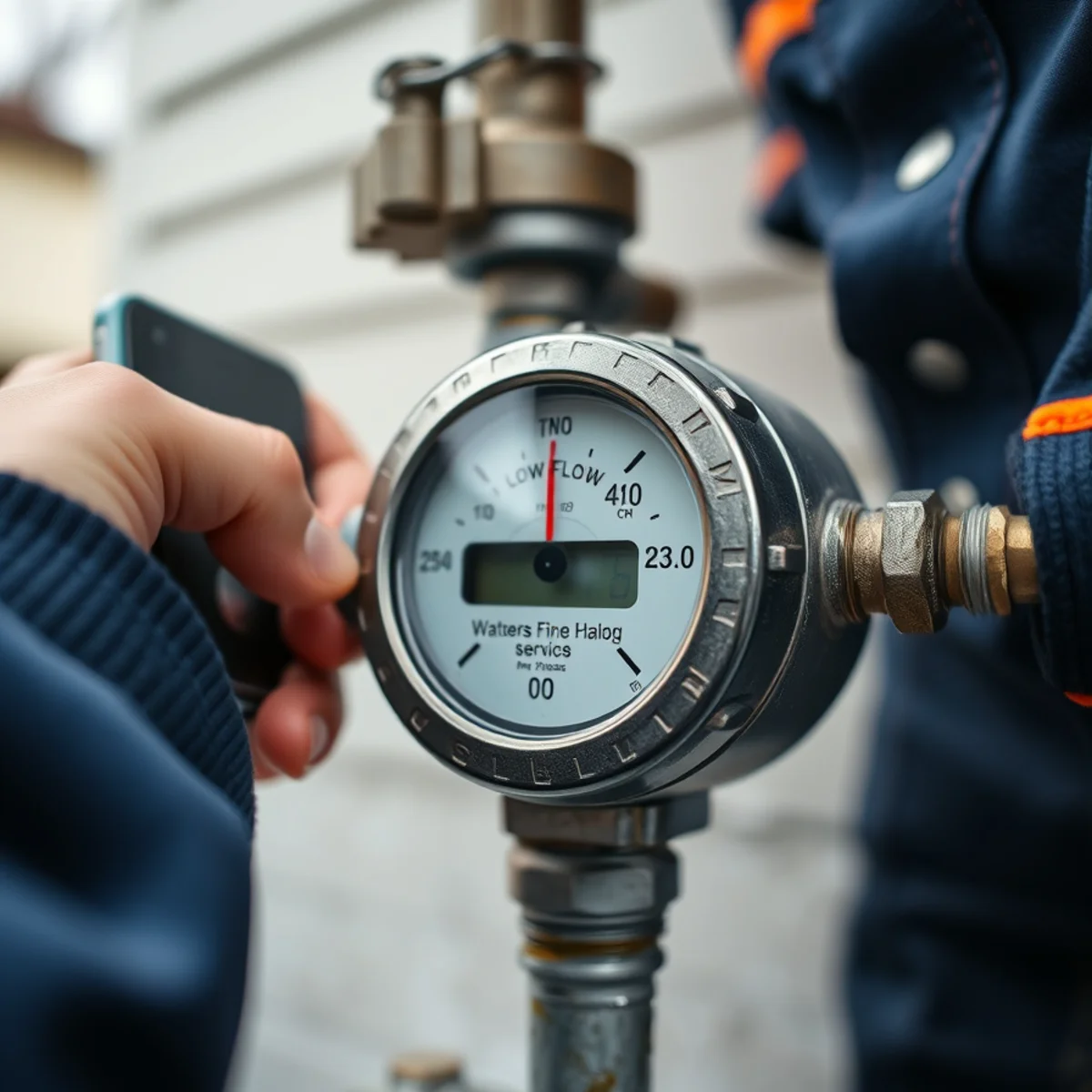
Before anything else, establish whether water is leaving the system. Shut off every fixture and every water-using appliance — ice maker, humidifier, irrigation, everything. Note the meter reading exactly, including the small low-flow indicator, which is often a triangle or a small dial that spins on tiny flows.
Wait thirty minutes using no water at all. Read it again.
No movement means you do not have a leak and the bill has another explanation. Movement means water is escaping, and the next step narrows down where.
The usual suspect: a running toilet
This is the answer more often than everything else combined, and it is nearly silent, which is why it goes unnoticed for months.
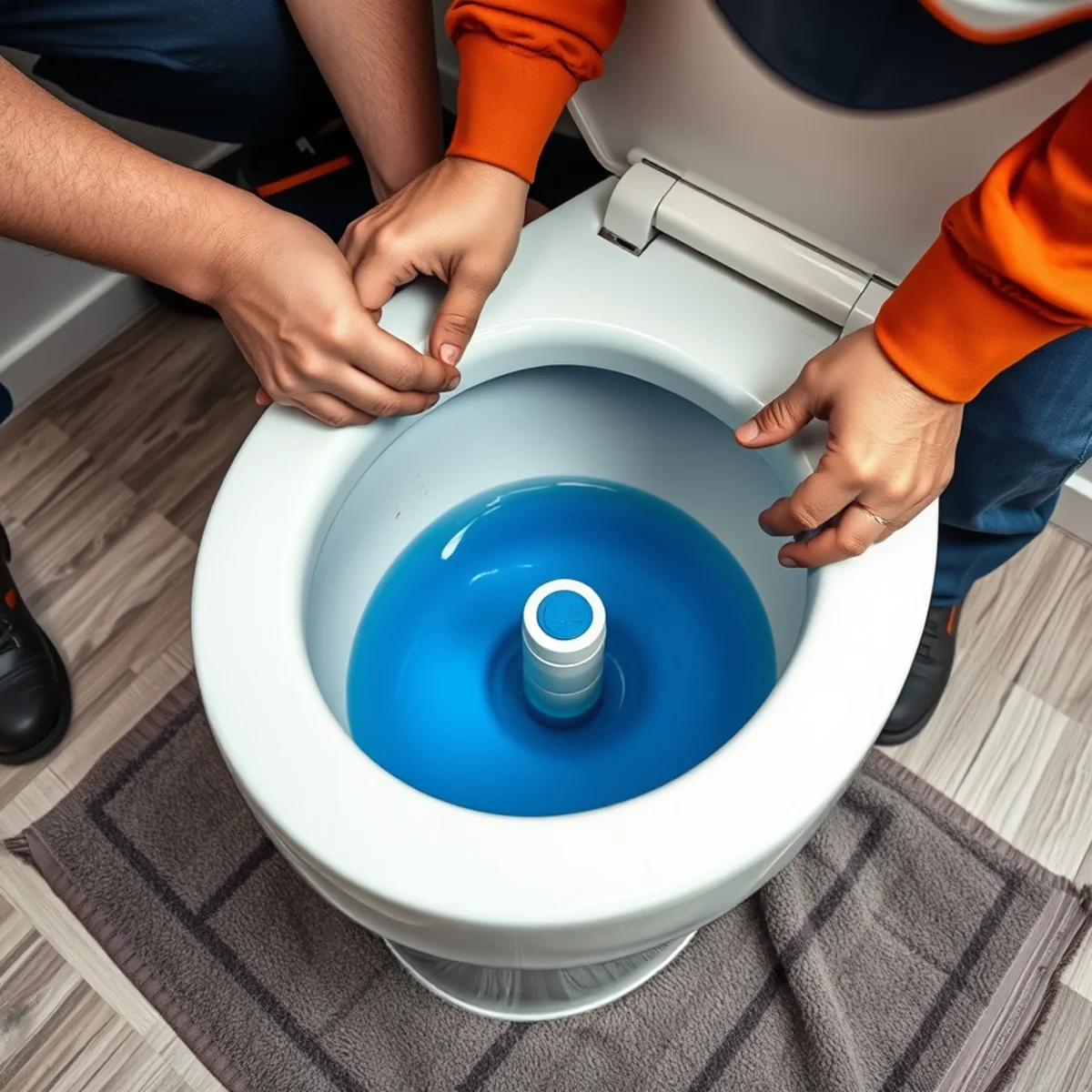
Put a few drops of food colouring in each tank, wait fifteen minutes without flushing, and look in the bowl. Colour in the bowl means the flapper is passing water continuously — twenty-four hours a day, every day, since whenever it started.
The part costs a few dollars. Test every toilet, not just the noisy one. See our guide to toilet repair for what else goes wrong in a tank.
The rest of the checklist
- Dripping taps. Slower than a running toilet and constant. Also wears the valve seat while it drips.
- Outdoor hose bibs and irrigation. A weeping bib, a leaking irrigation valve or a stuck zone can waste enormously and is easy to miss. Check the ground for persistently soft patches.
- Water softener stuck in regeneration. A failed control valve can send treated water continuously to the drain. Listen for the sound of water running at the unit when nothing should be happening.
- Water heater relief valve discharging. Look at the discharge pipe running toward the floor. If it is wet, the valve is releasing, which means excess pressure or temperature and needs diagnosing.
- A hidden supply leak. Warm patches on a slab floor, damp or musty smells, unexplained lush green stripes in the lawn, or the sound of running water when nothing is on. This is the serious one and it needs proper detection rather than guesswork.
Reasons a bill rises without a leak
- Filling a pool, a new irrigation system, or a season of heavy garden watering.
- House guests, a new household member, or a change in routine.
- A rate change or a billing period covering more days than the previous one — worth checking the small print before assuming a plumbing problem.
- A new appliance. Some older dishwashers and washing machines use considerably more than modern ones, and a second fridge with an ice maker adds up.
- A meter reading estimated rather than actual in a previous period, then corrected.
Bringing usage down permanently
- Fix the leaks first. Everything below is marginal compared with a running toilet.
- Aerators and showerheads. Modern low-flow fittings genuinely perform well now. In hard water they also need cleaning — a clogged aerator makes people run taps longer, which is its own small waste.
- Recirculation, if a distant tap takes a minute to run hot. Every wait sends several gallons down the drain. Worth pricing if you are renovating anyway.
- Efficient fixtures during a remodel. A dual-flush or modern low-consumption toilet is a meaningful reduction across a household, and the remodel is when it costs nothing extra to specify.
- Irrigation controls. A rain sensor or a smart controller stops the system running through a downpour, which is a surprisingly common waste.
- Softened water washes better. In hard water people use more detergent and rinse longer. It is a small effect and it is real.
The insurance angle
Most policies cover sudden and accidental water damage while excluding long-term seepage. That distinction is why acting on a bill increase quickly matters financially as well as structurally — a leak that has been running for a year is much harder to claim on than one caught in week two.
Photograph everything before any repair, keep invoices, and call your carrier early. We provide written findings for claims as standard.
And if the meter test says the leak is between the meter and the house, that buried service line is yours in Baltimore County and every jurisdiction we work in. We locate those acoustically rather than by digging, across Catonsville and Columbia and everywhere between. See water line repair for how that works.
Frequently asked questions
How much water can a running toilet actually waste?
Enough to be clearly visible on a quarterly bill. Because it runs continuously and almost silently, households commonly go months without noticing. It is the single most common cause of an unexplained bill increase.
The meter moves but I cannot find anything. What now?
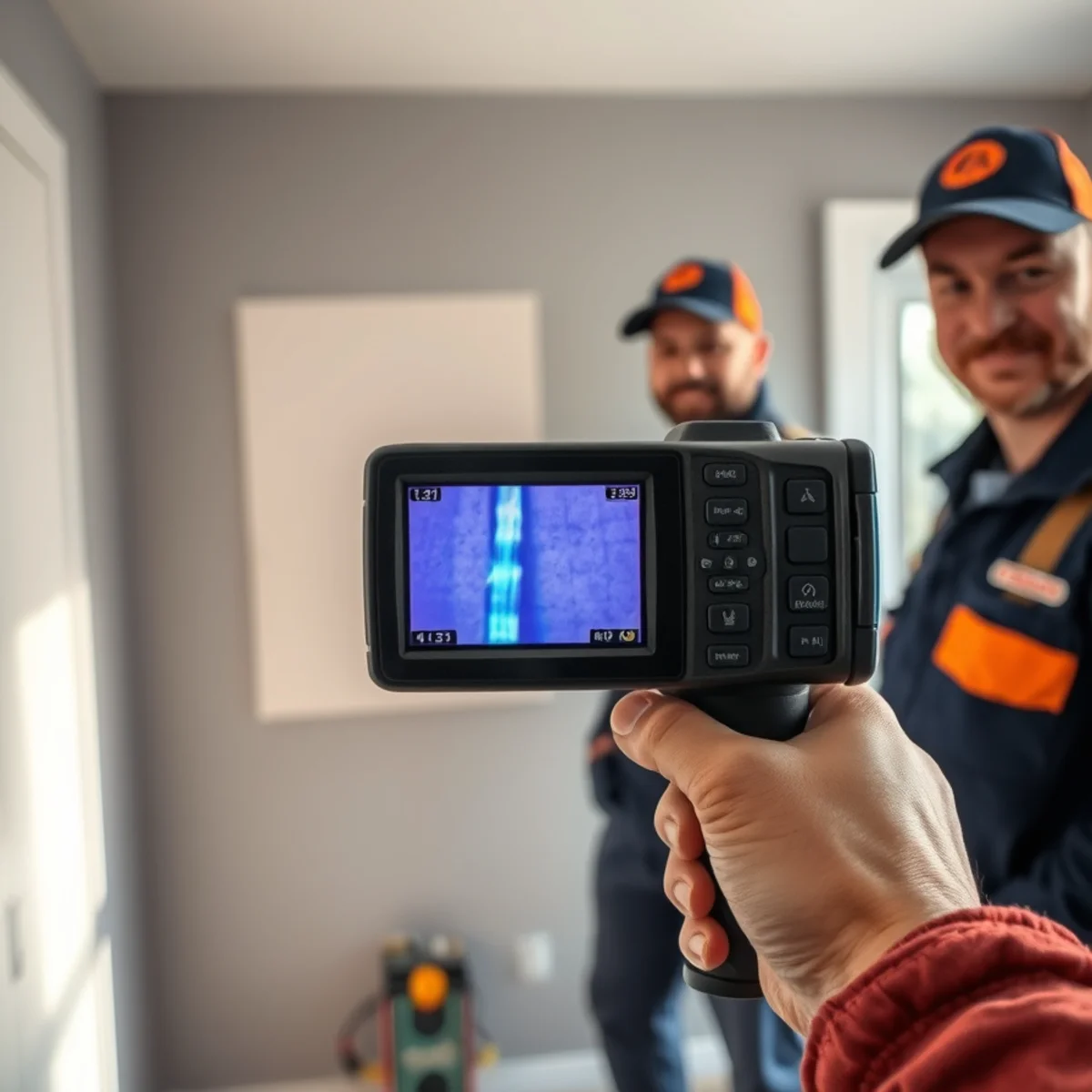
That is exactly when leak detection earns its cost. Acoustic listening equipment and thermal imaging locate leaks through walls, floors and slabs, so the repair means one deliberate opening rather than exploratory demolition.
Will the water utility help me investigate?
Many utilities will check the meter itself for accuracy and some offer a one-time adjustment for a documented leak that has been repaired. It is worth asking. What they will not do is find a leak inside your property — that is on your side of the meter.

Who wrote this
Collins & Sons LLC — Daniel Collins and family
We are a family plumbing business working out of 209 Westowne Rd in Catonsville, and we have been under Maryland houses for over 40 years — three generations of it. Most of what is on this page comes from doing the same jobs repeatedly on the same housing stock: pre-1950 homes off Frederick Road, galvanized supply, cast iron drainage, and water that runs 7–8.2 grains per gallon.
Licensed MHIC #117712 with the Maryland Home Improvement Commission and fully insured. We pull the Baltimore County permits on water heaters, sewer work and gas piping, and we meet the inspector ourselves.