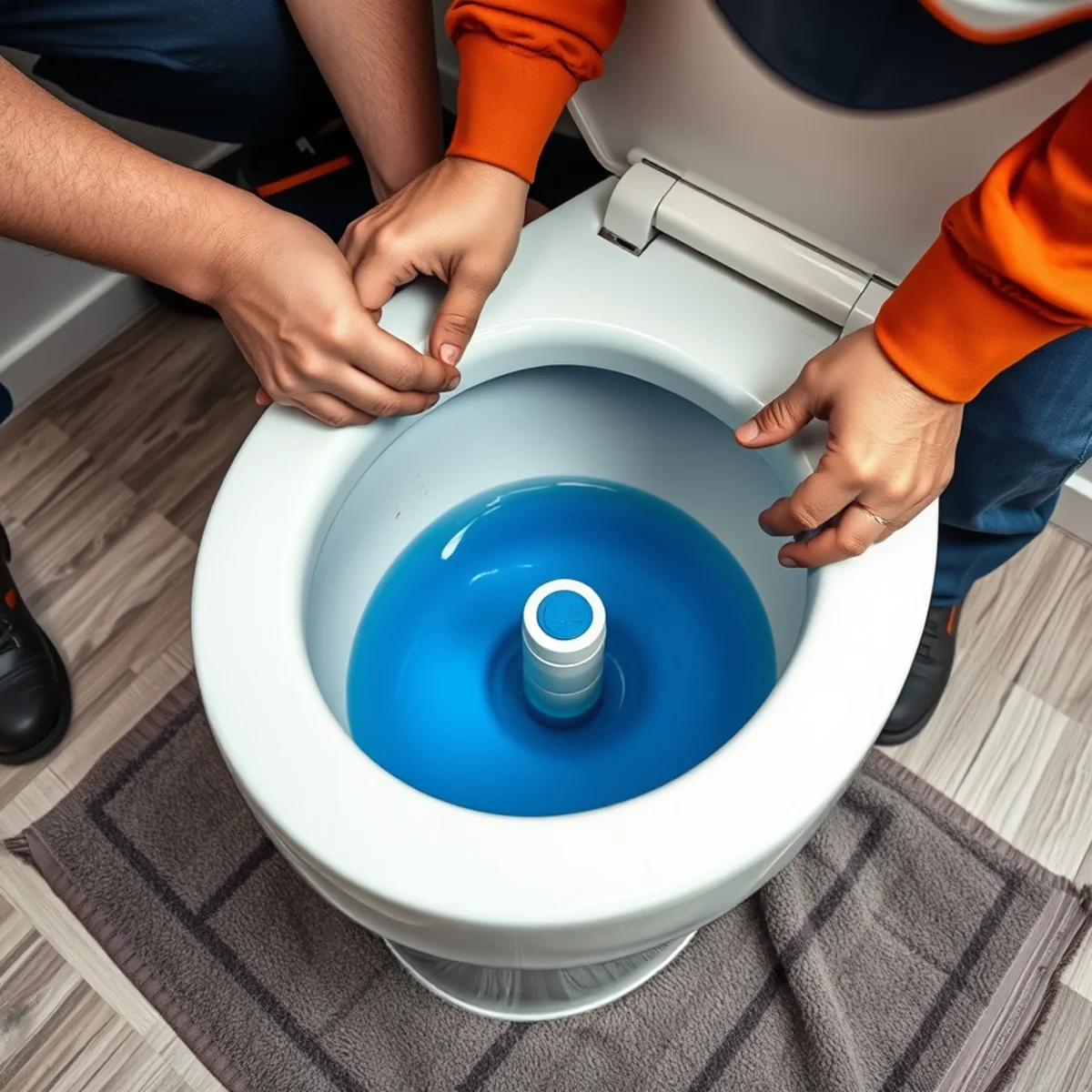
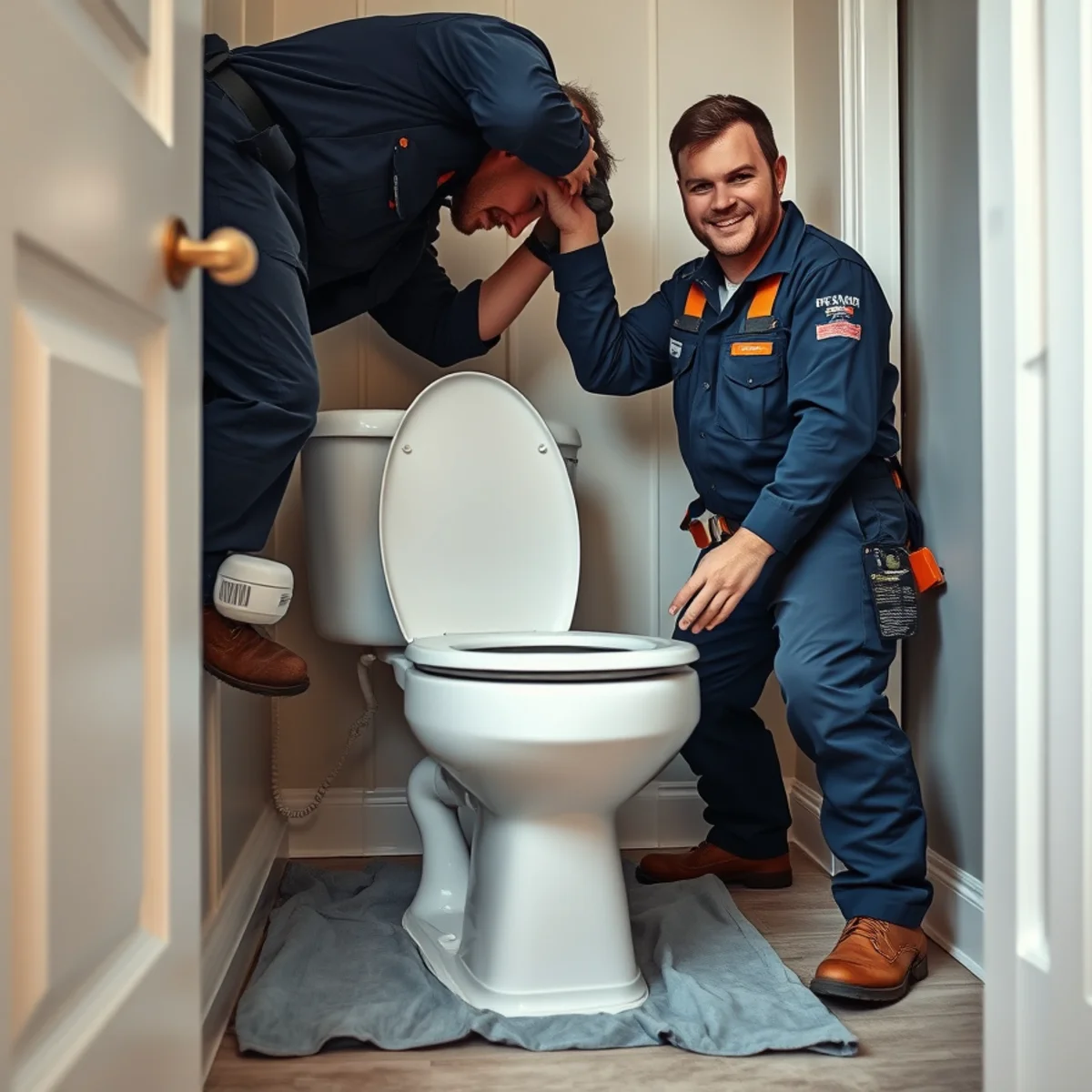
A running toilet is the most expensive small problem in a house. A worn flapper passing water continuously can waste more than most homeowners would believe, and because it makes almost no noise, it usually gets noticed on a water bill rather than in the bathroom. The part costs a few dollars.
The other toilet calls are less subtle. A toilet that rocks when you sit on it is sitting on a compromised flange or a soft subfloor. One that needs a second flush every time either has a partially blocked trap or an inadequate rough-in. And one that has been slowly leaking at the base has probably been rotting the floor beneath it for a while.
We fix all of them, usually the same day. In older Catonsville bathrooms there is one extra wrinkle worth knowing about: the rough-in dimension is not always the twelve inches every modern toilet is built for, and the flange is often iron that has corroded down to almost nothing. That is why a "simple toilet swap" sometimes turns into a proper repair — and why we look before we quote.
Signs you need toilet repair & installation
- Water running into the bowl continuously or cycling on its own
- A toilet that needs two flushes, or flushes weakly
- Rocking or movement when you sit down
- Water seeping at the base, or a persistent damp ring on the floor
- A soft, spongy or discolored floor around the toilet
- Sewer odor near the toilet even after cleaning
- Repeated clogs in the same toilet
- A cracked tank or bowl, or a tank that sweats heavily
Put a few drops of food coloring in the tank and wait fifteen minutes without flushing. If color appears in the bowl, the flapper is passing water and you are paying for it every hour of every day.
What the job includes
Running toilet and internal repairs
Flappers, fill valves, flush valves, chains and handles. Quick, inexpensive, and the fastest payback of anything we do.
Clog clearing and repeat-clog diagnosis
Augering the trap for a one-off blockage — and if it is the same toilet repeatedly, looking further downstream, because a toilet that clogs monthly is usually reporting a drain problem.
Wax ring and flange repair
A leaking base means a failed seal, and often a flange that has corroded or a subfloor that has softened. We repair the structure rather than stacking wax rings and hoping.
Toilet replacement
Removing the old unit, correcting the flange and floor, and setting a new toilet properly level and sealed. We measure the rough-in first — in older Catonsville bathrooms it is frequently not twelve inches.
Comfort-height and accessibility upgrades
Taller bowls, elongated shapes, and pressure-assist units for households that need them, matched to the existing rough where possible.
Basement and below-grade toilets
Where the bathroom sits below the sewer line, an upflush or ejector system is required. Different equipment, different maintenance, and worth doing right.
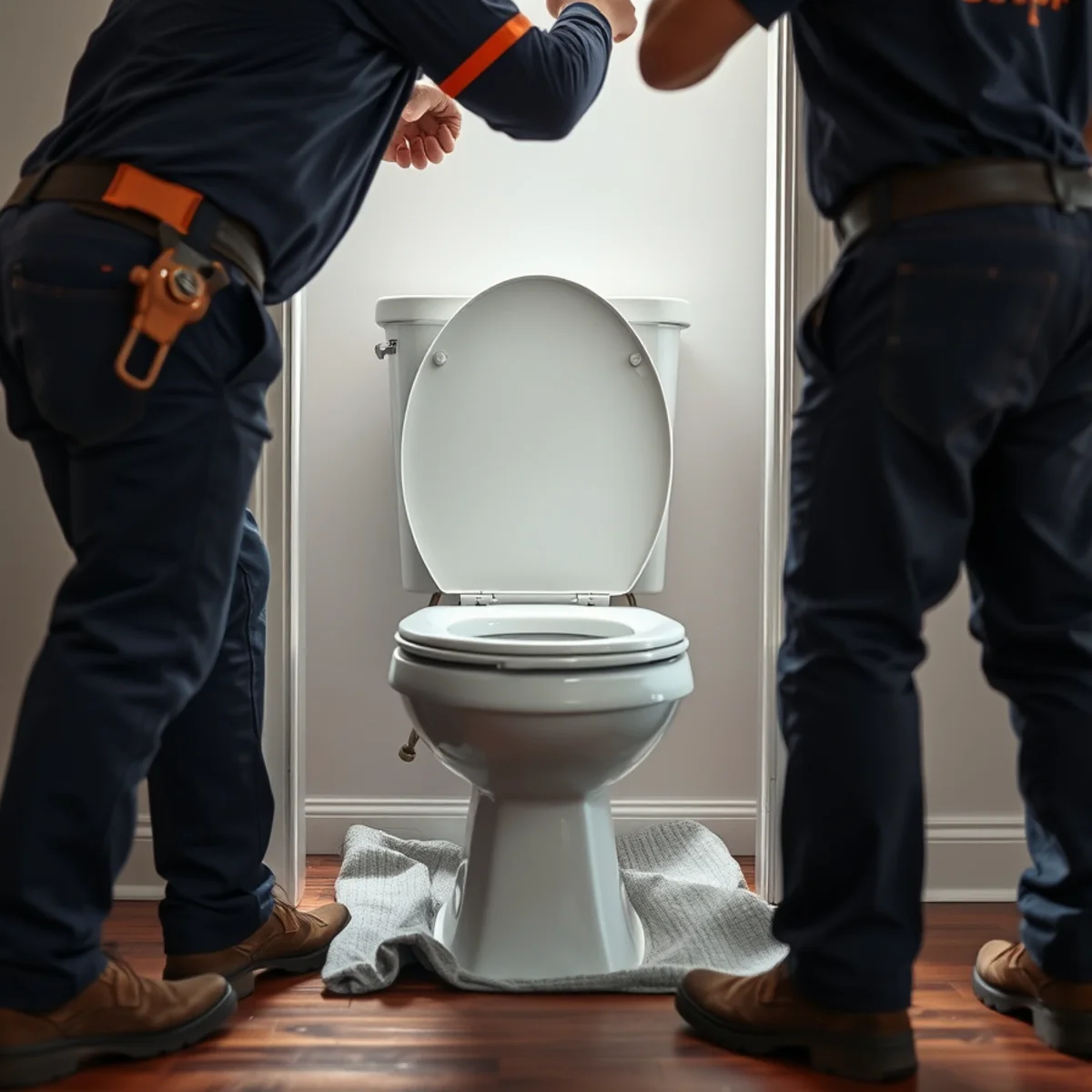
How we work
1. Diagnose the actual failure
Tank internals, bowl siphon, flange, floor and downstream drain are five different problems that look similar from a distance. We check them in order.
2. Repair first where repair is honest
A quality toilet with a failed fill valve deserves a fill valve, not a sales pitch. We will tell you when the fixture itself is genuinely finished.
3. Measure before replacing
Rough-in distance, supply position, floor condition and flange height all get checked before a new unit is ordered. This is where most rushed toilet swaps go wrong.
4. Repair the flange and floor properly
A corroded flange gets repaired or replaced, and soft subfloor gets addressed. Setting a new toilet on a bad flange guarantees you will see us again.
5. Set, seal, test and clean
Level, sealed, secured without over-tightening, new supply line and shutoff, and flushed repeatedly under watch. Old unit hauled away and the floor left clean.
What drives the price
We do not publish fake prices, because a number that does not match your house is worse than no number at all. What we can do is tell you exactly what moves the figure, so nothing on the estimate is a surprise.
Repair or replace
Internal parts are inexpensive. A new fixture with flange and floor repair is a bigger job, and the difference is usually determined by the condition of the flange, not the toilet.
Flange and subfloor condition
This is the variable that turns an hour into half a day. A cast iron flange that has corroded away, or a subfloor that has gone soft from a long slow leak, has to be repaired before anything is set on it.
Rough-in and fixture selection
A ten-inch or fourteen-inch rough limits fixture choice and may require an offset flange. Wall-hung and pressure-assist units cost more to install.
Location
A first-floor bathroom over an accessible basement is straightforward. A third-floor bathroom in a narrow rowhome with a tight stair is more labor to get the old one out and the new one in.
Below-grade systems
Upflush and ejector installations involve pumps, sealed basins and venting and are a substantially larger job than a standard set.
What this looks like in Catonsville
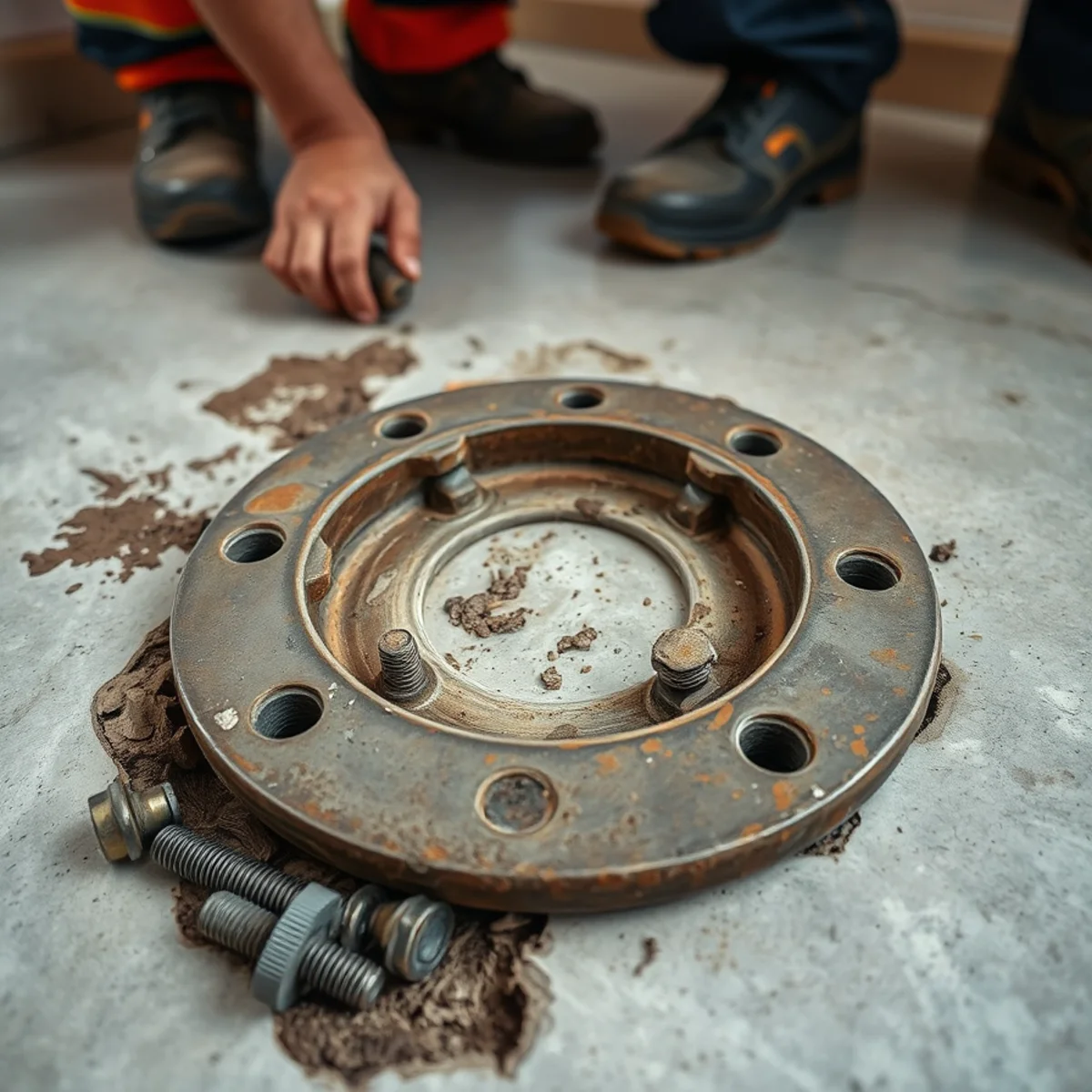
The non-standard rough-in is the recurring Catonsville surprise. Twelve inches from the finished wall to the flange bolts is the modern default, but plenty of pre-war bathrooms here were built at ten or fourteen. Homeowners buy a toilet at a big-box store, get it home, and discover it does not fit. We measure first, every time.
Cast iron closet flanges are the other one. In houses with original cast iron drainage the flange is iron, and after seventy or eighty years of moisture it can corrode to the point where the bolt slots have simply gone. That is why the toilet rocks. A repair ring or a proper flange replacement is the fix; stacking a second wax ring under a rocking toilet is not, and it is what we most often find when we pull one.
Older homes also have narrow, tight bathrooms — particularly in the rowhome-style and streetcar-era properties near Frederick Road and along Winters Lane. Elongated bowls that are standard elsewhere sometimes simply do not fit in front of the door swing, and we will tell you before you order.
Finally, hard water. The scale that builds up under the rim jets and in the siphon passage of a Catonsville toilet genuinely does weaken the flush over the years. A toilet that "never flushes right anymore" is sometimes not a defective fixture at all — it is a decade of mineral deposit in passages that were never designed to be cleaned.
Toilet Repair & Installation questions we get asked
How much water does a running toilet actually waste?
Enough to show up clearly on a quarterly bill. A flapper passing continuously runs constantly, day and night, and because it is nearly silent people go months without noticing. The dye test takes fifteen minutes and the part is a few dollars — it is the highest-return check in the house.
Why does my toilet rock?
Either the flange has corroded or broken, the closet bolts have lost their grip, or the subfloor beneath has softened from a slow leak. Shimming it hides the symptom. In an older Catonsville home with a cast iron flange, rocking usually means the flange itself needs repair.
Can I install a toilet myself?
A straightforward swap onto a sound flange is within reach for a confident homeowner. The reason we get called is what is underneath — flange condition, subfloor rot and an unexpected rough-in dimension. If you have started one and hit a surprise, we are glad to finish it.
My toilet clogs constantly. Is it the toilet or the drain?
If it is one toilet and other fixtures are fine, suspect the fixture or its trap. If other drains are slow too, the problem is downstream and clearing the toilet will not help for long. We check both rather than guessing.