Every plumber has a version of this list and most of them are the same. What is worth adding here is why the rules are stricter in an older house — because on a scaled cast iron wall, things catch that would pass straight through smooth new PVC.
This is free advice and it prevents most of the drain calls we take.
The toilet: only three things
Human waste, toilet paper, and water. That is the entire list, and everything below is a variation on why.
Wipes — including the "flushable" ones
This is the biggest single change in what we pull out of drains over the last decade. Flushable wipes flush. That is the only claim being made, and it is true — they leave the bowl.
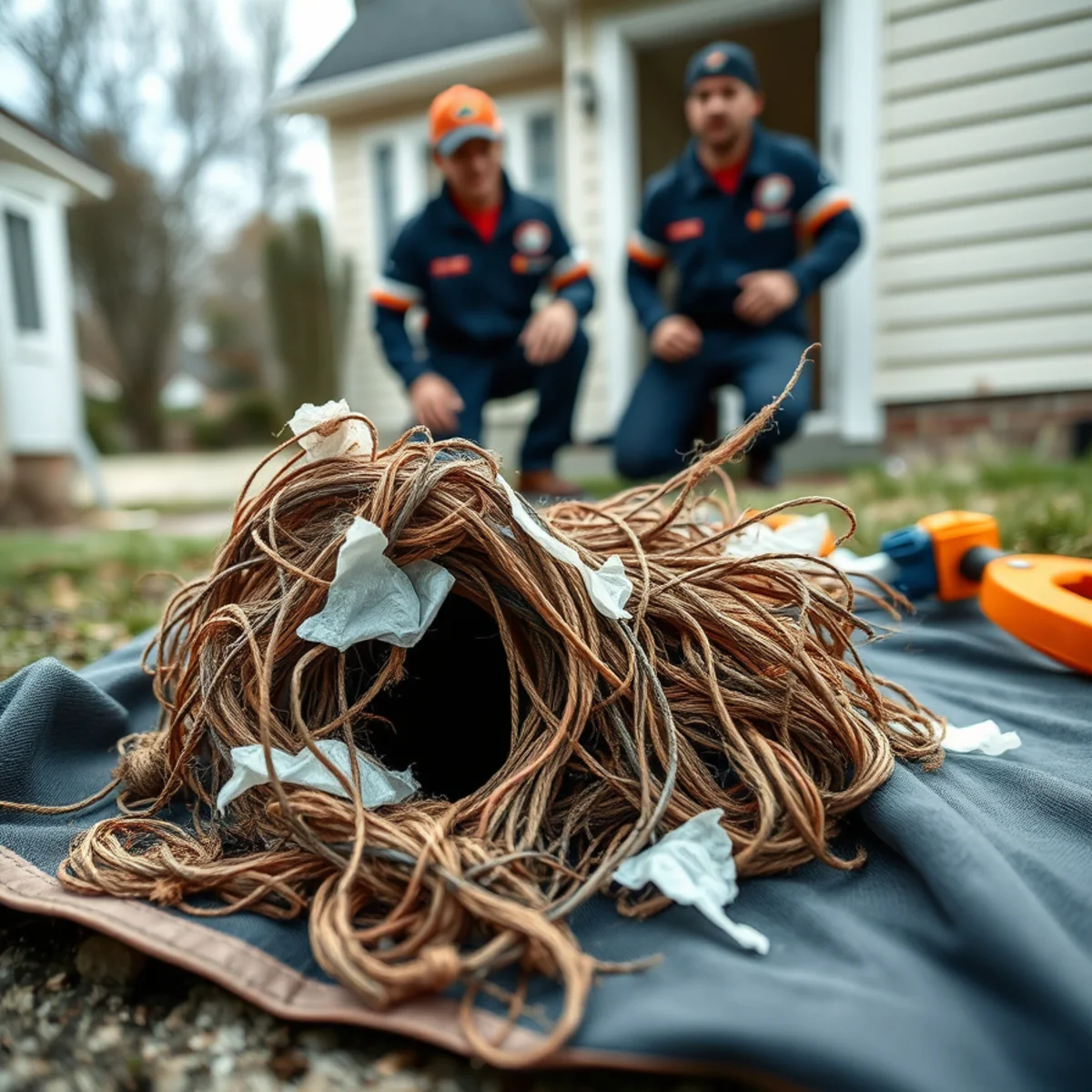
What they do not do is disperse. Toilet paper breaks apart in seconds; wipes stay intact for a very long time, and they snag on anything rough. On a scaled cast iron line, on a root at a joint, on the lip of an offset — they catch, they collect, and they build a mat that stops everything behind it.
Everything else that gets flushed
- Paper towels and tissues — engineered not to fall apart when wet, which is the opposite of what you want.
- Cotton buds, cotton wool, dental floss. Floss in particular acts as a net that catches other things.
- Feminine hygiene products, nappies, cat litter — including litter marketed as flushable.
- Medication. It does not belong in the water supply and there are pharmacy take-back schemes for it.
- Hair from a brush. It binds to everything.
The kitchen sink: grease is the whole story
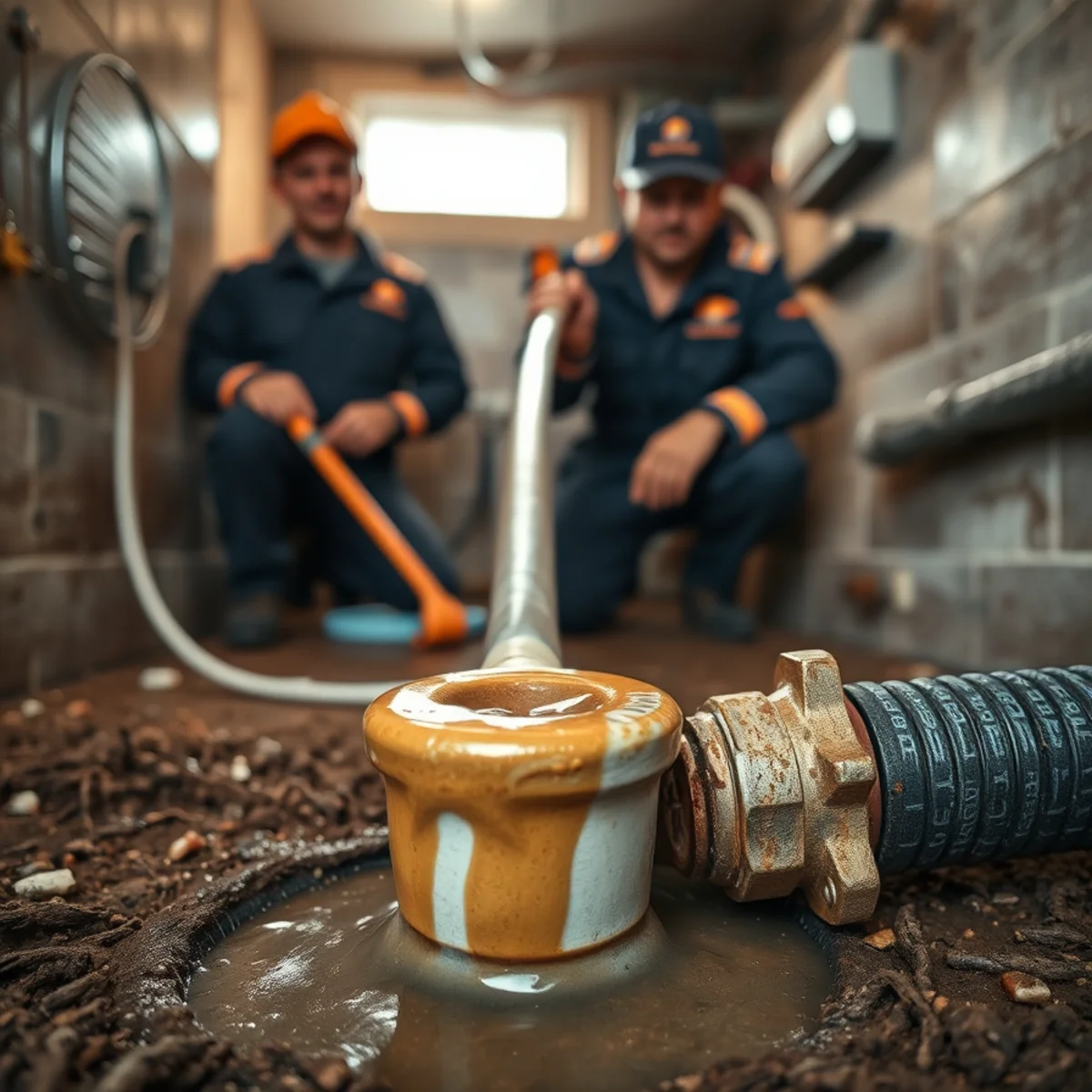
Grease goes down warm and liquid. A few feet along the horizontal run it cools and solidifies. In smooth new PVC it struggles to get a grip and much of it keeps moving. On a rough, mineral-scaled cast iron wall it adheres readily, and every subsequent wash adds a layer.
A kitchen line in a fifty-year-old house can carry a substantial shelf of accumulated grease that no amount of hot water and dish soap will move. That is the single most common cause of the annual kitchen backup in Catonsville and every other older neighbourhood we work in.
- Bacon fat, roasting drippings, frying oil — into a can, let it set, into the bin.
- Wipe greasy pans with a paper towel before washing. What goes in the bin cannot go in the pipe.
- Salad dressing, mayonnaise, dairy and gravy count as grease too.
- Butter and cooking oils solidify further down the line, not in the sink.
The garbage disposal is not a bin with a motor
A disposal is designed for incidental food waste that escapes a plate scrape. Treating it as primary waste disposal is how kitchen lines end up in the state we find them.
- Coffee grounds and eggshells form a dense sludge that settles in horizontal runs and gives grease something to bind to.
- Pasta, rice and potato peel swell and are exactly what a grease shelf catches.
- Fibrous vegetables — celery, corn husks, onion skins — wrap around the impellers.
- Bones and fruit pits. The motor will lose.
- Run cold water, not hot, while it is running. Cold keeps fats solid so they get ground and flushed rather than melting and coating the pipe downstream.
- Run the tap for twenty seconds after it stops, to move waste well past the trap arm.
The bathroom sink, tub and shower
Hair binding to soap scum is the mechanism behind almost every slow bathroom drain. Catching the hair breaks the chain, and a basket strainer or hair catcher costs a couple of dollars.
Worth knowing locally: hard water makes soap scum heavier and stickier than it would be in a soft-water town, which is one of the quieter arguments for water treatment — households on softened water genuinely do clog less often.
- Use strainers in tubs and showers and empty them into the bin.
- Keep bath salts, clay masks and anything that sets out of the drain.
- Do not rinse paint, joint compound or grout down a sink. They set exactly as designed to.
- Cat litter and plaster of Paris both harden in a trap.
And the one that damages the pipe itself
Caustic drain cleaner. It sits on top of a blockage rather than passing through it, generates heat, and attacks the pipe. In aging cast iron and old traps that can turn a clog into a leak, and it makes the line genuinely hazardous for whoever opens it next.
If a drain is blocked, boiling water and a plunger are safe first moves. Enzyme treatments are safe as maintenance on a line that is already clean. Past that, call somebody with a camera rather than pouring something in.
If you follow all this and it still blocks
Then the problem is the pipe rather than what is going into it. A blockage that returns within a year is a pipe condition presenting as a clog — scale, a grease shelf, a belly, root intrusion or a defect.
At that point another clearing buys months. A camera inspection answers it once and costs less than the third clearing. Households across Halethorpe and the older Baltimore County streets hit this point regularly, and it is almost always cheaper to look than to keep clearing.
Frequently asked questions
Are flushable wipes really a problem?
Yes, and it is the clearest change in what we pull out of drains over the last ten years. They flush but they do not disperse, so they snag on anything rough inside a pipe and build a mat. In an older house with scaled cast iron there is plenty for them to snag on.
Is it safe to pour boiling water down a drain?
Into a metal or PVC drain, generally yes, and it can help with light grease. Be careful with a porcelain sink or an older trap, and never use it as a substitute for dealing with a genuine blockage.
Do enzyme drain treatments work?
They are far safer than caustic cleaners and can help maintain a line that has already been properly cleaned. They will not clear an existing blockage or remove an established grease shelf. Think maintenance, not repair.

Who wrote this
Collins & Sons LLC — Daniel Collins and family
We are a family plumbing business working out of 209 Westowne Rd in Catonsville, and we have been under Maryland houses for over 40 years — three generations of it. Most of what is on this page comes from doing the same jobs repeatedly on the same housing stock: pre-1950 homes off Frederick Road, galvanized supply, cast iron drainage, and water that runs 7–8.2 grains per gallon.
Licensed MHIC #117712 with the Maryland Home Improvement Commission and fully insured. We pull the Baltimore County permits on water heaters, sewer work and gas piping, and we meet the inspector ourselves.