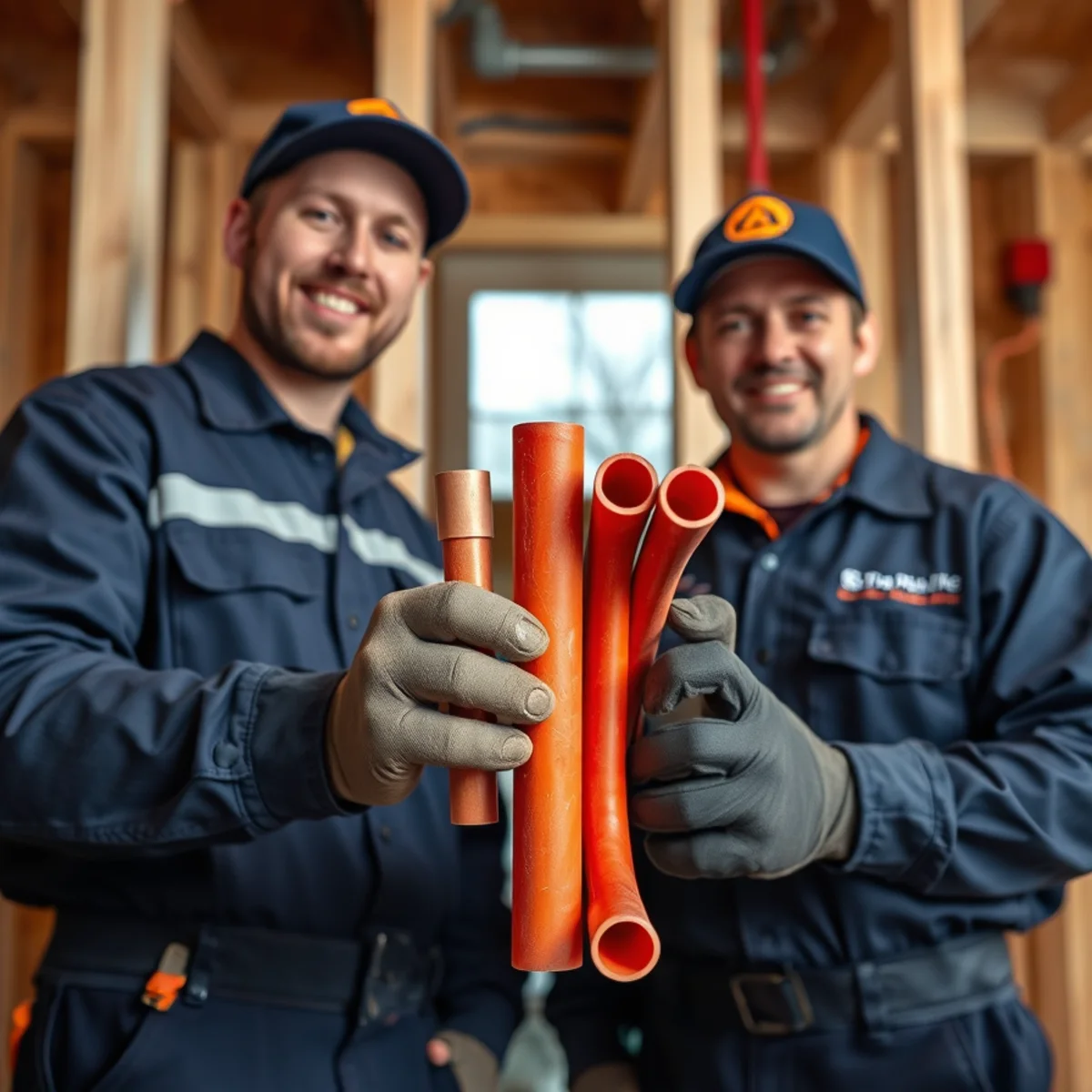
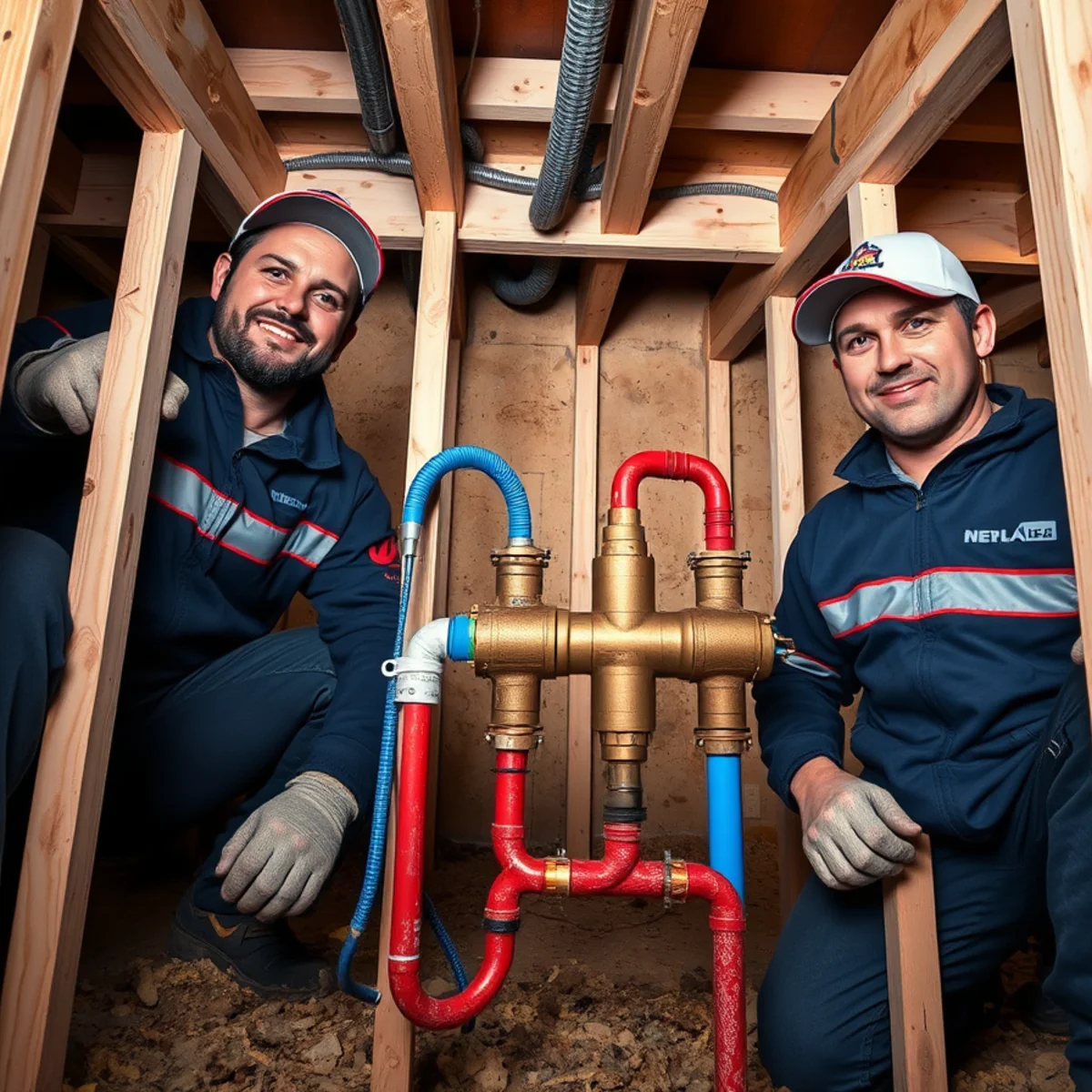
There is a moment in the life of an older house when patching stops making sense. Usually it arrives as the second leak in eighteen months, in a different room from the first. That is the house telling you the problem is not a bad fitting — it is the age and condition of the entire supply system.
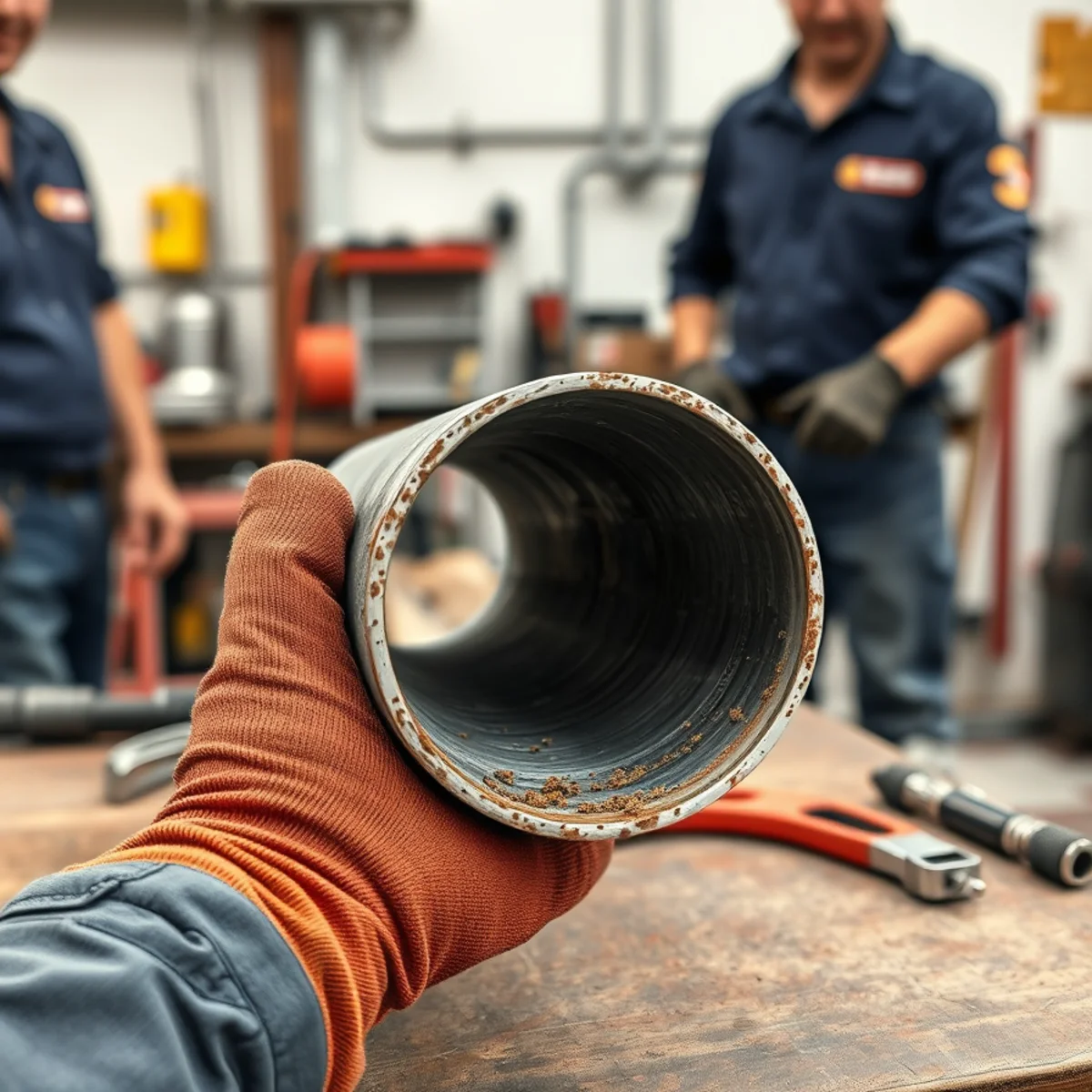
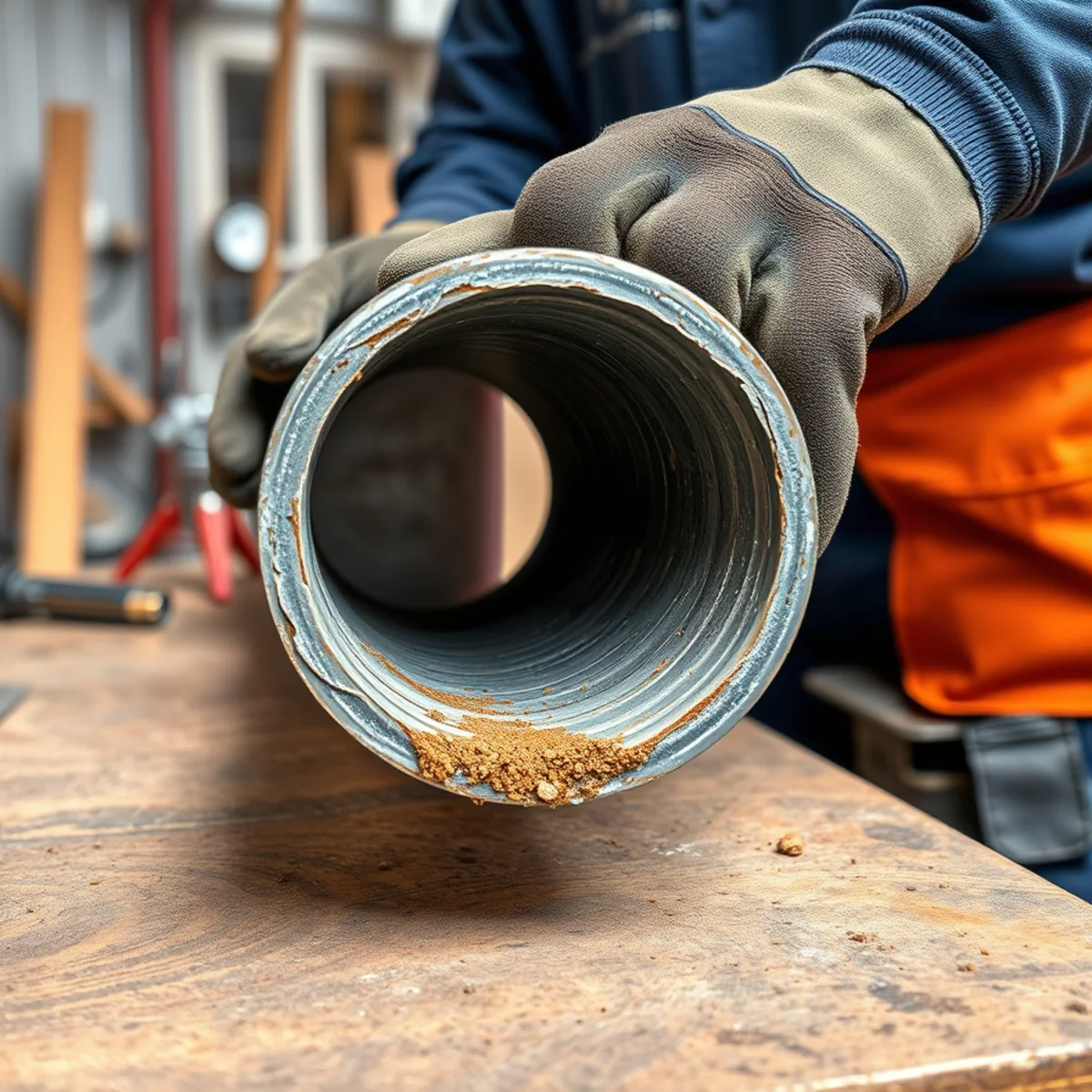
In Catonsville that conversation usually involves galvanized steel. It was excellent pipe when it went in, and by the 1930s and 40s it was in most of the housing stock here. But galvanized corrodes from the inside out. The zinc coating wears away, iron oxidizes, and the bore fills with rust nodules that restrict flow, discolor the water and eventually breach the wall of the pipe.
Repiping is a big job and we do not recommend it lightly. But done properly it is a once-in-a-lifetime fix that restores full pressure to every fixture, ends the leak-a-year cycle, and removes any lead-solder joints from the drinking water path. We plan it around your life, do it in the least destructive sequence available, and leave the walls ready for a patch and paint rather than a rebuild.
Signs you need whole-house repiping
- Water pressure that has dropped steadily over the years across the whole house
- Rusty or brown water, especially at first use in the morning
- More than one leak in different areas within a couple of years
- Visible corrosion, flaking or bulging on exposed pipe in the basement
- Pressure that collapses when a second fixture is opened
- Known galvanized supply piping in a house built before about 1960
- Repeated pinhole leaks in a copper system installed decades ago
- A pre-1986 home where lead solder at joints is a concern
Cut a section of your basement supply line and look at the inside. In a badly corroded galvanized system a three-quarter-inch pipe can have less than a quarter inch of open bore left. Photographs of that cut convince people faster than anything we can say.
What the job includes
Full supply repipe
Every hot and cold supply line from the main shutoff to each fixture, replaced in one coordinated project with new shutoffs at every fixture.
Phased or partial repiping
Not everyone can do the whole house at once. We can repipe the basement trunk lines and risers first — which is where most of the flow restriction lives — then complete branches later, on a plan that does not waste the earlier work.
PEX repiping
Flexible, freeze-tolerant and routable through existing cavities with far fewer wall openings. Fewer joints means fewer failure points. For most Catonsville homes this is the sensible modern choice.
Copper repiping
Rigid, long-established and still the right call for exposed runs, certain historic renovations, and homeowners who simply prefer it. Costs more in material and labor, and we are happy to price both.
Drain, waste and vent replacement
Supply is only half the system. Cracked cast iron stacks, undersized venting and improvised drainage from past renovations often need attention at the same time — and doing it while walls are open saves real money.
Lead-free component replacement
New valves, supply lines and fixture connections certified lead-free, which matters most in homes built before 1986.
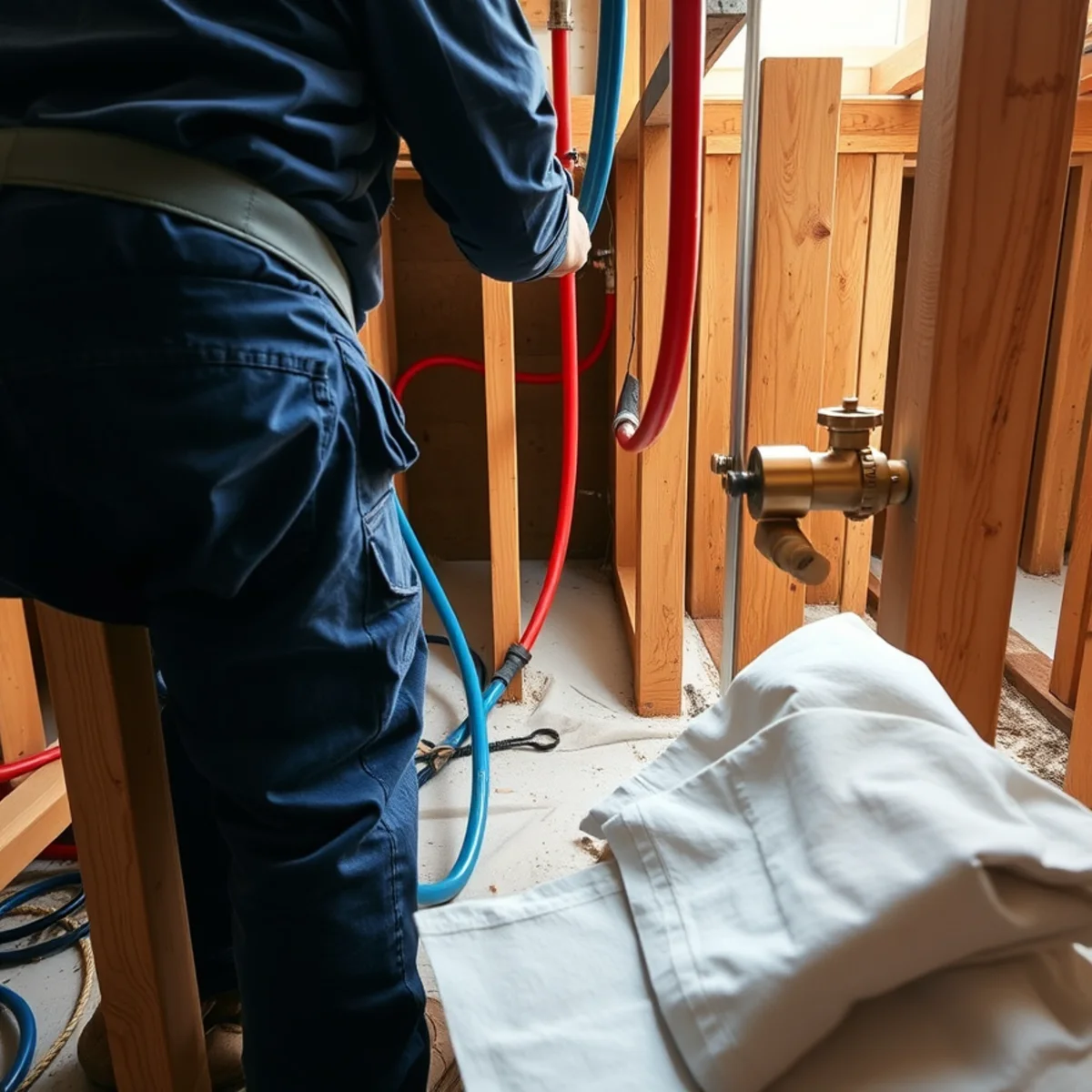
How we work
1. Survey the whole system
We map every run, identify materials, check pressure at multiple points and look for previous partial repairs. Half-repiped houses are common and change the plan considerably.
2. Design the route
The goal is full flow with the fewest openings. Basements, closets, chases and attic space usually give us most of what we need. We mark every planned opening on the walls before we start so there are no surprises.
3. Fixed written scope and schedule
You get the material, the route, the number of openings, the daily schedule and the water-off windows in writing. Most Catonsville repipes run a few days, and you will have water at the end of each one.
4. Install, pressure test, inspect
New lines run, tested under pressure, and inspected under permit. Nothing gets closed up before it has held pressure and passed.
5. Close up and clean up
We patch openings back to a paint-ready surface. Plaster restoration and tile matching in historic rooms is specialist work and we tell you clearly what is in scope. Then we clean — properly. That is not optional at our company.
What drives the price
We do not publish fake prices, because a number that does not match your house is worse than no number at all. What we can do is tell you exactly what moves the figure, so nothing on the estimate is a surprise.
Size of the house and fixture count
Bathrooms drive the number more than square footage. Three bathrooms on two floors is a bigger job than a large single-story with one.
Material choice
PEX generally installs faster with fewer openings and costs less. Copper costs more in both material and labor. Both are excellent when installed correctly; we quote both so the decision is yours.
Access and finish
A full unfinished basement and an accessible attic make a repipe dramatically easier. Plaster-and-lath walls, tiled bathrooms and finished ceilings on every floor make it harder, and we account for that honestly rather than discovering it mid-project.
Scope beyond supply
Drain and vent replacement, a new water service line, or fixture upgrades bundled into the same project all add cost — and all cost less done together than done separately later.
Restoration expectations
Patching to paint-ready is standard. Full plaster restoration, historic tile matching and painting are separate trades, and we will tell you before you sign rather than after.
What this looks like in Catonsville
Catonsville has one of the higher concentrations of pre-1950 housing in Baltimore County, which means galvanized supply piping is not a rare find here — it is the default assumption until proven otherwise in the older neighborhoods. Along Frederick Road, through Paradise and Westchester, and on the older Winters Lane blocks, we open basements and find original steel more often than not.
What makes it tricky is that many of these houses have been partially repiped already, sometimes more than once. A 1975 copper branch to a remodeled bathroom, a 1998 PEX run to a kitchen addition, and 1938 galvanized everywhere else. Mixed metals in direct contact accelerate corrosion at the junctions, so those transition points are frequently where the leaks show up.
Our hard water compounds it. Scale builds inside any pipe, but in an already-narrowed galvanized line the effect on flow is dramatic. Homeowners who repipe often tell us the pressure improvement is more noticeable than they expected, because they had adjusted to the decline over twenty years without registering it.
Finally, plaster. Many Catonsville homes have plaster and lath rather than drywall, and it does not cut, patch or accept a repair the way drywall does. That is one of the biggest arguments for PEX here — the flexibility lets us route through fewer cavities and open fewer historic walls.
Whole-House Repiping questions we get asked
How long does a whole-house repipe take?
Most Catonsville homes take two to five working days depending on size, access and material. You will have working water at the end of each day — we do not leave a family without water overnight.
PEX or copper — which should I choose?
For most homes here, PEX. It is freeze-tolerant, routes through existing cavities with far fewer wall openings, and has fewer joints to fail. Copper still earns its place on exposed runs and in certain historic renovations. Both are code-approved and both will outlive your galvanized. We price both.
Will you destroy my walls?
No. We plan the route to minimize openings, mark every one before we cut, and patch back to a paint-ready surface. On a plaster-and-lath house we are especially careful, because those walls do not forgive.
Can I repipe in stages to spread the cost?
Yes, and for some households that is genuinely the right approach. We usually start with the basement trunk lines and risers, because that is where most of the pressure restriction lives, then complete branch runs on a later phase. We plan it so nothing done in phase one gets torn out in phase two.
Does repiping remove lead from my water?
Repiping replaces internal piping and joints, which addresses lead solder in a pre-1986 house. It does not by itself address the buried service line between the meter and the house — that is a separate item we would identify and quote alongside.