
Catonsville has some of the best older housing stock in Baltimore County — streetcar-era homes along Frederick Road, solid pre-war construction through Paradise and Westchester, Victorian and colonial detail that nobody builds anymore. These houses are worth keeping, and their plumbing is usually the oldest thing in them that still has a job to do.
Working on them is genuinely a different discipline. A modern house has predictable rough-in dimensions, uniform pipe materials and drywall you can cut and patch in an afternoon. A 1928 house has ten-inch toilet roughs, galvanized supply feeding copper feeding PEX from three different renovations, cast iron stacks buried in plaster-and-lath walls, and a floor plan that has been modified twice.
We have been doing this for more than forty years. That means we know when a wall can be opened easily and when it cannot, how to get a modern pressure-balancing valve behind original tile, and when the honest answer is that a section of pipe needs to come out rather than be patched again. The goal is always the same: a house that works like a modern one and still looks like itself.
Signs you need historic home plumbing
- The house was built before 1960 and has never been fully repiped
- Water pressure has fallen gradually over years, everywhere
- Rusty or brown water at first draw in the morning
- Slow drains throughout despite repeated cleaning
- Sewer gas odor from a rarely used fixture — usually a venting or dried-trap issue
- Visible corrosion, patched sections or mixed pipe materials in the basement
- Cracked or weeping cast iron stack in a wall or basement
- You are renovating and want to know what is behind the plaster before you commit
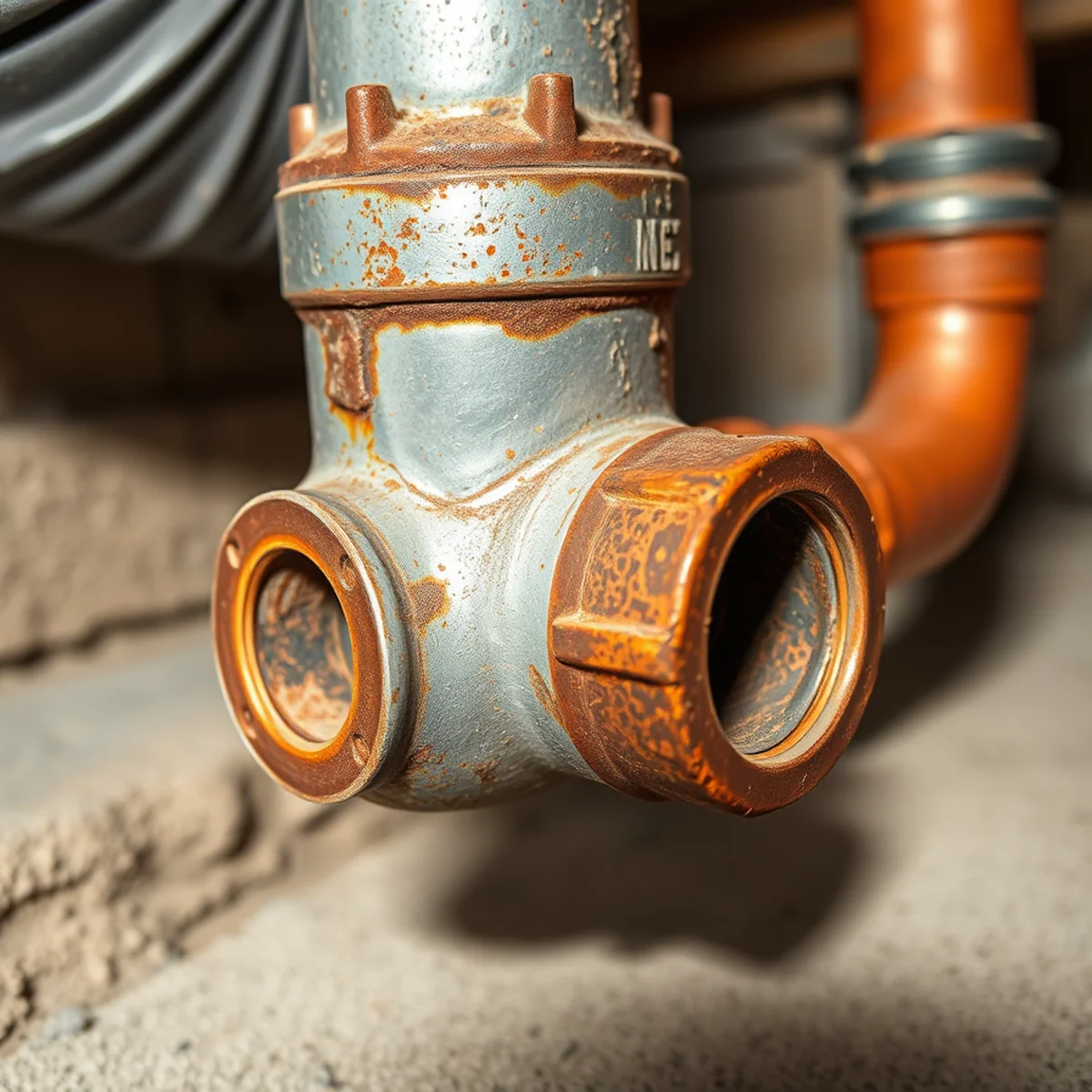
Mixed metals are the tell. Where galvanized meets copper without a dielectric fitting, corrosion accelerates at the junction — and in a house that has been renovated in pieces, those junctions are everywhere.
What the job includes
Whole-house assessment for older homes
A systematic survey of supply material and condition, drainage material, venting, water pressure, and previous partial work. You get a written picture of what you actually own and a sensible order to address it in.
Galvanized supply replacement
Staged or complete, routed to minimize openings in plaster-and-lath walls. Old houses tolerate PEX routing far better than they tolerate demolition.
Cast iron stack repair and replacement
Cracked, weeping or badly scaled stacks replaced in PVC with proper transitions and support, including the tight vertical chases these houses like to hide them in.
Venting corrections
Bathrooms added into closets, attic conversions and rear additions were often drained without proper venting. That is why they gurgle, drain slowly and smell. We correct it to code.
Period-appropriate fixture work
Sourcing, adapting and installing fixtures that suit the house, and adapting modern valves to fit original rough-ins and tile where the layout allows.
Lead-solder and legacy material replacement
In pre-1986 homes we identify lead solder joints and legacy supply components and replace them with certified lead-free equivalents.
How we work
1. Read the house first
Before quoting anything we look at the basement, the accessible runs, the fixture roughs, and the evidence of past work. Old houses tell you their renovation history if you look at the pipe.
2. Prioritize by risk, not by sales value
A cracked stack that is wetting a joist matters more than a slightly slow lavatory. We put the list in order of what will actually cost you money and let you work down it at your pace.
3. Plan routes around the house, not through it
Chases, closets, basements and attics before finished walls. Every opening we do not make is a plaster repair you do not pay for.
4. Work carefully and slowly where it counts
Old cast iron is brittle and old plaster does not forgive. Cutting near either is done with a light hand and the right tool, not with speed.
5. Leave documentation
What we replaced, what we did not, and what to watch. In a house that will outlive all of us, the next owner benefits from a clear record — and so do you at resale.
What drives the price
We do not publish fake prices, because a number that does not match your house is worse than no number at all. What we can do is tell you exactly what moves the figure, so nothing on the estimate is a surprise.
How much of the original system remains
A house already partially repiped is a smaller job than one still fully on original galvanized. The survey establishes this before anyone talks money.
Wall and ceiling construction
Plaster and lath is slower to open and harder to patch than drywall. It is the single biggest cost difference between working on a 1925 house and a 1985 one.
Access from basement and attic
A full-height unfinished basement and a walkable attic can cut the cost of a repipe dramatically. A finished basement below and a low attic above pushes work into finished walls.
Fixture and finish expectations
Standard modern fixtures install predictably. Period reproductions, original fixture restoration and adapting to non-standard roughs all take more time.
How much you do at once
Supply, drainage and venting addressed together while walls are open costs meaningfully less than three separate projects over five years.
What this looks like in Catonsville
Catonsville's development as a streetcar suburb means a large share of the housing stock predates the Second World War, and a meaningful part predates the First. Along Frederick Road, up Winters Lane, and through the older stretches of Ingleside and Paradise, houses were plumbed originally in galvanized steel supply and cast iron drainage, and many still are.
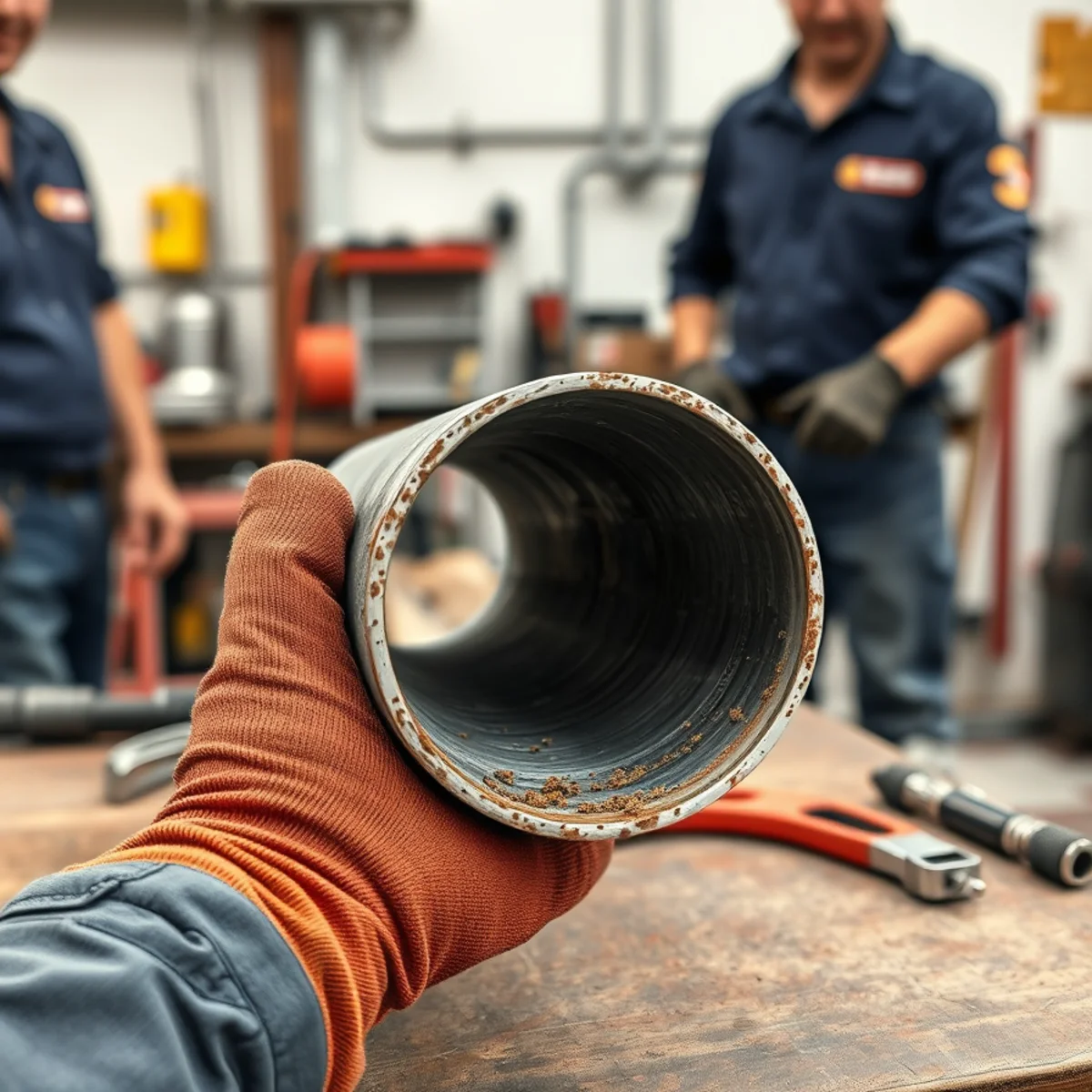
Galvanized fails predictably. The zinc lining wears, iron oxidizes and the bore closes with rust nodules. Homeowners experience this as a slow twenty-year decline in pressure that they stop noticing, followed by discolored water and eventually pinhole leaks. When we cut a section out and show people the opening left inside a three-quarter-inch pipe, the decision generally makes itself.
Cast iron drainage is more durable but not eternal. Horizontal runs corrode from the inside along the bottom of the pipe, and hard water scale narrows what is left. In basements we look specifically at the underside of horizontal runs and at the hub connections, because that is where the weeping starts.
Then there is the accumulated renovation history. A typical older Catonsville home has been worked on by several owners and several trades over ninety years. We routinely find bathrooms vented into nothing, kitchen drains reduced below code diameter, supply branches dead-ended behind finished walls, and galvanized joined directly to copper with no dielectric separation. None of it is a disaster and all of it is worth understanding before you plan a renovation.
Historic Home Plumbing questions we get asked
Do I have to repipe my whole house at once?
No. For many older Catonsville homes we recommend a staged approach — basement trunk lines and risers first, since that is where most of the pressure restriction lives, then branch runs as budget allows. We plan the phases so nothing done first has to be undone later.
Can you work on my house without damaging original plaster and trim?
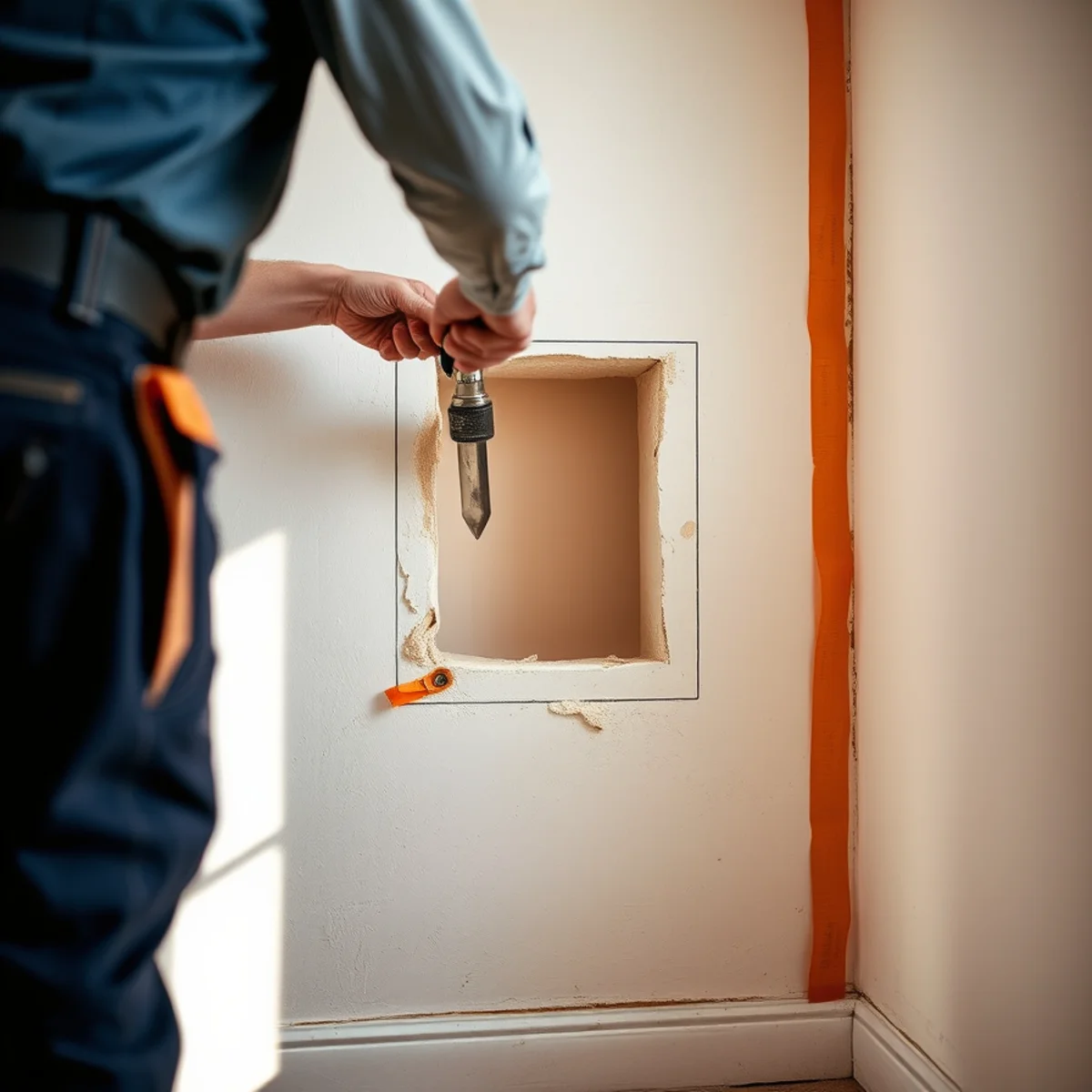
We plan every route to minimize openings and we cut carefully where we must. We cannot promise zero openings on a full repipe — the pipe has to get there somehow — but we can promise the fewest possible, in locations chosen for easy repair, marked and agreed before we start.
Is galvanized pipe dangerous?
It is not an emergency, but it is a declining asset. The practical issues are falling pressure, discolored water, and eventual leaks — and in pre-1986 homes, the lead solder often present at connections is a separate and more serious consideration if you have young children.
Can I keep my original fixtures?
Often, yes, and we like it when people do. Original cast iron tubs and pedestal sinks are frequently better made than what replaces them. We can adapt supply and drainage to work with them and source or rebuild period trim where it makes sense.
What should I check before buying an older Catonsville home?
Three things beyond a standard inspection: a sewer camera scope of the lateral, identification of the supply piping material in the basement, and confirmation that the water heater and any gas work were permitted. Those three cover most of the expensive surprises in this housing stock.