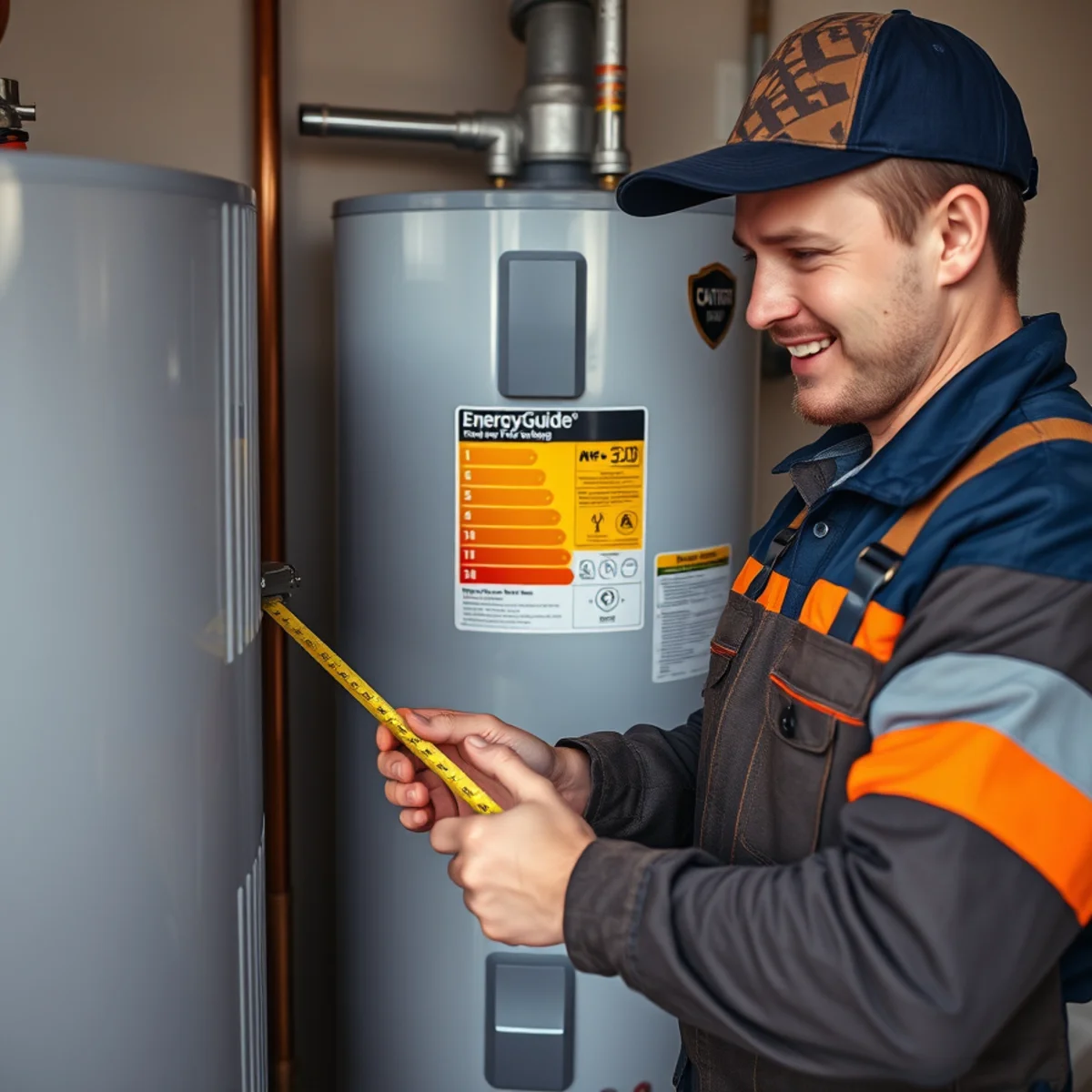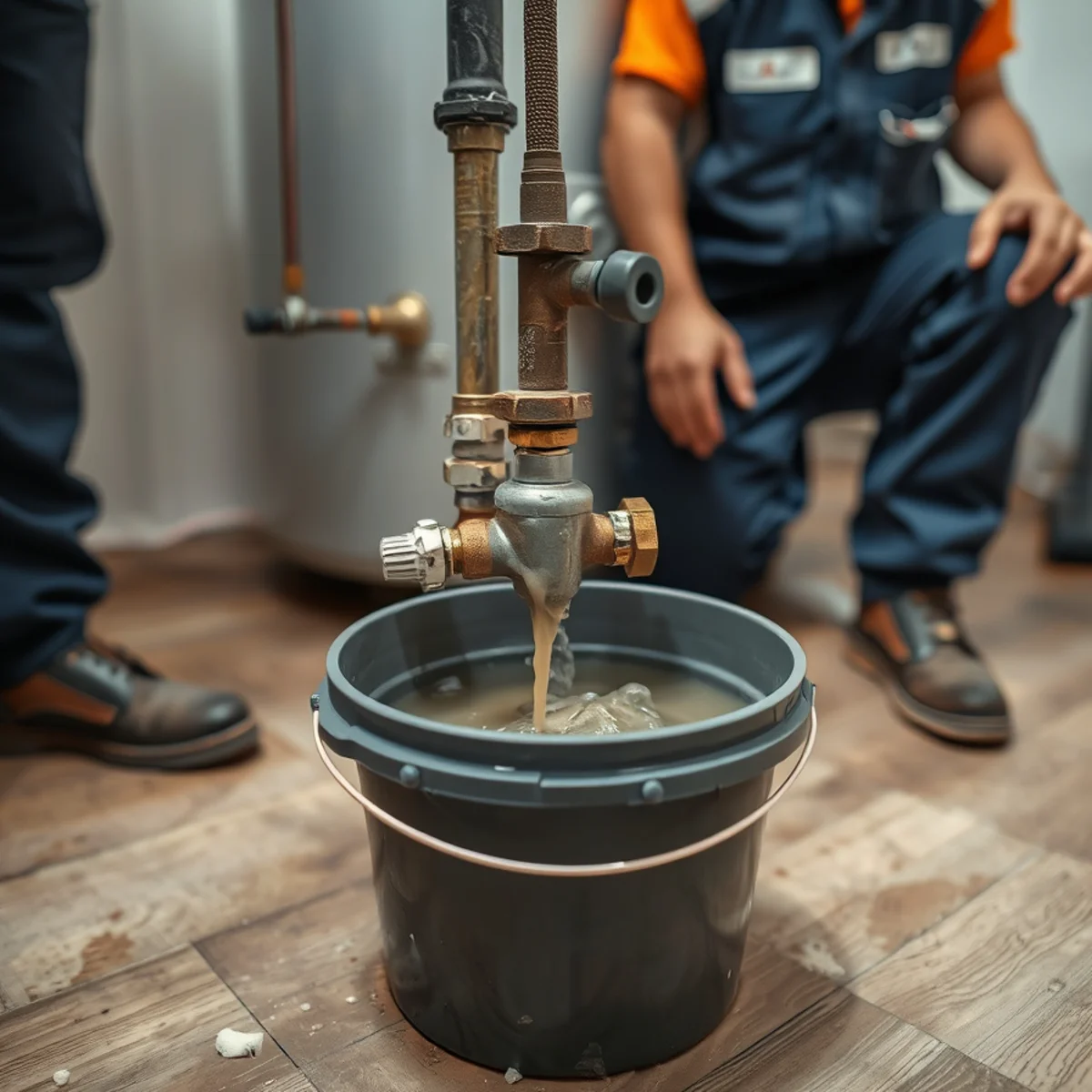
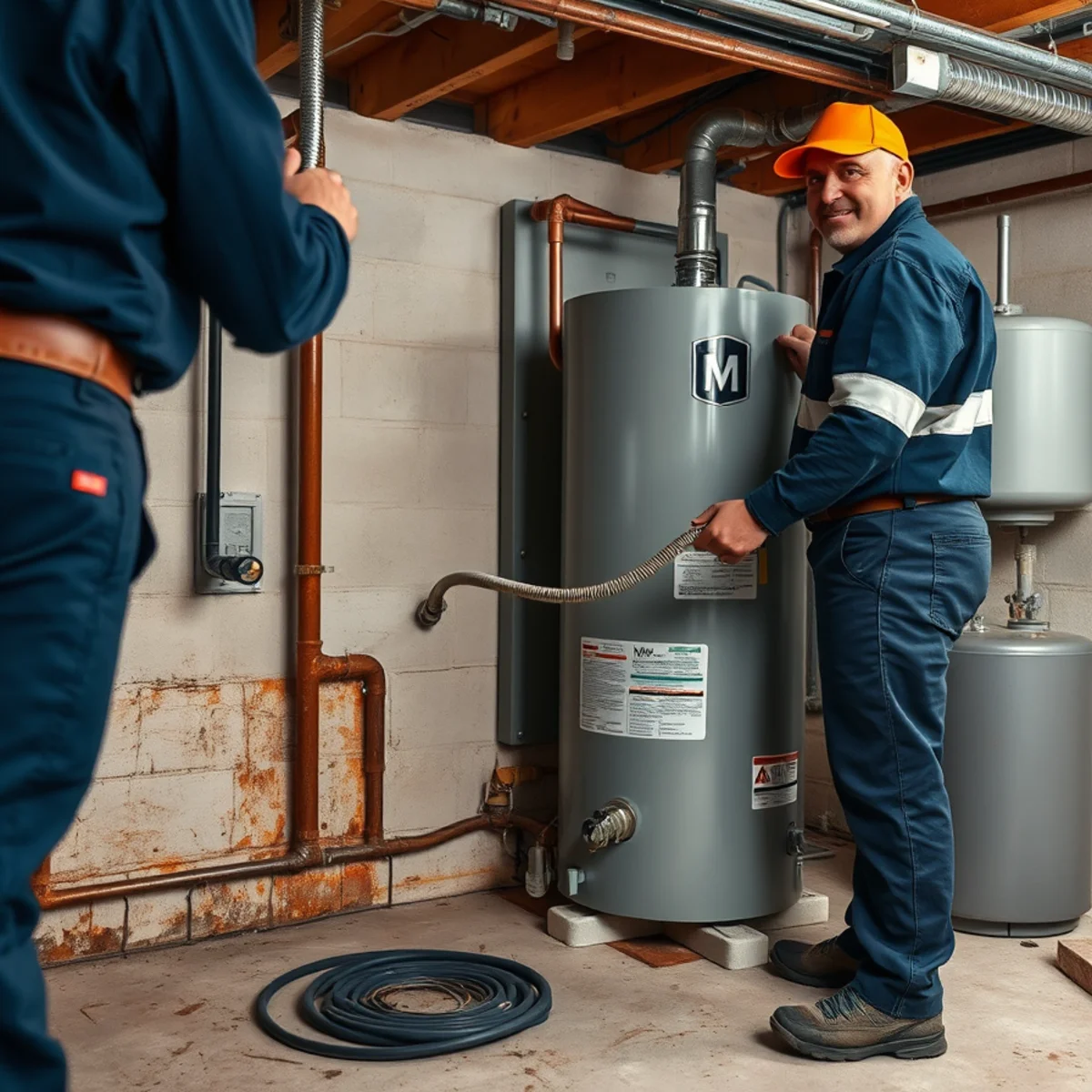
Water heaters in Catonsville do not usually die of old age. They die of scale. Baltimore City surface water arrives here at roughly 120 to 141 PPM — about 7 to 8.2 grains per gallon — and every gallon of it that gets heated leaves a little calcium and magnesium behind on the bottom of the tank or inside the heat exchanger.
That layer acts like a blanket between the burner and the water. The heater has to run longer to hit the same temperature, the steel at the bottom of the tank runs hotter than it was designed to, and the anode rod that is supposed to protect the tank gets consumed faster. A unit rated for ten to twelve years commonly gives six to eight here if nobody ever addressed the water.
So when we come out for a water heater, we test your water hardness while we are there, at no charge, and show you the number. Sometimes the right answer is a repair. Sometimes it is a replacement. And sometimes the real conversation is about why you are on your third heater in twenty years.
Signs you need water heater repair & installation
- No hot water, or hot water that runs out much faster than it used to
- Rumbling, popping or kettling sounds from the tank when it heats
- Rusty or discolored hot water at the tap
- Water pooling around the base of the tank or dripping from the relief valve
- The pilot light will not stay lit on a gas unit
- A tankless unit throwing scale or ignition error codes
- Fluctuating temperatures — scalding then cold in the same shower
- The unit is more than eight years old and has never been flushed
A leak from the tank body itself is not repairable. If water is coming from the shell rather than a fitting or the relief valve, the tank has corroded through and needs replacing before it fails completely.
What the job includes
Repairs on gas, electric and tankless units
Thermocouples, gas control valves, heating elements, thermostats, dip tubes, relief valves and anode rods. We repair every major brand rather than defaulting to "you need a new one".
Tank water heater replacement
Right-sized to the household rather than the box that happens to be in the truck. First hour rating and recovery rate matter more than raw gallons — a 40-gallon unit with strong recovery can outperform a 50 with weak recovery for a family that showers back to back.
Tankless installation and service
Endless hot water and a smaller footprint, with two honest caveats in Catonsville: gas line sizing and venting often need upgrading, and hard water demands regular descaling plus a scale-prevention strategy. We will tell you if your house is a good candidate and if it is not.
Free water hardness testing
On every water heater call. Five minutes, no charge, and you see the reading. It changes the recommendation more often than people expect.
Flushing, anode rod service and maintenance
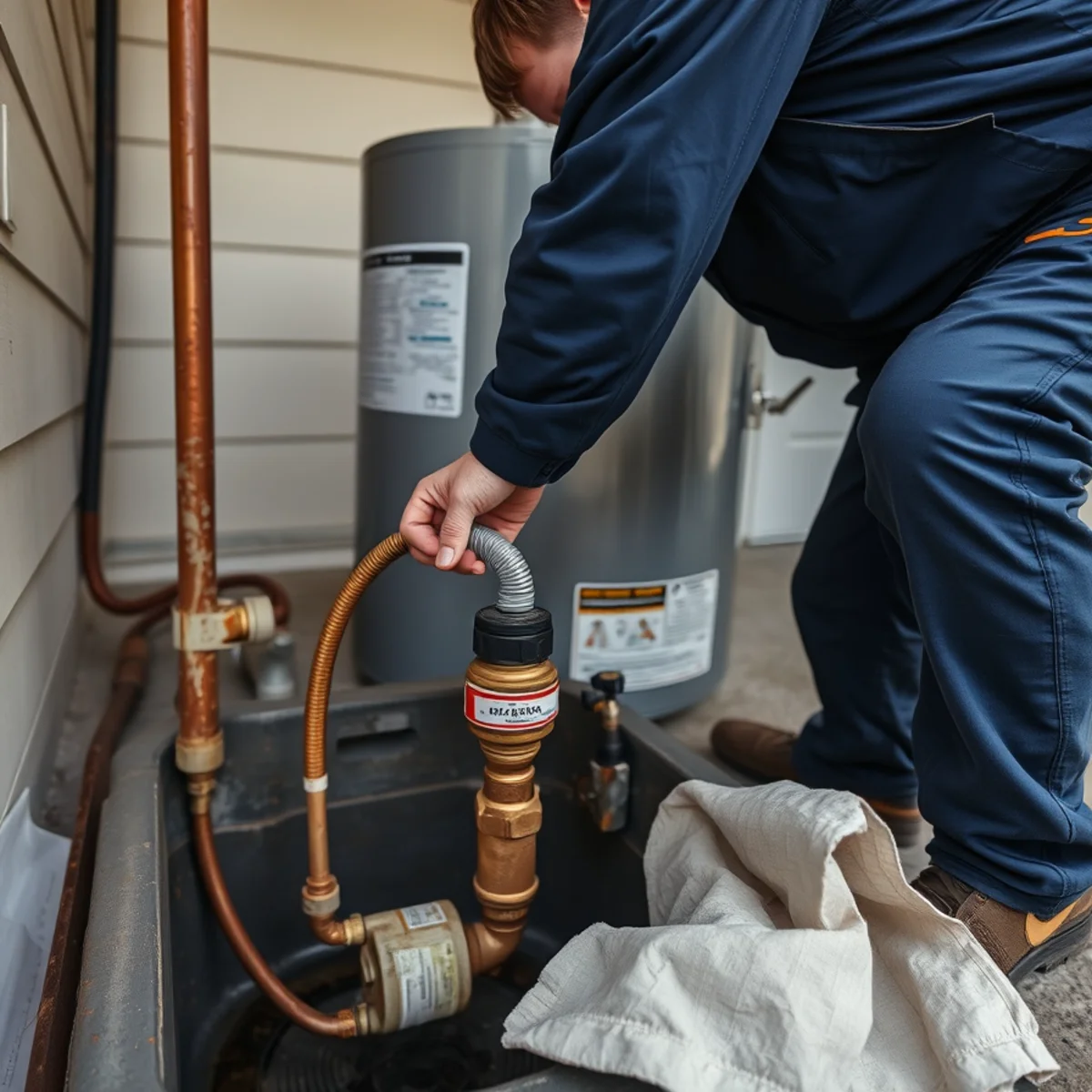
Annual flushing and anode replacement on schedule genuinely add years in hard-water conditions. This is the least glamorous and highest-return maintenance in your house.
Expansion tanks, pans and code corrections
Closed systems need thermal expansion control. We install expansion tanks, drain pans, correct venting and proper shutoffs — and pull the Baltimore County permit so the install is inspected and on record.
How we work
1. Diagnose before quoting
Plenty of "dead" heaters are a $40 thermocouple or a tripped high-limit switch. We find out what is actually wrong before recommending anything, and we will tell you when a repair on an older tank is throwing good money after bad.
2. Test the water
We check hardness on the spot. If you are at 8 grains and on your second heater in twelve years, that is the actual story, and no amount of new equipment changes it by itself.
3. Size and select honestly
Household size, simultaneous demand, fuel type, available gas capacity, venting route and where the unit has to fit. We give you options at more than one price point and explain what the extra money buys.
4. Install to code, permit included
Proper venting, sediment trap, dielectric unions, expansion control, seismic-appropriate strapping where required, drain pan and a correctly sized relief discharge. We pull the permit and meet the inspector.
5. Haul away and hand over
The old unit leaves with us. Before we go you will know how to set the temperature, how to shut it off, and when to have it flushed. We put the next service date on the tank in marker.
What drives the price
We do not publish fake prices, because a number that does not match your house is worse than no number at all. What we can do is tell you exactly what moves the figure, so nothing on the estimate is a surprise.
Repair versus replace
Under eight years old with a failed component is usually a repair. Over ten with a leaking tank is a replacement. Between those, the honest answer depends on the specific failure and whether the water has been treated — we will lay it out rather than decide for you.
Fuel type and capacity
Electric units are cheaper to install and slower to recover. Gas costs more up front and recovers faster. If you are switching fuel type, the gas line, venting and electrical all come into the number.
Tank versus tankless
Tankless equipment costs more and frequently needs a larger gas line and new venting, which is where the real cost difference lives. It also needs descaling on a schedule here. Over a twenty-year horizon the math often works — but only if you actually maintain it.
Code upgrades on older installs
Water heaters installed decades ago rarely meet current requirements. Expansion tanks, drain pans, proper venting and correct relief discharge may all be needed. We identify these before the estimate, not after.
Location and access
A basement with a walk-out is straightforward. A tank in a second-floor closet or a tight crawl space takes longer and sometimes takes two people.
What this looks like in Catonsville
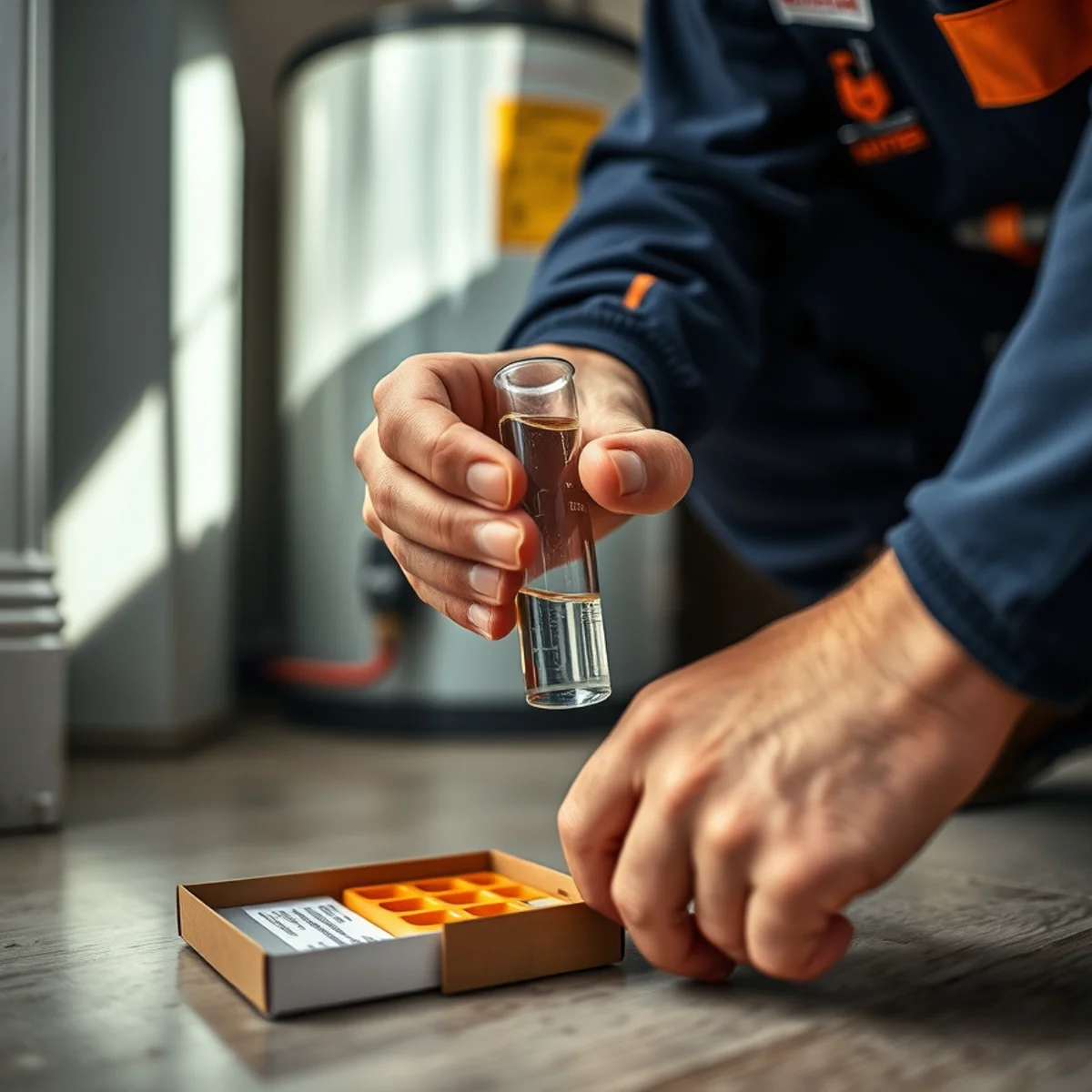
The hard water story is not marketing. At 7 to 8.2 grains per gallon, scale accumulation measurably reduces heat transfer efficiency, and the practical result across the homes we service in 21228 and 21229 is a water heater lifespan that runs years short of the rating on the label. If a Catonsville homeowner has never flushed a tank and has no softener, we would not be surprised to see failure at year seven.
Fuel type here splits along neighborhood lines. Much of the older housing stock near Frederick Road and Winters Lane has natural gas service, while some outlying properties toward Ilchester and the Patapsco Valley edge run on propane or electric. That changes the equipment conversation entirely.
Tankless deserves a specific caution locally. It is an excellent product and we install it, but hard water is harder on a heat exchanger than on a tank — a tank has room to collect sediment at the bottom, a heat exchanger does not. If you want tankless in Catonsville, plan on either a softener or a scale-prevention system and an annual descale. Done that way it is superb. Done without, it disappoints.
Older basements bring their own wrinkles. Undersized gas lines shared with a furnace, masonry chimneys that no longer meet venting requirements for modern high-efficiency equipment, and no expansion tank on what has become a closed system since the county added a check valve at the meter. We check all of it before quoting.
Water Heater Repair & Installation questions we get asked
How long should a water heater last in Catonsville?
Rated life is ten to twelve years for a quality tank. Locally, without treatment or annual flushing, six to eight is the realistic range because of scale. With a softener and yearly maintenance, hitting or beating the rating is entirely achievable — we see both outcomes on the same street.
Is a tankless water heater worth it here?
It can be, with eyes open. You get endless hot water and floor space back. You also need adequate gas capacity, new venting, and a real commitment to annual descaling because of our water. If you will maintain it, we recommend it. If you will not, a good tank with a softener is the better value.
Why does my hot water smell like rotten eggs?
Usually a reaction between the anode rod and sulfur bacteria in the tank. It is generally not dangerous but it is unpleasant. Replacing the magnesium anode with an aluminum-zinc or powered anode normally solves it, and that is a far cheaper conversation than a new heater.
Do I need a permit to replace a water heater in Baltimore County?
Yes. Water heater replacement requires a permit and inspection. We pull it as part of the job. It matters at resale — an un-permitted heater is the kind of thing that surfaces at the worst moment in a home sale.
How often should I flush the tank?
Once a year in Catonsville, and we mean it. In softer-water regions people stretch it to two or three years without much harm. Here, annual flushing is one of the highest-return maintenance items you have.