Water heater manufacturers rate their tanks for ten to twelve years. Ask around Catonsville and you will hear a lot of people say theirs lasted six or seven. They are not unlucky and they did not buy a bad brand. They live in a hard water town and nobody ever told them what that meant.
This is a straightforward problem with a straightforward set of answers. Here is what actually happens inside the tank, and what to do about it.
What goes on inside your water heater
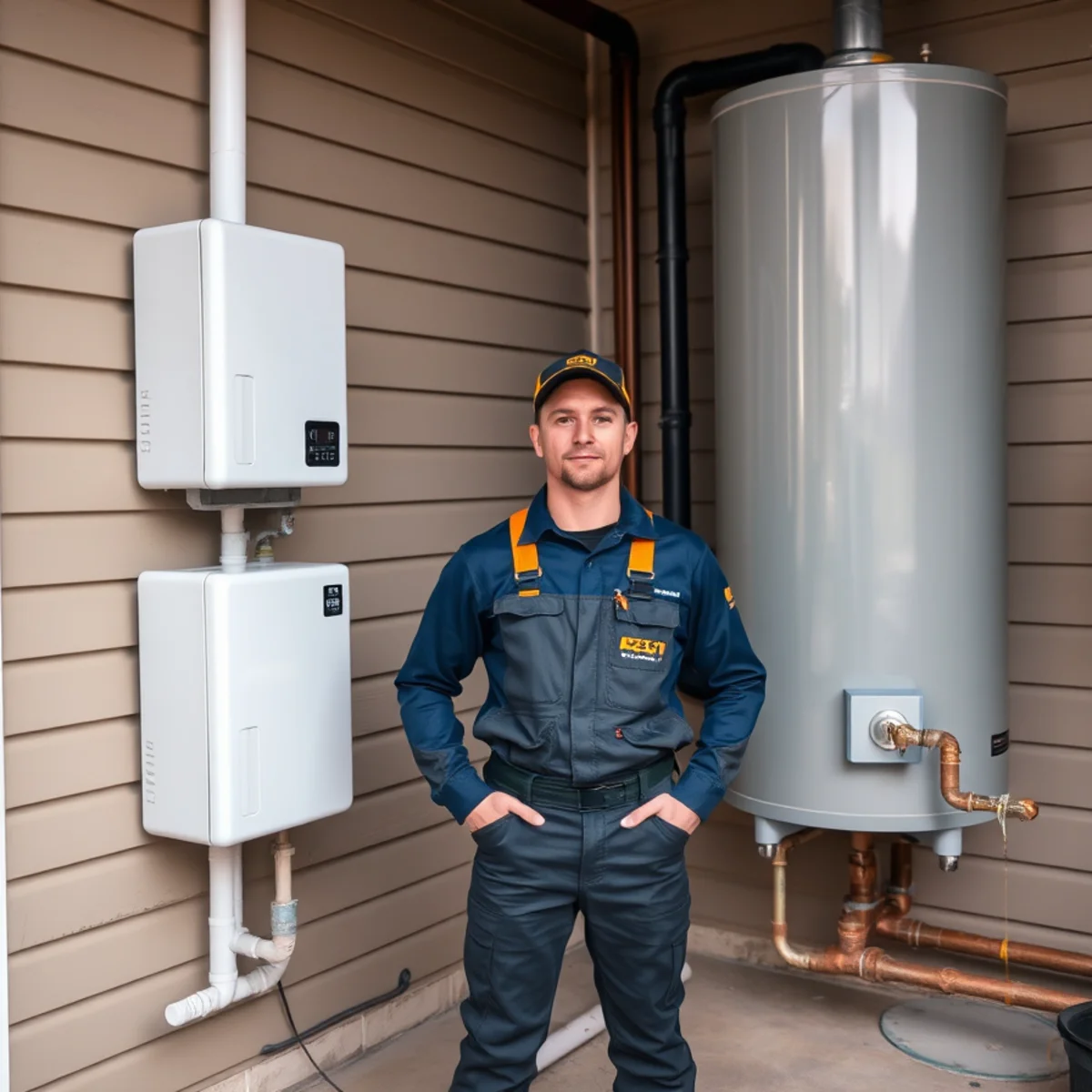
A tank water heater is a steel cylinder with a glass lining, a burner or heating element, and a sacrificial anode rod. Cold water enters through a dip tube near the bottom, gets heated, and hot water leaves from the top.
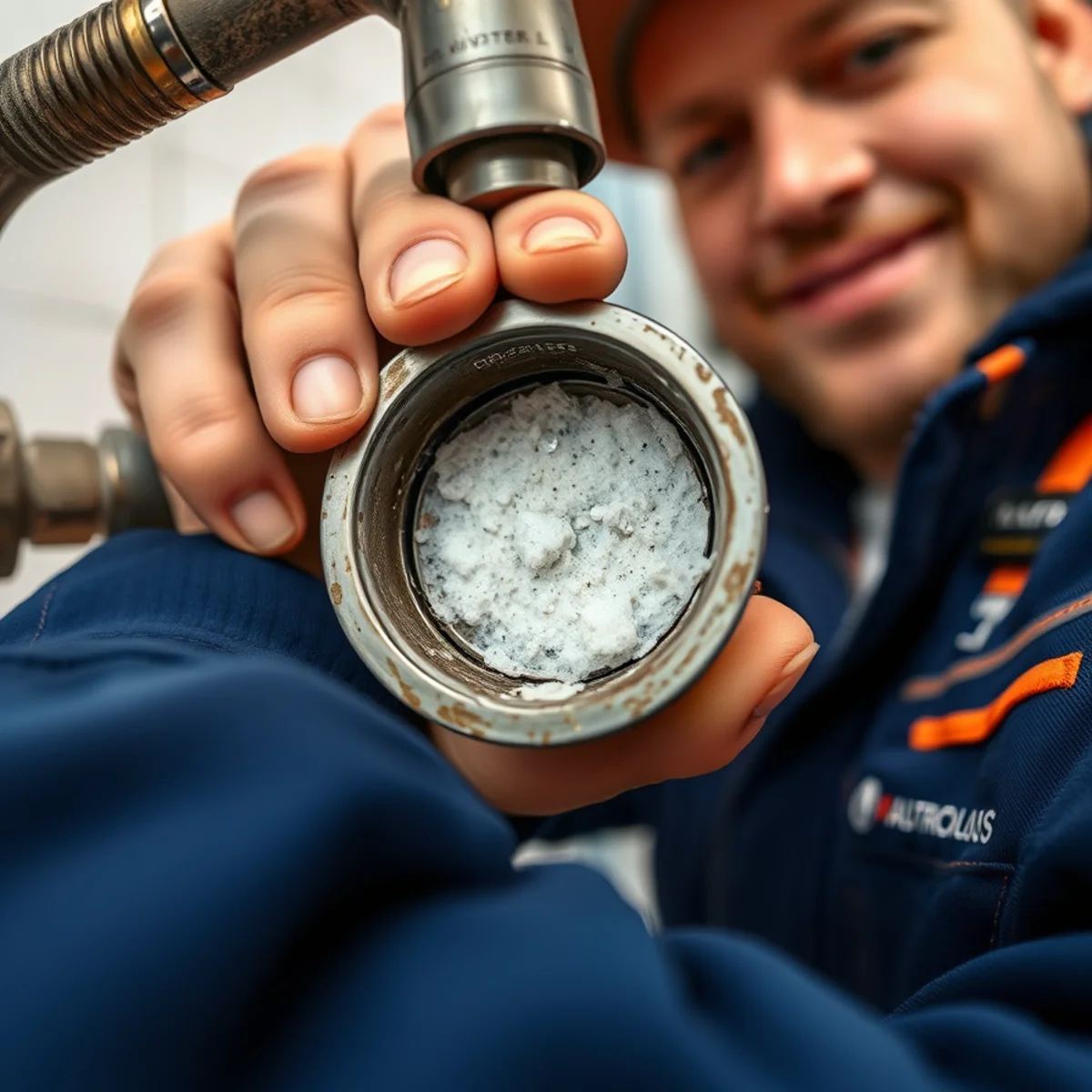
When you heat water carrying 7 to 8.2 grains per gallon of dissolved minerals, some of those minerals come out of solution and settle. Over years they build a layer of hard sediment across the bottom of the tank — exactly where a gas burner applies its heat.
Three things that layer does
- It insulates. Heat from the burner has to pass through sediment before reaching water, so the heater runs longer for the same result and you pay for the difference every month.
- It overheats the steel. The tank bottom under a sediment layer runs hotter than design, which stresses the glass lining and creates the conditions for corrosion.
- It consumes the anode rod faster. The anode is a sacrificial metal rod that corrodes so the tank does not. In an aggressive, hot, mineral-heavy environment it is used up sooner — and once it is gone, the tank itself starts corroding.
The maintenance that actually works
Flush the tank once a year
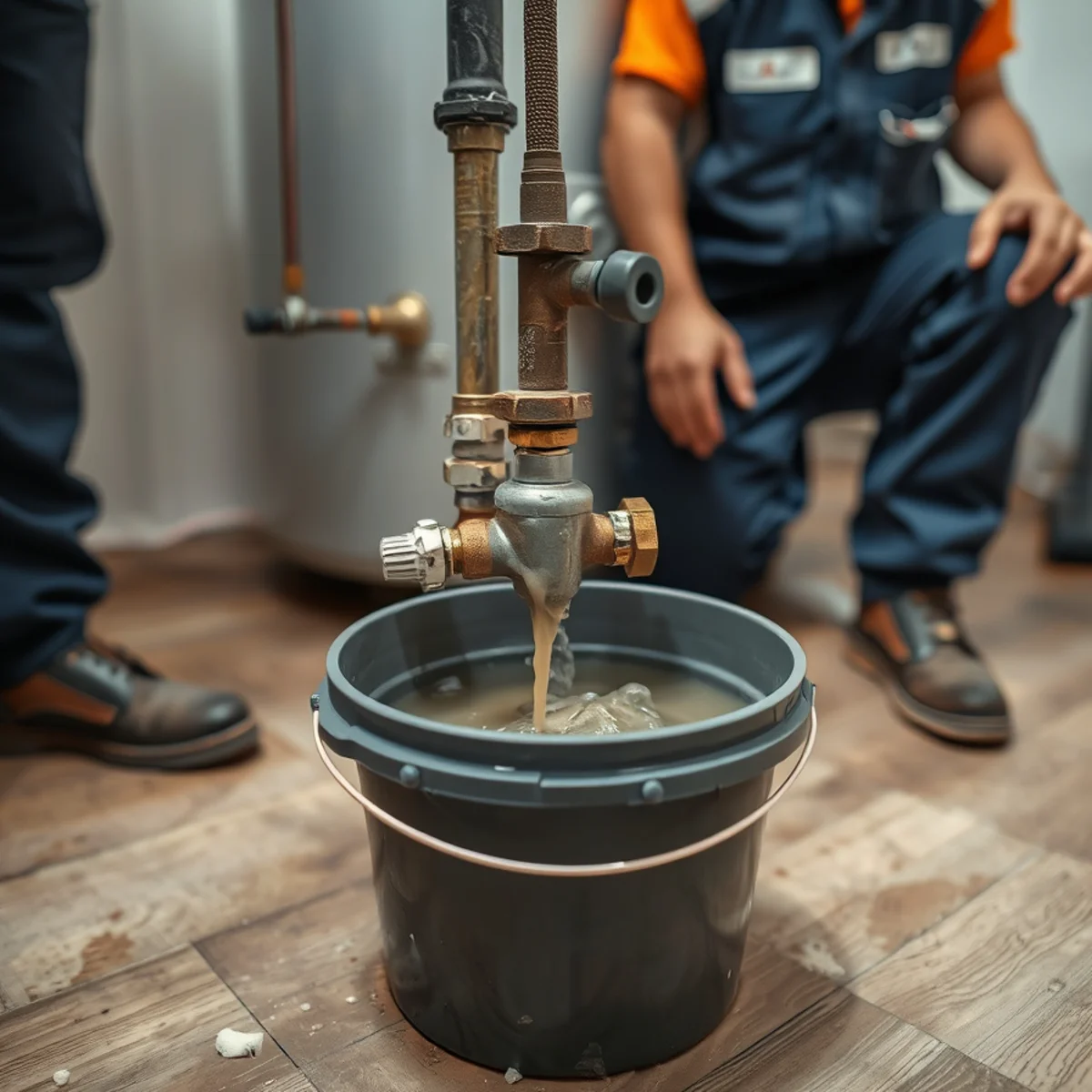
Draining sediment out before it can build up is the single most effective thing you can do. In softer-water regions, every two or three years is fine. In Catonsville, make it annual and put it on the calendar.
A homeowner with a hose, a shutoff and half an hour can do it. If yours has never been flushed and the heater is more than five or six years old, get a plumber to do the first one — a heavily silted tank can have a drain valve that clogs solid or a valve that will not reseat afterward, and that turns a maintenance task into a Saturday afternoon problem.
Check the anode rod every three to four years
Almost nobody does this and it is the second-highest-return item on the list. When an anode rod is more than about three quarters consumed, replacing it is inexpensive. Once it is gone entirely, the tank starts corroding and you are on a clock you cannot stop.
A magnesium rod gives the best protection but is consumed fastest and can react with sulfur bacteria to produce that rotten-egg smell in hot water. Aluminum-zinc lasts longer and usually solves the odor problem. Powered anodes cost more and do not deplete at all. We will look at yours during any water heater service call in Catonsville and tell you what shape it is in.
Set the temperature sensibly
Around 120°F is the usual recommendation. It is hot enough for household use, reduces scald risk, and slows scale formation — mineral precipitation accelerates at higher temperatures. Running a tank at 140°F does not just cost more in energy, it actively speeds up the process that will kill the tank.
One caveat: households with immune-compromised members sometimes keep a higher tank temperature for Legionella control and use a mixing valve at the outlet to deliver safe temperatures at the tap. That is a legitimate approach and worth discussing rather than deciding from a blog post.
Treat the water
Everything above manages the symptom. A softener removes the cause. If you are on your second or third heater in twenty years, the equipment was never the problem.
This is the argument we make most often in Catonsville and it is not a sales pitch, it is arithmetic. Add up the heater replacements, the dishwasher, the washing machine and the fixture repairs across a decade, then compare. Whole-house water softening usually wins on a ten-year view.
How to tell your heater is near the end
- It is more than ten years old — check the serial number on the label, which usually encodes the manufacture date.
- Rumbling or popping during the heating cycle.
- Rusty or discolored hot water that clears when you switch to cold.
- Hot water running out noticeably faster than it used to, with no change in household use.
- Moisture, rust streaks or pooling around the base of the tank.
- The relief valve discharging intermittently.
Repair or replace?
Under eight years old with a failed component — thermocouple, gas control, element, thermostat, dip tube — is usually a repair, and a cheap one. Over ten years with a leaking tank is a replacement.
In between, the honest answer depends on the specific failure and whether the water has been treated. We will lay out both numbers rather than decide for you, and we will tell you when spending money on an old tank is throwing good money after bad.
If you are replacing
Size to how the household actually uses hot water, not to square footage. First-hour rating and recovery rate matter more than raw gallons — a 40-gallon unit with strong recovery can beat a 50 with weak recovery for a family showering back to back.
Get the permit. Water heater replacement requires one in Baltimore County, and an un-permitted heater is exactly the kind of thing that surfaces at the worst moment during a home sale. And while the old unit is out, have the hardness tested and the expansion control checked — many older installations became closed systems when a check valve went in at the meter, and never got the expansion tank that requires.
Frequently asked questions
How do I find out how old my water heater is?
The serial number on the rating label usually encodes the manufacture date, often as the first four digits in a year-week or month-year format. If you cannot decode it, send us a photo of the label and we will tell you.
Can I flush my own water heater?
Yes, if it has been maintained. Shut off power or gas, close the cold inlet, attach a hose to the drain valve, open a hot tap to break the vacuum, and drain until it runs clear. The risk with a never-flushed older tank is a drain valve that clogs or will not reseat — worth having a plumber do the first one.
Does a tankless heater avoid this problem?
It changes it rather than avoiding it. A tankless heat exchanger has nowhere to collect sediment the way a tank does, so scale goes straight onto the heat transfer surfaces. Tankless in Catonsville needs annual descaling and ideally a scale-prevention strategy. Done that way it performs beautifully.
Who wrote this
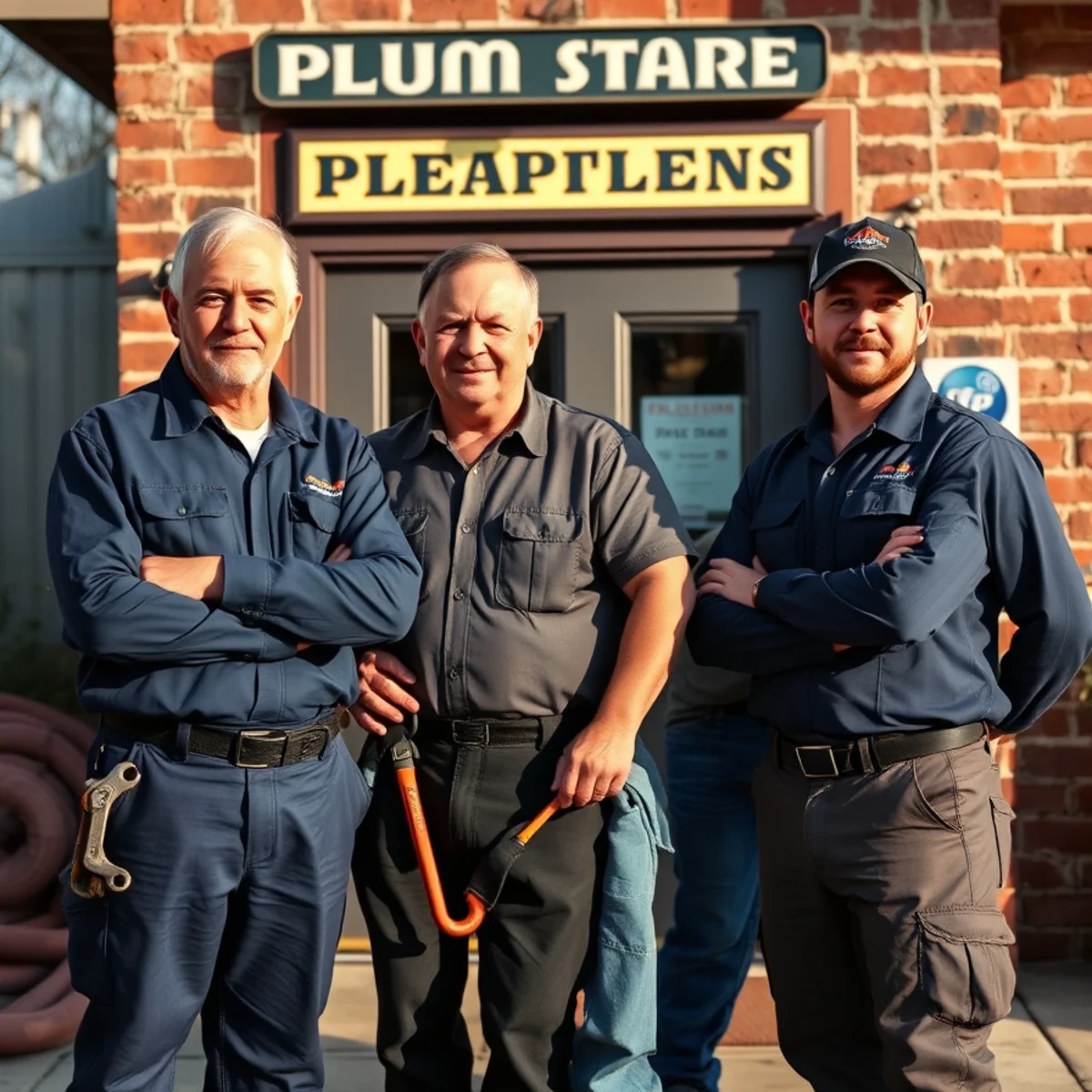
Collins & Sons LLC — Daniel Collins and family
We are a family plumbing business working out of 209 Westowne Rd in Catonsville, and we have been under Maryland houses for over 40 years — three generations of it. Most of what is on this page comes from doing the same jobs repeatedly on the same housing stock: pre-1950 homes off Frederick Road, galvanized supply, cast iron drainage, and water that runs 7–8.2 grains per gallon.
Licensed MHIC #117712 with the Maryland Home Improvement Commission and fully insured. We pull the Baltimore County permits on water heaters, sewer work and gas piping, and we meet the inspector ourselves.