Nobody calls a plumber about hard water. They call about a water heater that died at year seven, a shower valve that will not turn, a dishwasher that leaves everything spotted, or an angle stop under the sink that snapped off in their hand. Those are four different symptoms of the same underlying condition, and in Catonsville that condition is measurable.
Our supply comes from the Baltimore City system, drawn from surface reservoirs, and it reaches homes in 21228 and 21229 at roughly 120 to 141 PPM — about 7 to 8.2 grains per gallon. On the standard scale that is moderately hard to hard. It is entirely safe to drink. It is also enough dissolved calcium and magnesium that every gallon you heat leaves a little of itself behind inside your plumbing.
What "hard" actually means in practical terms
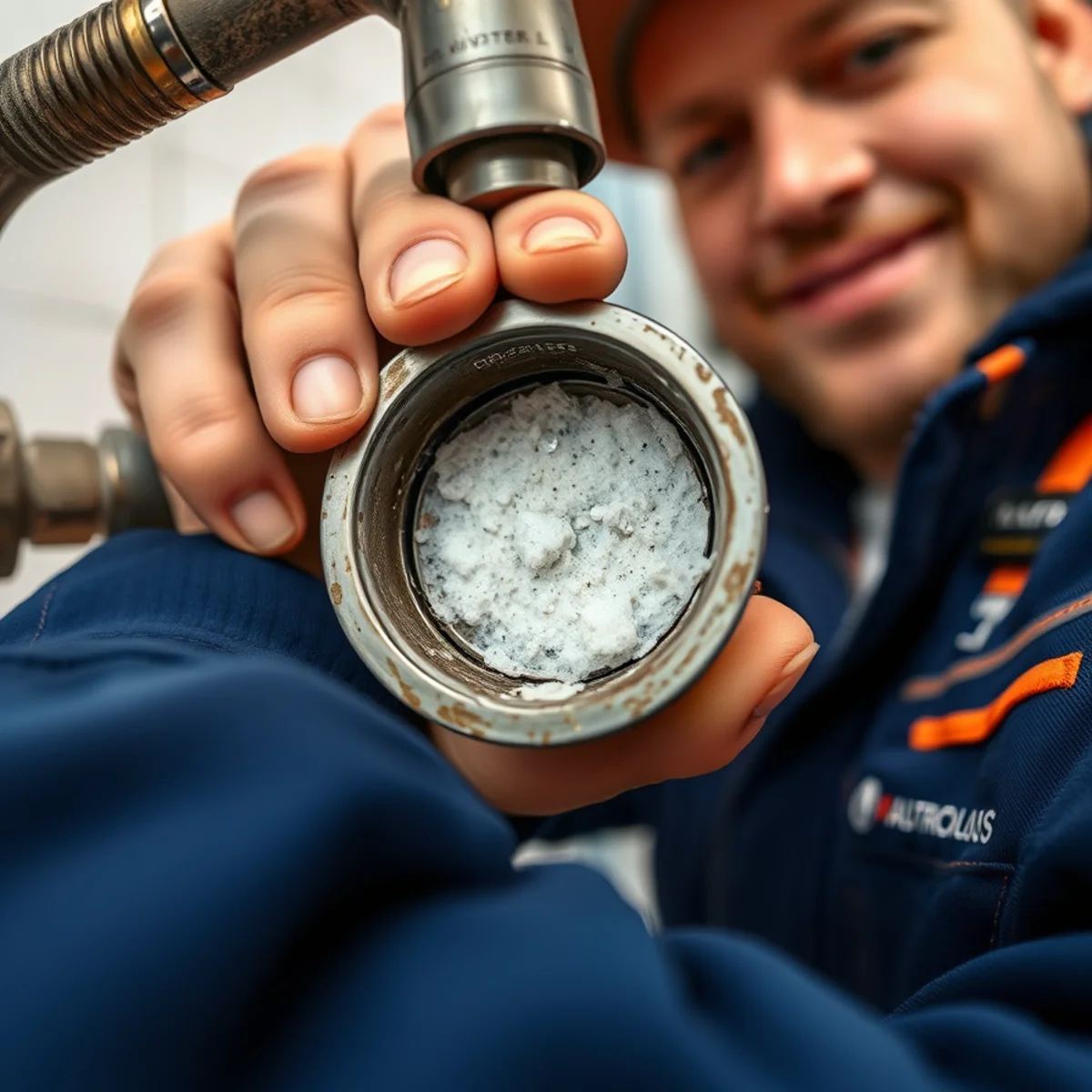
Hardness is simply the amount of dissolved calcium and magnesium in the water. Those minerals stay in solution while the water is cold and moving. Heat the water, or let it sit and evaporate on a surface, and they precipitate out as scale.
That is why the effects cluster around heat and evaporation. The bottom of your water heater tank. The heat exchanger in a tankless unit. The heating element in a dishwasher. The rim jets inside a toilet. The aerator on a faucet. The glass door of a shower. Anywhere water gets hot or dries out, the minerals get left behind.
The four places it costs you money
1. Your water heater
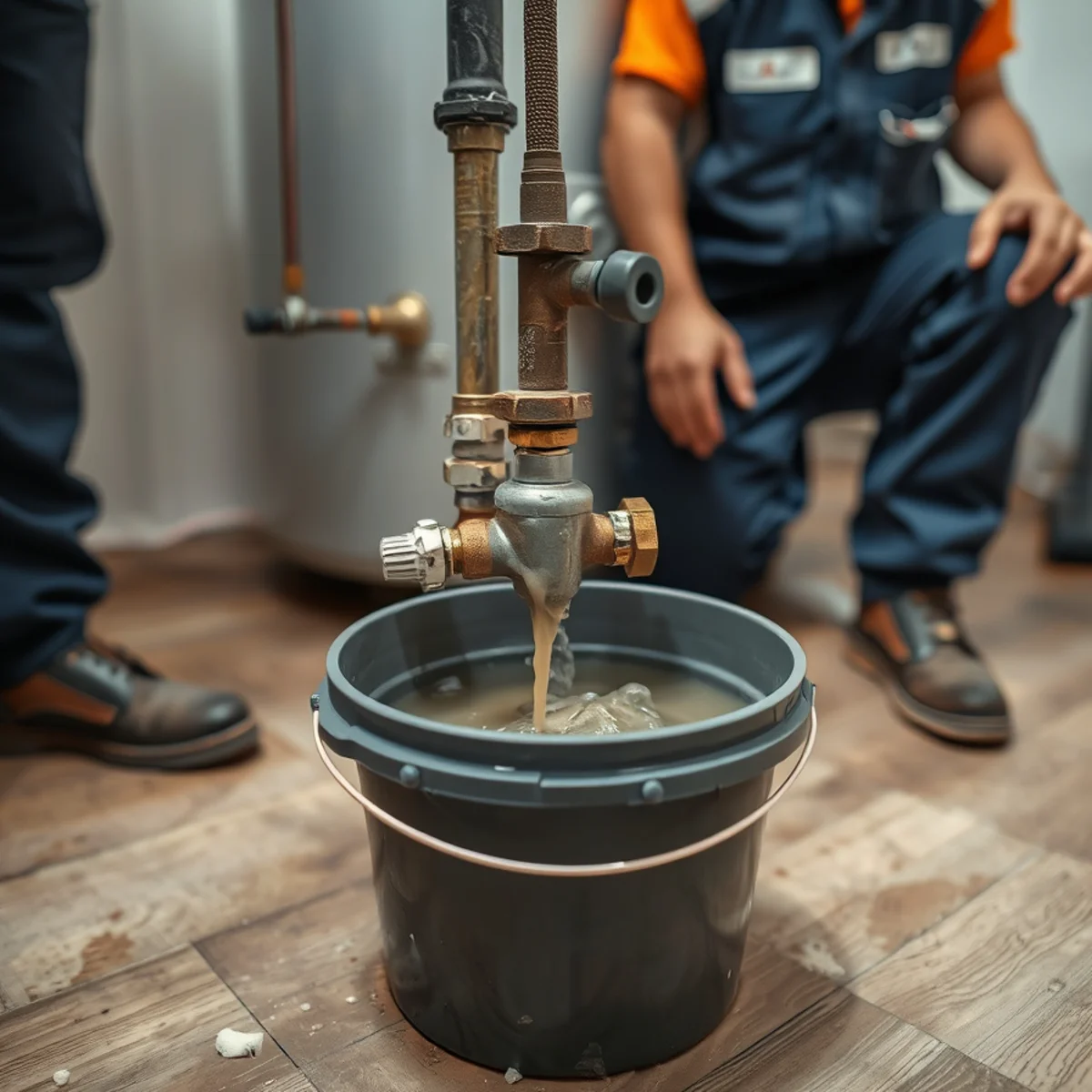
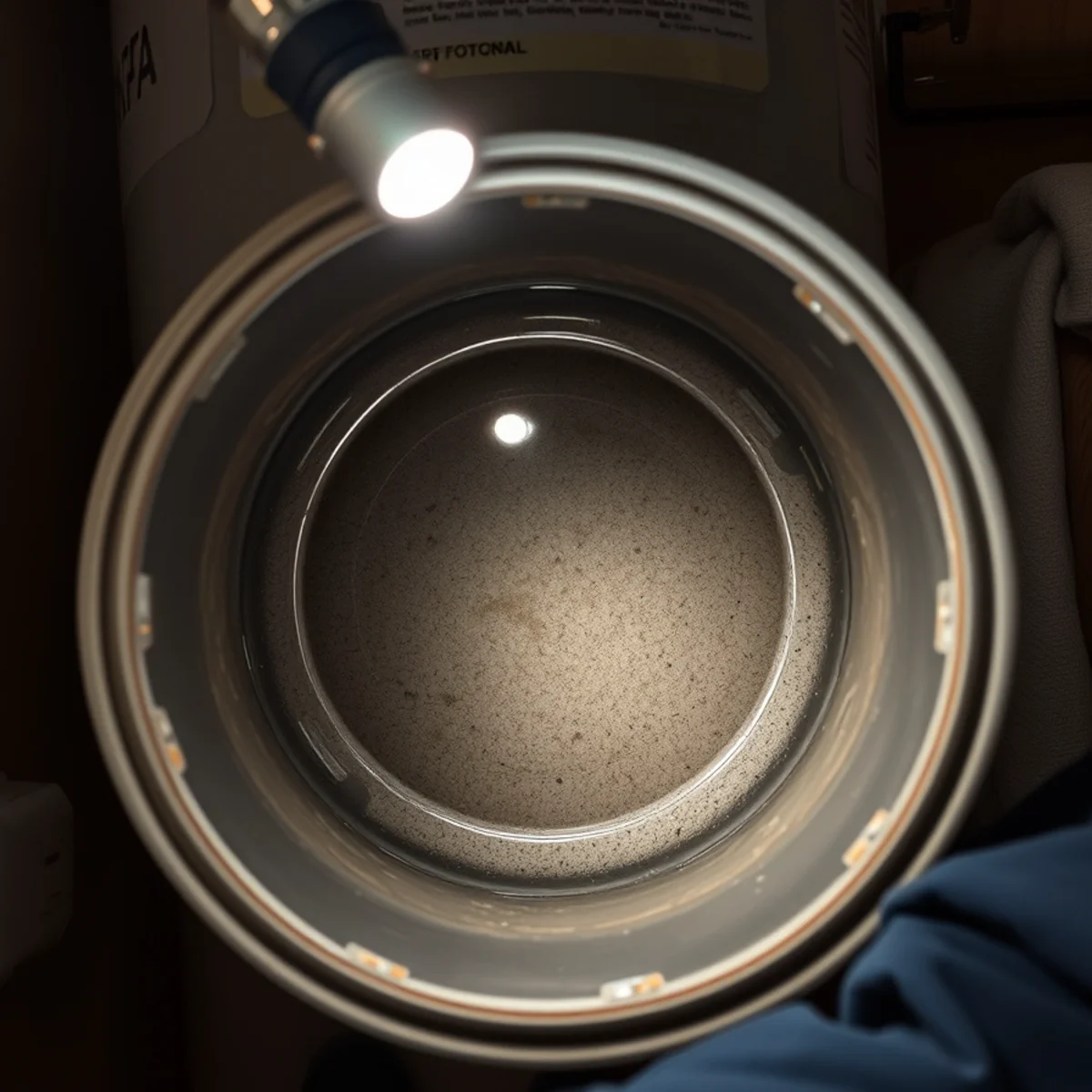
This is the big one. Scale settles on the bottom of a tank heater and acts as an insulating layer between the burner and the water. The heater has to run longer for the same output, and the steel at the bottom of the tank runs hotter than it was designed to run. The sacrificial anode rod that protects the tank from corrosion gets consumed faster in that environment.
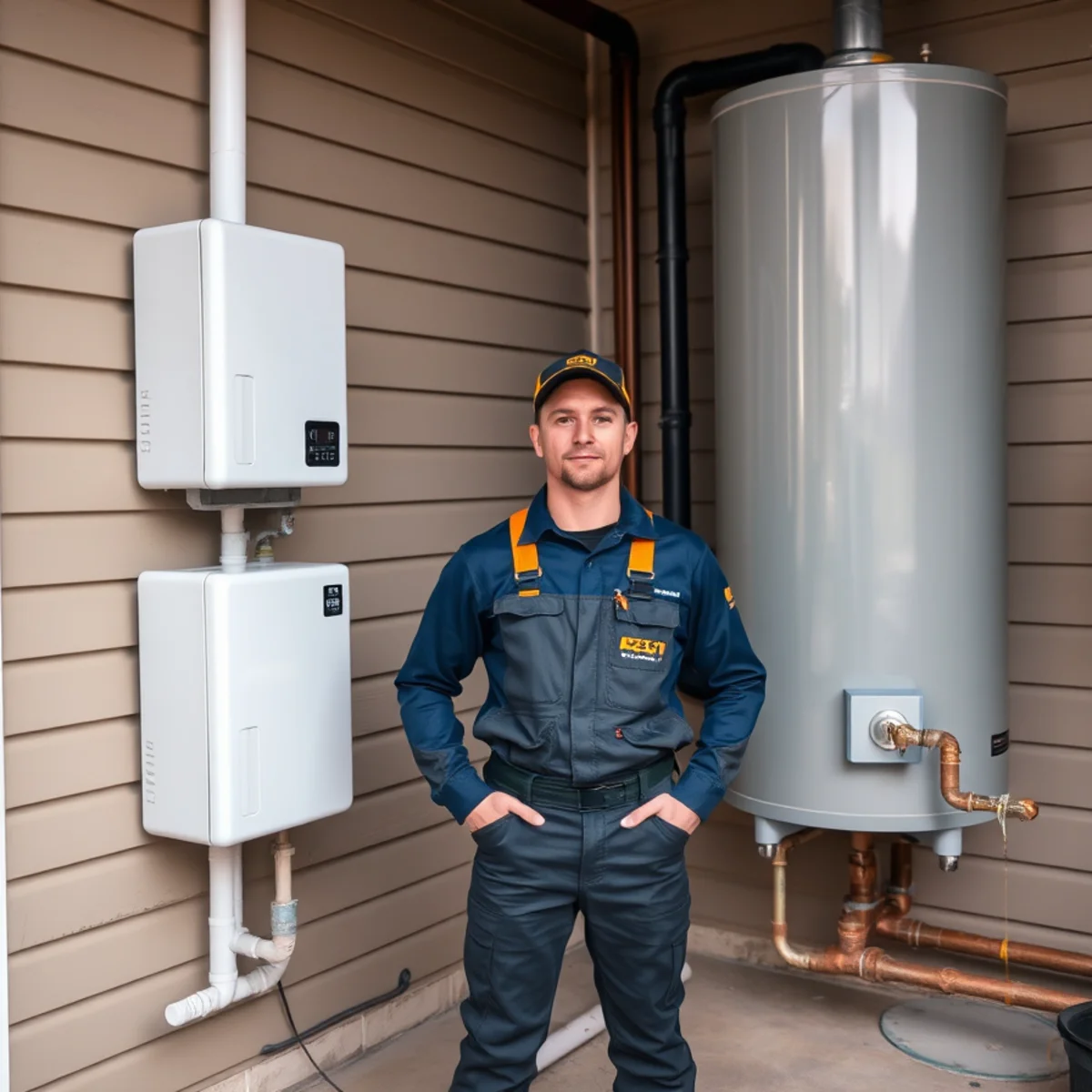
The result is predictable. A tank rated for ten to twelve years commonly gives six to eight in Catonsville if nobody ever flushes it and there is no treatment on the house. We see it constantly — and we see the opposite too, on houses with a softener and an annual flush, where heaters hit or beat their rating. Same street, same water, different outcome. If yours is struggling, water heater repair and replacement in Catonsville usually starts with testing the water rather than the heater.
2. Fixtures and valves
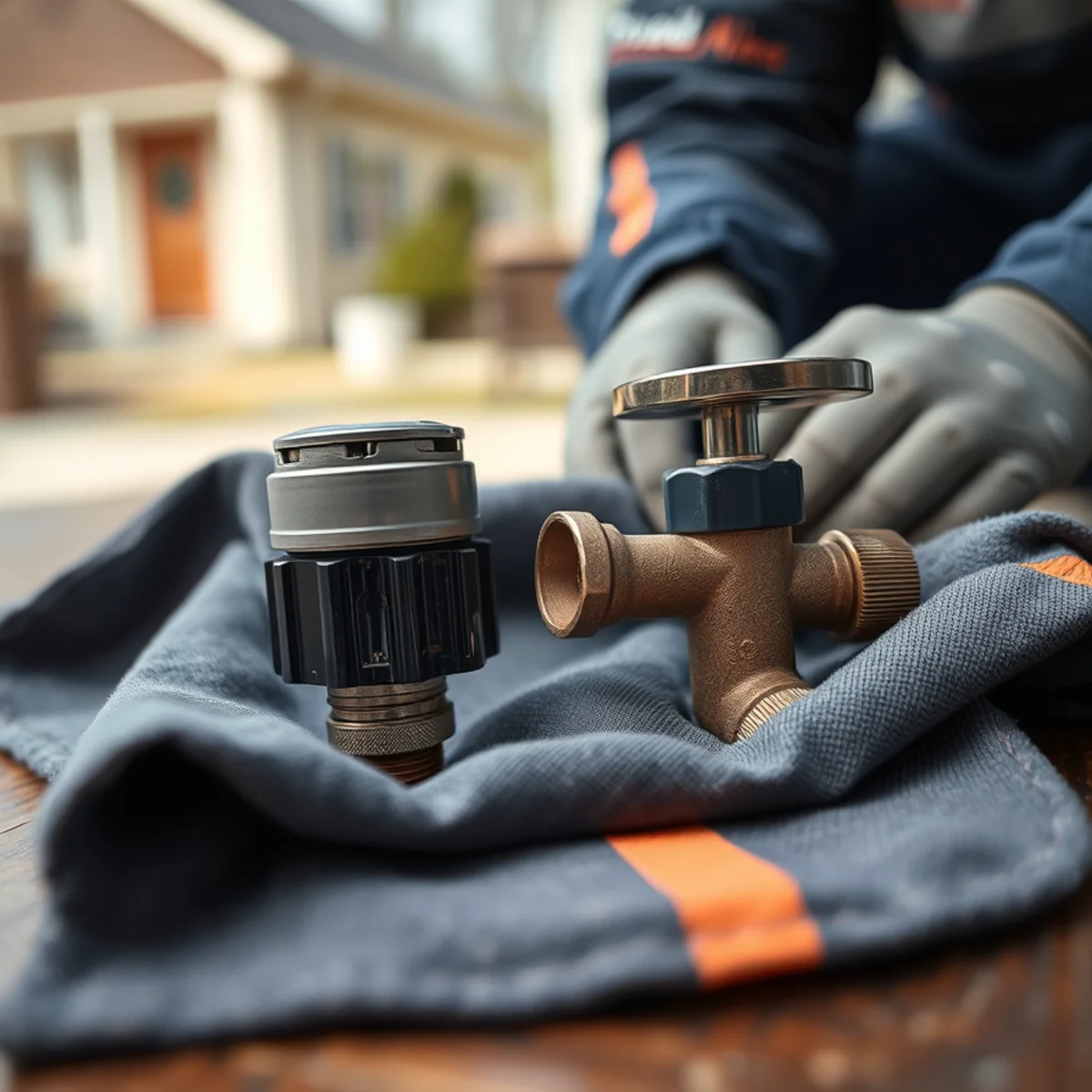
Scale builds inside the moving parts of every valve in the house. Shower cartridges get stiff and then seize. Multi-turn angle stops under sinks and toilets calcify in the open position, which matters enormously the day you need to shut one off in a hurry and it will not move — or snaps.
Faucet aerators and shower heads clog on a schedule. Homeowners interpret it as "we have lost water pressure" when what has actually happened is that the aerator screen is half blocked. Soaking it in vinegar fixes that particular complaint for free, which is advice we give out on the phone rather than turning into a service call.
3. Appliances
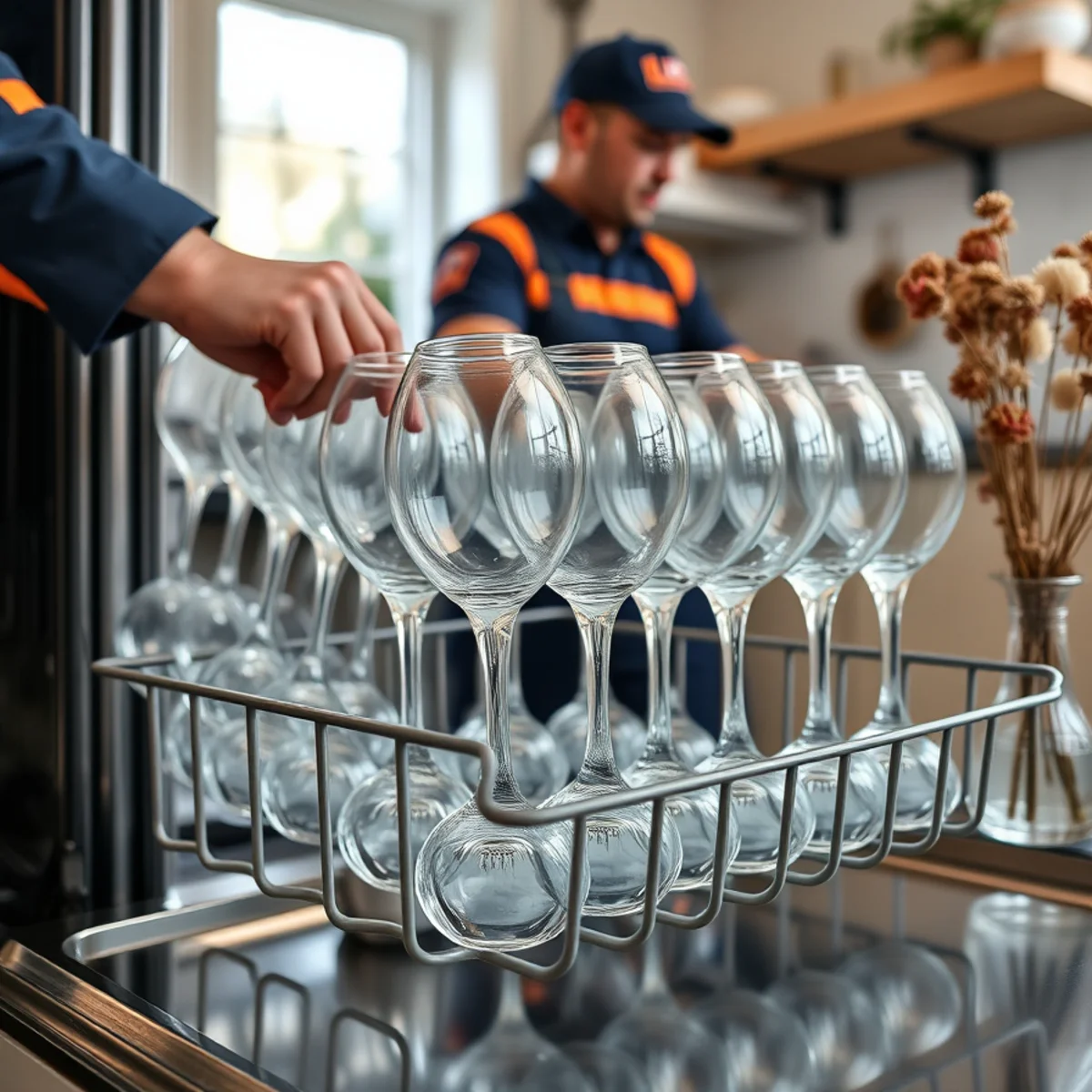
Dishwashers and washing machines both heat water, and both suffer. Spotted glassware is cosmetic. A failed heating element or a scaled circulation pump is not. Manufacturers rate appliance life on assumptions about water quality, and hard water pushes actual life below the estimate.
Coffee makers, kettles, humidifiers and ice makers all show it too. If you are descaling a kettle every couple of months, that is your plumbing telling you something about the rest of the house.
4. Soap, detergent and everything you wash
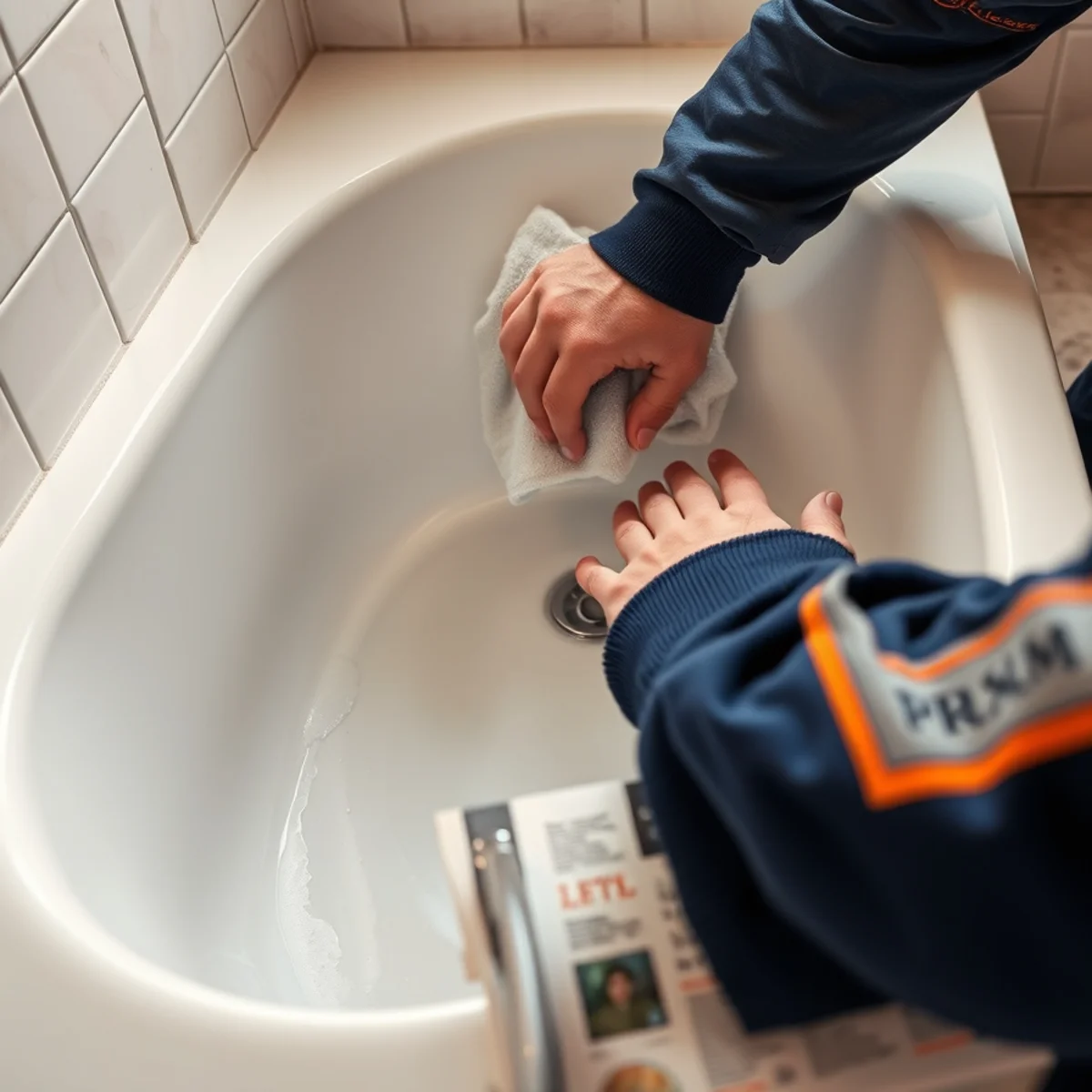
Hard water and soap do not get along. Calcium and magnesium react with soap to form the scum that leaves a film on skin, a ring in the tub and a stiffness in laundry. The practical consequence is that you use more product to get the same result — more shampoo, more detergent, more dish soap, and more cleaning product to remove the residue afterward.
There is a plumbing consequence too. Soap scum is stickier than soap, and it is what hair binds to in a shower drain. Households on softened water genuinely do get fewer drain clogs, which is one of the quieter arguments for treatment.
What you can do about it
Free: test and know your number
Start by finding out what you actually have. Regional figures are a guide, not a measurement — supply varies and your house may sit differently on the network. We test hardness on the spot during any service call at no charge, and we show you the reading.
If the number does not justify equipment, we will say so. That happens, and it is a perfectly good outcome for a service call.
Low cost: flush the tank annually
Draining sediment out of a tank water heater once a year is the highest-return maintenance in a Catonsville house. It is not glamorous and it makes a real difference to how long the heater lasts. Anode rod replacement on schedule is the second-highest.
In softer-water regions people stretch flushing to two or three years without much harm. Here, make it annual.
The real fix: whole-house treatment
An ion-exchange softener removes the hardness minerals before the water reaches anything that heats it. That is what actually stops the cycle. The economics work over a ten-year horizon when you count appliance and heater life rather than just the equipment price.
Sizing matters more than brand. An undersized unit regenerates constantly and wastes salt; an oversized one channels and softens unevenly. We size on measured hardness and actual household water use, and we will show you the arithmetic. If you would rather not use salt — on a septic system, for instance — salt-free scale prevention is an honest alternative with one honest caveat: it stops scale adhering but does not remove hardness, so you will not get the soap and laundry benefits. Either way, water softener and filtration installation in Catonsville should follow a test, not a sales tier.
One more thing worth separating out
Hardness and water safety are different questions. A softener addresses scale. It does not address lead, and in homes built before 1986 lead solder at copper joints is a separate consideration worth taking seriously, particularly with small children in the house.
That is an inspection-and-replacement conversation, not a treatment one. We can identify supply materials during a routine visit in a few minutes, and it is worth knowing either way. Homeowners in Catonsville and neighboring Arbutus with pre-war houses ask about this often, and the answer is always the same: look, do not guess.
The short version
- Catonsville water runs about 7 to 8.2 grains per gallon — moderately hard to hard.
- The cost shows up as shortened water heater life, seized valves, clogged aerators, early appliance failure and more product used per wash.
- Flushing your water heater annually is free-to-cheap and genuinely effective.
- A properly sized softener addresses the cause rather than the symptoms, and pays back over a ten-year horizon.
- Test before you buy anything. Your address's actual number should drive the decision.
Frequently asked questions
Is hard water bad for my health?
No. Calcium and magnesium in drinking water are not harmful and some research suggests mild benefits. Hard water is a plumbing and appliance problem, not a health one. Lead and other contaminants are separate issues requiring separate solutions.
Will a softener make my water feel slippery?
Slightly, and it takes a week or two to get used to. That feeling is soap rinsing off properly instead of leaving a residue film on your skin. Most people prefer it once they adjust.
How long does a water softener last?
A quality unit typically runs 12 to 15 years with basic maintenance. The control valve is usually what fails first, and on better units it is a serviceable part rather than a reason to replace the whole system.
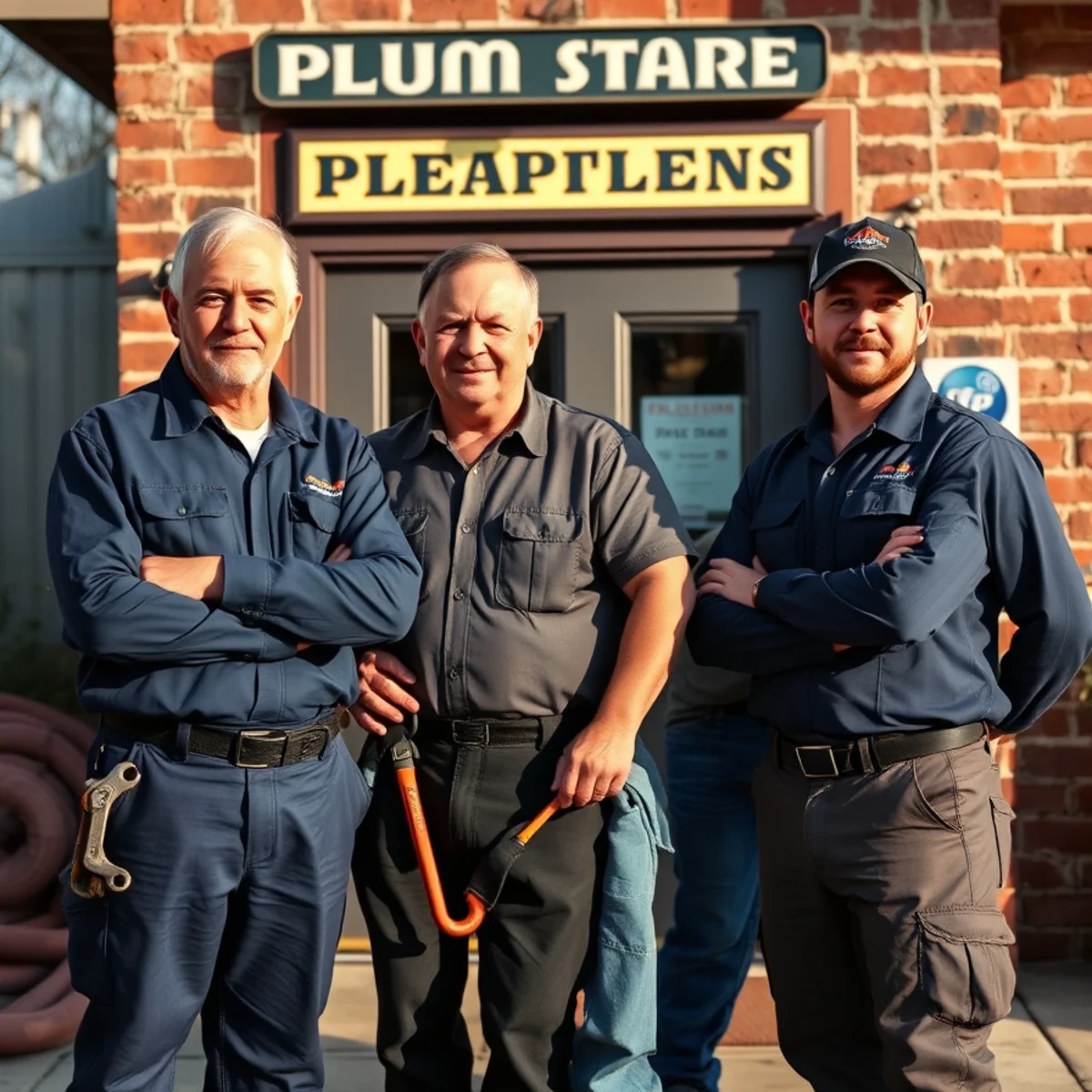
Who wrote this
Collins & Sons LLC — Daniel Collins and family
We are a family plumbing business working out of 209 Westowne Rd in Catonsville, and we have been under Maryland houses for over 40 years — three generations of it. Most of what is on this page comes from doing the same jobs repeatedly on the same housing stock: pre-1950 homes off Frederick Road, galvanized supply, cast iron drainage, and water that runs 7–8.2 grains per gallon.
Licensed MHIC #117712 with the Maryland Home Improvement Commission and fully insured. We pull the Baltimore County permits on water heaters, sewer work and gas piping, and we meet the inspector ourselves.