
There are two kinds of water emergency and they need different responses. One is a plumbing failure — a burst supply line, a water heater that let go, a sewer backing up into a basement. The other is storm water: two inches of rain in ninety minutes on saturated Piedmont clay, a sump pump that could not keep up or lost power, and water coming through the foundation.
Our job in both is the same first step: stop the water and get what is already in moving out. After that the jobs diverge. A plumbing failure needs a repair. A storm event needs a hard look at the sump system, the discharge routing and whether the floor drains have ever been cleared.
We answer around the clock. Tell us on the phone whether water is still coming in and where from, and we will talk you through what to shut off while a truck is on the way.
Signs you need flood & water emergencies
- Standing water on a basement or utility room floor
- Water entering through a foundation wall or the base of the wall during heavy rain
- A sump pump that is running continuously without lowering the water
- A sump pump that has stopped, or lost power, with water still rising
- Sewage backing up through a floor drain, basement shower or laundry standpipe
- A burst supply line, failed water heater or split washing machine hose
- A floor drain overflowing rather than draining
- Water reaching near electrical panels, outlets or gas appliances
If water is approaching an electrical panel or outlets, do not wade in. Shut power off at the main only if you can reach it without standing in water — otherwise leave the house and call from outside.
What the job includes
Emergency source shutoff and stabilisation
Isolating the failure, whether that is the main water valve, a branch line, the water heater or a fixture supply. Stopping the source is always the first job.
Sewer backup response
Clearing the blockage causing sewage to back up into the house, then camera inspection to establish whether it was a one-off or a failing lateral that will do it again.
Emergency sump pump replacement
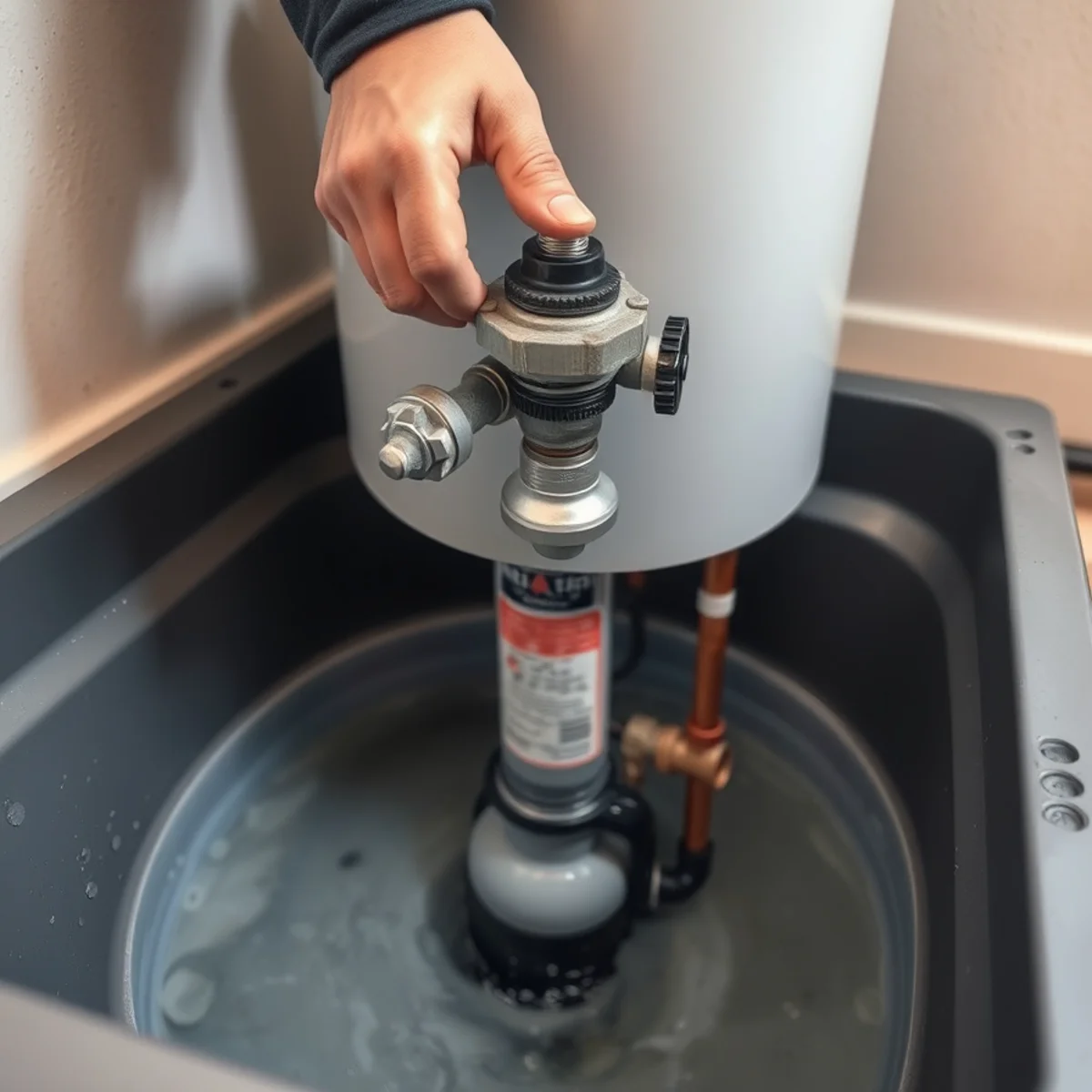
Failed pumps replaced on the spot where we can. We carry common sizes because a burnt-out pump in the middle of a storm is not a next-week problem.
Battery backup installation
The most common storm-flood cause in this county is a working pump with no power. A backup pump on a deep-cycle battery is the fix, and we will fit one after an event or, better, before one.
Discharge and floor drain correction
A frozen, crushed or badly routed discharge line makes a good pump useless. So does a floor drain that has never been cleared. Both get checked as part of any flood call.
Cause diagnosis and written findings
You get a plain-English explanation of what happened and what would stop it recurring, in writing — useful for planning and for an insurance claim.

How we work
1. Safety questions first, on the phone
Where is the water, is it still coming, is it near anything electrical, and can you reach the main shutoff safely. Some of these calls we resolve on the phone, and we would rather do that than sell you a trip.
2. Stop the source
Isolate the failure. On a storm event that means getting pumping capacity working; on a plumbing failure it means shutting and capping.
3. Get the water moving
Restore or supplement pumping, clear the blocked floor drain, and check the discharge actually reaches somewhere useful rather than recirculating beside the foundation.
4. Establish the cause honestly
A failed pump, a dead battery, a blocked discharge, a collapsed lateral, a burst pipe. These have very different fixes and we will not guess between them.
5. Repair now or plan properly
Some things we fix that night. Others are better done properly in daylight at a lower rate, and we will tell you which is which rather than charging emergency rates for work that could wait.
What drives the price
We do not publish fake prices, because a number that does not match your house is worse than no number at all. What we can do is tell you exactly what moves the figure, so nothing on the estimate is a surprise.
Time of day
Emergency and after-hours work carries a different rate than scheduled service. You hear the number before we dispatch, and we will tell you if waiting until morning is genuinely safe and cheaper.
What actually failed
A replacement sump pump, a cleared main line and a burst pipe repair are three different jobs at three different prices. The phone call usually narrows it before we arrive.
Whether the fix is temporary or permanent
Capping a failed line tonight and repairing it properly Tuesday is sometimes the cheaper path overall. We will offer that option when it is genuinely the right one.
Equipment needed
A replacement pump, a battery backup system or additional pumping capacity all appear as their own line items rather than being folded into a lump sum.
What we do not do
We are plumbers, not a restoration company. Water extraction beyond getting the source stopped and the drains working, drying, dehumidification and mould remediation are specialist trades, and we will say so rather than pretend.
What this looks like in Catonsville

Catonsville sits on rolling terrain dropping toward the Patapsco Valley, and a large number of houses — particularly through Woodbridge Valley, along the Johnnycake Road corridor and in the lower stretches near Wilkens Avenue — have basements at or below the grade of the surrounding ground. That is the underlying geography of most basement flooding here.
The rainfall pattern does the rest. Mid-Atlantic summer and early autumn storms deliver very high rainfall rates in short bursts. Clay soil does not absorb that quickly, so water moves laterally through the ground and arrives at foundation walls fast. A pump that copes with a steady spring drizzle can be overwhelmed in twenty minutes by an August cell.
And the same storms take the power with them. This is the single most important local fact about basement flooding in Baltimore County: the flood and the outage are the same weather system, not a coincidence. Every plumber here has the same story about a homeowner who did everything right and lost the transformer at eight in the evening with four hours of rain still to come.
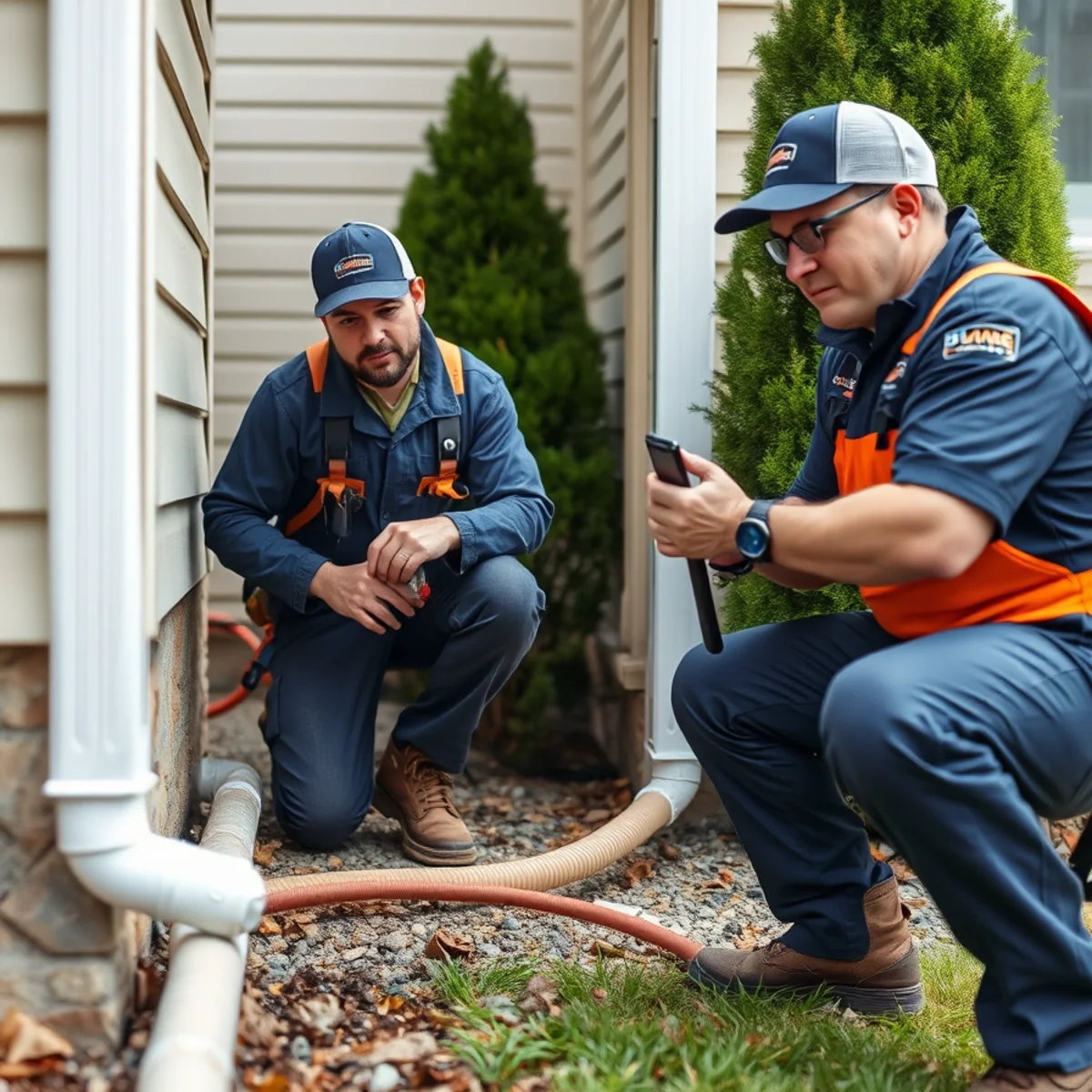
Winter brings a quieter version. A sump discharge line that terminates too close to the house freezes solid, and the pump then runs against a blocked line, overheats and burns out while the basement fills. We check discharge routing on every visit for exactly that reason.
Flood & Water Emergencies questions we get asked
My basement is flooding right now. What do I do first?
If water is near electrical panels or outlets, get out and call from outside. Otherwise, shut off the main water valve if the source might be plumbing, check whether the sump pump is running, and call us. We will talk you through the next step while a truck is on the way.
Is basement flooding covered by insurance?
It depends entirely on the cause and your policy. Sudden plumbing failures are frequently covered; groundwater and surface flooding usually need separate flood coverage; sewer backup often needs a specific endorsement. Photograph everything before cleanup and call your carrier early.
Do you do water damage restoration?
No, and we will tell you that plainly. We are plumbers — we stop the source, restore drainage and pumping, and diagnose the cause. Extraction, drying and remediation are a different trade, and you are better served by a specialist.
How do I stop this happening again?
For storm flooding: a correctly sized pump, a battery backup, a properly routed discharge and a floor drain that actually works. For plumbing failures: know where your main shutoff is, test it twice a year, and replace washing machine hoses every five years or so.