A leaking water heater ranges from a five-dollar part to a same-day replacement, and where the water is coming from tells you which. Here is how to work it out and what to do while you do.
First: contain it
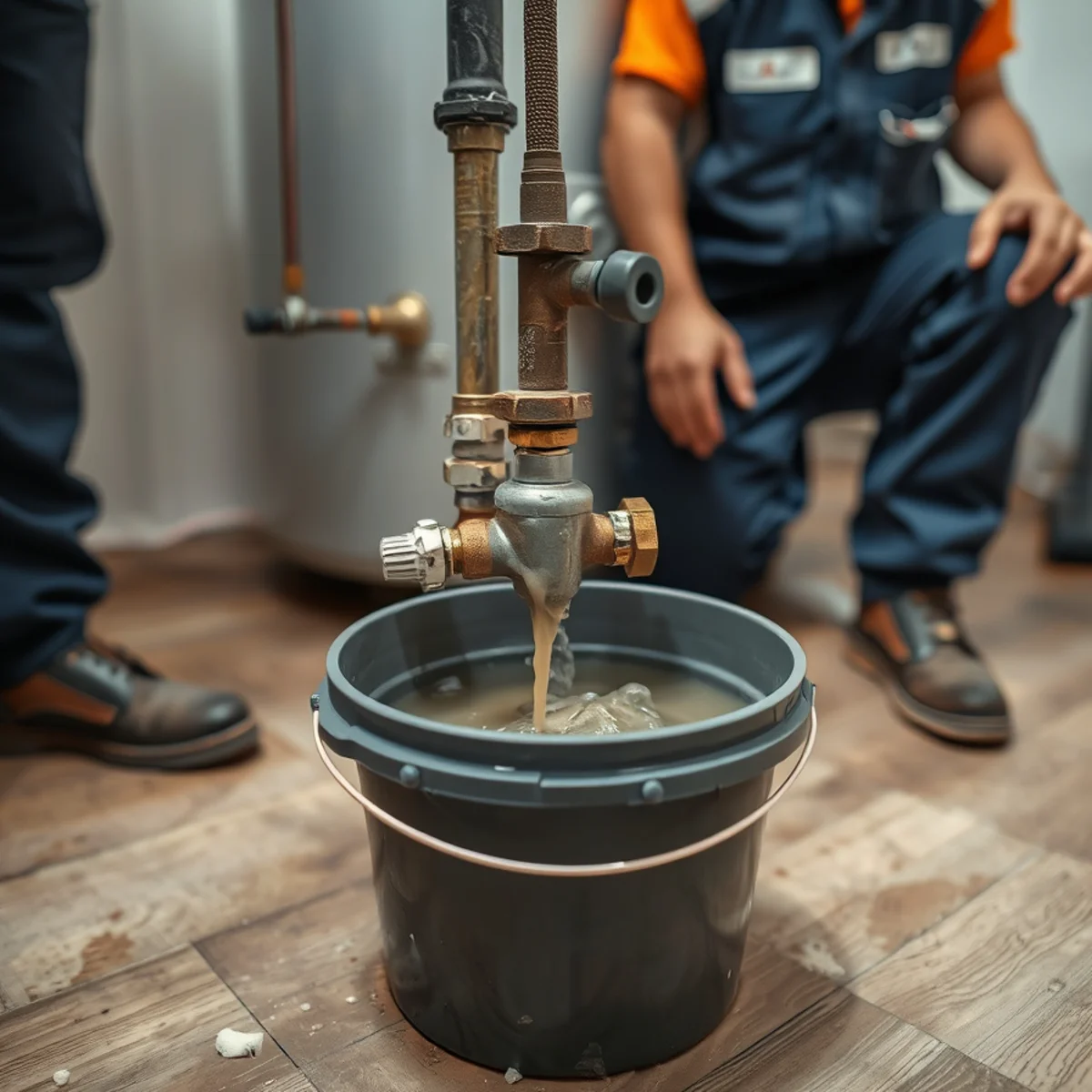
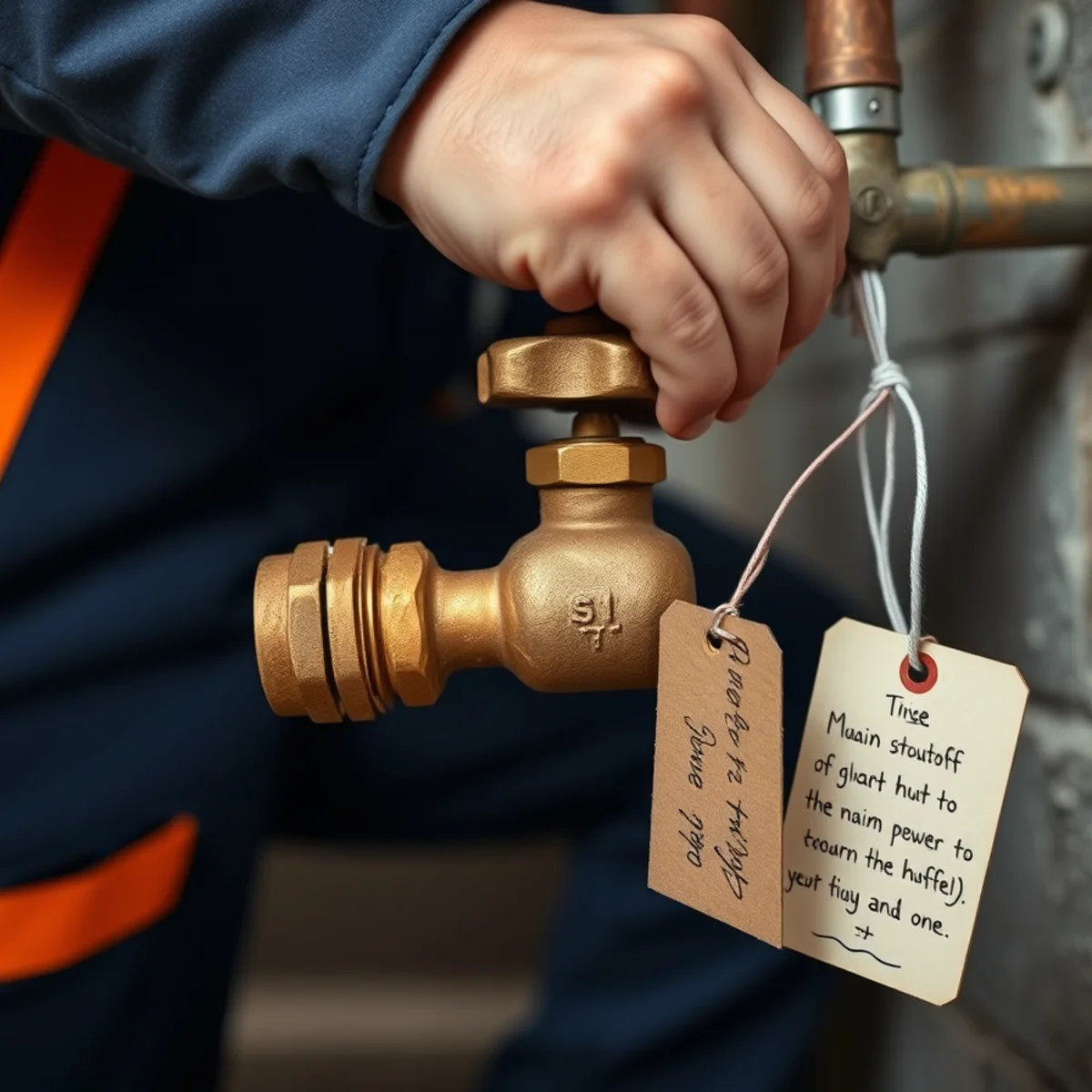
- Shut off the cold inlet — the valve on the cold pipe entering the top of the tank. This stops the tank refilling as it empties, which is the thing that turns a leak into a flood.
- Kill the heat. Gas control dial to "Off". Electric, switch the breaker off. An element energised in a draining tank is destroyed in seconds.
- Do not open the drain valve yet unless you can control where the water goes. Tank water is at tank temperature.
- If water is reaching outlets, the panel or a furnace, shut off power at the breaker — but only if you can reach the panel without standing in water. Otherwise leave and call from outside.
- Move what you can off the floor, and photograph everything before you clean up.
Now work out where it is coming from
From a fitting or connection at the top
The cold inlet, hot outlet or a union. This is usually a repair — tightening, re-sealing or replacing a fitting. Water runs down the outside of the tank and pools at the base, which makes it look worse than it is.
From the temperature and pressure relief valve
The relief valve is on the side or top with a discharge pipe running down toward the floor. If it is dripping, it is doing its job — which means something is causing excess pressure or temperature.
Common causes: the thermostat is set too high, or the house has become a closed system without an expansion tank. Many older Maryland installations became closed when a check valve went in at the meter and never got the expansion control that requires.
Never cap or plug a discharging relief valve. It is the safety device that stops a water heater becoming dangerous.
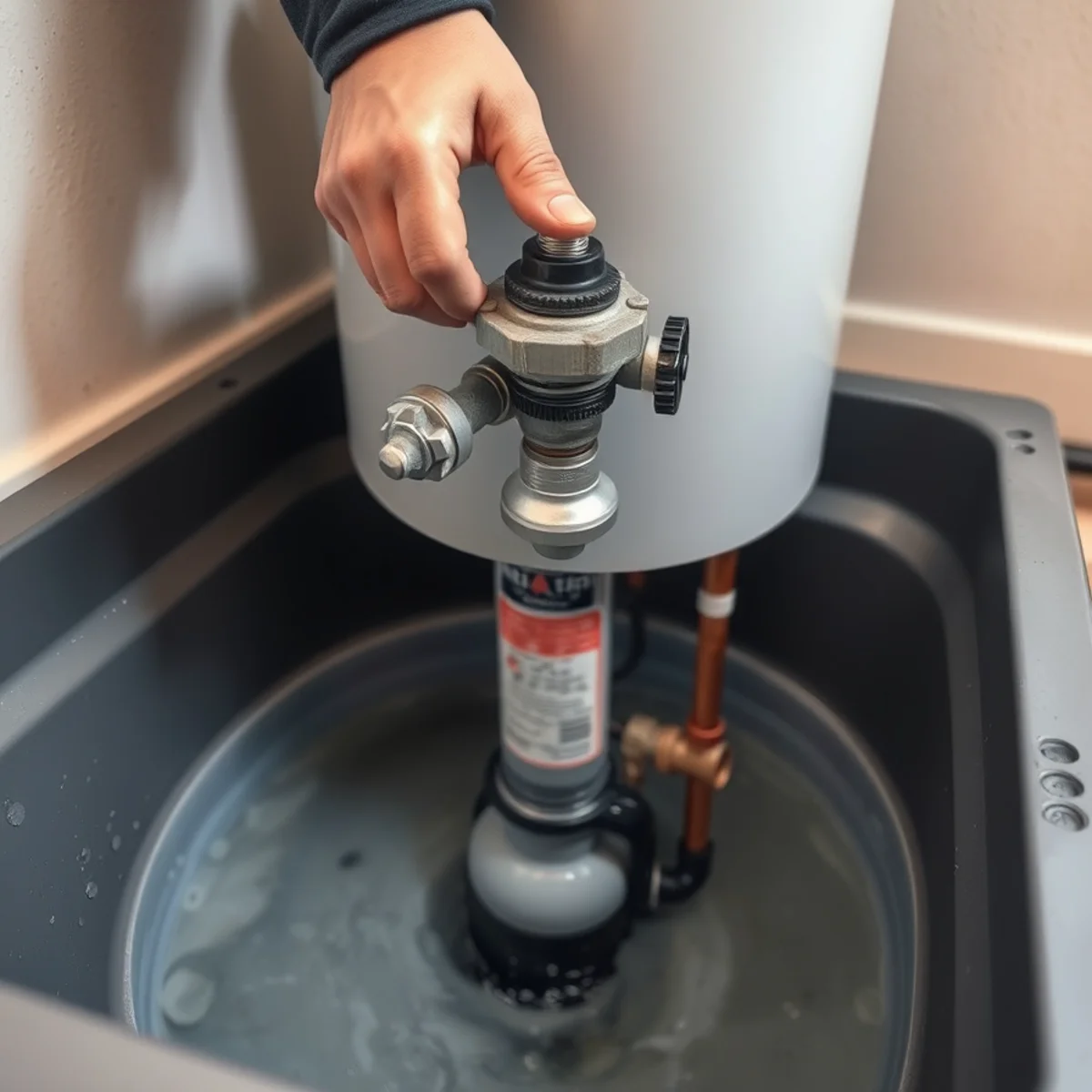
From the drain valve at the bottom
Often just a valve that has not reseated, particularly after a flush. Sometimes a cracked plastic valve on an older unit. Either way it is a repair, and a cheap one.
From the tank body itself
This is the one that ends the conversation. If water is weeping from the shell rather than a fitting, the steel has corroded through from the inside and there is no repair. The tank has to be replaced, and it should be done before it opens up properly rather than after.
Look for rust streaks running down the outside, or moisture appearing from a seam. If the leak persists with every fitting dry, assume the tank.
Why this happens early in Maryland
Our water runs about 7 to 8.2 grains per gallon. Every gallon heated leaves a little mineral behind on the bottom of the tank, where it insulates the steel from the water and lets it run hotter than design. The sacrificial anode that protects the tank gets consumed faster in that environment, and once it is gone the steel corrodes.
A tank rated for ten to twelve years commonly gives six to eight here without flushing or treatment. Which is why, when we replace one, we test the hardness while we are there — because otherwise the replacement is on exactly the same clock.
What we do when we arrive
We keep common sizes on the truck, so a failed tank is frequently a same-day job rather than a cold night. That is a large part of what our 24/7 emergency service exists for, and we cover Catonsville, Towson and the surrounding counties.
- Confirm the source. Plenty of "the tank has gone" calls are a fitting, and we would rather find that.
- Check the age from the rating label, the anode condition where accessible, and the expansion control.
- Give you the price before any work, including whether repair is genuinely viable on a unit of that age.
- Where it is a replacement, size to your actual peak demand rather than matching what was there, pull the Baltimore County permit, fit a drain pan and expansion tank where needed, and haul the old unit away.
- Test your water hardness free while we are there.
Preventing the next one
- Flush the tank annually. In this water it is the single highest-return maintenance job in the house.
- Check the anode rod every three to four years.
- Fit a drain pan piped to a drain, particularly where the heater sits inside finished space.
- Confirm you have an expansion tank if the house is a closed system.
- Set the thermostat around 120°F. Higher costs more and accelerates the scale that kills the tank.
- Address the water. If this is your second or third heater in twenty years, the heater was never the problem — see water treatment.
Frequently asked questions
Can a leaking water heater be repaired?
If the leak is at a fitting, the drain valve or the relief valve, yes, and usually cheaply. If it is from the tank body itself, no — the steel has corroded through and no repair holds. The location is the whole diagnosis.
My relief valve keeps dripping. Can I just cap it?
Absolutely not. That valve is the safety device that prevents a water heater becoming dangerous. A dripping relief valve means excess pressure or temperature and the cause needs finding — commonly a missing expansion tank on a closed system.
How long do I have if the tank is weeping?
There is no reliable answer, which is the problem. Corrosion that has breached the shell is progressing and the final failure is not gradual. Treat a weeping tank as a replacement to schedule this week, not this month.

Who wrote this
Collins & Sons LLC — Daniel Collins and family
We are a family plumbing business working out of 209 Westowne Rd in Catonsville, and we have been under Maryland houses for over 40 years — three generations of it. Most of what is on this page comes from doing the same jobs repeatedly on the same housing stock: pre-1950 homes off Frederick Road, galvanized supply, cast iron drainage, and water that runs 7–8.2 grains per gallon.
Licensed MHIC #117712 with the Maryland Home Improvement Commission and fully insured. We pull the Baltimore County permits on water heaters, sewer work and gas piping, and we meet the inspector ourselves.