Most homeowners meet their water system one failure at a time. The heater goes, so they replace the heater. A valve seizes, so they replace the valve. Pressure drops, so they live with it. Each decision is sensible on its own and the result is a system nobody has ever looked at as a whole.
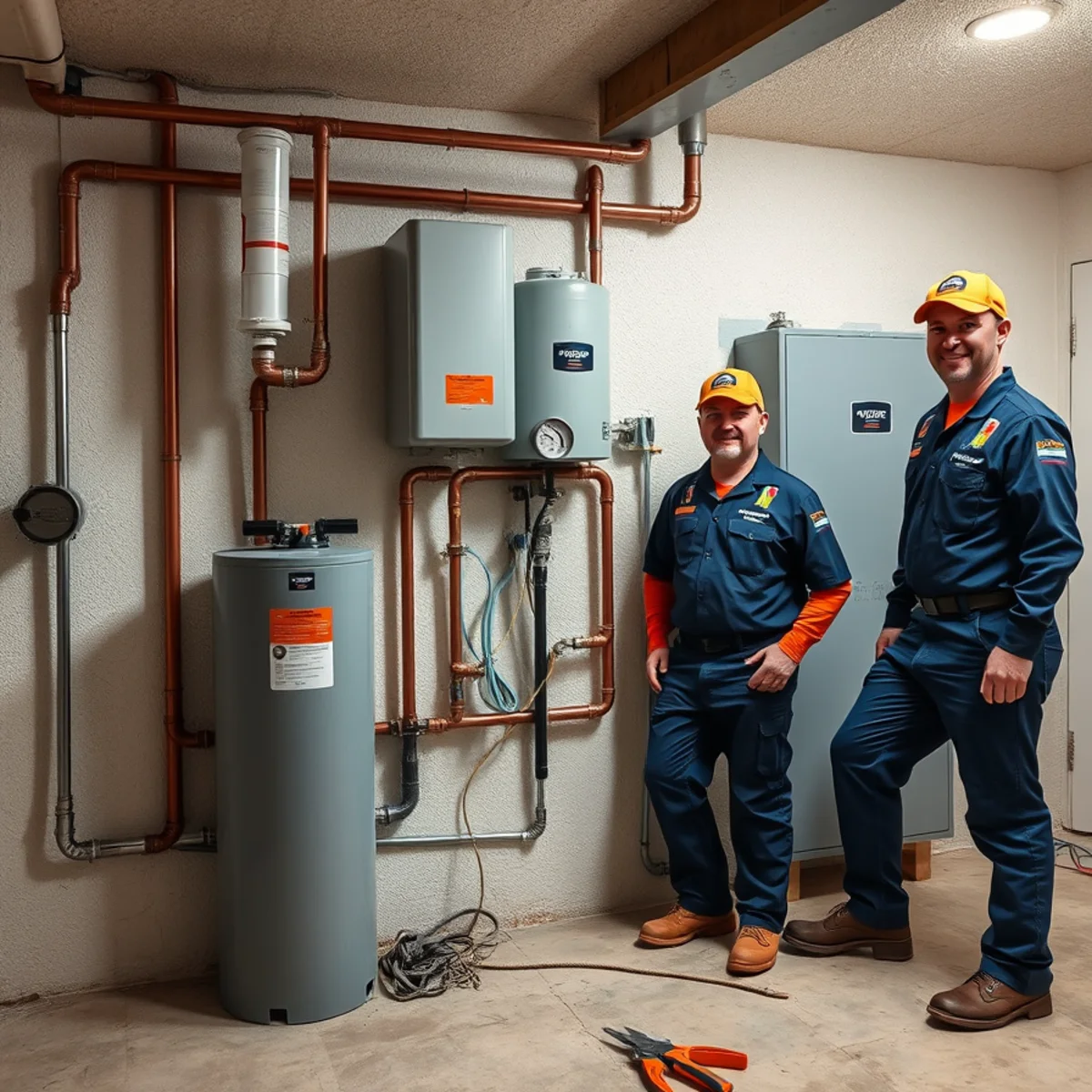
Collins & Sons specialises in exactly this — quality service to your home water system, which is the phrase the business has used since long before it was a marketing line. It means looking at supply, pressure regulation, heating, treatment and distribution together, and telling you honestly which link is the weak one.
Frequently the answer is smaller than people expect. A failed pressure reducing valve, an expansion tank that was never fitted, and a softener sized for the household will transform how a house feels to live in for a fraction of what a repipe costs. Sometimes it is bigger. Either way, you should know before you spend.
Signs you need home water system upgrades
- Pressure that collapses when a second fixture is opened
- Water heater failing well short of its rated life, more than once
- Scale on every fixture and spotted glassware from the dishwasher
- A long wait for hot water at the fixtures furthest from the heater
- Angle stops and shutoff valves across the house that no longer turn
- Discolored water at first draw in the morning
- A house with three bathrooms on plumbing sized for one
- A plumbing system that has been repaired piecemeal for thirty years
If you have replaced two water heaters in fifteen years, the heater was never the problem. That is a system-level symptom and it is worth an hour of proper assessment.
What the job includes
Whole-system assessment
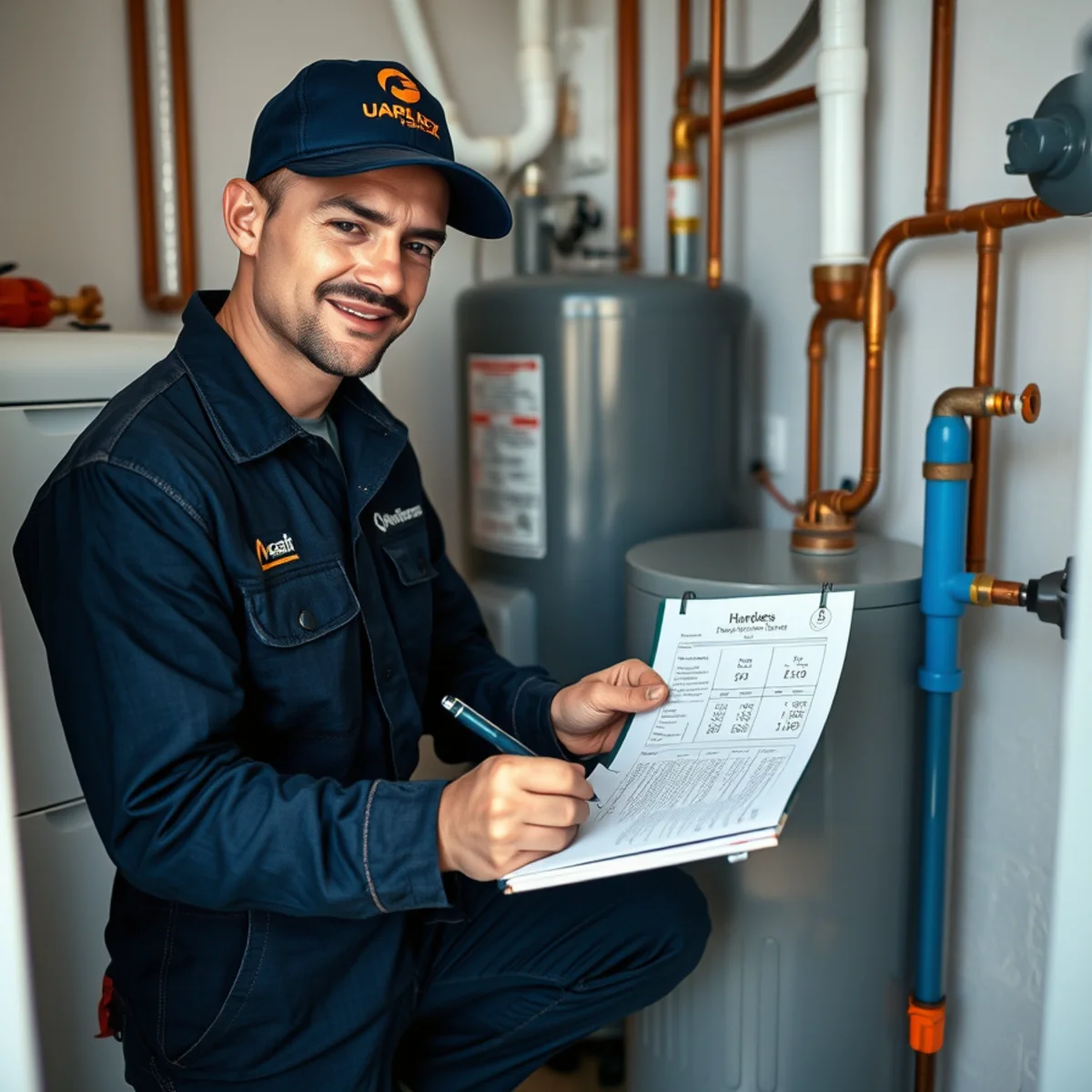
Static and flow pressure at the meter and inside the house, supply material and condition, water heater age and capacity, treatment status, and a measured hardness reading. You get a written picture of what you actually own.
Pressure regulation and expansion control
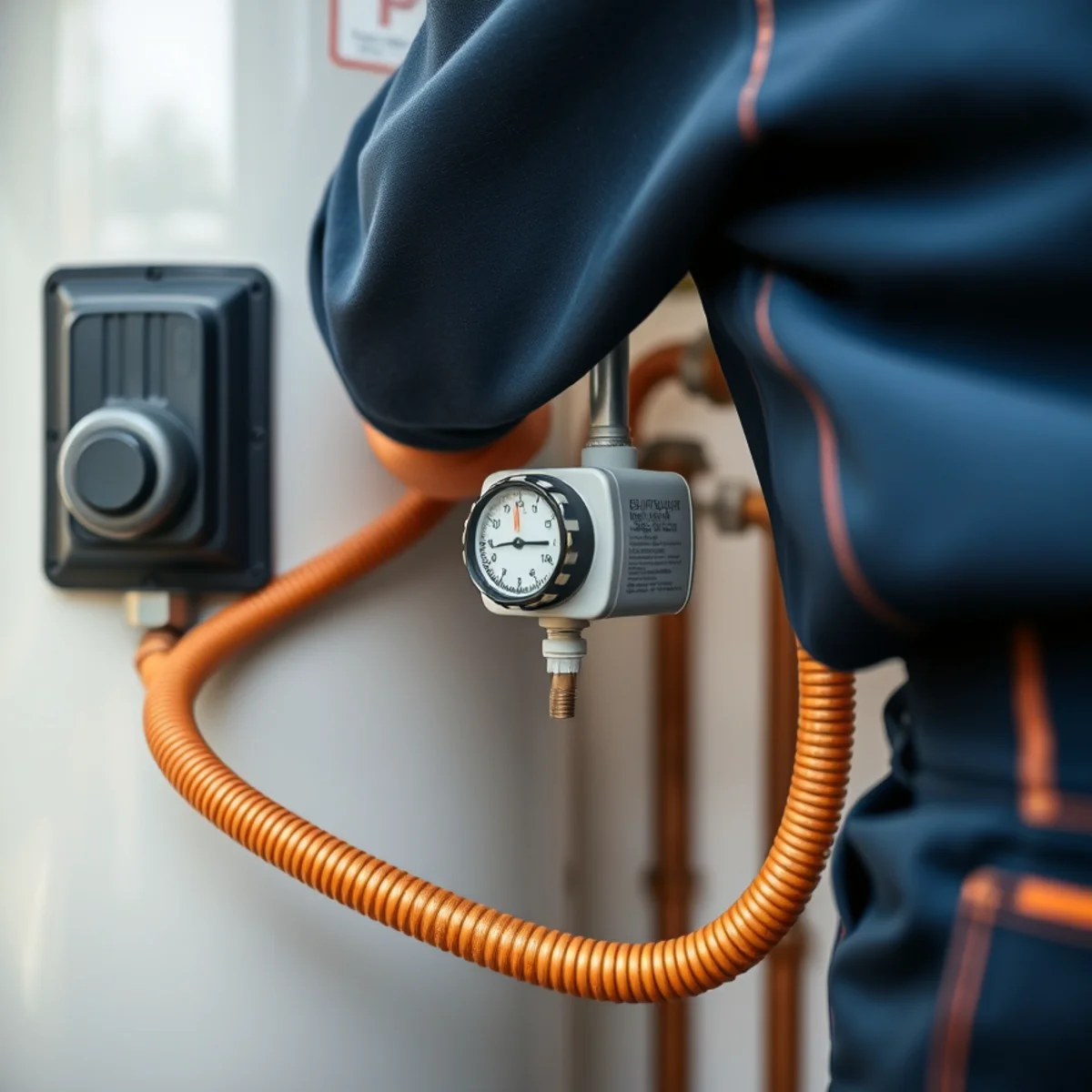
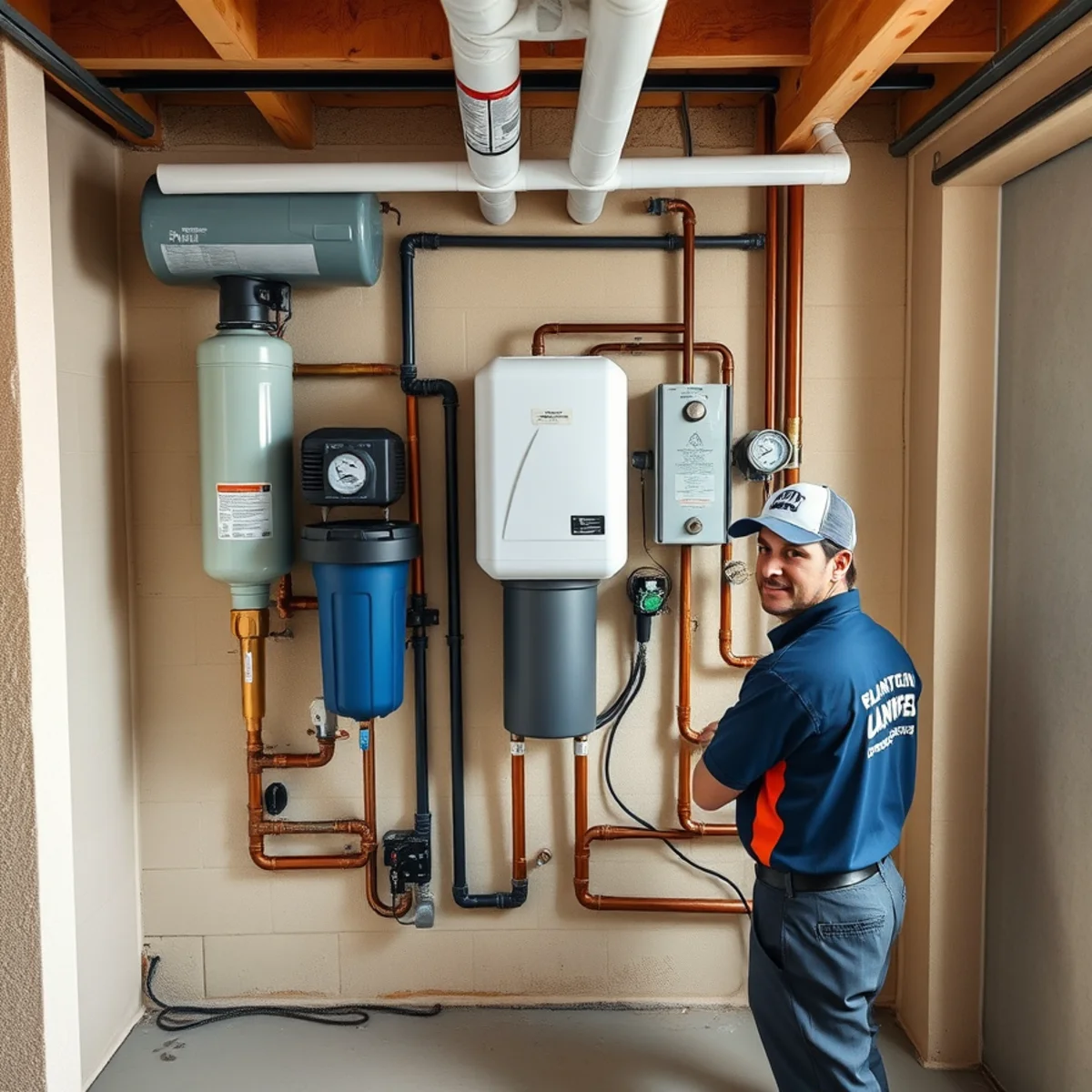
Replacing failed pressure reducing valves and fitting expansion tanks. Many older Catonsville installations became closed systems when a check valve went in at the meter and never got the expansion control that requires.
Service line and distribution upgrades
Upsizing an undersized buried service line, or replacing corroded internal piping, where the assessment shows that is genuinely the bottleneck rather than something cheaper.
Water treatment sized to the house
Softening for scale, carbon for taste and odor, reverse osmosis for drinking water. Specified from a measured hardness reading and actual household use, not from a package tier.
Hot water delivery improvements
Right-sizing the heater to real peak demand, and recirculation systems where hot water takes too long to reach distant fixtures. Far easier to install during other work than as a standalone job.
Valve and shutoff modernisation
Replacing calcified multi-turn stops with quarter-turn ball valves throughout, and fitting a proper main shutoff you can actually operate in an emergency.
How we work
1. Measure before recommending
Pressure readings, hardness test, meter check and a visual survey of every accessible run. Nothing gets proposed until we have numbers.
2. Find the actual bottleneck
A house with weak pressure has one limiting factor, not five. Identifying it correctly is the difference between a modest repair and an unnecessary excavation.
3. Put it in priority order
What will fail expensively, what is degrading quality of life, and what is simply not ideal. You get the list ranked by consequence, not by our margin.
4. Phase it if that suits you
Very few households do everything at once. We plan the phases so nothing done first has to be undone later, and so the highest-impact item comes first.
5. Install, test and document
Permits where required, pressure verified afterward, treatment programmed for your measured hardness, and a written record of what changed.
What drives the price
We do not publish fake prices, because a number that does not match your house is worse than no number at all. What we can do is tell you exactly what moves the figure, so nothing on the estimate is a surprise.
The assessment itself
A full system assessment is a diagnostic visit and carries a service charge, which we state upfront. It frequently saves more than it costs by ruling out the expensive possibilities.
Which link is weak
A failed pressure reducing valve and a corroded buried service line present identically and differ enormously in cost. That is precisely why we measure first.
How much you do at once
Treatment, expansion control and valve replacement bundled into one visit costs meaningfully less than three separate jobs, because the labor overlaps.
Equipment quality
Metered demand-initiated softeners cost more than timer units and use far less salt and water. Over ten years the better equipment is usually the cheaper equipment.
Access and house age
A full unfinished basement makes almost every part of this cheaper. Finished basements and plaster walls push work into more difficult space.
What this looks like in Catonsville
Three things define home water systems in Catonsville, and they compound. The water is hard at roughly 120 to 141 PPM. Much of the housing stock predates 1960 and still has galvanized supply somewhere in it. And most houses have been partially repaired over decades, leaving mixed materials and mismatched sizing.
The result is a very common pattern: gradually declining pressure that the household has stopped noticing, a water heater on its second or third replacement, fixture valves that no longer turn, and a homeowner who assumes this is just what an old house is like. It is not. It is a system that has never been looked at as a system.
Expansion control is a specific local issue worth flagging. When a check valve or backflow preventer is fitted at the meter — which is now common — the house becomes a closed system, and heated water has nowhere to expand. Without an expansion tank, that pressure goes into the water heater relief valve and every fixture in the house. A great many older Catonsville installations predate this and never got one.
And out at the western edge of our area — Clarksville, western Howard County, much of Carroll County — some properties are on private wells rather than the Baltimore City supply. That changes the entire treatment conversation, because well water is specific to the parcel and has to be tested rather than assumed.
Home Water System Upgrades questions we get asked
What is a home water system assessment?
About an hour of measurement: static and flow pressure at the meter and at the house, a hardness test, a meter leak check, water heater age and condition, and a visual survey of accessible piping. You get a written summary with a prioritised list. Most homeowners have never had one.
Is this just a way of selling me a softener?
No. Plenty of assessments end with "replace your pressure reducing valve and your angle stops, and leave everything else alone." If the hardness reading does not justify treatment we say so — we would rather have your trust than one more softener sale.
What is an expansion tank and do I need one?
It is a small tank that gives heated water somewhere to expand into. You need one if your house is a closed system — which it is if there is a check valve or backflow preventer at the meter. Without it, pressure spikes stress the water heater and every fixture. Many older installations here do not have one.
Can I do this in stages?
Yes, and most people do. We rank the list by consequence, start with whatever will fail expensively or is degrading the house most, and plan the phases so nothing gets undone later.