In a large house, the tap furthest from the water heater can take a minute or more to run hot. Every one of those waits sends several gallons of perfectly good cold water down the drain, and it happens several times a day.
Recirculation solves it. Here is how the different systems work, what each actually costs to run, and when it is genuinely worth doing.
What the problem actually is
When you open a hot tap, the water that comes out first is whatever has been sitting in the pipe between the heater and the tap, cooling off. You have to flush all of it out before hot water arrives.
The volume involved is a function of pipe length and diameter. A long run of three-quarter-inch pipe to a far bathroom can hold several gallons — that is what you are waiting for and paying to send to the drain.
This is why the problem is worst in large houses with the heater at one end, and why it barely exists in a small house with the bathroom above the basement.
The three approaches
Dedicated return line
A separate return pipe runs from the furthest fixture back to the water heater, forming a loop, with a small pump circulating water around it. Hot water is always present in the loop, so it arrives at the tap almost immediately.
This is the proper way to do it and it performs best. The catch is the return line — running one through a finished house is a substantial job, which is why this is really a new-build or major-renovation option.
Comfort valve (crossover) system
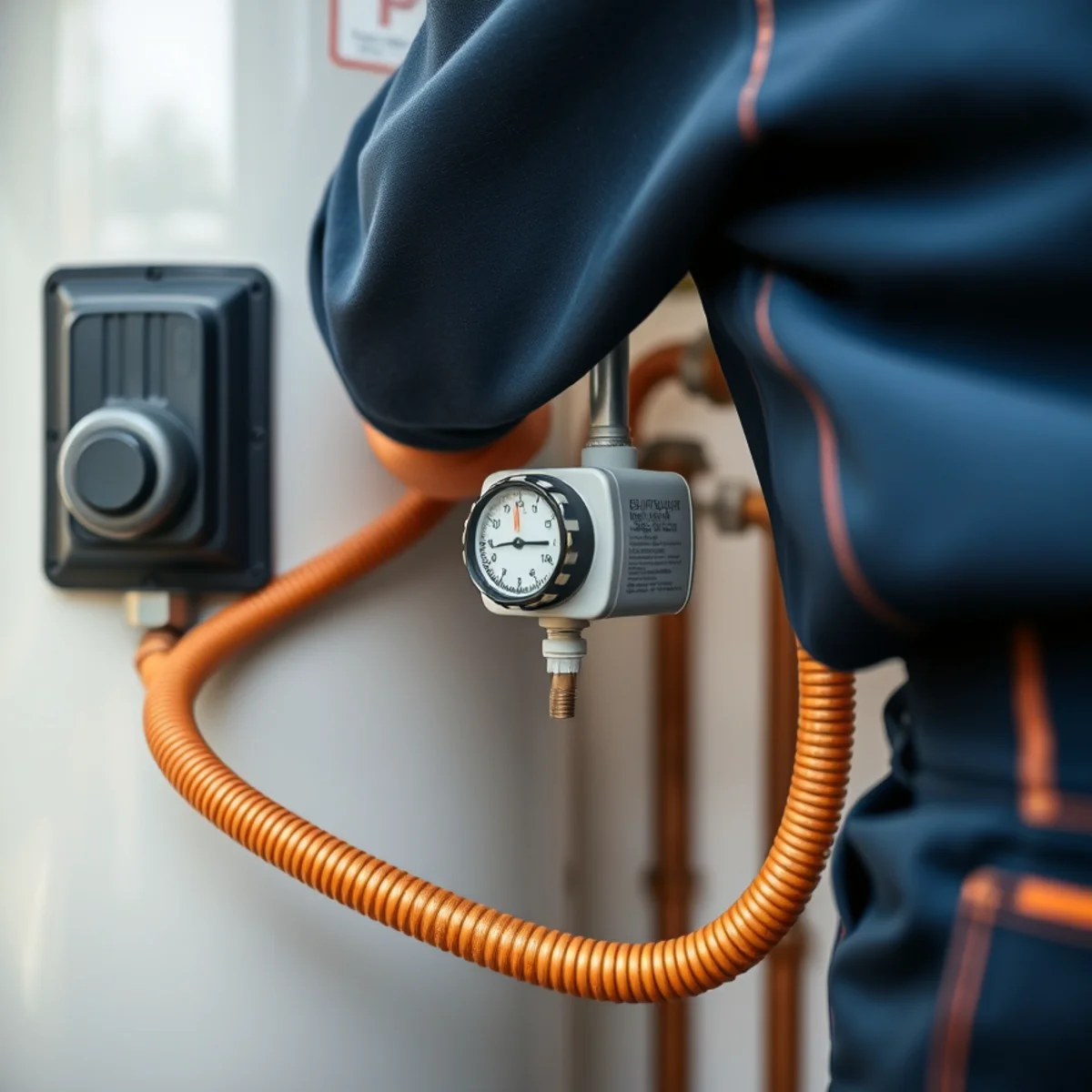
A pump at the water heater and a thermostatic crossover valve fitted under the sink at the furthest fixture. The valve lets cooled hot water pass into the cold line and back to the heater, using the existing cold pipe as the return.
No new pipework through walls, which makes it the practical retrofit option for an existing house. The trade-off is that the cold water at that fixture runs slightly warm for a short period after the pump has been running.
Point-of-use pump
A small pump under the furthest sink rather than at the heater, activated by a button or a motion sensor. It draws hot water toward the fixture on demand.
The most limited and the cheapest. Good for one problem bathroom, not a whole-house solution.
The part people get wrong: how it is controlled
A recirculation pump running continuously is the reason these systems get a bad reputation. It keeps the loop hot twenty-four hours a day, which means the water heater is reheating water nobody is using, all night, forever.
Sensible control makes the difference between a system that saves water and one that wastes energy:
- Timer control. Runs during the hours you actually use hot water — mornings and evenings. Simple and effective.
- Thermostatic control. Only runs when the loop temperature drops below a set point.
- On-demand control. A button, motion sensor or smart-home trigger starts the pump when somebody is about to use the tap. The most efficient, and the one we usually recommend.
When it is genuinely worth it
- The furthest fixture takes more than roughly 30 to 45 seconds to run hot.
- The house is large, or the heater is at the opposite end from the main bathrooms.
- You are already opening walls for a renovation — this is dramatically cheaper to fit then.
- Water conservation matters to you, or you are on a meter and notice the bill.
- There is a household member for whom waiting is a genuine inconvenience.
When it is not
- A compact house where hot water already arrives in fifteen seconds. You would be adding complexity and standing energy loss for no real benefit.
- A tankless water heater without a compatible setup. Some tankless units do not respond well to the small draws recirculation creates, and some need a dedicated buffer tank or a model with built-in recirculation support. This needs checking model by model rather than assuming.
- A house with more pressing problems. If the supply piping is failing or the heater is undersized, fix those first.
The Maryland footnote
One local point worth making: a recirculation loop moves the same water past heat exchange surfaces repeatedly, and in water at 7 to 8.2 grains per gallon that accelerates scale accumulation.
If you are fitting recirculation, it is a further argument for treating the water at the same time. It is not a reason not to fit it — it is a reason to do the pair together.
We fit these most often during renovations in the larger homes across Clarksville, Potomac and similar areas, and the single best time to raise it is while walls are already open. See home water system upgrades for how it fits alongside everything else.
Frequently asked questions
How much water does waiting for hot water actually waste?
It depends on pipe length and diameter, but a long run to a far bathroom can hold several gallons — and that is per draw, several times a day, every day. Over a year it is a meaningful number on a metered supply.
Will a recirculation system increase my energy bill?
A continuously running pump certainly will, because the heater keeps reheating the loop. Timer or on-demand control largely removes that, and on a well-insulated loop the trade-off between pumping energy and water saved is favourable.
Can I add recirculation to a tankless water heater?
Sometimes, and it depends on the model. Some tankless units do not fire reliably on the small draws recirculation creates, and some need a buffer tank or a model with built-in recirculation support. Check the specific unit before committing.

Who wrote this
Collins & Sons LLC — Daniel Collins and family
We are a family plumbing business working out of 209 Westowne Rd in Catonsville, and we have been under Maryland houses for over 40 years — three generations of it. Most of what is on this page comes from doing the same jobs repeatedly on the same housing stock: pre-1950 homes off Frederick Road, galvanized supply, cast iron drainage, and water that runs 7–8.2 grains per gallon.
Licensed MHIC #117712 with the Maryland Home Improvement Commission and fully insured. We pull the Baltimore County permits on water heaters, sewer work and gas piping, and we meet the inspector ourselves.