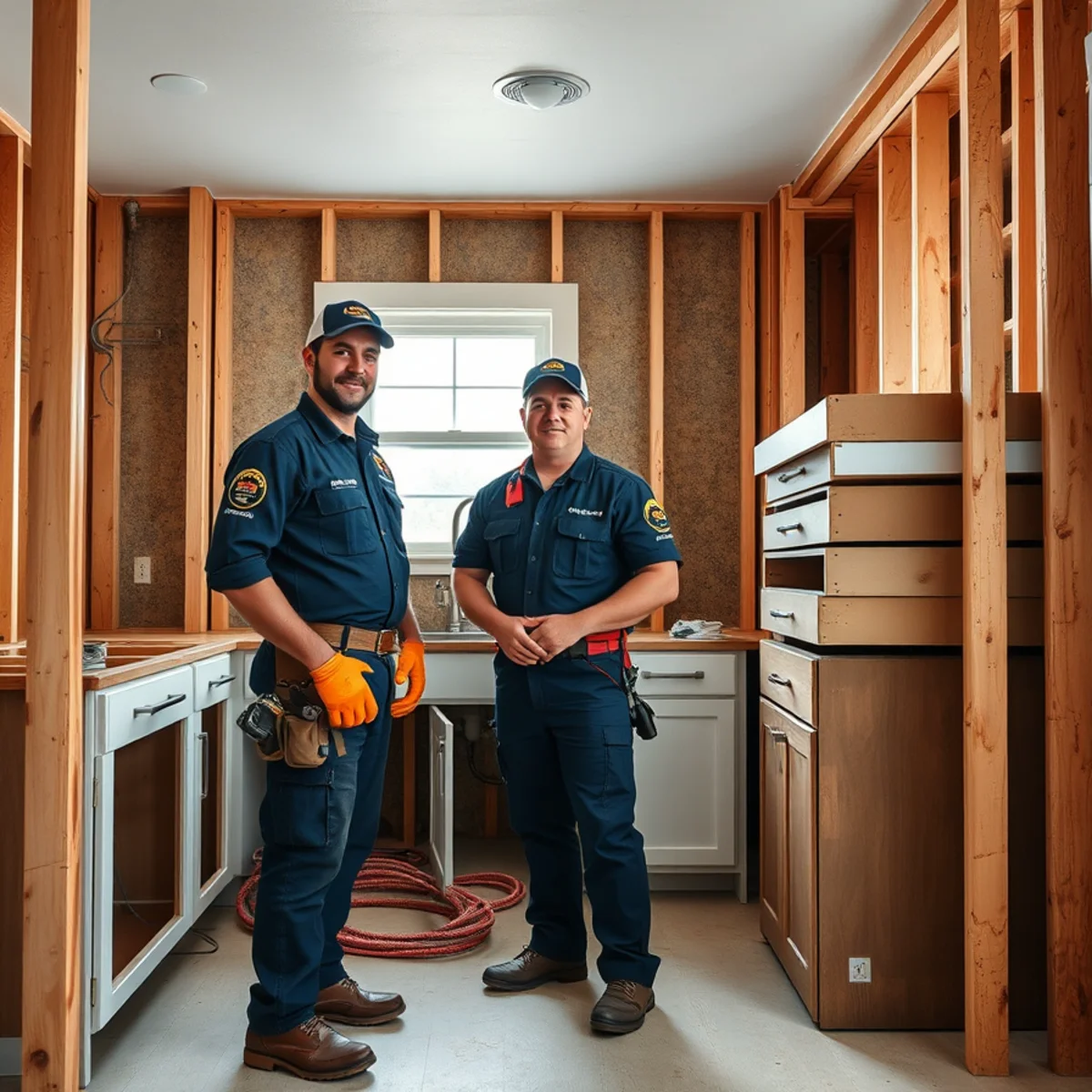

A renovation is the one moment when the expensive part of plumbing work — access — is free. Walls are open, floors are up, ceilings are down. Anything you do to the plumbing during that window costs a fraction of what it costs afterward, and anything you skip becomes twice as expensive the day you wish you had done it.
That is the single most useful thing a plumber can tell you before a renovation starts. If your house is still on galvanized supply and you are gutting the second floor, replace the supply while it is open. If the cast iron stack runs through the wall you are about to close up, look at it now.
We work alongside general contractors, carpenters, tile setters and electricians across Catonsville and Baltimore County. We turn up when we said we would, because a plumber who holds up the schedule holds up everyone behind them.
Signs you need remodeling plumbing
- Planning a whole-house or multi-room renovation
- Gutting a kitchen or one or more bathrooms
- Opening walls or ceilings for any reason in a pre-1970 house
- Converting an attic, basement or garage into living space
- Changing a floor plan in a way that moves fixtures
- Buying an older house you intend to renovate before moving in
- A contractor who needs a plumber who will hold to the schedule
- Wanting the rough-in photographed and documented before it is covered
Ask for a plumbing assessment before the design is finalised, not after. Whether a fixture can move is decided by joist direction and drain slope, and finding that out after the drawings are approved is how budgets break.
What the job includes
Pre-renovation plumbing survey
Materials, condition, pressure, venting and previous work mapped before design is finalised. It tells you what has to be done, what is worth doing while open, and what can safely be left.
Full rough-in for renovated spaces
Supply, drain, waste and vent for new and relocated fixtures, sized and sloped correctly, pressure tested and inspected before anything is covered.
Supply and drainage replacement while open
Repiping the sections exposed by the renovation, and replacing cracked or scaled cast iron stacks. The cheapest time this will ever be done.
Fixture relocation
Moving sinks, toilets, tubs and laundry within the constraints of joist direction and available slope. We tell you early what is possible and what is not.
Trade coordination
Working to the contractor's programme, confirming finished wall thickness with the tile setter before setting valves, and sequencing around electrical and framing.
Permits, inspection and record photographs
We file, we meet the inspector, and we photograph the rough-in before it disappears. That record is worth having in five years and at resale.
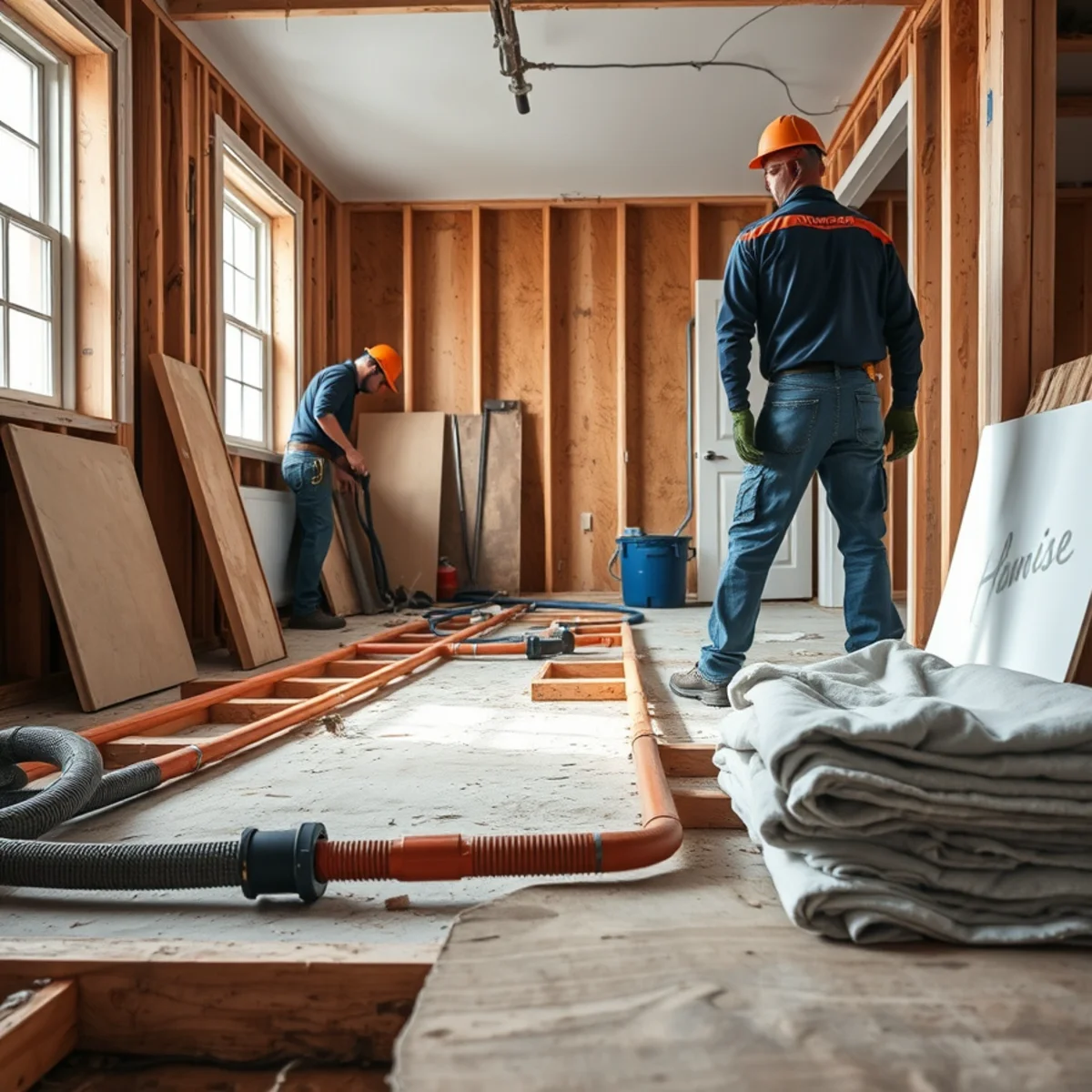
How we work
1. Survey before design is locked
The earlier we look, the more options you have and the fewer surprises the budget absorbs. A one-visit survey at design stage is the highest-value hour in the whole project.
2. Written scope, sequenced to the programme
What we are doing, when we need access, how long each phase takes and when the inspection has to happen. Your contractor gets the same document.
3. Demolition-stage inspection
Once walls are open we look again, because this is when a renovation finds out what it really has. Anything new gets priced before we continue.
4. Rough-in, test, inspect, photograph
Installed, pressure tested, inspected under permit, and photographed. Nothing gets covered until it has passed and been recorded.
5. Finish plumbing and handover
Fixtures set after finishes, everything run under real use, and a written record of what was installed. Then we clean up properly, which our customers mention more than anything else.
What drives the price
We do not publish fake prices, because a number that does not match your house is worse than no number at all. What we can do is tell you exactly what moves the figure, so nothing on the estimate is a surprise.
How much is being moved
Fixtures staying in place are inexpensive. Moving drainage means opening floors and maintaining slope, and it is the biggest single variable in any renovation plumbing budget.
What the survey finds
A house with sound copper and PVC needs far less than one on galvanized and cracked cast iron. The survey turns this from a gamble into a line item.
How much you address while open
Supply, drainage, venting and fixtures done together during the renovation cost substantially less than the same work spread across five years of separate visits.
Wall and floor construction
Plaster and lath is slower to open and harder to patch than drywall. In pre-war Catonsville houses that is a genuine cost difference and we account for it upfront.
Programme and coordination
A well-sequenced job is cheaper than a stop-start one. Where we are working to a contractor's schedule we price for the number of visits the programme actually requires.
What this looks like in Catonsville
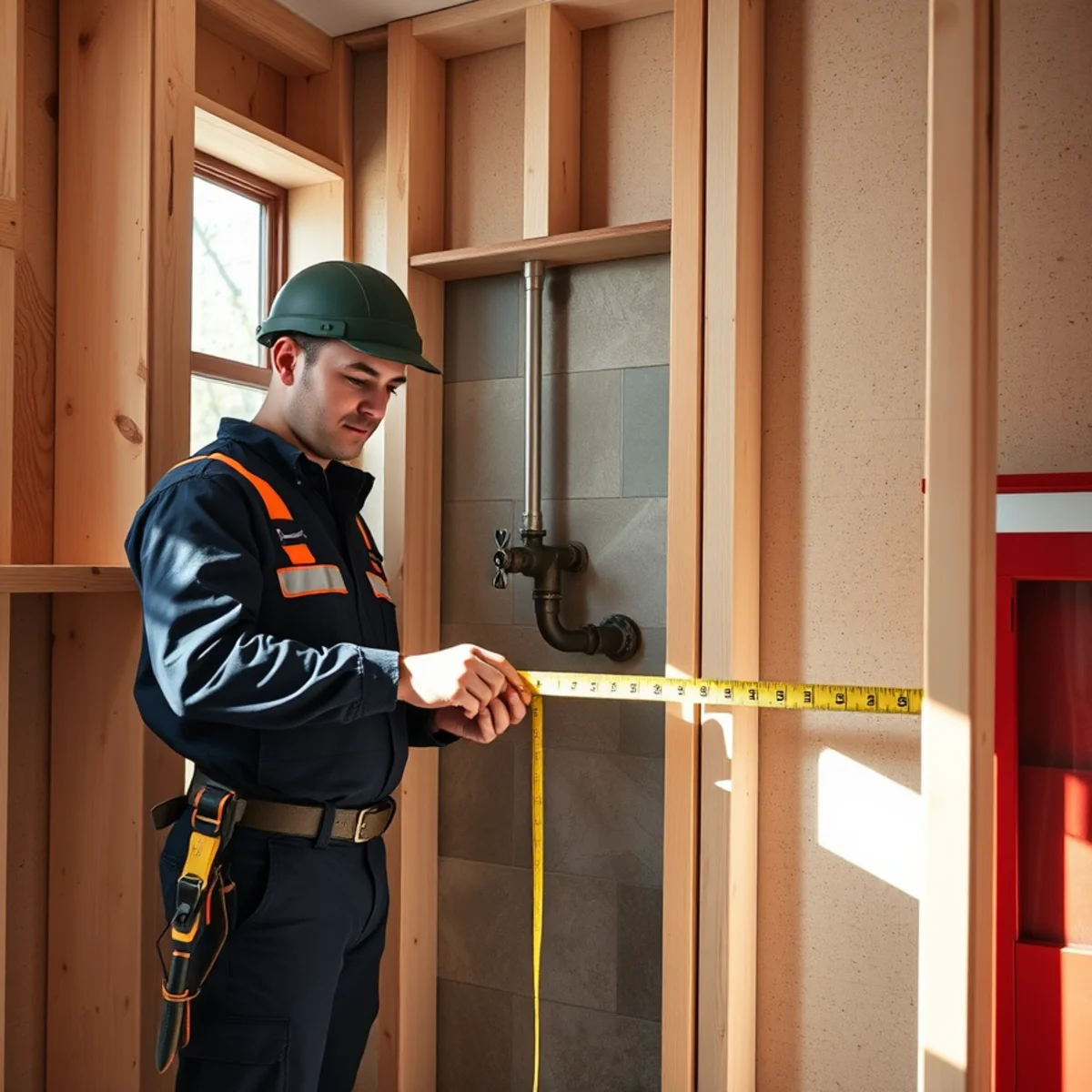
Catonsville renovations almost always turn up the same three things once walls are open. Galvanized supply that nobody knew was still there because a previous owner replaced the visible basement runs and left everything above. Cast iron drainage with heavy scale and a weeping hub connection. And venting from an earlier renovation that was never done properly.
None of those are disasters and all of them are far cheaper to deal with during the renovation than after it. The homeowners who end up unhappy are the ones who closed the walls without looking, and then had to open a finished bathroom eighteen months later.
Plaster and lath is the other local reality. Much of this housing stock has it, it does not cut or patch like drywall, and it is one of the strongest arguments for flexible PEX routing during a renovation — we can reach places through existing cavities that copper would require opening walls to serve.
One thing specific to older Catonsville floor plans: bathrooms and kitchens were sized and positioned for a very different way of living, and clients frequently want to move them. Whether that is possible is decided by which way the joists run and whether the drain can hold slope to the existing stack. We can answer that in one visit, and it is a far better conversation before the drawings are approved than after.
Remodeling Plumbing questions we get asked
When should I bring a plumber into a renovation?
At design stage, before the drawings are finalised. Whether a fixture can move is decided by structure and drain slope, not by preference, and finding that out early is the cheapest hour you will spend on the project.
Should I repipe while I renovate?
If the house is on galvanized, or on copper old enough to be producing pinholes, almost certainly yes for any section the renovation exposes. Access is the expensive part of repiping and the renovation is giving it to you for free.
Do you work with general contractors?
Regularly, across Catonsville, Ellicott City, Pikesville and the surrounding area. We work to their programme, confirm dimensions with the tile setter before setting valves, and complete inspections before anything is covered. Contractors send us repeat work because we do not hold up their schedule.
What if you find something unexpected behind the wall?
We stop, photograph it and price it before continuing. You will not receive an invoice for work you did not agree to. In an older house something unexpected is normal, which is why we survey first and why we recommend a contingency.