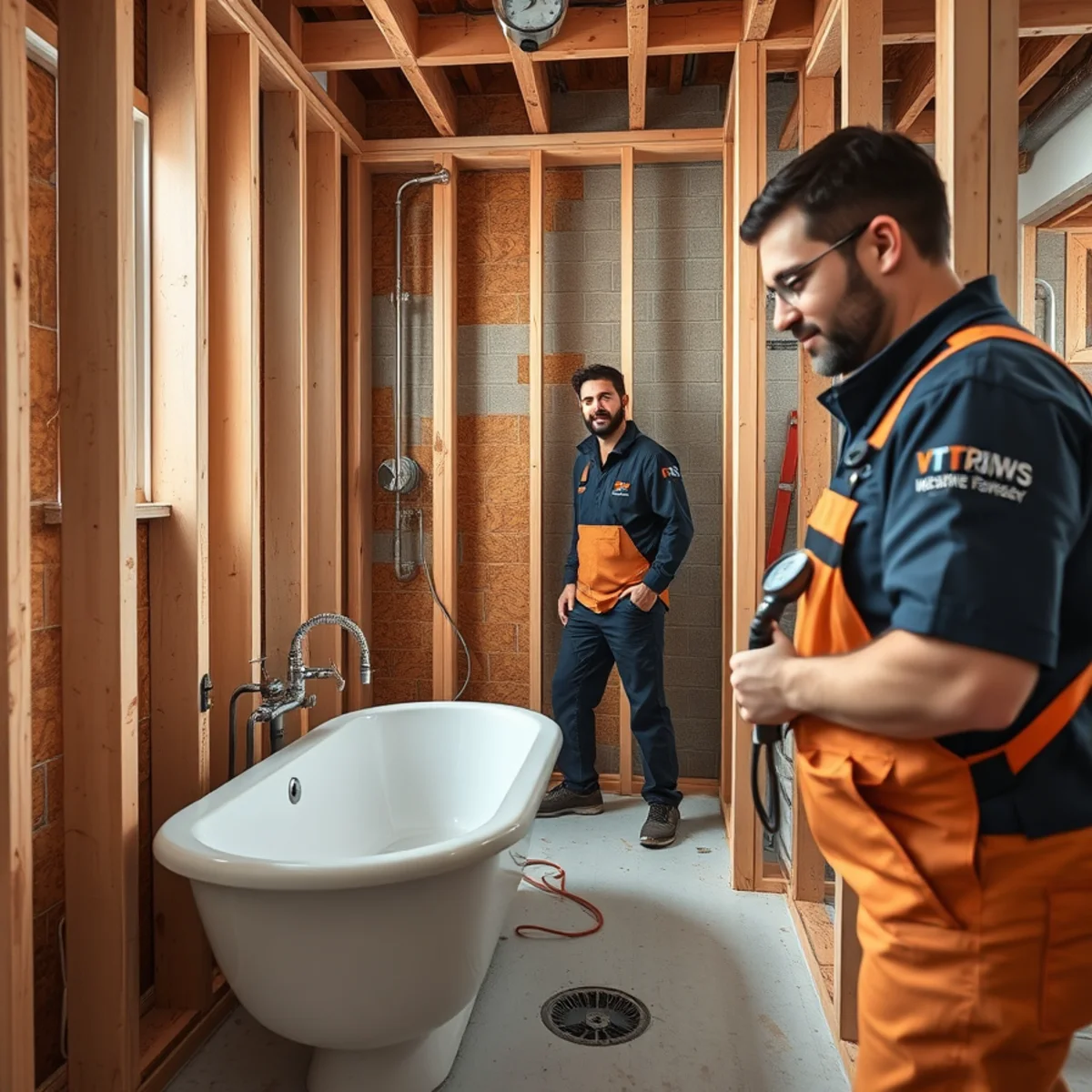
Bathroom remodels go wrong in the plumbing more often than in any other trade, and almost always for the same reason: decisions that are cheap to make before tile goes on become expensive or impossible afterward.
This is the list we work through with homeowners in Catonsville before anything is ordered. Some of it is specific to older houses, which is most of what we deal with here.
1. Decide whether you are moving anything
Replacing fixtures in place is a fraction of the cost of moving them. Moving a toilet or relocating a shower drain means opening the floor and re-running waste and vent at proper slope, and whether that is even possible depends on which way the joists run.
Ask this question first, because the answer changes the budget more than the tile selection will. We can usually tell you in one visit whether a proposed layout works, and it is a far better conversation before design than after.
2. Find out what is behind the wall
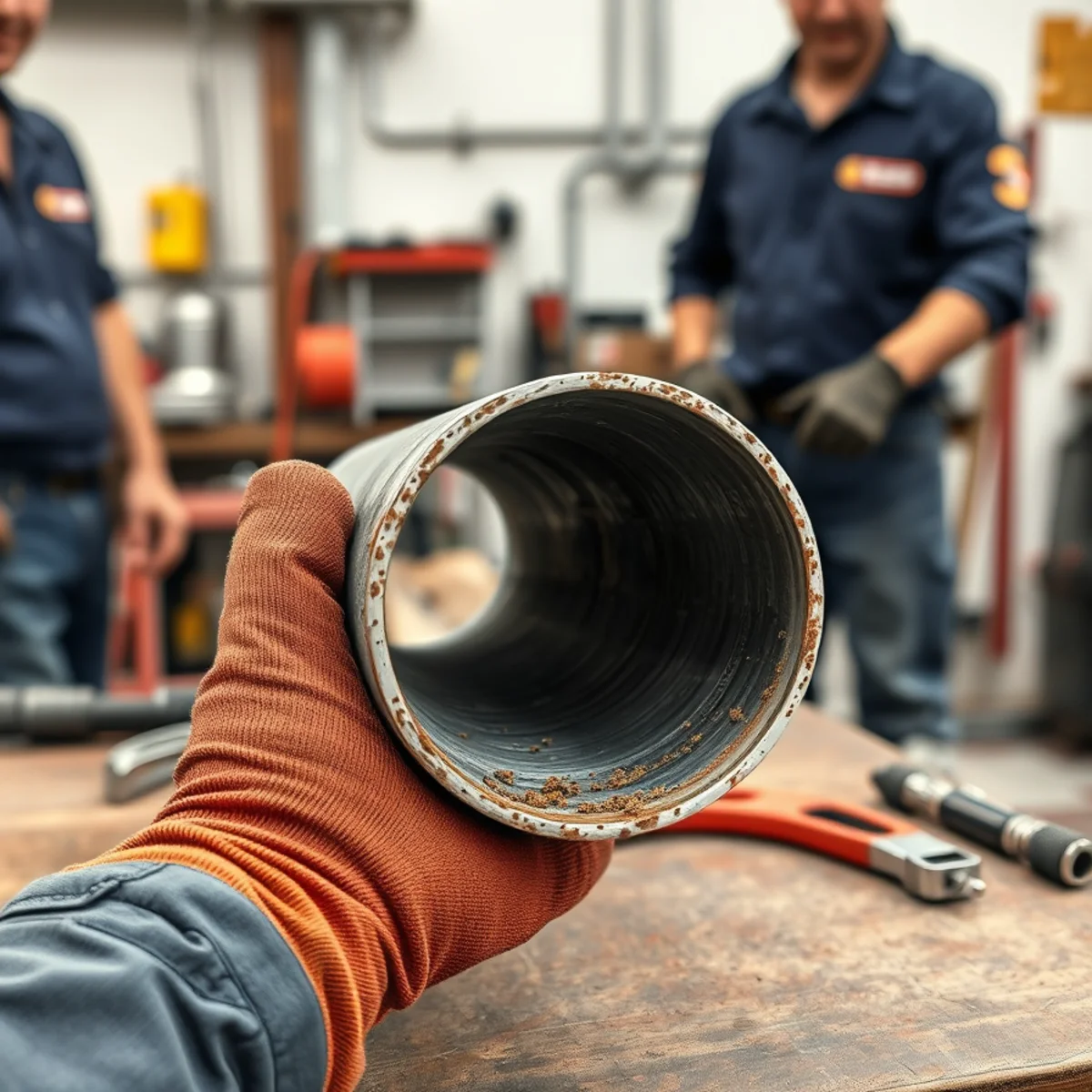
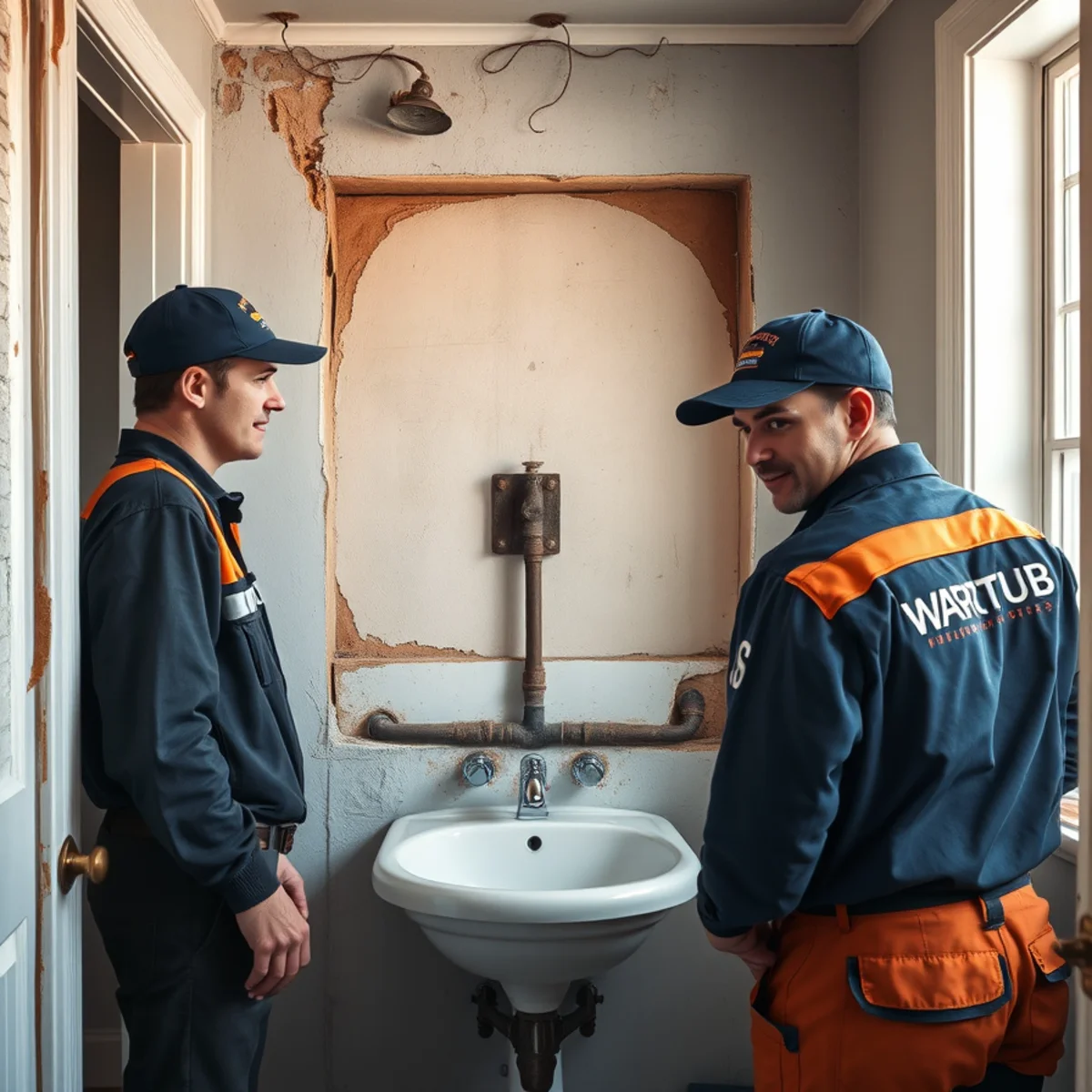
In a pre-1960 Catonsville bathroom, the supply is likely galvanized and the drainage cast iron. Both are at or past the end of their design life. The walls being open is the expensive part of replacing them — doing it later means opening a finished bathroom again.
This is the single biggest cost-avoidance decision in an older-home bathroom remodel. If your supply lines are original, replace them while you have access. Repiping a bathroom during a renovation costs a fraction of doing it as a standalone job.
3. Check the venting
Bathrooms added into former closets, attic conversions and rear additions were frequently connected to drainage without proper venting. That is why some older Catonsville bathrooms gurgle, drain slowly and hold an odor no amount of cleaning fixes.
It has to be corrected to pass inspection on a permitted remodel, and it is not optional. Better to know at estimate time than at inspection time.
4. Confirm finished wall thickness before ordering the valve
This sounds trivial and it is the most common source of remodel problems we get called to fix. A shower valve has to be set at a specific depth relative to the finished surface — and the finished surface depends on the backer board and the tile, which the tile setter chooses.
If the valve goes in before that is confirmed, the trim will not sit correctly, and correcting it after tile means cutting tile. We confirm finished dimensions with the tile setter before setting valves, every time.
5. Choose the right valve for the house
If your shower goes scalding when someone flushes a toilet, you have an old two-handle valve with no compensation. A pressure-balancing or thermostatic mixing valve solves it permanently and is one of the most satisfying upgrades in an older house.
If you want a multi-outlet system — rain head plus handheld plus body sprays — verify that your supply can actually deliver the flow. This is where expensive shower systems disappoint people, and it is entirely preventable by measuring first.
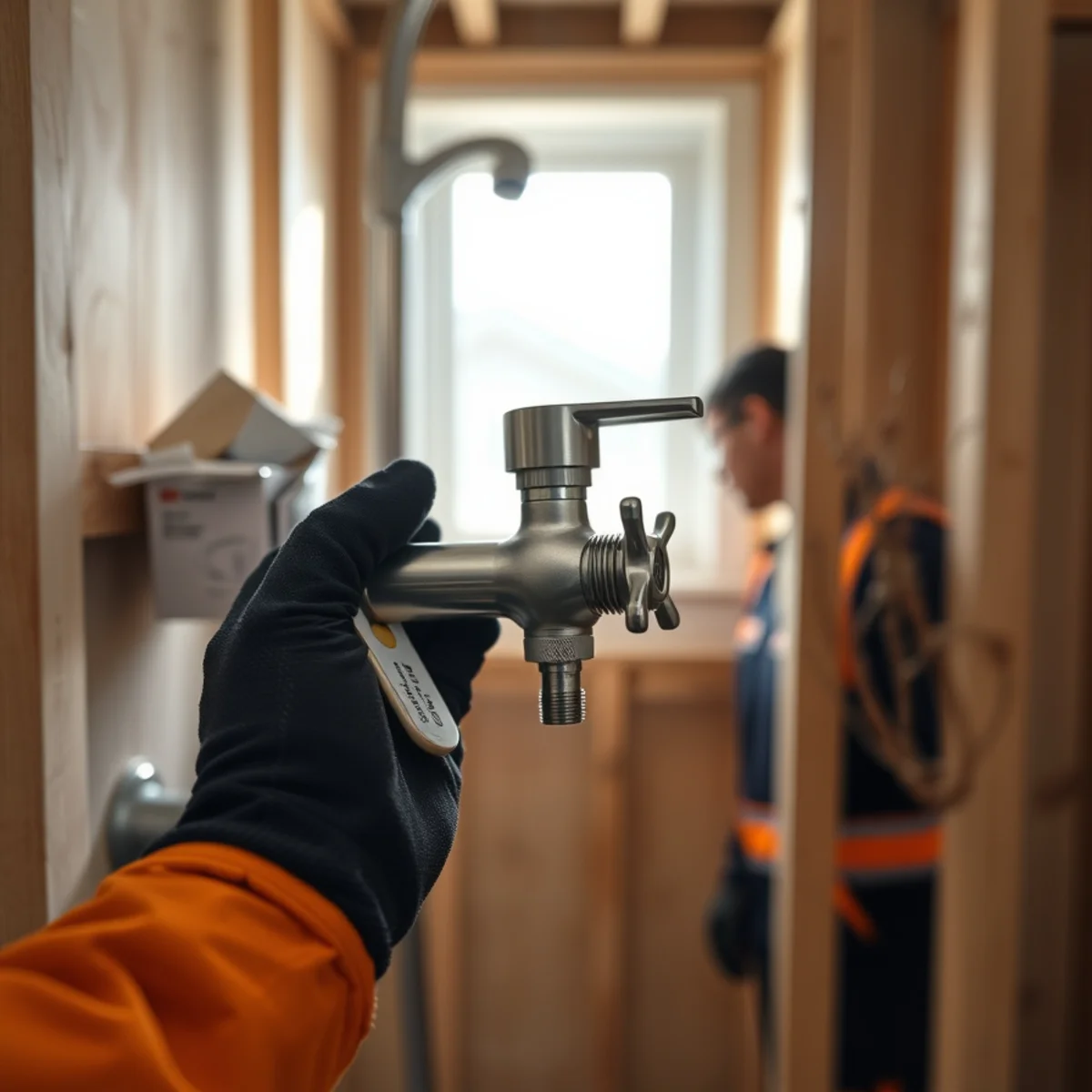
6. Measure the toilet rough-in
Twelve inches from the finished wall to the center of the closet bolts is standard today. Plenty of pre-war Catonsville bathrooms are ten or fourteen. Buy a standard toilet for a ten-inch rough and it will not fit.
Measure before ordering. If you have a non-standard rough, either buy a fixture made for it or plan for an offset flange — and know that before the delivery arrives.
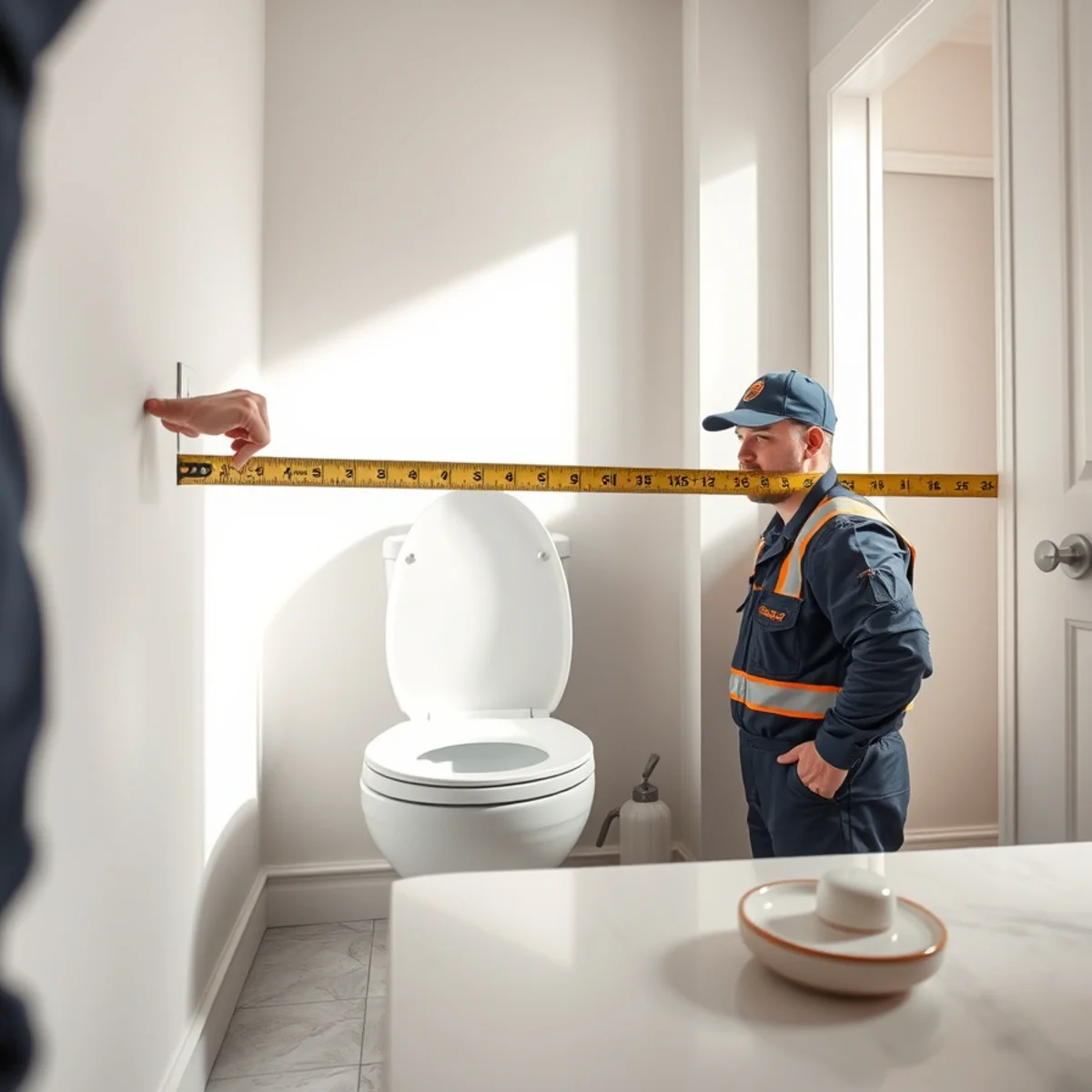
7. Look at the flange and the subfloor
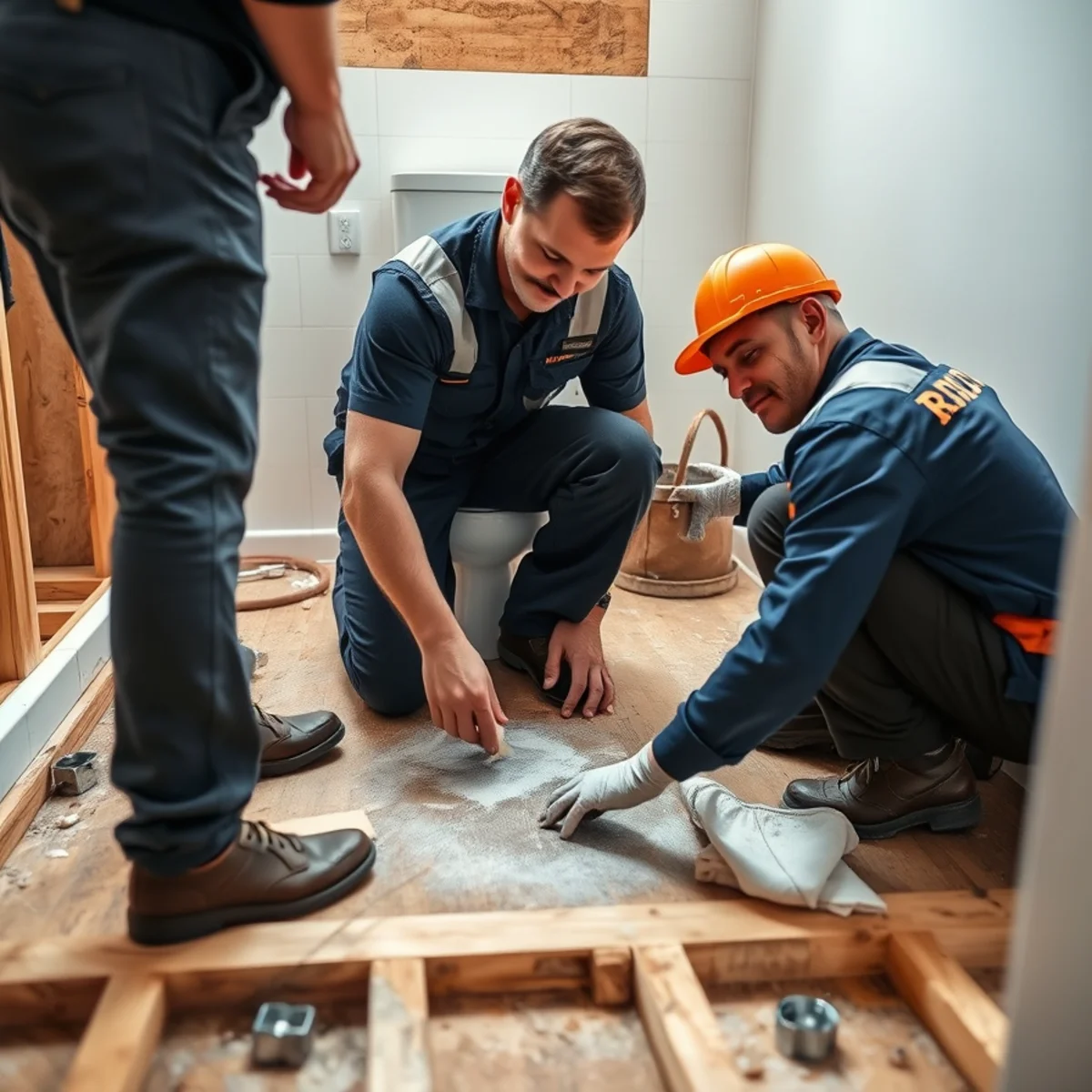
In houses with original cast iron drainage, the closet flange is iron and after seventy or eighty years of moisture it can corrode to the point where the bolt slots have gone. That is why the old toilet rocked.
While the floor is open, check for soft subfloor around the toilet — a slow leak over years rots the structure long before anything shows below. Fixing it now is straightforward; fixing it after new tile is not. Bathroom plumbing and remodeling work should always include this check.
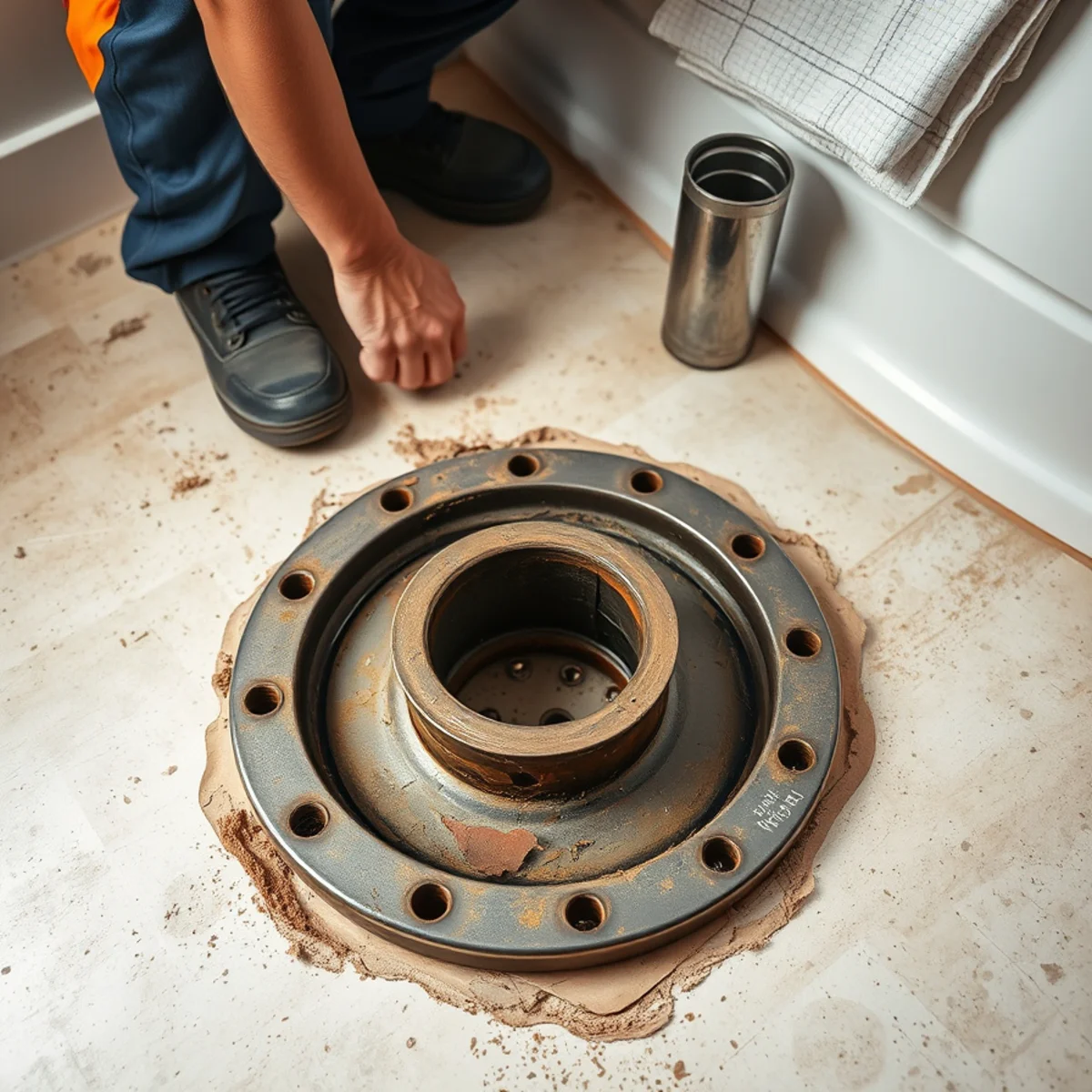
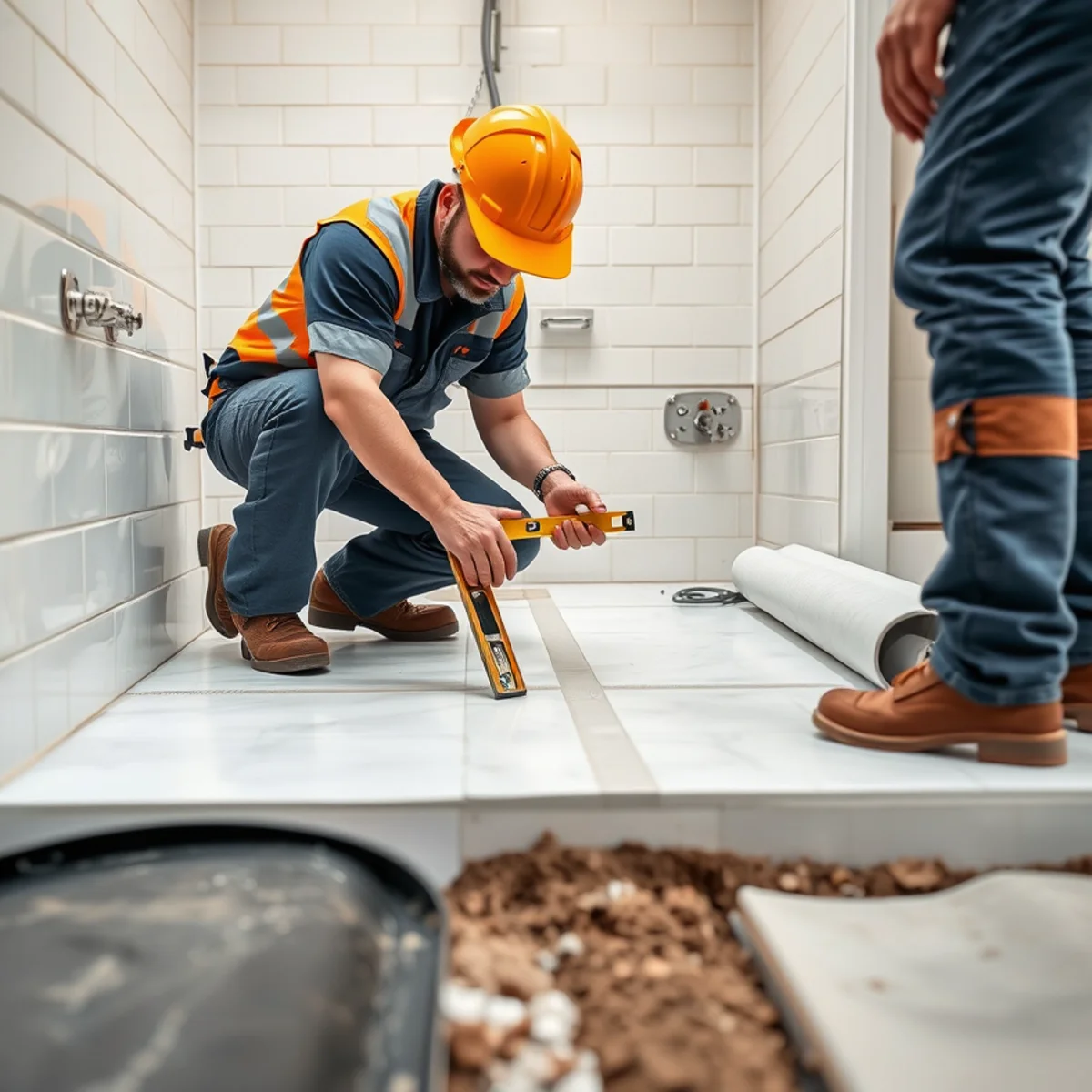
8. Plan the shower drain and slope properly
Showers fail at the pan, not at the tile. Correct slope to the drain, proper waterproofing detail and a sound drain connection are what determine whether the shower is still dry in ten years.
If you are moving from a tub to a walk-in shower, the drain usually has to move and often has to change size. That is floor work, and it belongs in the budget from the start.
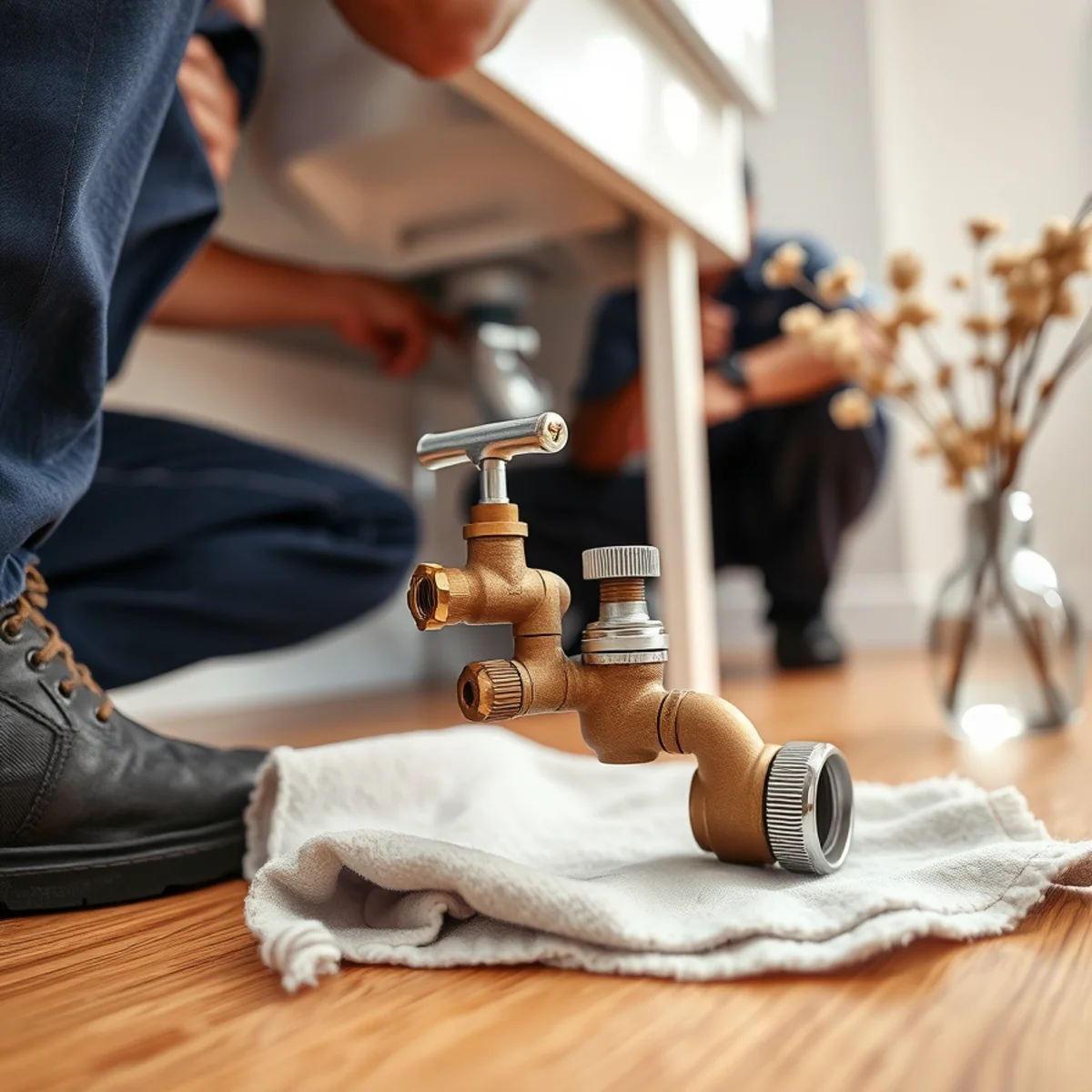
9. Replace the shutoffs while you are in there
Old multi-turn angle stops in a hard water town calcify open and then snap when you finally need them. They are inexpensive parts and they are trivial to replace during a renovation.
Replace them with quarter-turn ball valves. Ten years from now, when something goes wrong at two in the morning, you will be glad.
10. Get the permit and the inspection
If you are altering drain, vent or supply piping, Baltimore County requires a permit. Cosmetic swaps generally do not. We pull it and meet the inspector for work that needs it.
Un-permitted plumbing surfaces during home sales, and it surfaces at the worst possible moment. It is also the reason to insist on pressure testing and inspection before anything is covered — tile goes on top of work that has already passed.
Sequence and coordination
A bathroom remodel involves demolition, plumbing rough-in, electrical, inspection, backer board, waterproofing, tile, then finish plumbing. Each trade waits on the last, and a plumber who does not turn up on schedule holds up everyone behind them.
We work to the contractor's schedule rather than the other way around, which is why contractors across Catonsville and Pikesville send us repeat work. If you are managing the project yourself, build the inspection into the timeline — it is not instant, and tile cannot go on until it clears.
Frequently asked questions
Can I move my toilet to the other side of the bathroom?
Sometimes. It depends on joist direction and whether the drain can maintain proper slope to the existing stack. Moving along the run of the joists is usually feasible; moving across them frequently is not without significant structural work.
Do I need a permit for a bathroom remodel in Baltimore County?
If you are altering drain, vent or supply piping, yes. Replacing a faucet or a toilet in place generally does not require one. We handle the permit and the inspection for the work that needs it.
Can you replace a shower valve without removing tile?
Often, if there is access from behind — a closet, an adjacent room or the basement below. We check that possibility on every job, because tile matching in an older bathroom is close to impossible.
Who wrote this
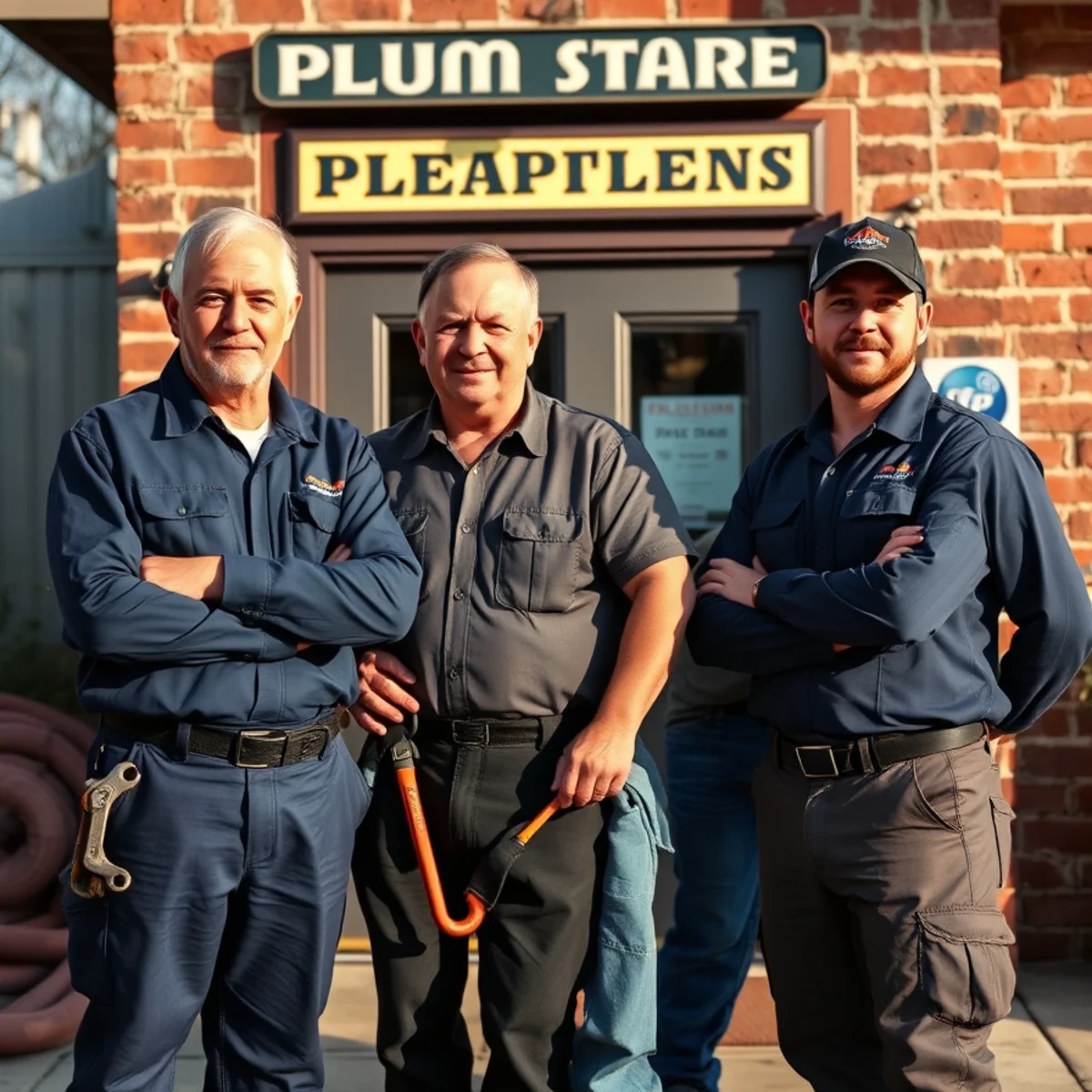
Collins & Sons LLC — Daniel Collins and family
We are a family plumbing business working out of 209 Westowne Rd in Catonsville, and we have been under Maryland houses for over 40 years — three generations of it. Most of what is on this page comes from doing the same jobs repeatedly on the same housing stock: pre-1950 homes off Frederick Road, galvanized supply, cast iron drainage, and water that runs 7–8.2 grains per gallon.
Licensed MHIC #117712 with the Maryland Home Improvement Commission and fully insured. We pull the Baltimore County permits on water heaters, sewer work and gas piping, and we meet the inspector ourselves.