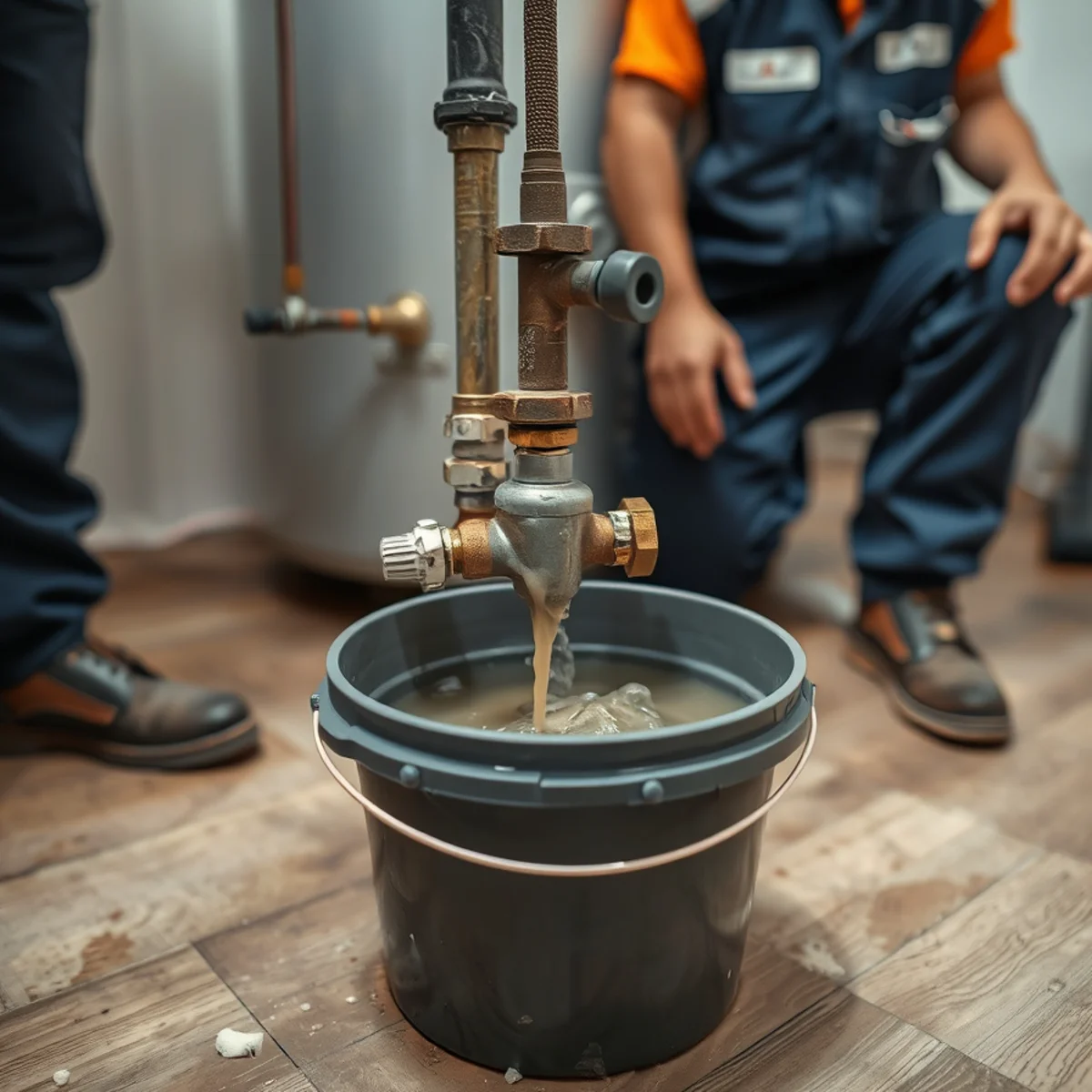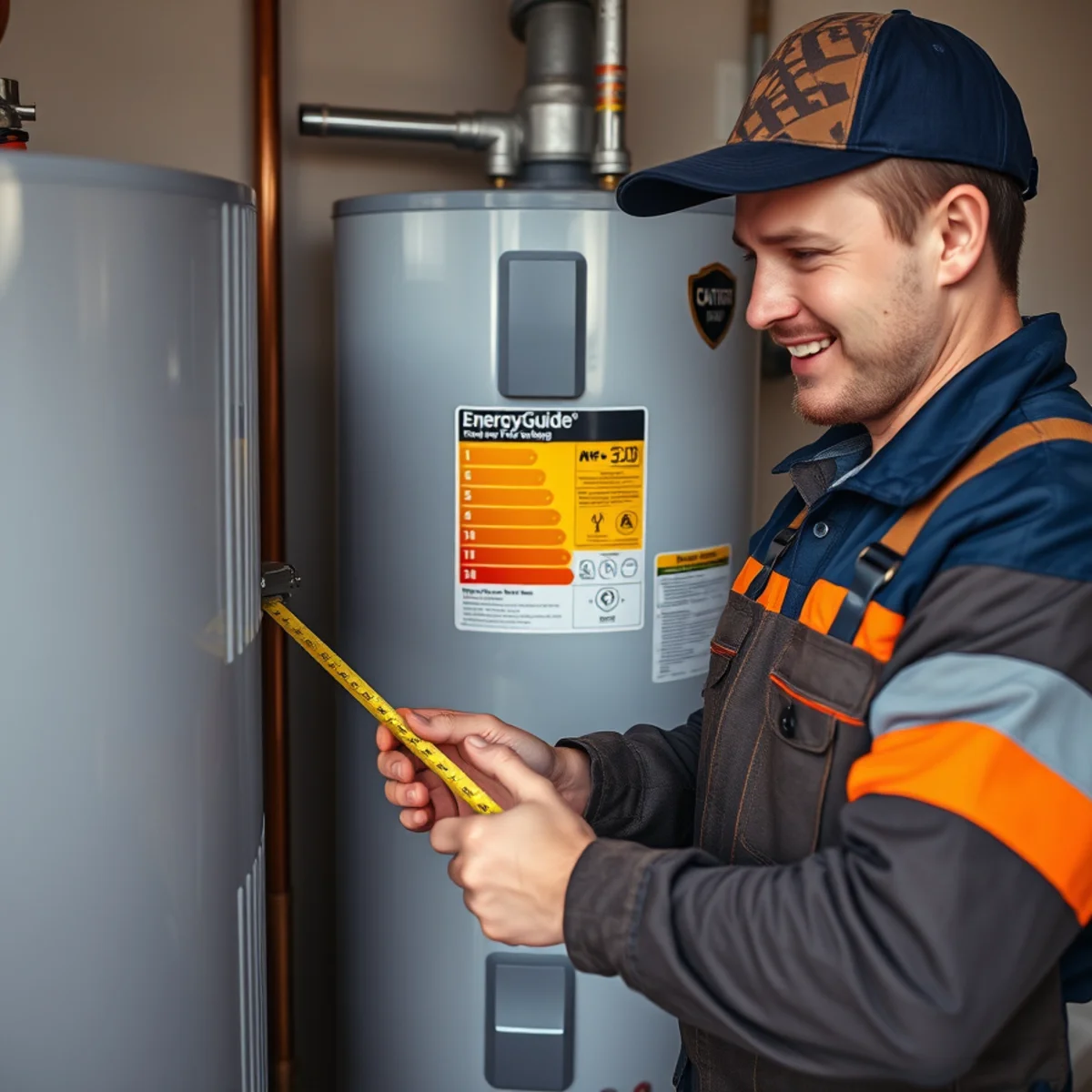
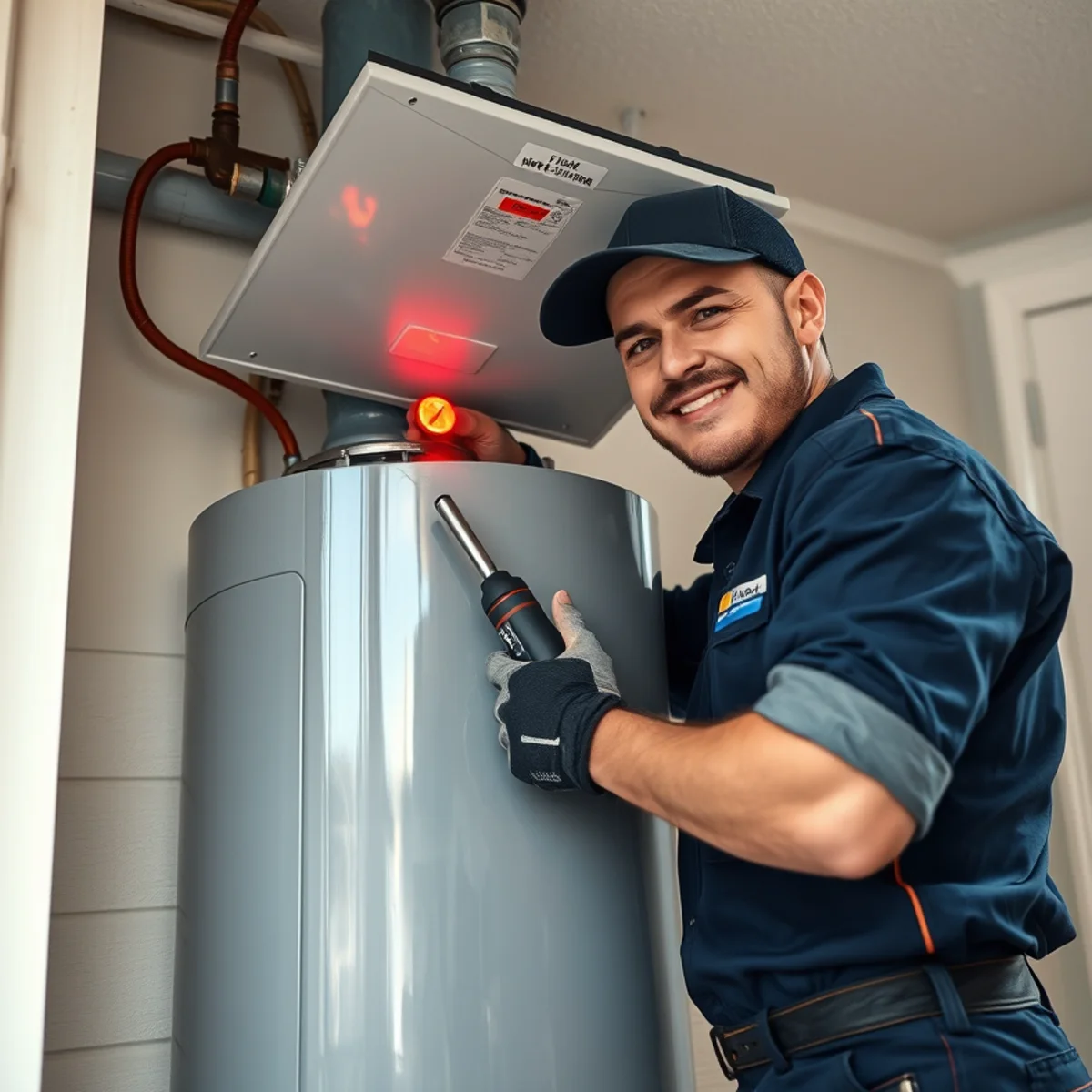
No hot water is one of the few plumbing problems where a homeowner has a genuine chance of fixing it in ten minutes. It is also one where people replace a perfectly good heater because nobody told them to check a reset button.
Work through this in order. If you get to the end without a fix, at least you will be able to tell us something useful on the phone, which usually means we arrive with the right part.
First: is it no hot water, or not enough?
These are different faults. No hot water at all points at the heat source — burner, elements, gas supply or power. Hot water that runs out faster than it used to points at capacity, sediment, or a failed dip tube.
Lukewarm water everywhere, all the time, is usually a thermostat or a mixing problem rather than a dead heater.
If you have an electric heater
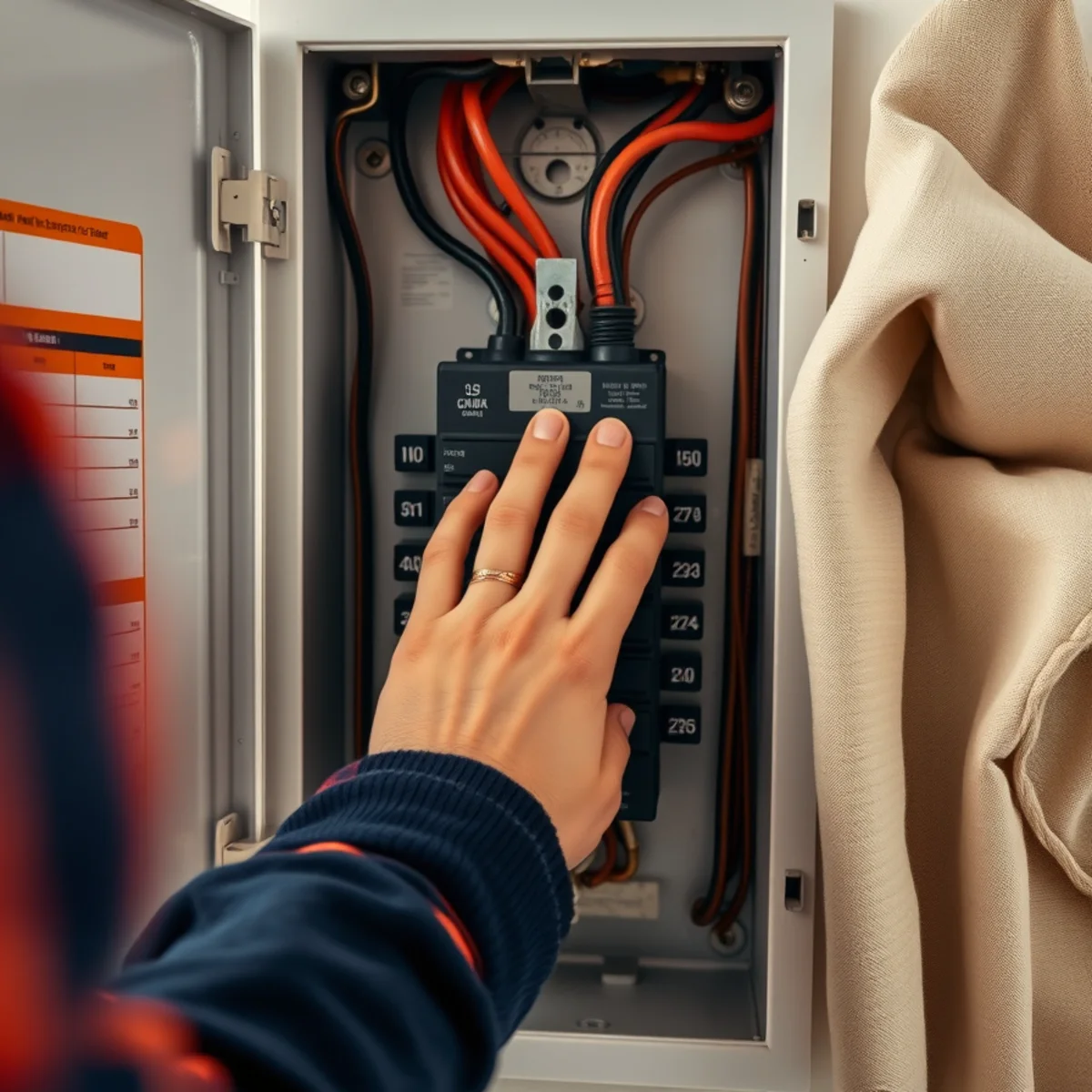
1. Check the breaker
Obvious, and it is the answer more often than anyone admits. Look for a tripped breaker in the panel. If it trips again immediately after resetting, stop — that is an element or wiring fault and it needs attention rather than repeated resetting.
2. Press the high-limit reset
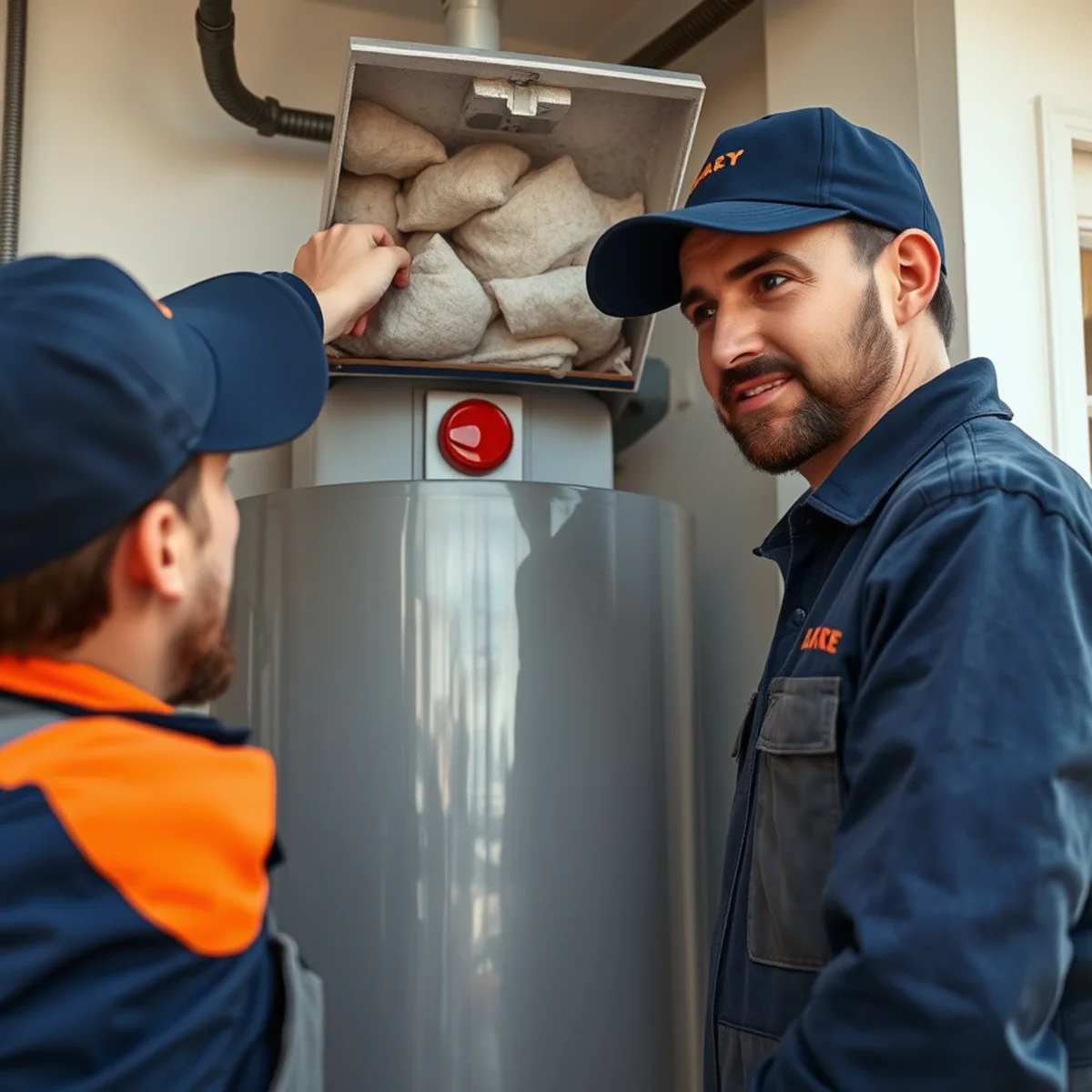
There is a red reset button behind the upper access panel on the tank. It trips when the water overheats, and it is a very common cause of a sudden complete loss of hot water.
Kill the breaker first, remove the access panel and the insulation behind it, press the button firmly until it clicks, then reassemble and restore power. If it trips again within a day, the thermostat is failing and the tank is overheating for a reason worth finding.
3. Suspect an element
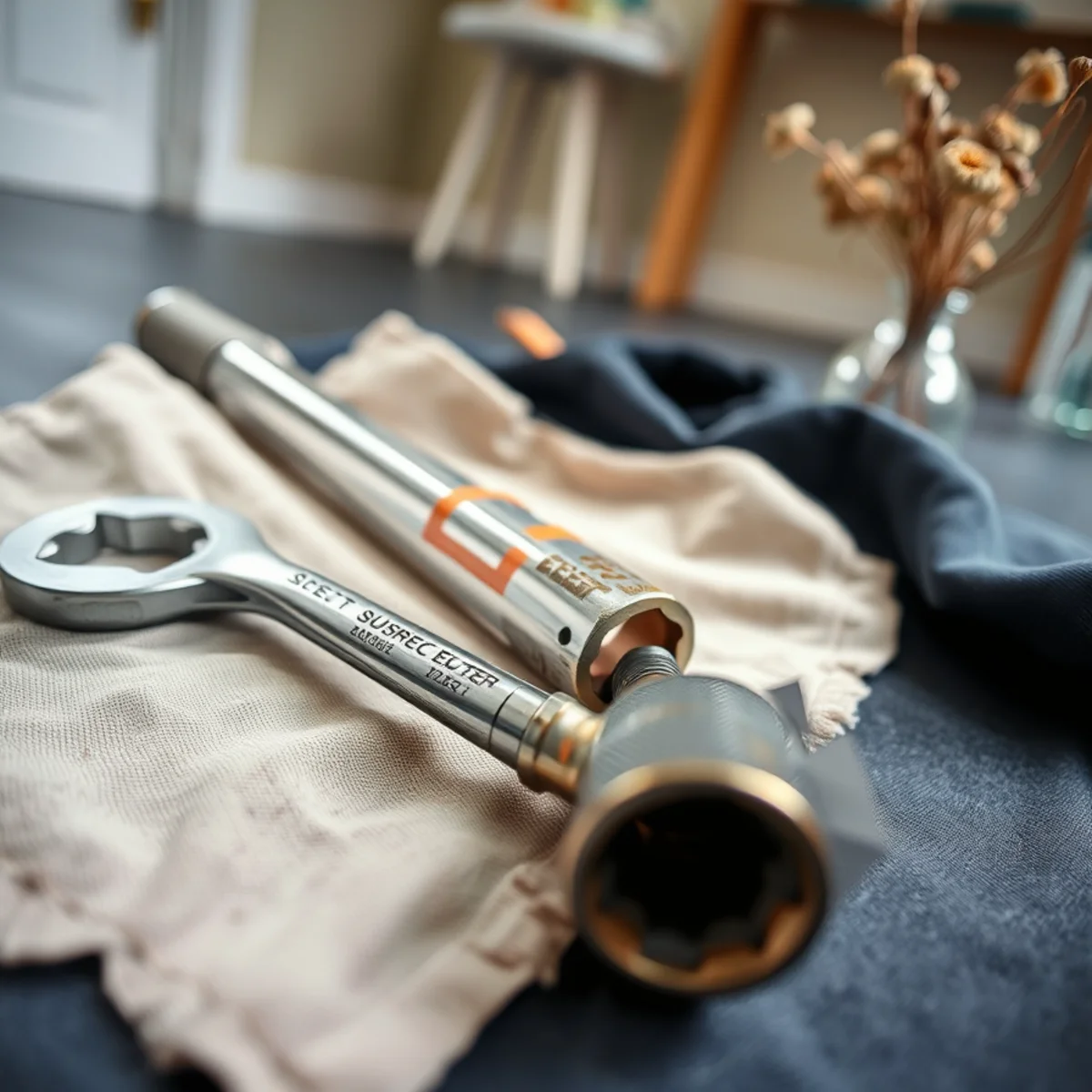
Electric heaters have two elements. If the upper one fails you get no hot water at all; if the lower one fails you get a small amount of hot water that runs out very quickly. Elements are inexpensive and replaceable, and in hard water they scale up and burn out sooner than they should.
If you have a gas heater
1. Check the pilot or the ignition
On older units with a standing pilot, look through the sight glass at the base. No flame means it has gone out. Manufacturer instructions are printed on the tank and the relighting procedure is straightforward.
On newer units with electronic ignition there is no pilot to check. Look for a status light or error code on the control valve.
2. If the pilot lights and will not stay lit
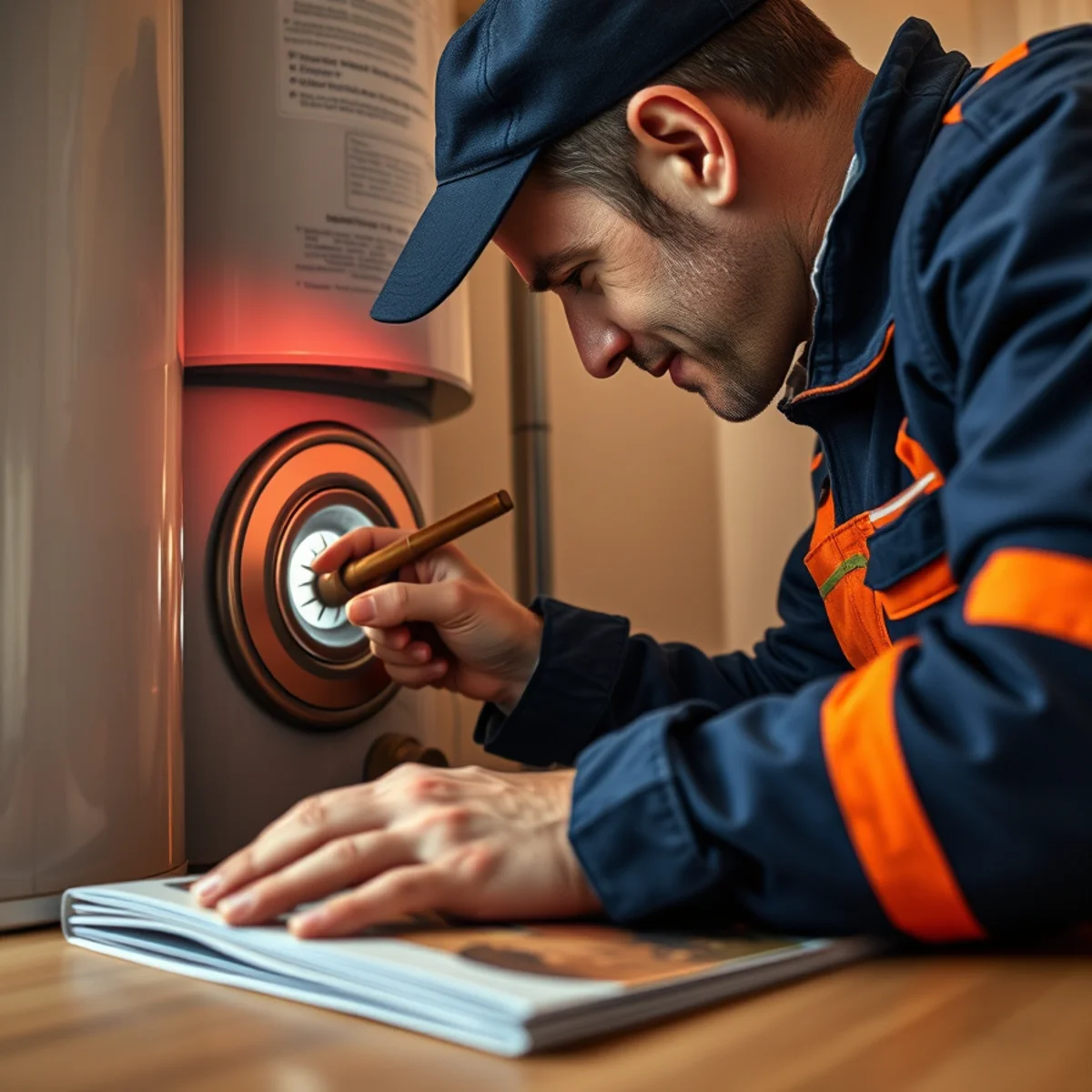
That is nearly always the thermocouple — a small sensor that tells the gas valve the pilot is burning. It is an inexpensive part and a routine replacement. It is also one of the most common reasons a heater gets condemned by somebody who did not check.
3. Confirm gas is reaching it
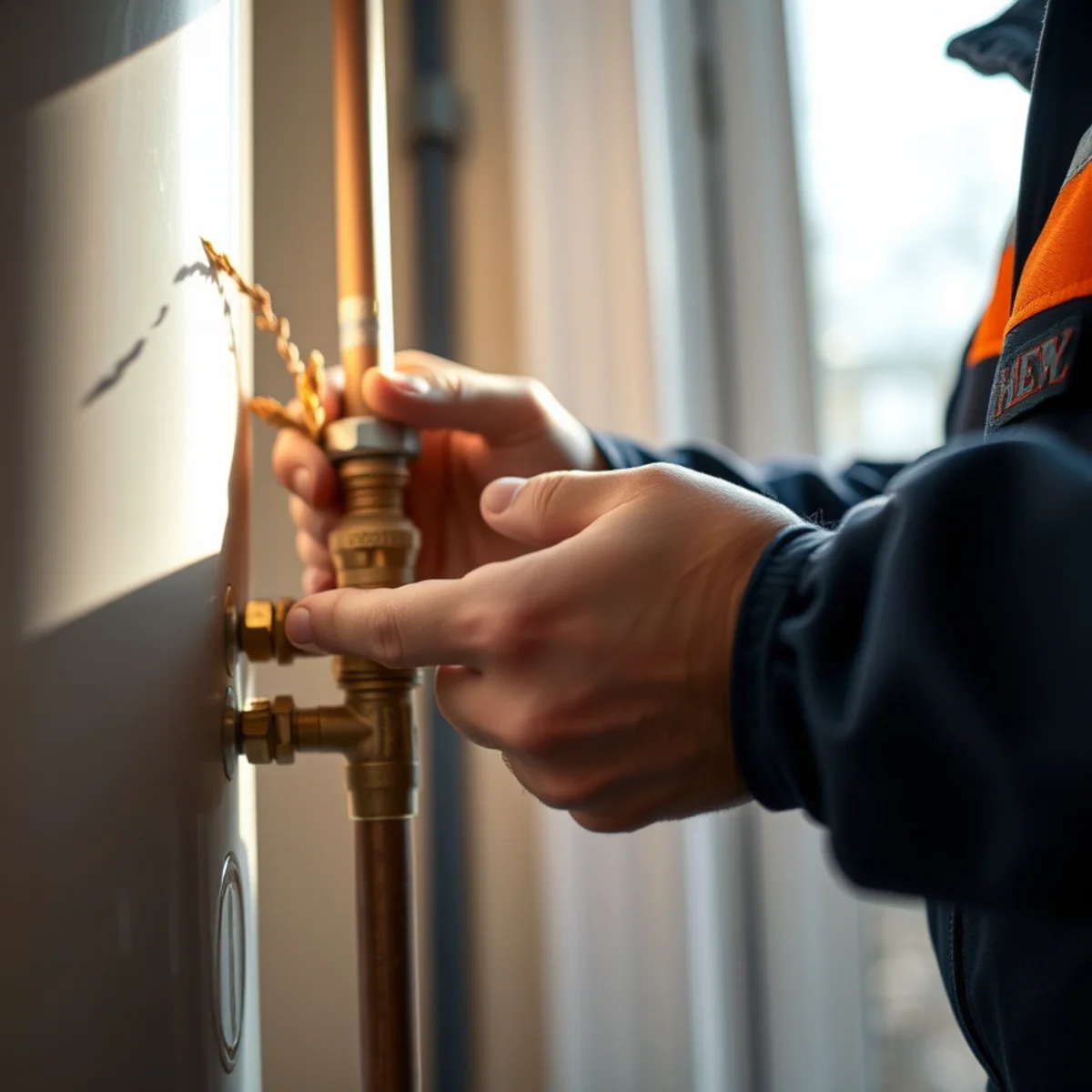
If other gas appliances have also stopped, the problem is upstream of the heater. If you smell gas at any point, stop, leave the house and call from outside — that is a gas line emergency, not a water heater problem.
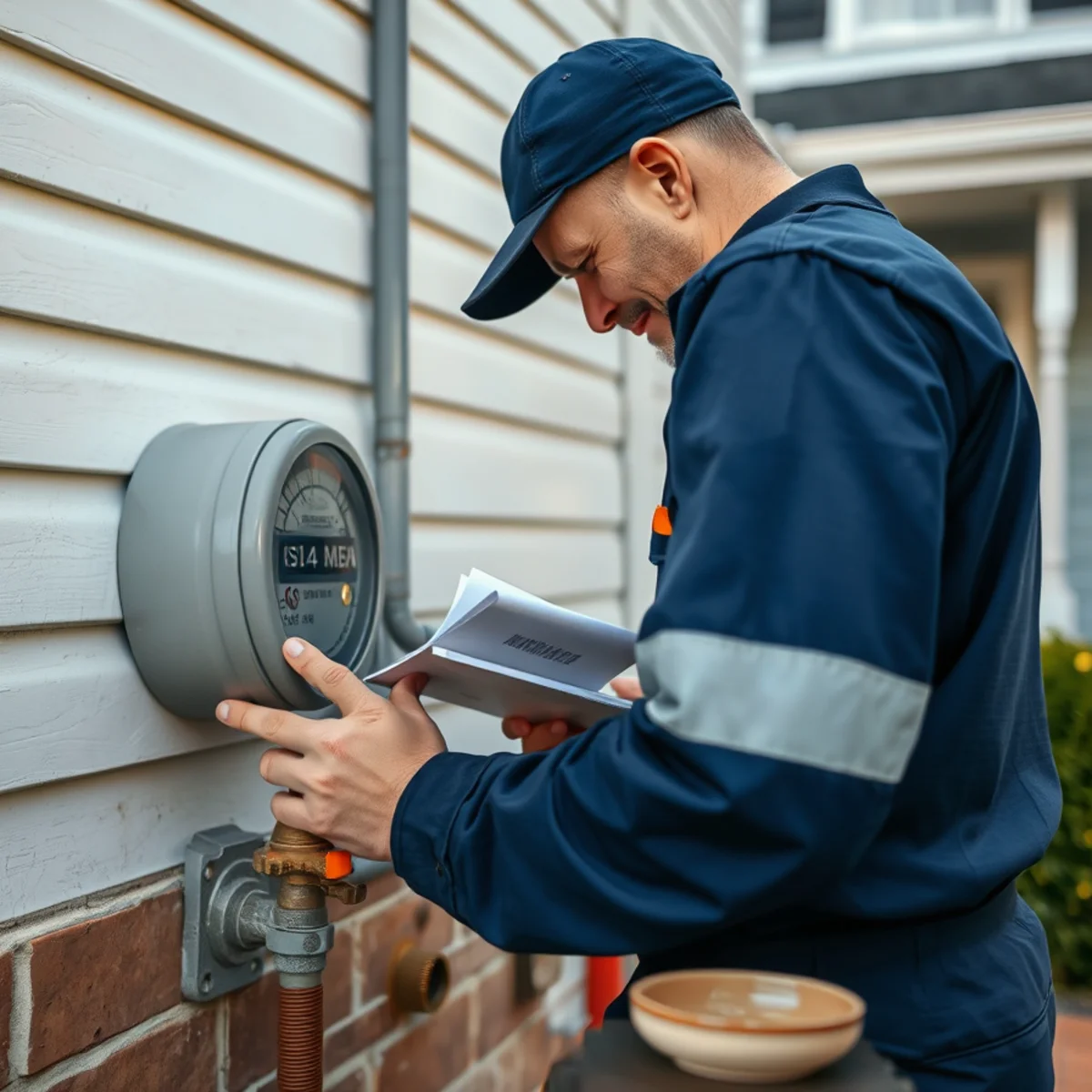
Both types: things that are not the heater at all
- A failed mixing valve or tempering valve, which blends hot and cold at the outlet. When it fails you get lukewarm water everywhere no matter what the tank is doing.
- A crossover through a failed cartridge in a single-lever faucet, letting cold water push back into the hot line. Symptom: one fixture ruins hot water for the house.
- A recirculation pump that has failed or is running backwards.
- Somebody having turned the thermostat down. Worth ruling out.
When to stop and call
- Water is visible at the base of the tank. If it is coming from the shell rather than a fitting, the tank has corroded through and it is a replacement, not a repair.
- You smell gas anywhere near the unit.
- The breaker trips repeatedly, or the high-limit reset trips repeatedly.
- The relief valve is discharging. That indicates excess pressure or temperature and it needs diagnosing.
- The heater is over ten years old and behaving oddly. At that point money spent on parts deserves a conversation about whether it is money well spent.
The Maryland footnote
A disproportionate share of the "no hot water" calls we take across Catonsville and Glen Burnie trace back to hard water in the end — scaled elements, sediment burying a burner's heat transfer, a thermostat reading a tank that heats unevenly because of the layer at the bottom.
Fixing the immediate fault is the job today. If it is the second or third time, the underlying answer is usually a heater sized and installed properly with the water addressed rather than another part.
Frequently asked questions
How long should a water heater take to recover?
A gas unit typically reheats a full tank in around an hour; electric takes considerably longer, often two hours or more. If yours takes dramatically longer than it used to, suspect sediment or a failing element rather than assuming that is normal.
Is the pilot light dangerous if it keeps going out?
A pilot that will not stay lit is usually a failed thermocouple, and the safety system is doing exactly what it should — shutting the gas off. It is not dangerous in itself, but it should be repaired rather than relit repeatedly.
Can I replace a heating element myself?
It is within reach for a confident homeowner: kill the breaker, drain the tank, swap the element with the correct socket. The risks are energising an empty tank, which destroys elements instantly, and a drain valve that will not reseat afterward.

Who wrote this
Collins & Sons LLC — Daniel Collins and family
We are a family plumbing business working out of 209 Westowne Rd in Catonsville, and we have been under Maryland houses for over 40 years — three generations of it. Most of what is on this page comes from doing the same jobs repeatedly on the same housing stock: pre-1950 homes off Frederick Road, galvanized supply, cast iron drainage, and water that runs 7–8.2 grains per gallon.
Licensed MHIC #117712 with the Maryland Home Improvement Commission and fully insured. We pull the Baltimore County permits on water heaters, sewer work and gas piping, and we meet the inspector ourselves.