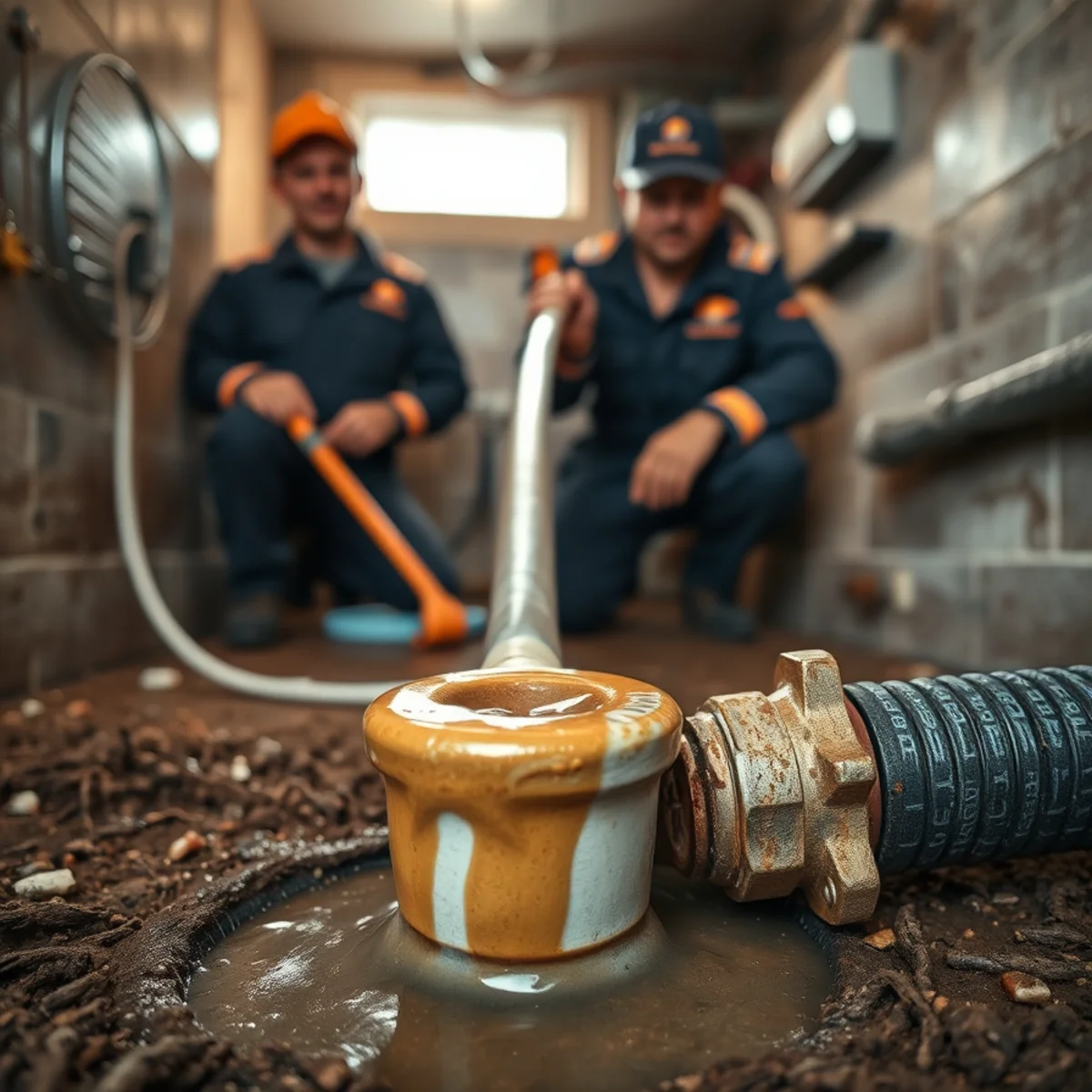
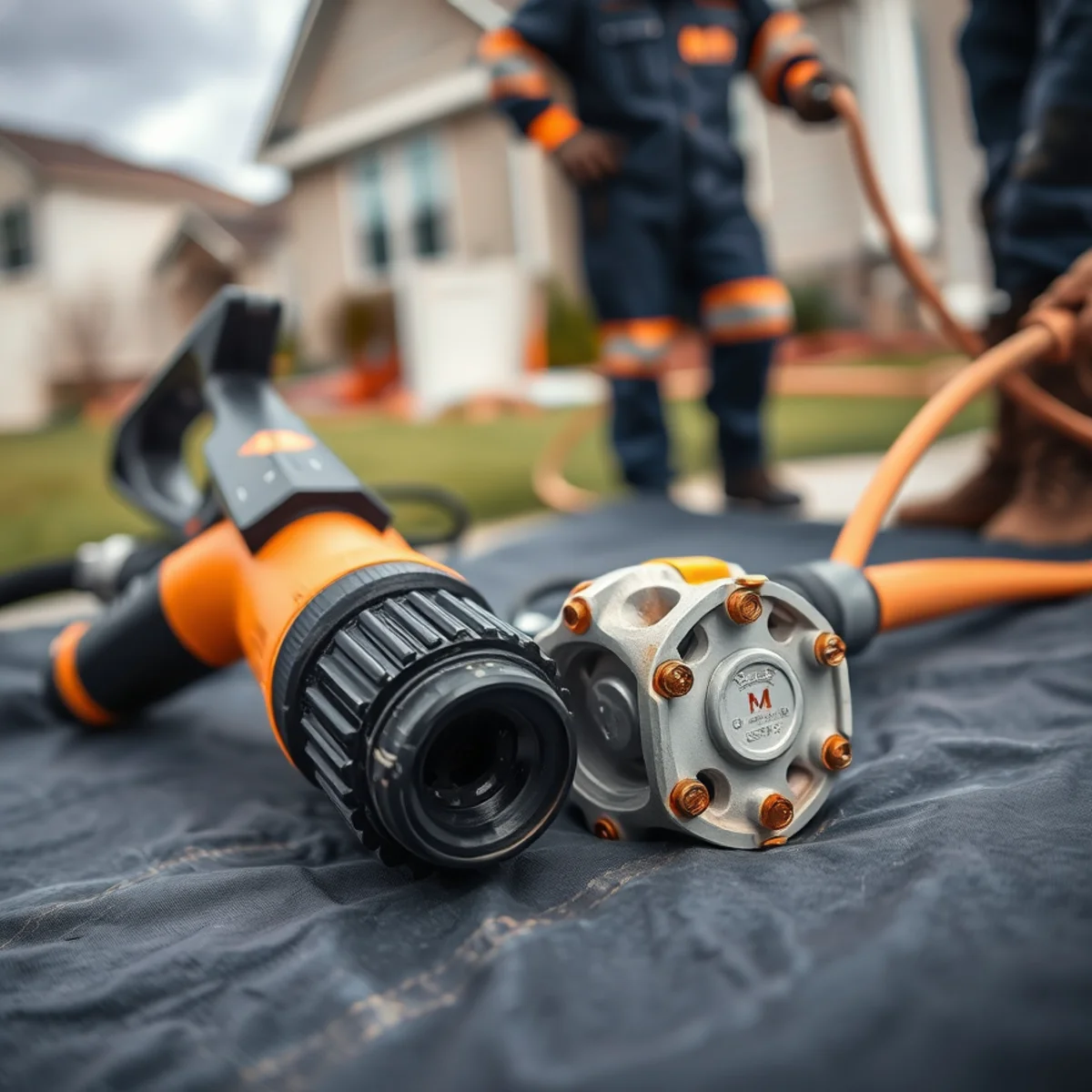
Both of these are called "drain cleaning" and they do genuinely different jobs. Understanding the difference is the single most useful thing a homeowner can know about recurring drain problems, because using the wrong one is precisely why some drains get cleared every year forever.
What a cable actually does
A drain cable — a snake, a rooter, an auger, all the same family — is a flexible steel coil with a cutting head on the end. Fed into a blocked line and spun, it bores through the obstruction and restores flow.
That is exactly the right tool for a discrete blockage: a wad of hair in a bathroom trap, a foreign object in a toilet, a root mass at one joint. It punches through, the water runs, the job is done.
What a cable does not do
It does not clean the pipe wall. On a line where the actual problem is a thick accumulated layer lining the inside of the pipe, a cable makes a channel through the middle of it and leaves the rest in place.
Water flows again. Everyone is satisfied. And over the following months the channel closes back up, because nothing was removed.
What jetting does
Hydro jetting sends water through a specialised nozzle at high pressure, directed backwards and outwards against the pipe wall. It scours accumulation off the wall and flushes the debris downstream, and the nozzle pulls itself along the pipe as it works.
The result is a pipe closer to its original diameter rather than a channel through the blockage. On a kitchen line carrying thirty years of grease on scaled cast iron, the difference is dramatic — and the interval before the next problem goes from months to years.
Which one your drain needs
- One fixture, first time, obvious cause — cable. A hair clog does not need jetting.
- Kitchen line backing up annually — jetting. That is grease on a scaled wall, and cabling barely touches it.
- Whole house slow, roots suspected — cable to open it, then camera, then decide. Cutting followed by jetting strips the remaining root hair and lengthens the interval.
- Cast iron main with heavy scale — jetting, if the pipe is sound enough to take it.
- Commercial kitchen — jetting on a schedule, always. Cabling a food service line is buying months.
- Line that has already cracked or collapsed — neither. That is a pipe repair, and putting pressure into a failed line makes things worse.
When jetting is the wrong tool
This is the part that gets glossed over by people selling it. Hydro jetting is safe and effective on sound pipe — cast iron in reasonable condition, PVC, clay that is structurally intact. On a badly corroded, cracked or already-failing line it can turn a blockage into a breach.
Older Catonsville homes have plenty of cast iron that is genuinely at the end of its life, thin along the bottom of horizontal runs where it has corroded from the inside. That is not a candidate for high-pressure water.
Which is why we camera before we jet, every time. The inspection is not an upsell — it is how the tool gets chosen. Anybody who proposes jetting your line without looking at it first is guessing with your plumbing.
What about chemical drain cleaners?
Neither, and we would rather you did not — particularly in an older house.
Caustic cleaners sit on top of the blockage rather than passing through it, generate heat, and attack the pipe. In aging cast iron and old traps that can turn a clog into a leak. They also make the line genuinely hazardous for whoever opens it next, which may well be us.
Boiling water and a plunger are safe first moves. Enzyme treatments are safe and useful as maintenance on a line that has already been properly cleaned — they will not clear an existing blockage or remove an established grease shelf. Past that, call.
The honest cost comparison
Cabling costs less per visit. Jetting costs more per visit and, on the right line, lasts years rather than months.
If you are paying for a cabling every twelve months on the same drain, you have already spent more than a single jetting would have cost and you still have the original problem. That arithmetic is worth doing before booking the next clearing.
And if the camera shows the pipe itself has failed, neither method is the answer — that is a repair, and we would rather tell you that than take money for a clearing that buys you six weeks. We work this way across Catonsville and Parkville and everywhere else in the county. Drain cleaning here always includes the camera.
Frequently asked questions
Is hydro jetting safe for my pipes?
On sound cast iron, PVC and intact clay, yes, and it is far more thorough than cabling. On a corroded or already-cracked line it can cause damage. That is exactly why the camera inspection comes first — it decides which tool is appropriate.
How long does jetting last?
On a sound line where the problem was accumulation, years rather than months, because the material is genuinely removed rather than bored through. Where roots are entering through defective joints, jetting extends the interval but does not stop regrowth — that needs the joints dealt with.
Can I rent a drain machine and do it myself?
Rental cables are available and they work on simple blockages. The risks are forcing an oversized head through an old trap arm and cracking it, and losing the cable in the line. Jetting equipment is not something to use without training — the pressures involved are genuinely dangerous.
Who wrote this
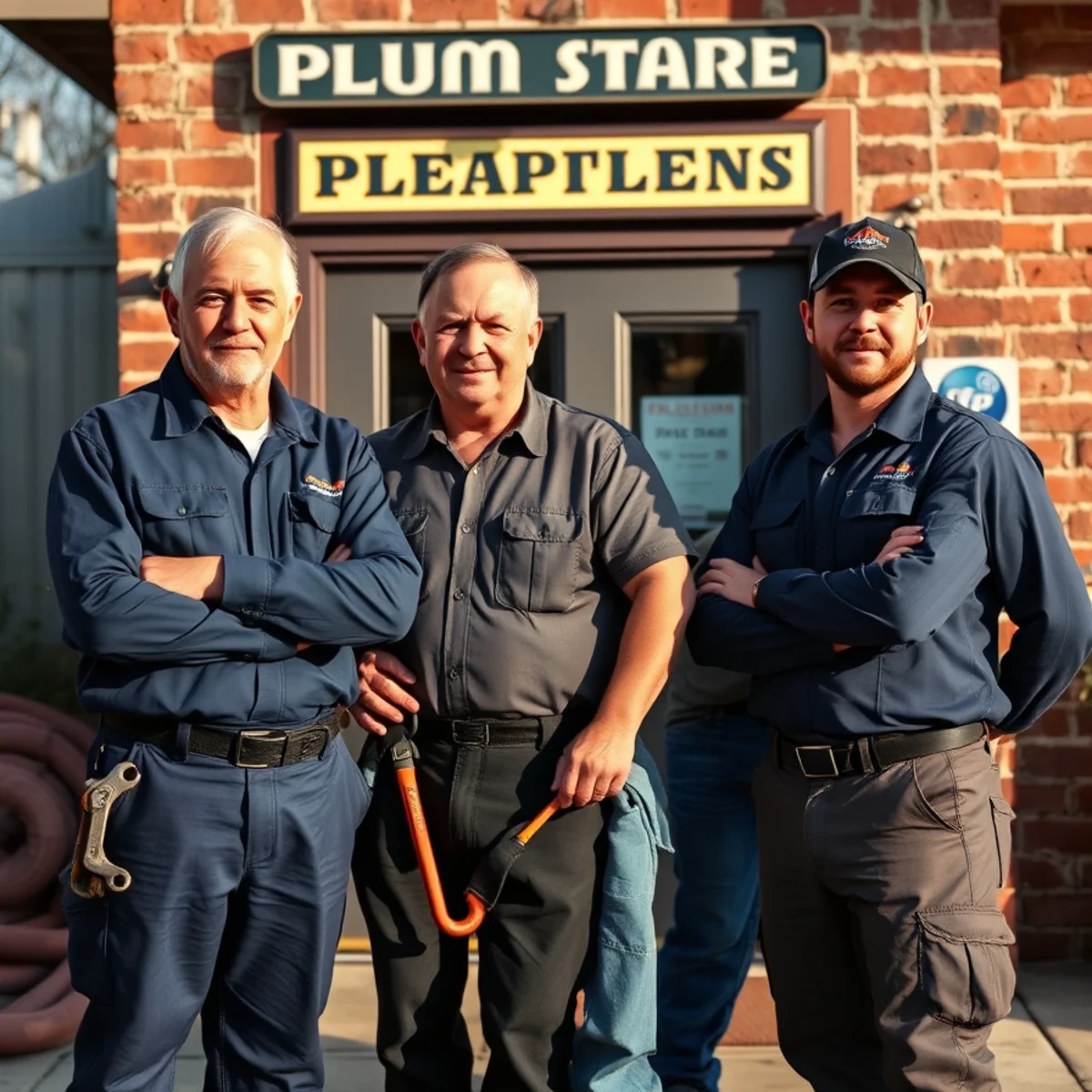
Collins & Sons LLC — Daniel Collins and family
We are a family plumbing business working out of 209 Westowne Rd in Catonsville, and we have been under Maryland houses for over 40 years — three generations of it. Most of what is on this page comes from doing the same jobs repeatedly on the same housing stock: pre-1950 homes off Frederick Road, galvanized supply, cast iron drainage, and water that runs 7–8.2 grains per gallon.
Licensed MHIC #117712 with the Maryland Home Improvement Commission and fully insured. We pull the Baltimore County permits on water heaters, sewer work and gas piping, and we meet the inspector ourselves.