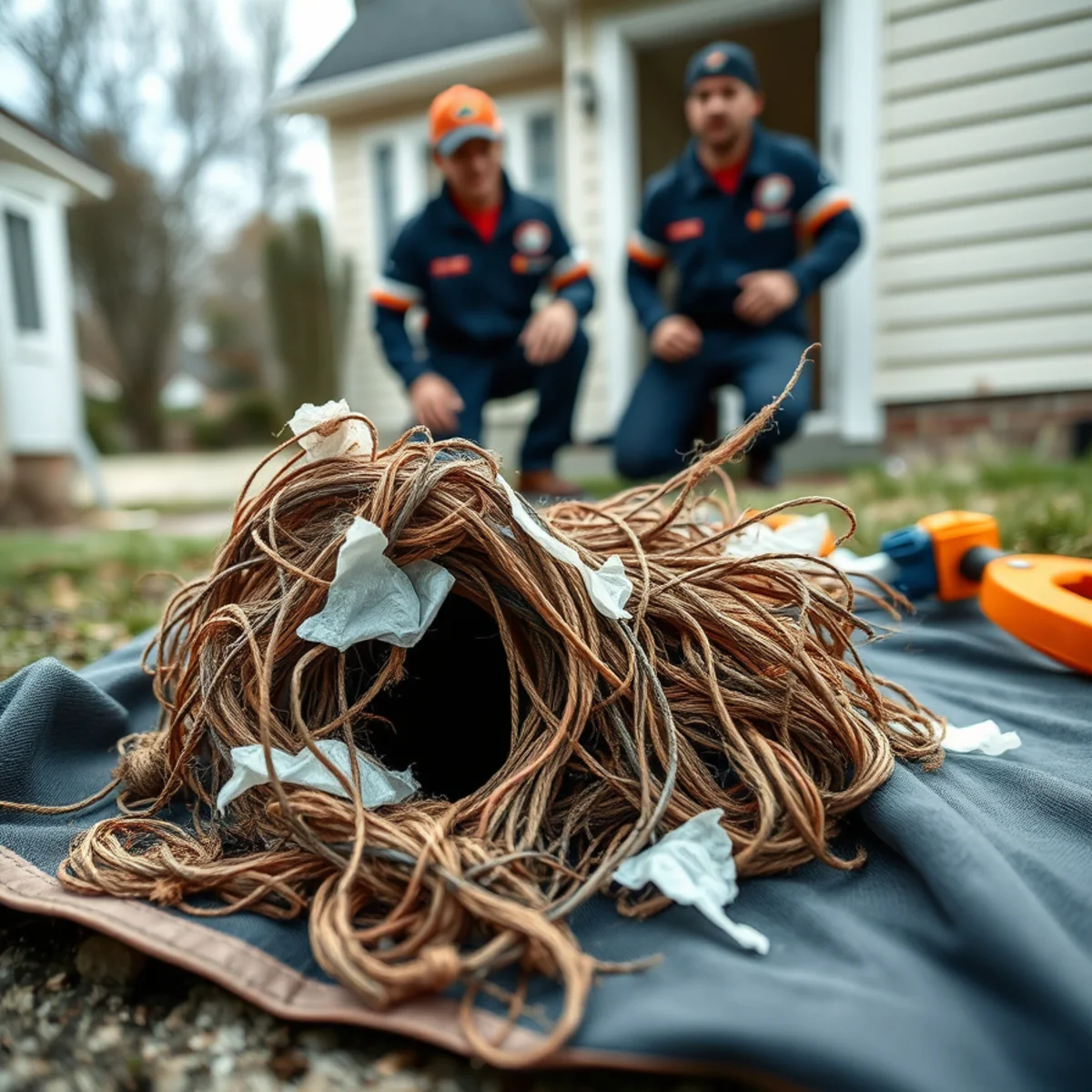
There is a point where a blockage stops being a clog and starts being a pipe problem. You reach it when clearing the line works for a few months and then stops working at all, or when the cable comes back with pieces of pipe on it rather than debris.
That is a different job from drain cleaning. Clearing restores flow through a sound pipe. Repair replaces a section that has scaled shut, cracked, bellied or collapsed. Doing the first when you need the second means paying twice a year forever.
We camera the line first, every time, so the decision is made on evidence. Sometimes the answer is that the pipe is fine and it was a genuine one-off. That is a good outcome and we say so.
Signs you need clogged pipe repair
- A line that blocks again within weeks of being cleared
- A cable that will not pass a particular point no matter what head is used
- Multiple fixtures backing up at the lowest point in the house
- Gurgling and slow drainage across the whole house rather than one fixture
- Sewage odor with no visible source
- Debris or pipe fragments coming back on the cable
- A depression or wet patch in the yard along the drain route
- Backups that get worse after heavy rain
If clearing a line has failed twice, stop paying for a third clearing and pay for a camera inspection instead. It costs less and it answers the question.
What the job includes
Camera inspection and defect locating
We run the camera the full length and mark the position and depth of any defect on the surface with a sonde, so you know exactly what is wrong and where before anyone quotes a repair.
Interior drain and branch line repair
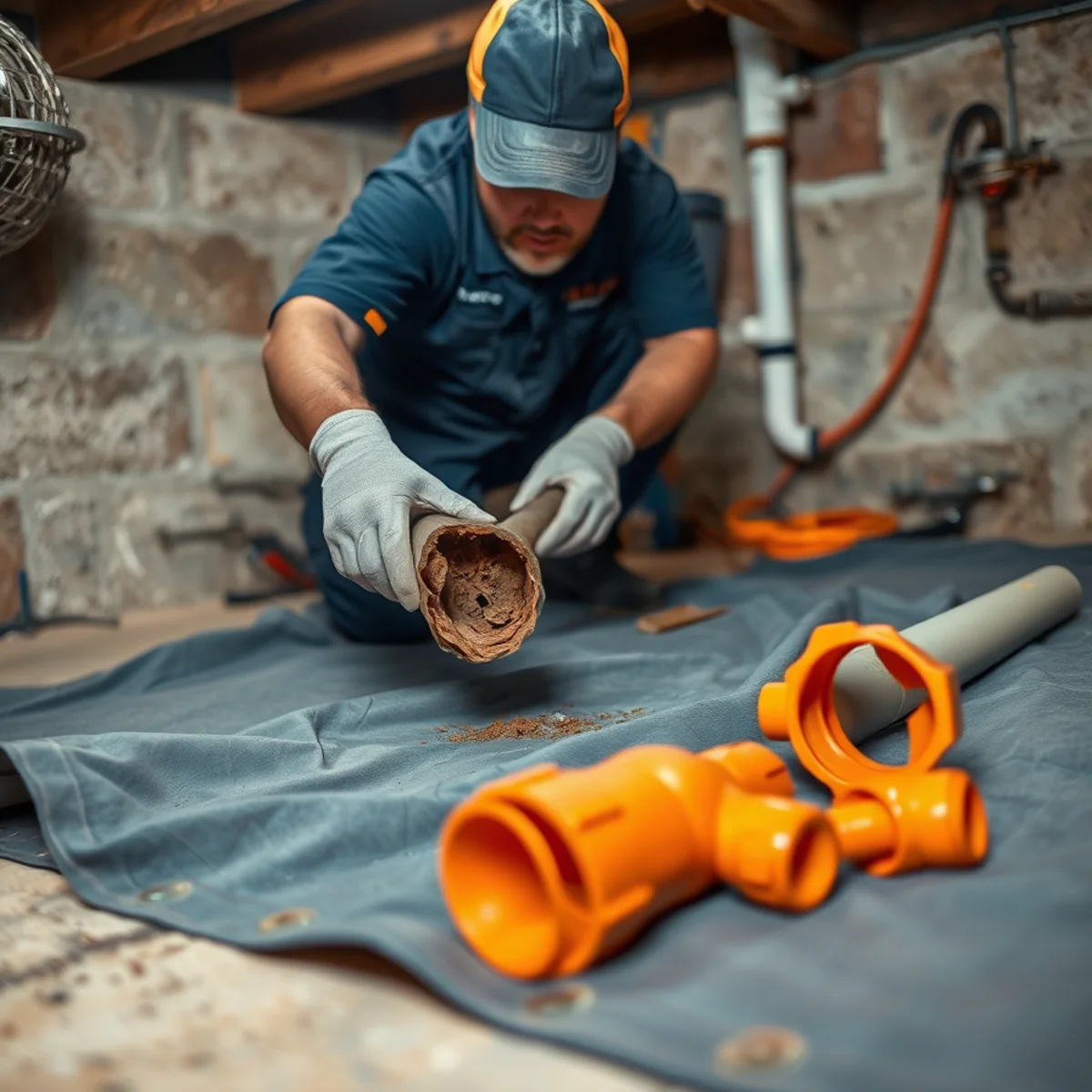
Cracked cast iron, scaled-shut branch drains, undersized trap arms from past renovations and improvised connections that never worked properly.
Stack repair and replacement
Vertical cast iron stacks in older Catonsville homes corrode and crack, usually inside a wall. We replace in PVC with proper transitions and support.
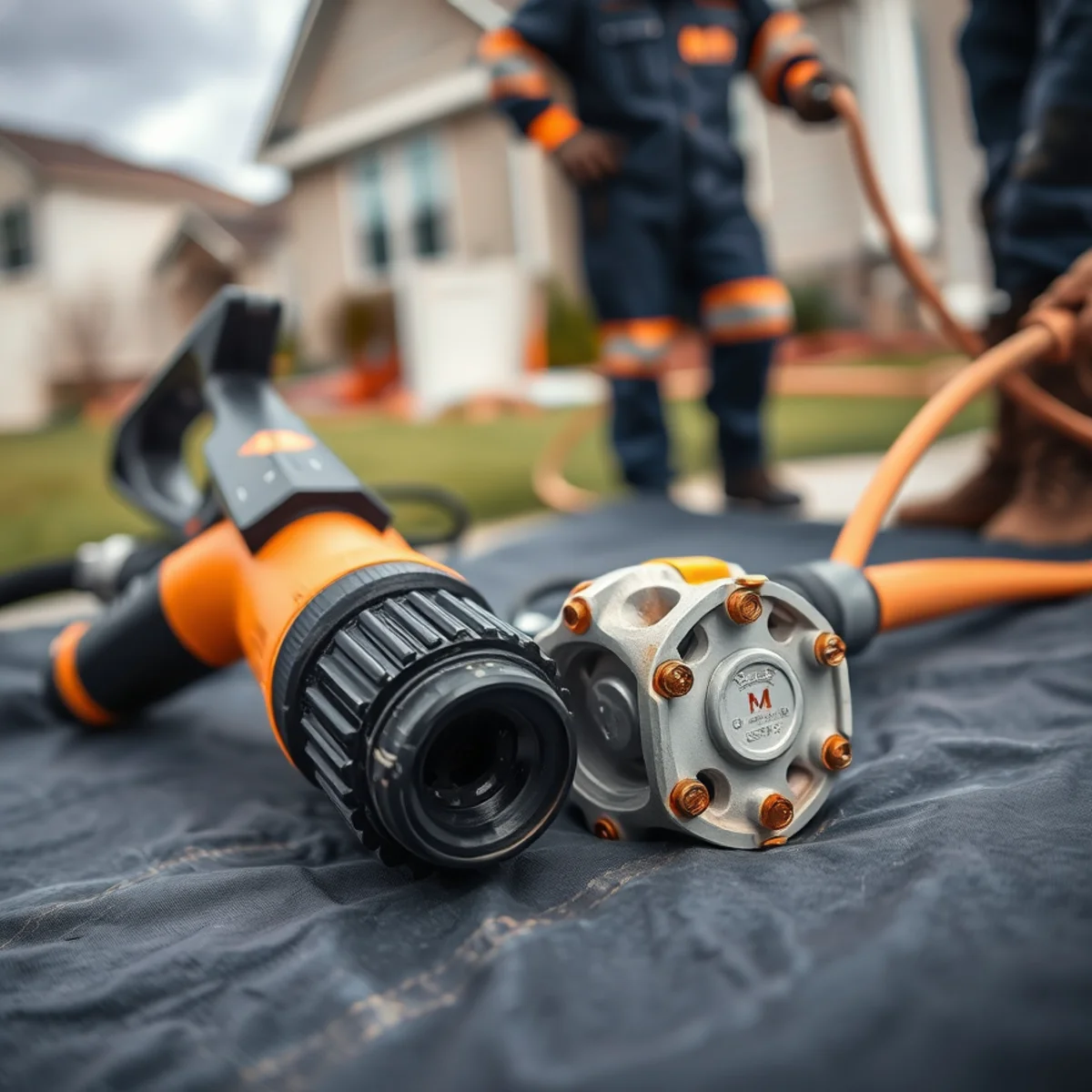
Hydro jetting for scale and grease
Where the pipe is sound and the problem is accumulation rather than damage, jetting scours the wall clean instead of boring a channel through the middle.
Collapsed section excavation
Where a buried line has failed, we excavate the located section, replace it at proper grade, and add a cleanout while the ground is open.
Cleanout installation
Many older houses here have no proper access point. Adding one is inexpensive during other work and saves money on every future service call.
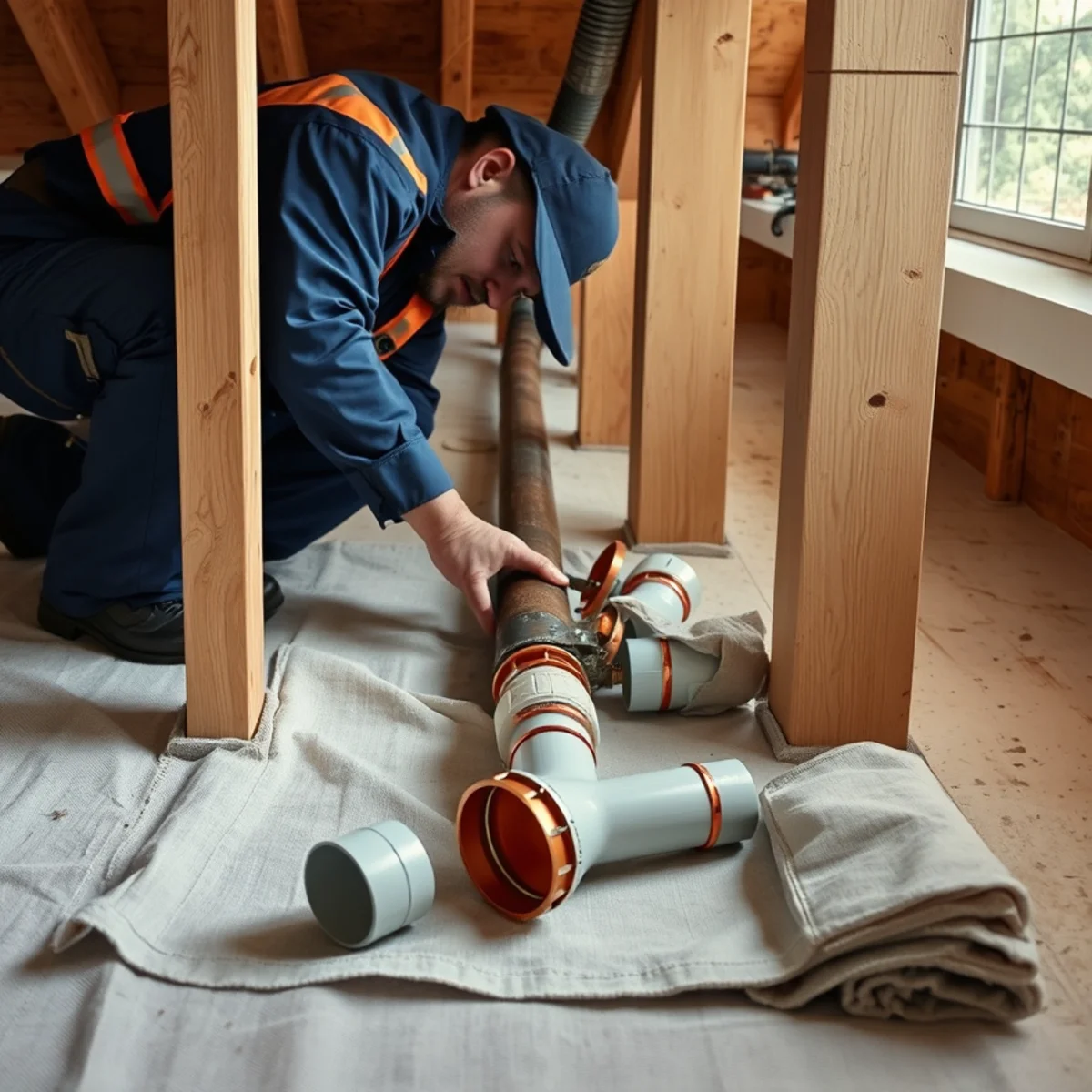
How we work
1. Establish how far the problem goes
Running water at several fixtures tells us whether this is one branch or the main. That decides the access point and stops you paying for the wrong job.
2. Clear enough to see
A camera cannot see through standing water or a full blockage, so the line often has to be opened before it can be inspected. We are clear that these are two steps.
3. Inspect and show you
You watch the screen with us. Scale, grease, roots, a belly, an offset joint and a collapse all look different, and they cost very different amounts to deal with.
4. Present the real options
Usually two or three, with what each fixes, roughly how long it lasts and what it costs, in writing. No scare tactics on a pipe you cannot see.
5. Repair, re-camera, document
After the work we run the camera again so you can see the finished line, and you keep the footage. It is genuine documentation at resale.
What drives the price
We do not publish fake prices, because a number that does not match your house is worse than no number at all. What we can do is tell you exactly what moves the figure, so nothing on the estimate is a surprise.
Interior or buried
A branch line in an open basement is a very different job from a buried section under a driveway. Depth drives excavation cost more than length does.
What the camera finds
Scale and grease may need only jetting. A cracked or collapsed section needs replacing. The inspection is what separates a few hundred from a few thousand.
Access to the line
An existing cleanout keeps things simple. Pulling a toilet or opening a wall to reach the pipe adds labor before the repair even starts.
Pipe material and condition
Sound cast iron takes jetting well. Badly corroded cast iron does not, and forcing it turns a blockage into a leak. That is why we camera before choosing a tool.
Permits and restoration
Buried drainage work in Baltimore County is permitted work. Permit fees, utility markouts, backfill and surface restoration are itemized separately.
What this looks like in Catonsville
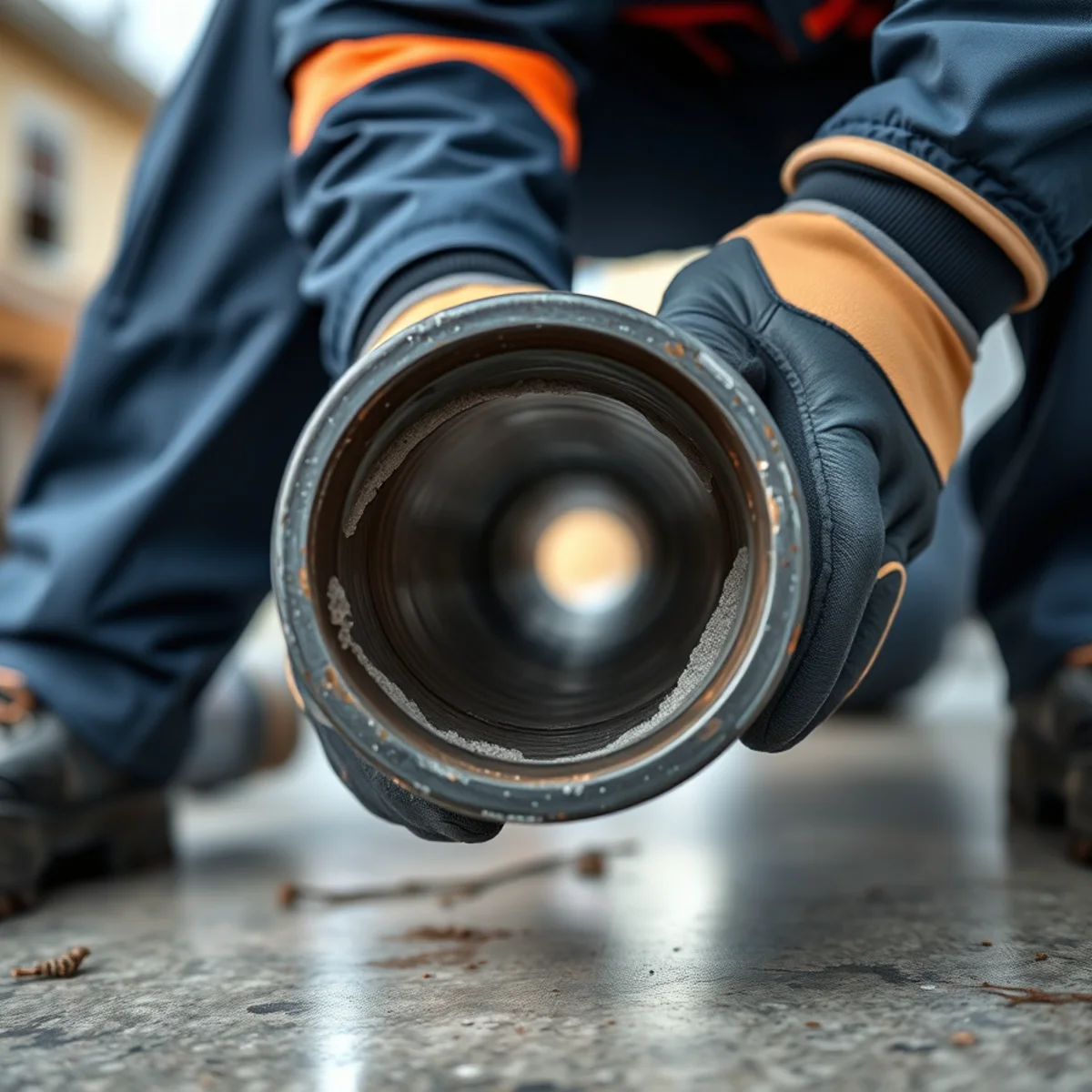
The defining clogged-pipe problem in Catonsville is scaled cast iron. Houses built before roughly 1960 have cast iron drainage, cast iron is rough inside, and our hard water leaves mineral deposit on rough surfaces. Over eighty years that deposit narrows a four-inch main to something considerably smaller, and at that point normal household waste starts catching.
The second is the sewer lateral outside. Pre-1970 properties typically have clay tile in short jointed sections, laid under front yards that are now shaded by mature oaks and maples. Roots enter at the joints. This is the most common cause of the recurring whole-house backup on streets like Ingleside Avenue and through Oak Forest and Paradise.
The third is the accumulated renovation history. Almost every older Catonsville house has been remodeled at least once, sometimes without permits, and we regularly find branch drains reduced below code diameter, improvised venting, and kitchen lines re-routed at the wrong slope. Those sections block reliably and no amount of clearing changes that.
Piedmont clay soil supplies the fourth: bellies. Wet and dry cycles settle buried pipe into low spots over decades. Water stands in the low point, solids settle out, and blockages start forming there a year or two later. On camera a shallow belly and a serious one look similar to an untrained eye, and telling them apart is most of the value of the inspection.
Clogged Pipe Repair questions we get asked
How is this different from drain cleaning?
Drain cleaning restores flow through a sound pipe. Clogged pipe repair replaces a section that has failed — scaled shut, cracked, bellied or collapsed. If clearing keeps working temporarily, you need the first. If it stops working, you need the second.
Can a collapsed pipe be lined instead of dug up?
Lining needs a structurally intact host pipe to line. A genuinely collapsed section has nothing left to line and has to be excavated. Offset joints, cracks and root intrusion in otherwise sound pipe are usually good lining candidates.
Why does my line block after heavy rain?
Usually groundwater entering the lateral through defective joints or cracks, which both overloads the line and carries soil in with it. It is a strong indicator of a pipe defect rather than a household usage problem.
Do I need a permit for drain pipe repair?
Interior branch repairs generally do not. Buried drainage and sewer lateral work in Baltimore County does. We pull the permit and meet the inspector as part of the job.