We get asked this often enough that it deserves a proper answer rather than a reassuring one. The short version: the water arriving at your property line is treated, tested and regulated, and it is safe to drink.
The longer version is the part that matters, because between the public main and the glass in your hand there is a length of pipe that belongs to you, and nobody tests that on your behalf.
What arrives at the property line
Catonsville is served by the Baltimore City system, drawn from surface reservoirs. Like every public supply in the country it is treated and monitored under federal drinking water regulations, and the utility publishes an annual water quality report. That report is worth reading once — it is the authoritative source on what is in the supply and it costs nothing.
What that report will also tell you is that the water is hard: roughly 120 to 141 PPM, about 7 to 8.2 grains per gallon. Hardness is a plumbing and appliance issue rather than a health one. Calcium and magnesium in drinking water are not harmful.
The part that is genuinely your responsibility
Lead solder in pre-1986 homes
Lead solder was used to join copper pipe until it was banned for potable water in 1986. Any home plumbed or repiped before then may have lead-bearing solder at its joints, and Catonsville has a large stock of housing well older than that.
This is not a reason to panic and it is a reason to know. Lead leaches into water that has been sitting in the pipe, which is why first-draw water in the morning is the relevant sample rather than water that has been running for a minute.
Legacy service line materials
Some pre-1950s properties across Baltimore County have legacy lead components on the buried service side. Utilities across Maryland have been inventorying and replacing these, and your utility can usually tell you what is recorded for your address.
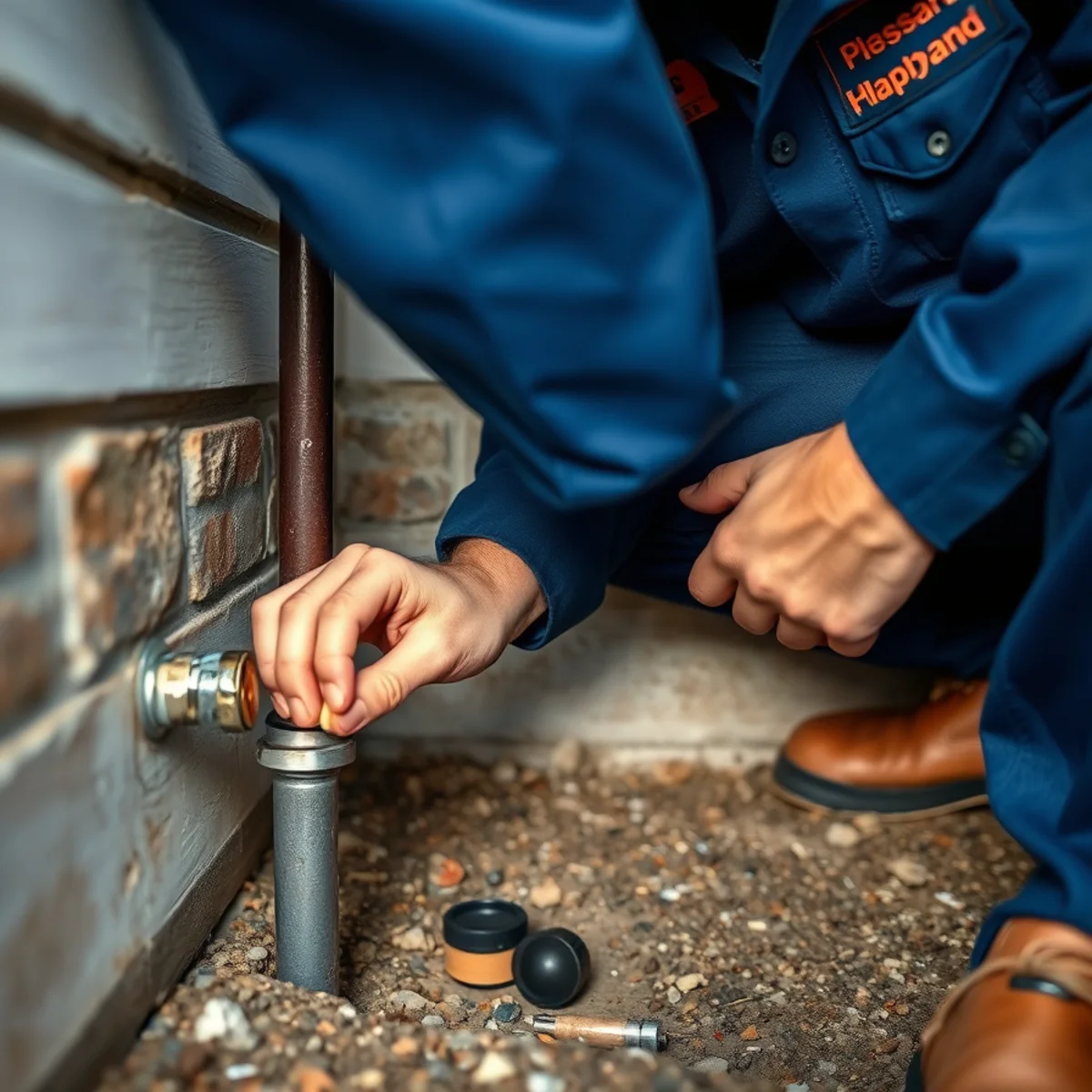
If yours is unrecorded or unknown, we can identify the material where the service enters your basement in a couple of minutes. It is a scratch test and a magnet, and it is worth knowing definitively rather than assuming either way.
Galvanized supply piping
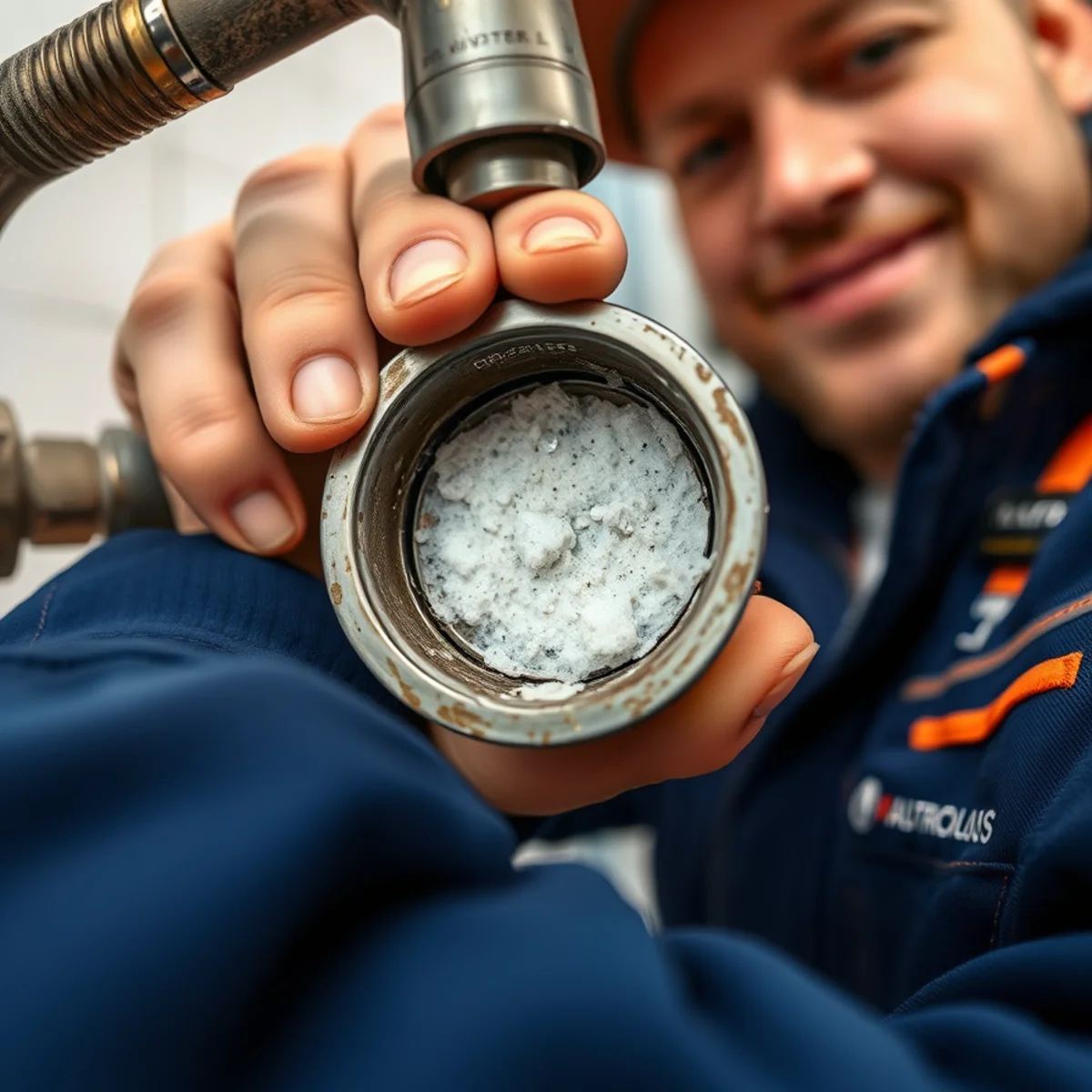
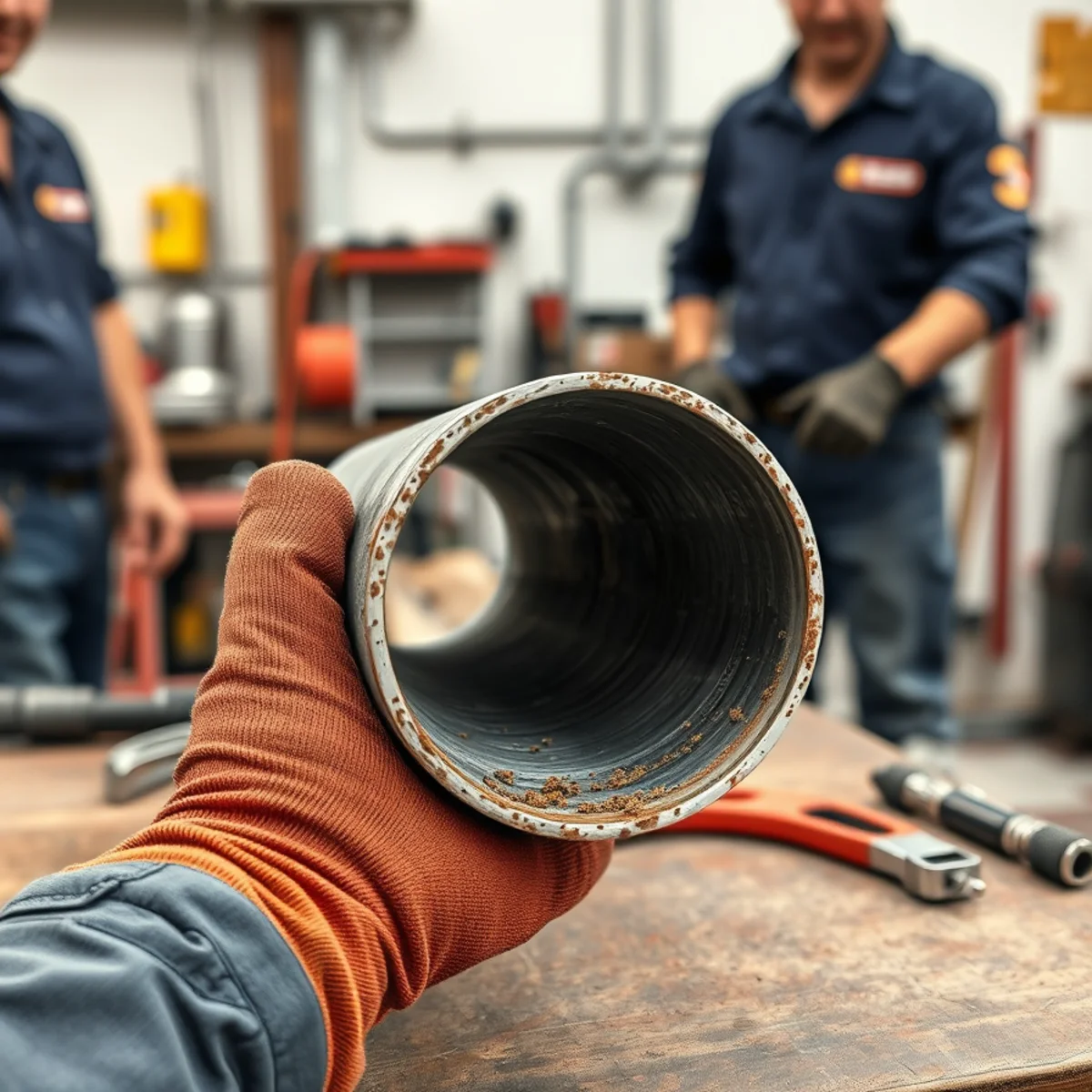
Galvanized steel does not add lead, but it does corrode internally and it can trap and later release particulate — which is where the brown first-draw water in older houses comes from. It is also worth knowing that galvanized pipe downstream of a former lead service line can retain lead particles in its scale.
That is one of the arguments for replacing galvanized supply beyond the pressure and leak reasons people usually cite.
What to actually do about it
- Find out what your pipes are made of. Look where the service enters the basement, and look at the visible interior runs. Galvanized is dull grey threaded steel that a magnet sticks to; copper is reddish-brown with soldered joints; lead is soft, dull grey and scratches to a bright silver with a coin.
- Check your utility's service line inventory for your address. That is a phone call or a website lookup.
- If the house predates 1986 and there are young children in it, get the water tested at the tap by a certified laboratory. A home test strip does not measure lead meaningfully.
- Run the tap for thirty seconds to a minute before drinking or cooking if the water has been standing overnight. This is free and it is the single most effective mitigation.
- Never use hot tap water for cooking, drinking or making formula. Hot water dissolves metals from pipes far more readily than cold. Heat cold water instead.
What treatment does and does not solve
This is where a lot of money gets spent on the wrong equipment, so it is worth being precise.
A water softener addresses hardness. It does not remove lead, and it is not a health filter. Buying one to solve a lead concern is the classic expensive mistake.
A whole-house carbon filter addresses chlorine taste and odour and some organic compounds. Catonsville is on a surface-water supply, which varies seasonally in taste and sediment more than groundwater does, so this is a genuine quality-of-life improvement for many households.
An under-sink reverse osmosis system produces genuinely excellent drinking water and is certified to reduce lead among many other things. For a household concerned about drinking water specifically, this is the cost-effective answer — you treat the few gallons you drink rather than every gallon that goes to the lawn.
Replacing lead-bearing components is the permanent answer. Treatment manages; replacement removes. We specify treatment from an actual test rather than selling a package, and we will tell you when the right answer is replacement rather than a filter.
The honest summary
The supply reaching Catonsville and the surrounding Arbutus and Baltimore County communities is safe, regulated and monitored. It is also hard enough to be expensive for your appliances.
What deserves your attention is the plumbing inside your own property, particularly if the house predates 1986. That is a one-visit question to answer, and knowing the answer is worth more than any filter you could buy on a guess.
Frequently asked questions
Do I need to filter my drinking water in Catonsville?
Not for safety, on a public supply with modern interior plumbing. Many people prefer the taste with a carbon filter, and households in pre-1986 houses with young children often choose an under-sink reverse osmosis unit for peace of mind. Neither is mandatory.
How do I know if I have lead pipes?
Lead is soft, dull grey, and a coin scratch reveals bright shiny metal underneath. A magnet does not stick to it. Check where the service enters the basement. Your utility also maintains a service line inventory you can look up by address.
Does boiling water remove lead?
No — the opposite. Boiling concentrates it as water evaporates. Use cold water, run the tap briefly if it has been standing, and use a certified filter if you want to reduce it.
Who wrote this
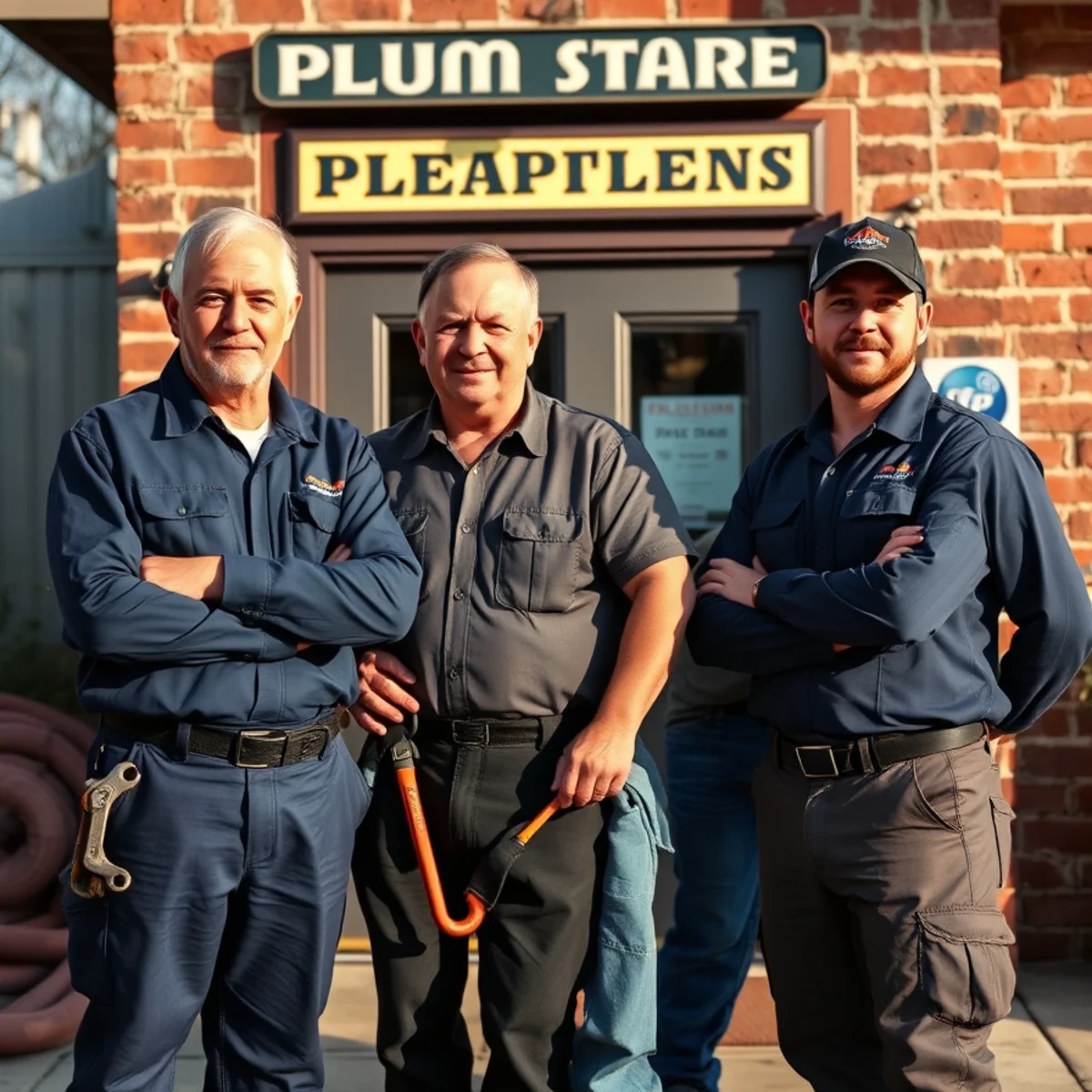
Collins & Sons LLC — Daniel Collins and family
We are a family plumbing business working out of 209 Westowne Rd in Catonsville, and we have been under Maryland houses for over 40 years — three generations of it. Most of what is on this page comes from doing the same jobs repeatedly on the same housing stock: pre-1950 homes off Frederick Road, galvanized supply, cast iron drainage, and water that runs 7–8.2 grains per gallon.
Licensed MHIC #117712 with the Maryland Home Improvement Commission and fully insured. We pull the Baltimore County permits on water heaters, sewer work and gas piping, and we meet the inspector ourselves.