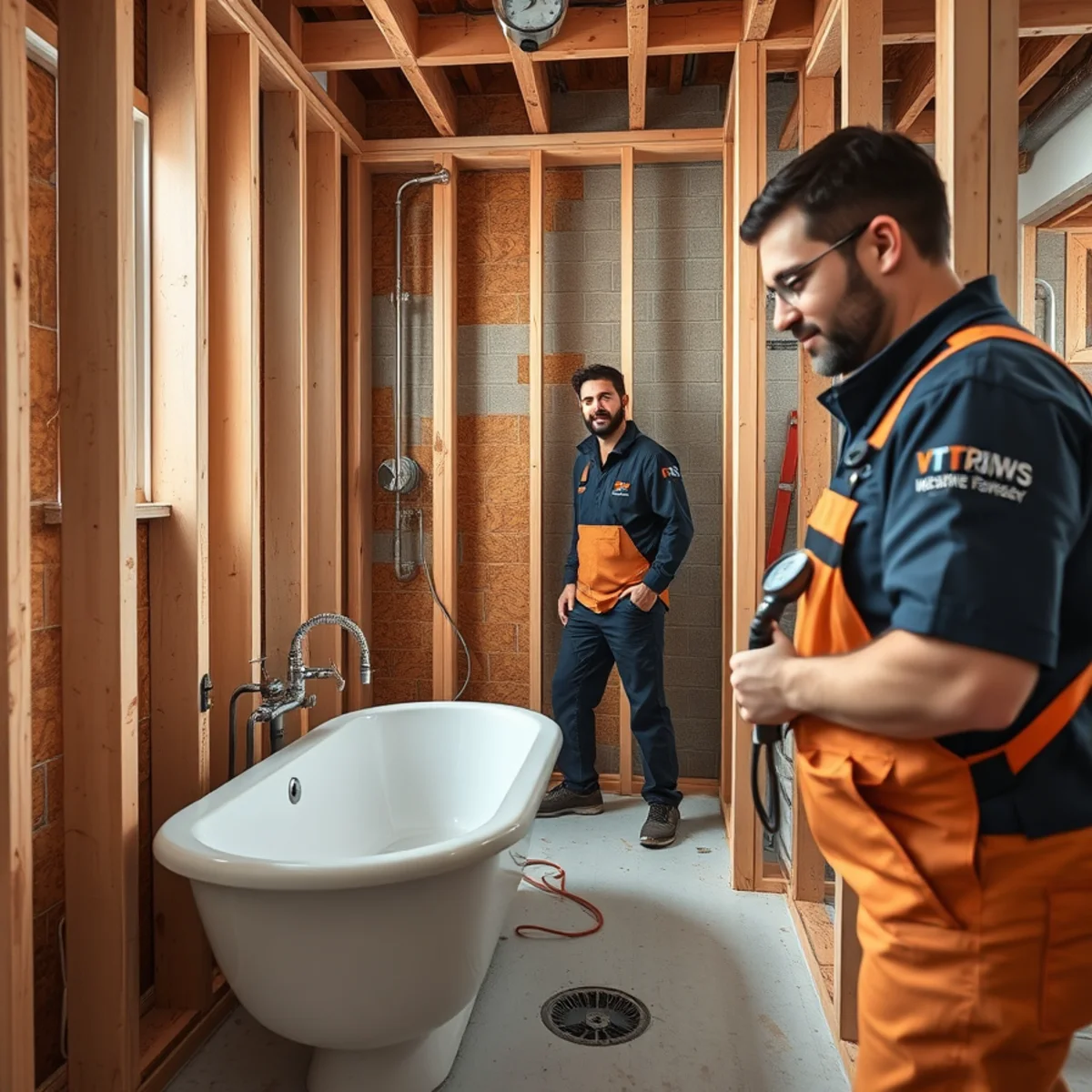
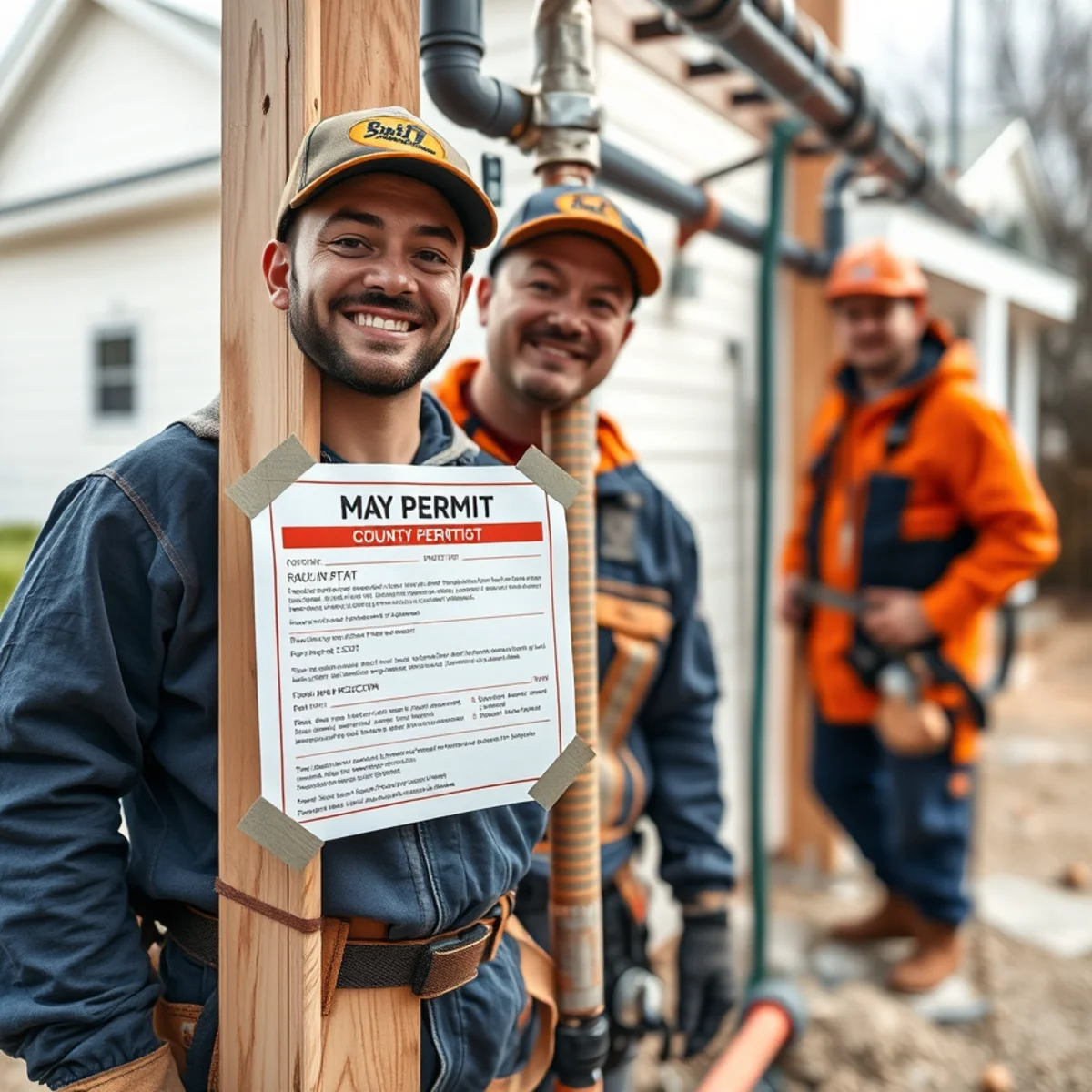
Permits are the least interesting part of plumbing and one of the more consequential. Homeowners mostly encounter them in two ways: a contractor mentions one and it sounds like an unnecessary cost, or a buyer's inspector finds work that never had one and a sale goes sideways.
Here is a straight answer about what needs one, what does not, and why it matters.
What generally needs a permit
- Water heater replacement. This surprises people constantly and it is the most commonly un-permitted job in residential plumbing.
- New or altered drain, waste and vent piping. Moving a toilet, adding a bathroom, relocating a kitchen sink.
- New or altered water supply piping. A repipe, or extending supply to a new fixture.
- Sewer lateral repair or replacement.
- Water service line repair or replacement.
- Gas piping — installation, extension or modification. Always.
- Backflow prevention device installation.
- Adding any new fixture where drainage and supply have to be extended.
What generally does not
The general principle is that repair and like-for-like replacement usually do not require a permit; new work and alterations to the system do. Requirements vary between jurisdictions — Baltimore County, Howard County, Montgomery County and Anne Arundel County all have their own processes — and they change. Your contractor should know which applies to your address.
- Replacing a faucet, a toilet or a sink in the same location with no change to the piping.
- Clearing a blocked drain.
- Repairing a leaking pipe by replacing a section in the same place.
- Replacing a garbage disposal.
- Replacing a shutoff valve or a supply connector.
What a permit actually buys you
It is not a piece of paper. It is an independent inspection of work you are not qualified to check yourself and will never see again once it is covered up.
For a gas line that means a documented pressure test held for the required period. For a water heater it means someone confirming the venting, the relief valve discharge, the expansion control and the seismic or safety provisions are right. For a rough-in it means the drain slope, venting and pipe sizing are checked before drywall goes on.
You are paying for a second set of qualified eyes on the parts that matter most and are hardest to verify later.
Why un-permitted work causes trouble later
- Home sales. A buyer's inspector identifies an obviously newer water heater with no permit on record, and it becomes a negotiating item. Resolving it retroactively takes time that a contract timeline does not allow.
- Insurance claims. Carriers can ask whether work was permitted when assessing a claim arising from it.
- Compounding. Un-permitted work that is also non-compliant frequently has to be opened up and redone, which costs several times what doing it properly would have.
- Future work. When a plumber pulls a permit for new work, an inspector may look at what is already there.
The contractor test
If a contractor offers to skip the permit to save you money, that is the most useful piece of information you will get about them.
It tells you they are willing to avoid independent inspection of their own work. On a job you cannot verify — a gas joint, a vent connection, a slope you will never see again — that is exactly the wrong instinct in the person doing it.
It also shifts liability onto you. The permit is pulled in the contractor's name; the un-permitted work is on your property and your disclosure.
If you already have un-permitted work
It is usually resolvable. Jurisdictions generally have a process for permitting existing work retroactively, which involves an inspection and may involve opening up sections for verification.
The important thing is timing. Doing it on your own schedule, before you list a house, is straightforward. Doing it inside a thirty-day contract window is not.
If you have had significant plumbing work done and cannot find the paperwork, check the county permit records for your address — it is a free lookup and it is worth knowing before somebody else does it for you. Our guide to selling covers the wider list.
How we handle it
We pull the permit and meet the inspector on every job that requires one, in every jurisdiction we work in — Baltimore, Howard, Anne Arundel, Carroll, Frederick, Montgomery and Prince George's counties all have their own processes and we work within them.
Permit and inspection fees appear as their own line on the estimate rather than being folded into a lump sum, because you should be able to see what you are paying for. And you get the documentation for your records afterwards.
It is the least glamorous part of what we do across Catonsville and everywhere else, and it is one of the clearer signals of whether a contractor is worth having in your house. See plumbing installation and gas line work for what the permitted process involves.
Frequently asked questions
Do I need a permit to replace my own water heater?
In Baltimore County and the surrounding jurisdictions, yes — the requirement attaches to the work rather than to who does it. Homeowners can generally pull permits for work on their own primary residence, and the inspection requirement is the same.
How long does the permit process take?
For routine residential work such as a water heater replacement it is typically quick, and inspections are scheduled within days. It rarely delays a job meaningfully, which undercuts the main argument for skipping it.
Can un-permitted work be permitted after the fact?
Usually, through a retroactive permit and inspection, though sections may need opening up for verification. It is far easier done on your own timetable than inside a home sale contract window.
Who wrote this
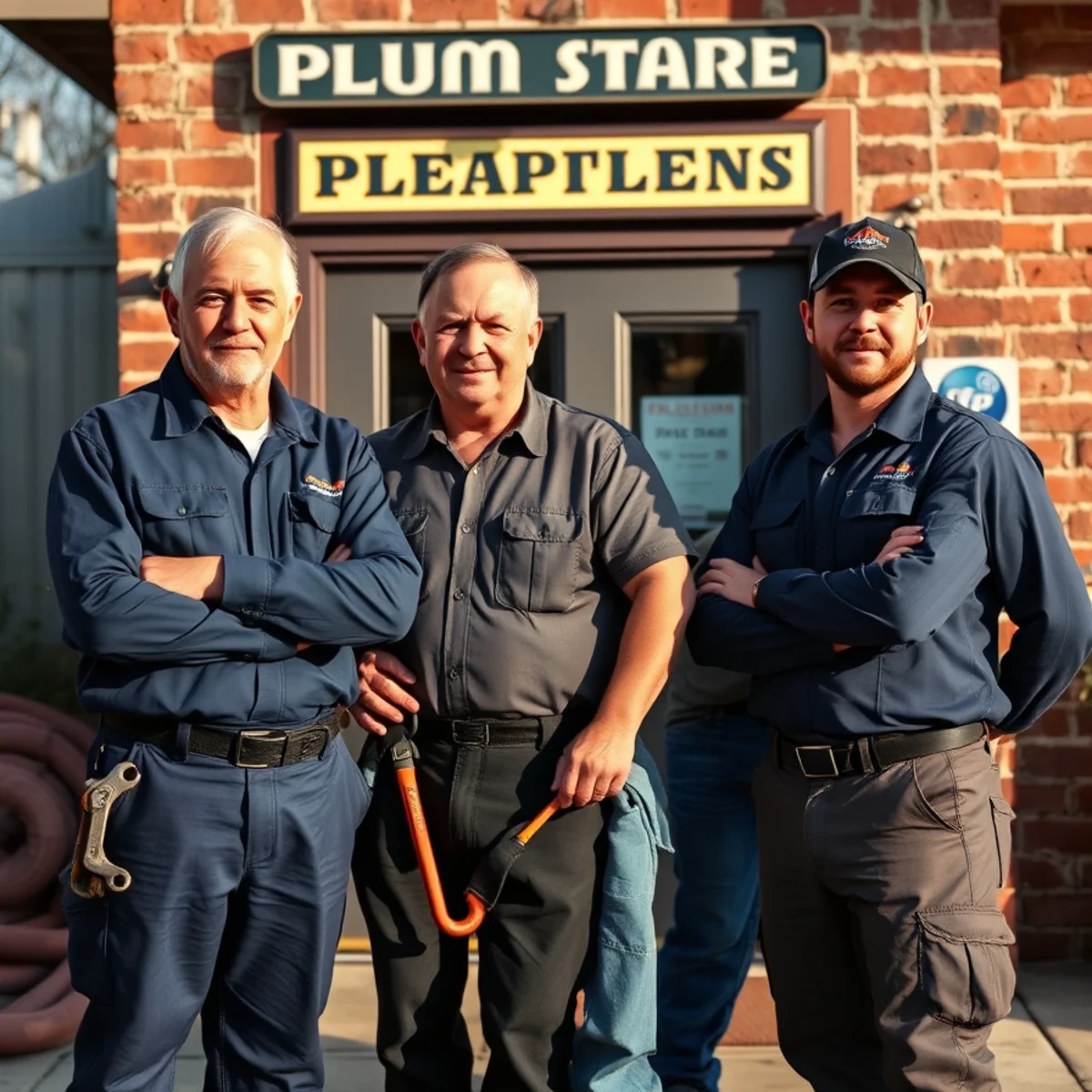
Collins & Sons LLC — Daniel Collins and family
We are a family plumbing business working out of 209 Westowne Rd in Catonsville, and we have been under Maryland houses for over 40 years — three generations of it. Most of what is on this page comes from doing the same jobs repeatedly on the same housing stock: pre-1950 homes off Frederick Road, galvanized supply, cast iron drainage, and water that runs 7–8.2 grains per gallon.
Licensed MHIC #117712 with the Maryland Home Improvement Commission and fully insured. We pull the Baltimore County permits on water heaters, sewer work and gas piping, and we meet the inspector ourselves.