
There is a structural asymmetry in home sales: anything a buyer's inspector finds costs you more than the same thing fixed beforehand. You lose the choice of contractor, you lose the timeline, and you concede at a moment of maximum leverage against you.
None of the following is expensive. All of it is expensive to concede.
The ones inspectors always find
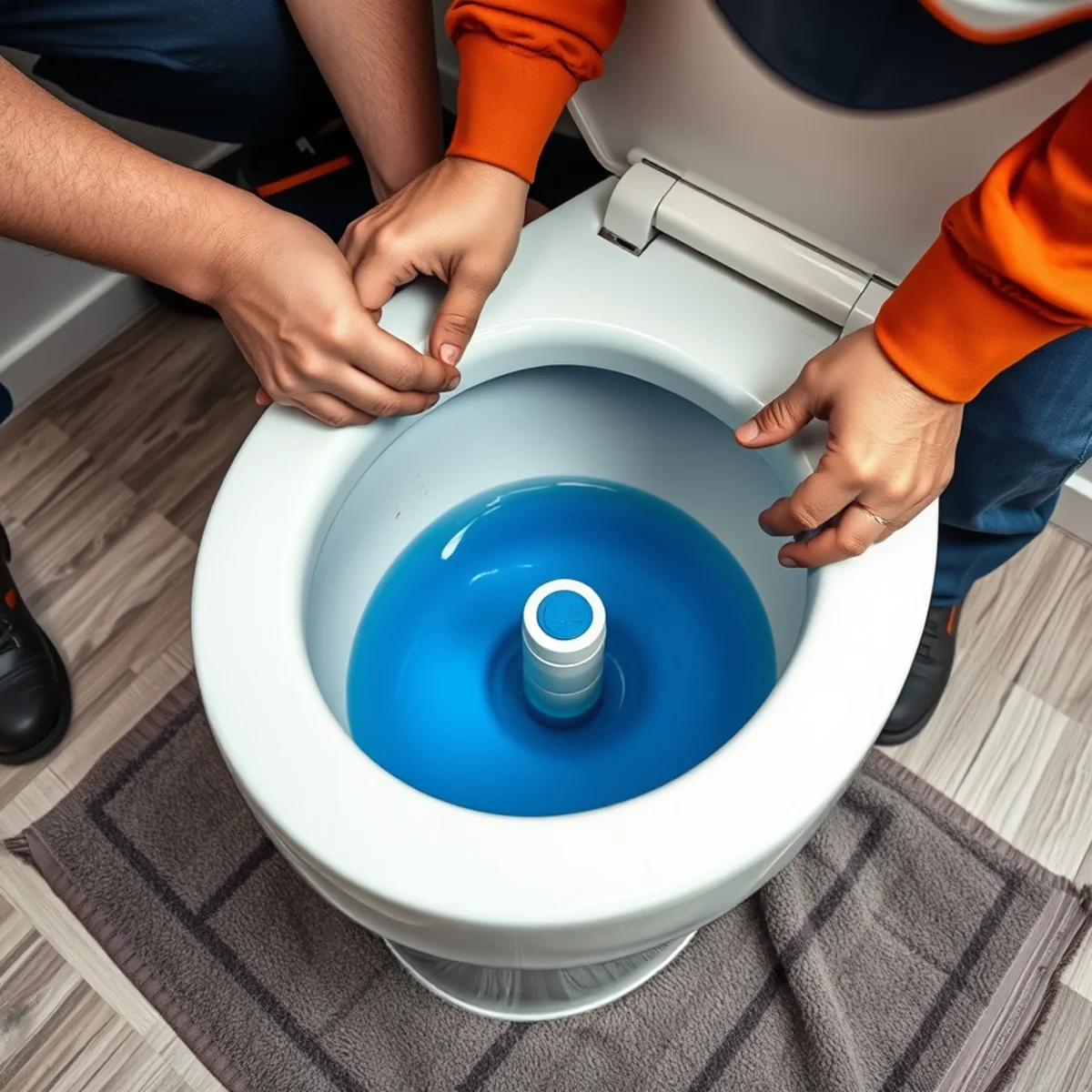
- Running toilets. Dye-test every one. A flapper is a few dollars and it appears on every inspection report as "toilet running continuously".
- Dripping taps and weeping shutoffs. A cartridge or a valve. Visible, cheap, and it reads as deferred maintenance across the whole house.
- Water stains under sinks and around toilets. Even if the leak is fixed, dry it out and repaint the cabinet floor. Inspectors photograph staining and buyers assume the worst.
- Slow drains. Clear them. A slow drain in a report invites the question of what is wrong with the pipe.
- A soft or rocking toilet. That is a flange or subfloor issue, and it is one of the more alarming-sounding findings for a buyer.
- Missing or improperly configured dishwasher drain loop. A five-minute fix that appears on reports constantly.
The permit question
This is the one that derails settlements, and it is worth checking before you list.
Water heater replacement, sewer work, gas piping and most alterations to drain, waste, vent or supply piping require permits in Baltimore County and every jurisdiction we work in. If a previous owner — or a previous contractor of yours — skipped one, it surfaces at the worst moment.
Un-permitted work can frequently be resolved retroactively, but it takes time, and time is exactly what a contract timeline does not give you. Finding out now means you can deal with it calmly.
The water heater
The rating label carries the manufacture date, and every inspector reads it. A heater over ten years old is flagged as at end of life whether or not it is working perfectly.
You do not necessarily have to replace it. What helps is knowing where you stand, having it serviced and flushed so it is performing well at inspection, and being ready to answer the question. If it is over twelve and struggling, replacing it pre-listing usually costs less than the credit a buyer will ask for.
While you are at it, confirm there is a drain pan where required and expansion control on a closed system. Missing expansion tanks are a routine finding on older installations.
The sewer lateral — get ahead of this one
On any house built before roughly 1970, an informed buyer will scope the sewer. In Catonsville and the older neighbourhoods around it, that is increasingly standard practice.
Scoping it yourself first gives you three options instead of one: fix it on your schedule with your contractor, price it into the listing knowingly, or disclose it and let the market price it. Discovering it through the buyer's inspector gives you none of those.
A clean sewer report is also a genuine selling point on an older house, because every informed buyer is already worrying about exactly this. We provide footage and a written summary with every camera inspection.
The supply piping conversation
If the house still has galvanized supply, a buyer will find it and it will be priced in. You are unlikely to repipe a house you are selling, and you should not have to — but you should know, so you can answer the question accurately rather than being caught out.
The same applies to polybutylene, which some insurers ask about. Being able to say "yes, it is polybutylene, here is what has been done and here is what has not" is a materially better position than being informed by a stranger with a clipboard.
The half-day that pays for itself
A pre-listing plumbing check covers all of that in one visit and gives you a written summary — which, when it comes back clean, is itself worth showing a buyer. We do these throughout Catonsville and Severn and across the counties we serve.
- Dye-test every toilet and replace any flapper that passes water.
- Fix every visible drip.
- Operate every shutoff valve and replace the ones that will not turn.
- Clear any slow drain.
- Run the meter test with everything off to confirm there is no hidden leak.
- Service and flush the water heater.
- Test the sump pump with five gallons of water.
- Clean up water staining and repaint where you can.
- Gather permit paperwork for any work you have had done.
Frequently asked questions
Should I replace the water heater before selling?
If it is over about twelve years old, usually yes — the credit a buyer asks for typically exceeds what replacement costs you, and a new heater is a positive line in the listing. Between eight and twelve, servicing it and being ready to discuss it is often enough.
Do I have to disclose plumbing problems I know about?
Maryland has specific seller disclosure requirements and you should take that question to your agent or attorney rather than a plumber. What we can say is that known problems tend to surface anyway, and disclosed problems negotiate better than discovered ones.
Is a pre-listing inspection worth it?
On an older house, generally yes. It converts unknowns into a plan, gives you time to shop contractors rather than accepting whoever can come this week, and a clean report is a genuine asset in a market where buyers are wary of older plumbing.

Who wrote this
Collins & Sons LLC — Daniel Collins and family
We are a family plumbing business working out of 209 Westowne Rd in Catonsville, and we have been under Maryland houses for over 40 years — three generations of it. Most of what is on this page comes from doing the same jobs repeatedly on the same housing stock: pre-1950 homes off Frederick Road, galvanized supply, cast iron drainage, and water that runs 7–8.2 grains per gallon.
Licensed MHIC #117712 with the Maryland Home Improvement Commission and fully insured. We pull the Baltimore County permits on water heaters, sewer work and gas piping, and we meet the inspector ourselves.