Almost every emergency we attend was preventable and visible a year earlier. The water heater that let go had been rumbling since spring. The angle stop that snapped had not turned in a decade. The sump pump that failed in July had not been tested since it was installed. The washing machine hose that burst was fifteen years old.
Preventive maintenance is not a glamorous product and it is genuinely the best value we sell. An hour once a year catches the things that turn into midnight phone calls, and in a hard-water town it materially extends the life of the most expensive equipment in the house.
We are honest that a diligent homeowner can do a good deal of this themselves, and we publish how. What we bring is the equipment to flush a silted tank safely, the hardness meter, the experience to know what a particular noise means, and the willingness to say "nothing needs doing this year."
Signs you need plumbing maintenance
- You have never had the water heater flushed
- You do not know how old the water heater is
- You have never located or tested the main shutoff valve
- The sump pump has not been tested since it was installed
- Washing machine hoses are the originals
- Angle stops under fixtures no longer turn freely
- You are buying, selling or renting out a property
- You would rather plan expenditure than react to it
The two highest-value things you can do yourself take twenty minutes: dye-test every toilet, and read your water meter with everything off. Both are free and both catch expensive problems early.
What the job includes
Water heater service
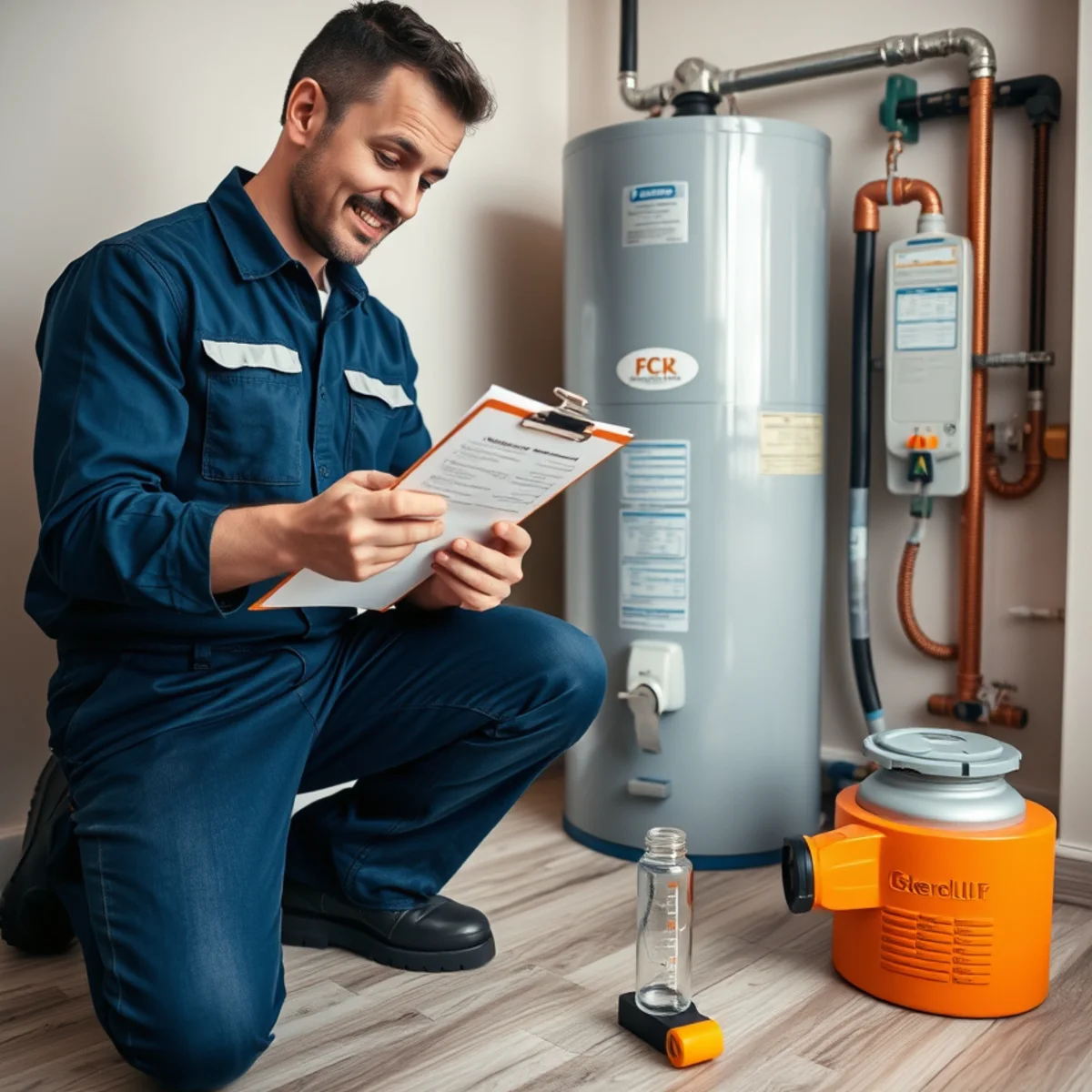
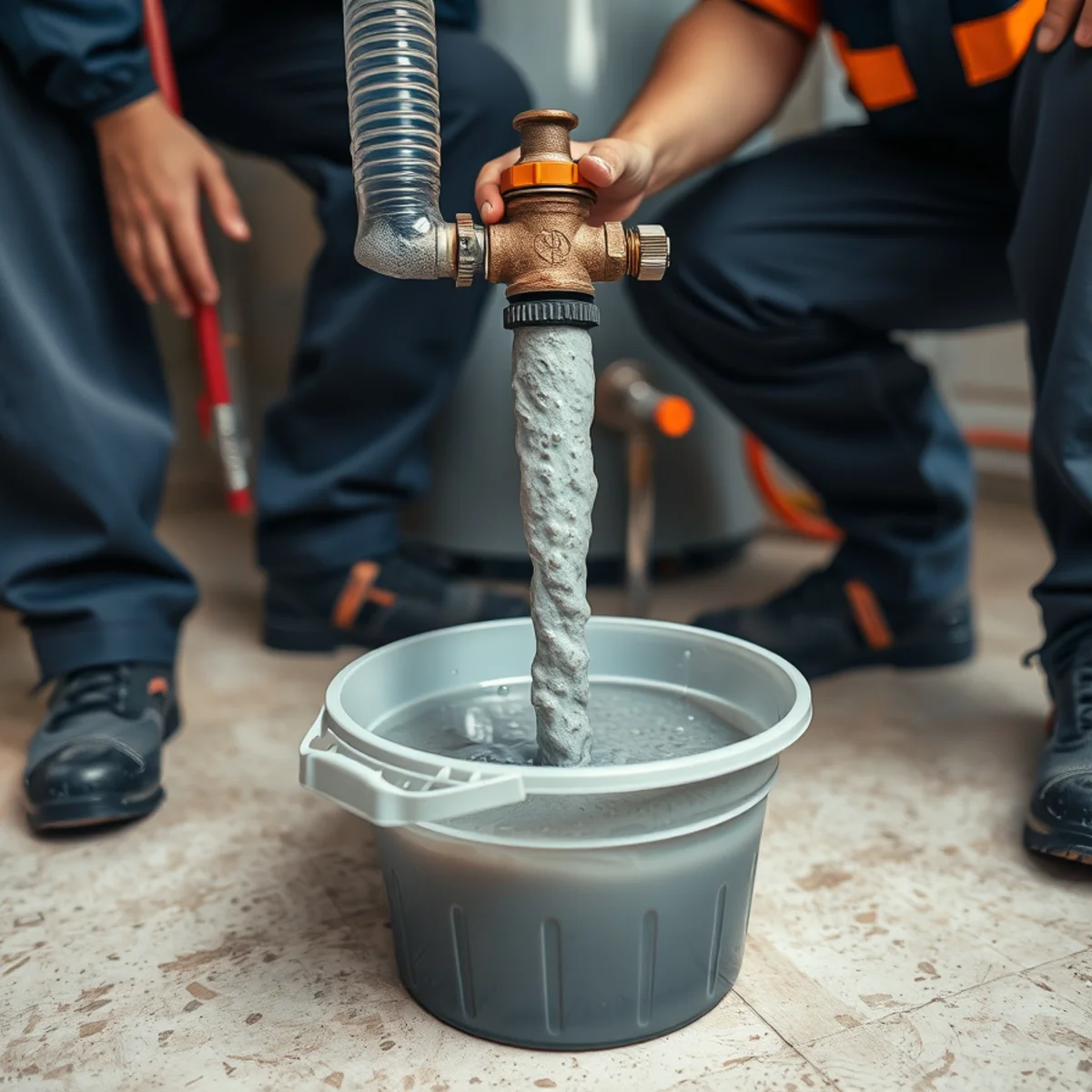
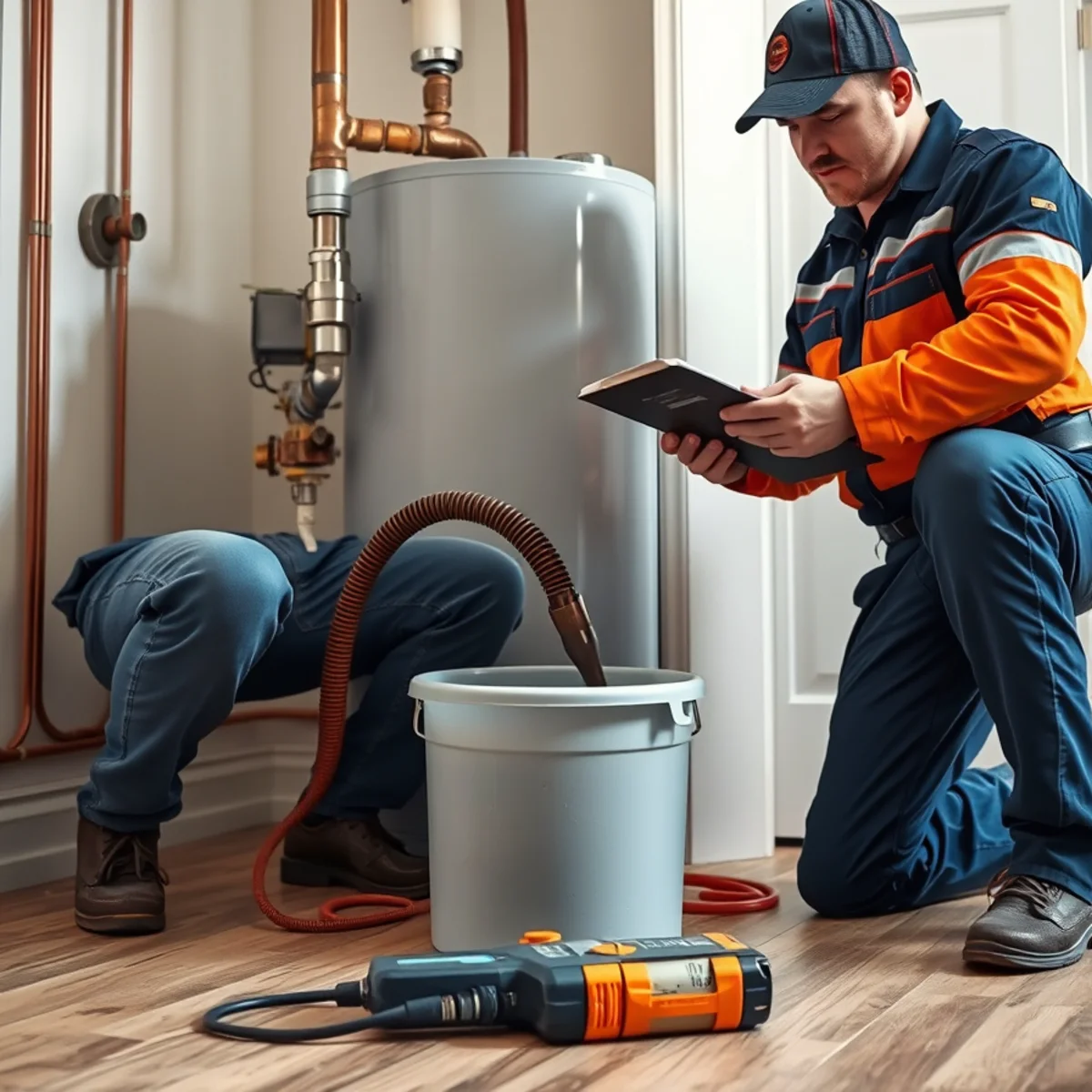
Tank flush, anode rod check, relief valve test, thermostat setting and combustion or element check. In Catonsville water this is the single highest-return maintenance item there is.
Free water hardness test
Included on every visit. Most homeowners have never seen the actual number for their address, and it changes the recommendation more often than people expect.
Leak survey and meter check
Meter test with the house shut down, visual inspection of accessible piping, and a look under every fixture. Catches hidden leaks while they are still cheap.
Valve and shutoff exercise
Operating the main shutoff and fixture stops to confirm they still work, and replacing the ones that do not. This is the check that matters most in an emergency.
Sump pump and drainage test
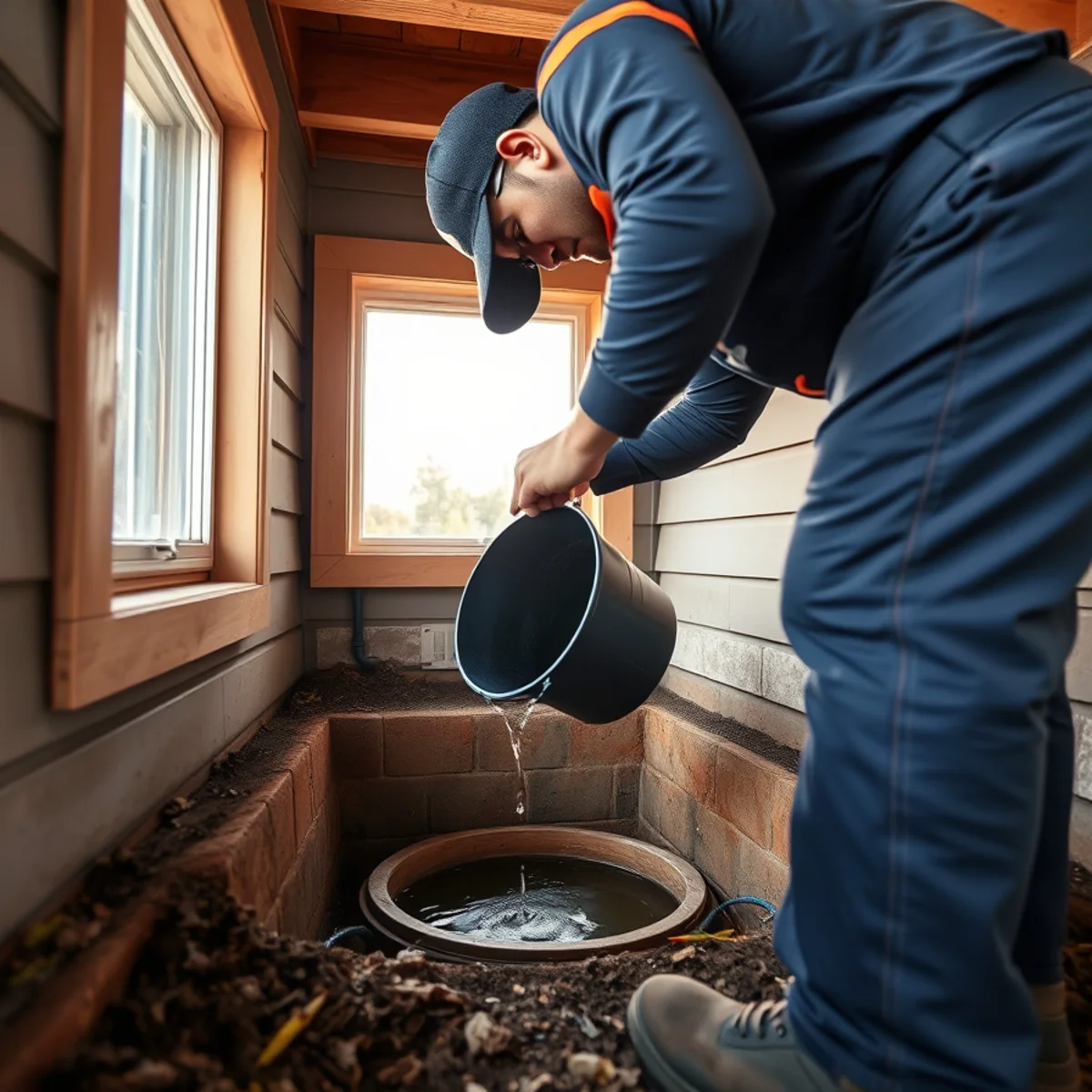
Five-gallon test, pit clean, check valve, float clearance, discharge routing and backup battery load test. Done in spring, before storm season rather than during it.
Written report and priority list
What is fine, what to watch, and what to budget for — with no pressure to book anything today. Useful for planning and genuinely useful at resale.
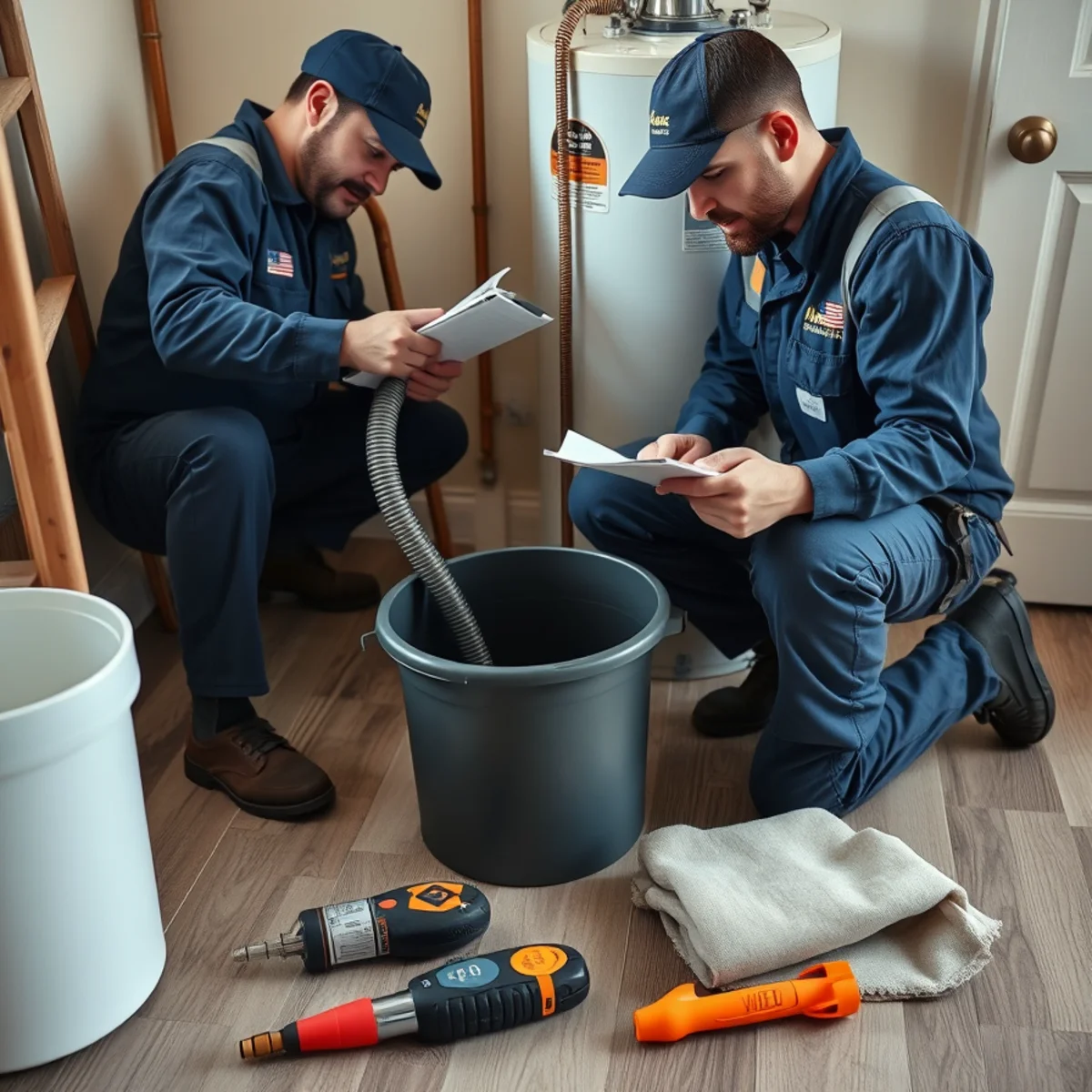
How we work
1. Start at the meter
A shut-down meter test tells us in thirty minutes whether the house is losing water anywhere. It is the fastest, cheapest diagnostic in plumbing.
2. Water heater first
Age, sediment condition, anode, relief valve, expansion control and temperature. This is where most of the value of the visit sits.
3. Work through the fixtures
Every toilet dye-tested, every shutoff operated, every visible supply connection checked, aerators inspected. Quick, systematic, and it finds things.
4. Basement, sump and drainage
Accessible piping inspected, sump pump tested with real water, discharge line followed outside, floor drains checked.
5. Report, ranked by consequence
Written, in plain English, ordered by what will actually cost you money. You decide what to act on and when.
What drives the price
We do not publish fake prices, because a number that does not match your house is worse than no number at all. What we can do is tell you exactly what moves the figure, so nothing on the estimate is a surprise.
Size of the property
Fixture count drives the time more than square footage. A one-bathroom bungalow and a four-bathroom colonial are genuinely different visits.
What the visit includes
A basic inspection and a full service with heater flush and sump test are different jobs. We will tell you what is worth including for your specific house.
Condition on the first visit
A tank that has never been flushed in fifteen years takes longer and carries some risk to the drain valve. We flag that before starting.
Repairs found
Anything we find is quoted separately and never carried out without agreement. A maintenance visit is not a route to an unexpected invoice.
Multiple properties
Landlords and property managers with several buildings get better pricing per property, because the coordination overlaps.
What this looks like in Catonsville
Annual maintenance matters more in Catonsville than it does in most of the country, and the reason is measurable. At roughly 7 to 8.2 grains per gallon, scale accumulates fast enough that a water heater which should give ten to twelve years commonly gives six to eight without flushing. Annual flushing is the difference, and it is not marketing — we see both outcomes on the same street.
The valve check is the second local priority. Hard water calcifies multi-turn angle stops in the open position over ten or fifteen years. Every plumber in this town has arrived at an emergency to find the homeowner could not shut the water off because the valve would not move. Exercising and replacing those valves annually is unglamorous and it is the thing that limits damage when something does go wrong.
Sump pumps are the third, and the timing matters. Test in spring, before the Mid-Atlantic storm season, not during it. Catonsville basements on the lower ground through Woodbridge Valley and the Johnnycake corridor take water fast when clay soil is already saturated, and the power tends to fail in the same hour.
For the older housing stock there is a fourth item: a sewer camera inspection every few years on any property with mature trees over a clay lateral. It is not annual work, but knowing whether root intrusion is starting lets you plan a lining job rather than react to a basement backup.
Plumbing Maintenance questions we get asked
What does an annual plumbing visit actually include?
Meter leak test, water heater service including a flush and anode check, dye test on every toilet, operation of every shutoff valve, inspection of accessible piping, sump pump test, and a free water hardness reading. You get a written report ranked by what will actually cost you money.
Can I do this myself?
A good deal of it, yes, and we publish how — the toilet dye test, the meter test, the five-gallon sump test and the visual checks are all straightforward. Where we add value is flushing a heavily silted tank without wrecking the drain valve, the hardness meter, and knowing what a particular noise means.
Is it worth it on a newer house?
Yes, though the focus shifts. In a newer home the pipe will outlive all of us; what ages out first is angle stops, supply connectors, fill valves and washing machine hoses. Those are cheap to replace proactively and cause a disproportionate share of water damage claims.
Do you offer this for rental properties?
Yes, and landlords are some of our best customers for it. We coordinate tenant access, provide per-unit documentation, and tell owners honestly when a recurring complaint points at the building rather than the fixture.