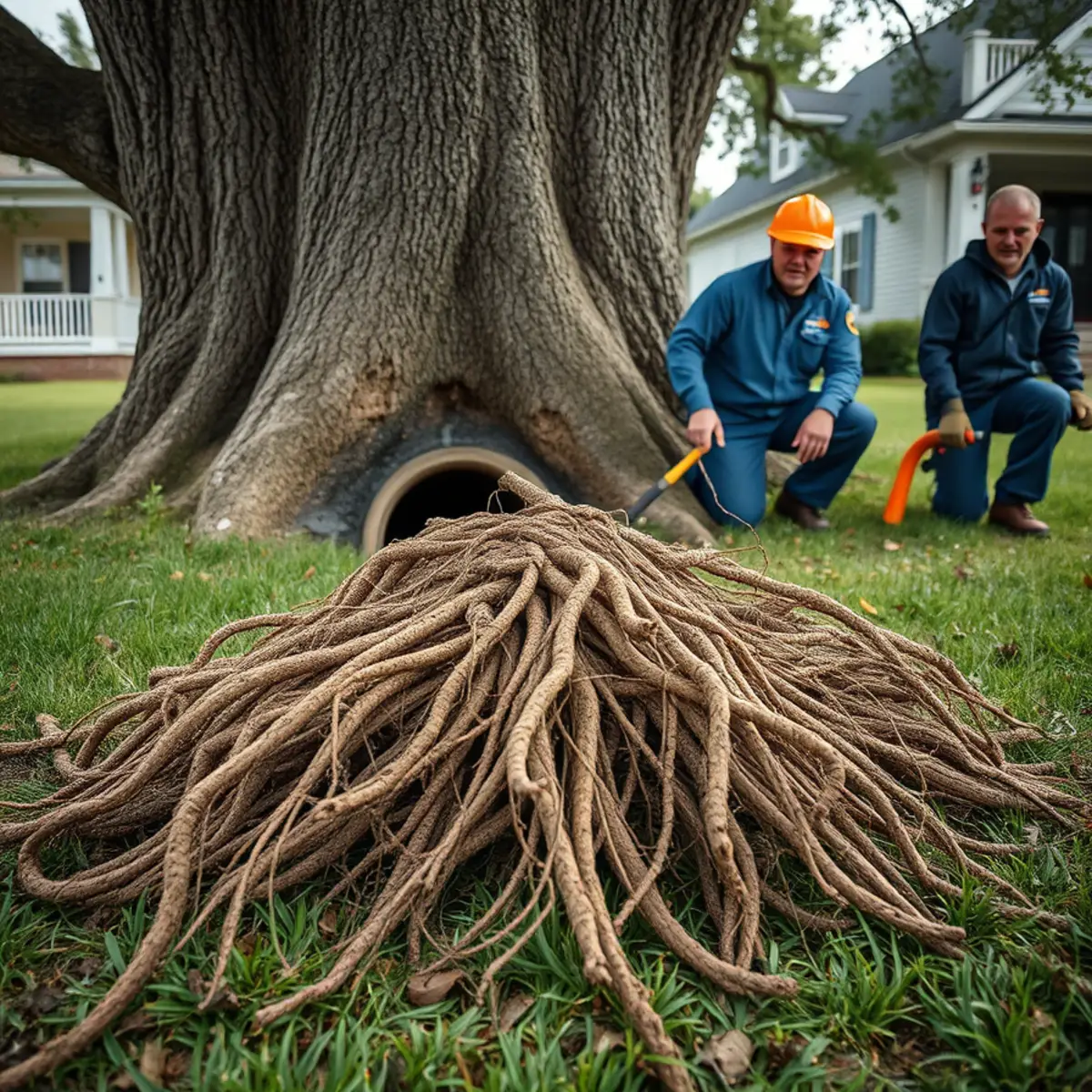
When a sewer lateral fails, the question homeowners ask is "can it be done without digging up my yard?" The honest answer is: sometimes, and what decides it is entirely visible on the camera footage.
Here is what each method actually involves, and the specific conditions that rule each one in or out.
The four options, cheapest first
1. Root cutting on an interval
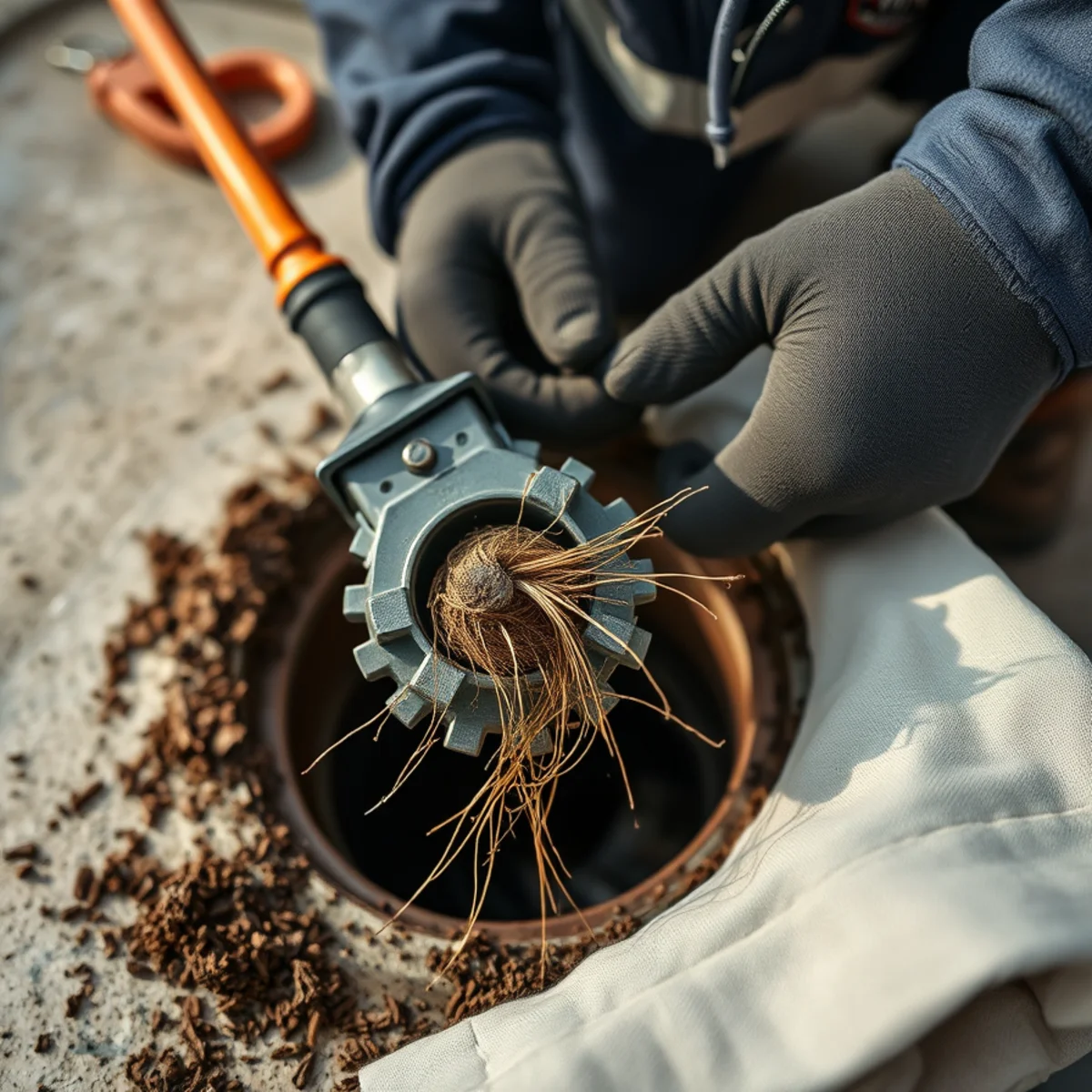
Mechanical cutting to shear roots off inside the pipe, restoring flow. It does not remove what is outside the pipe, so regrowth typically returns in 18 to 24 months on an active line.
This is a legitimate long-term strategy, not a cop-out, provided the pipe is structurally sound and you accept the recurring cost. For an owner not planning to stay long, or a line with intrusion at a single joint, it can genuinely be the right economic answer.
2. Spot repair
One section has failed and the rest is sound. Excavate just that section, replace it, backfill. Cheapest correct answer when the camera supports it, and it usually means a pit rather than a trench.
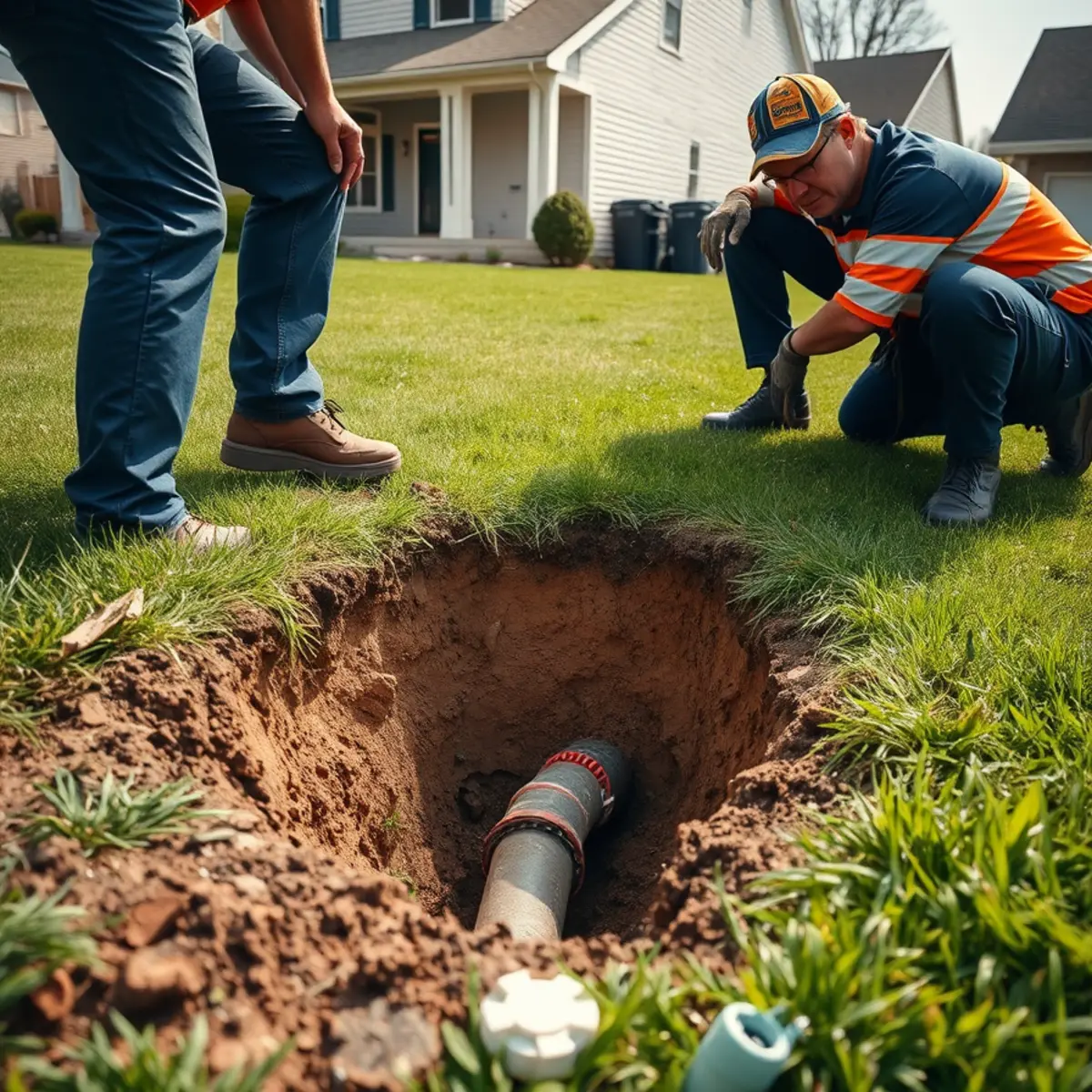
3. Trenchless lining (CIPP)
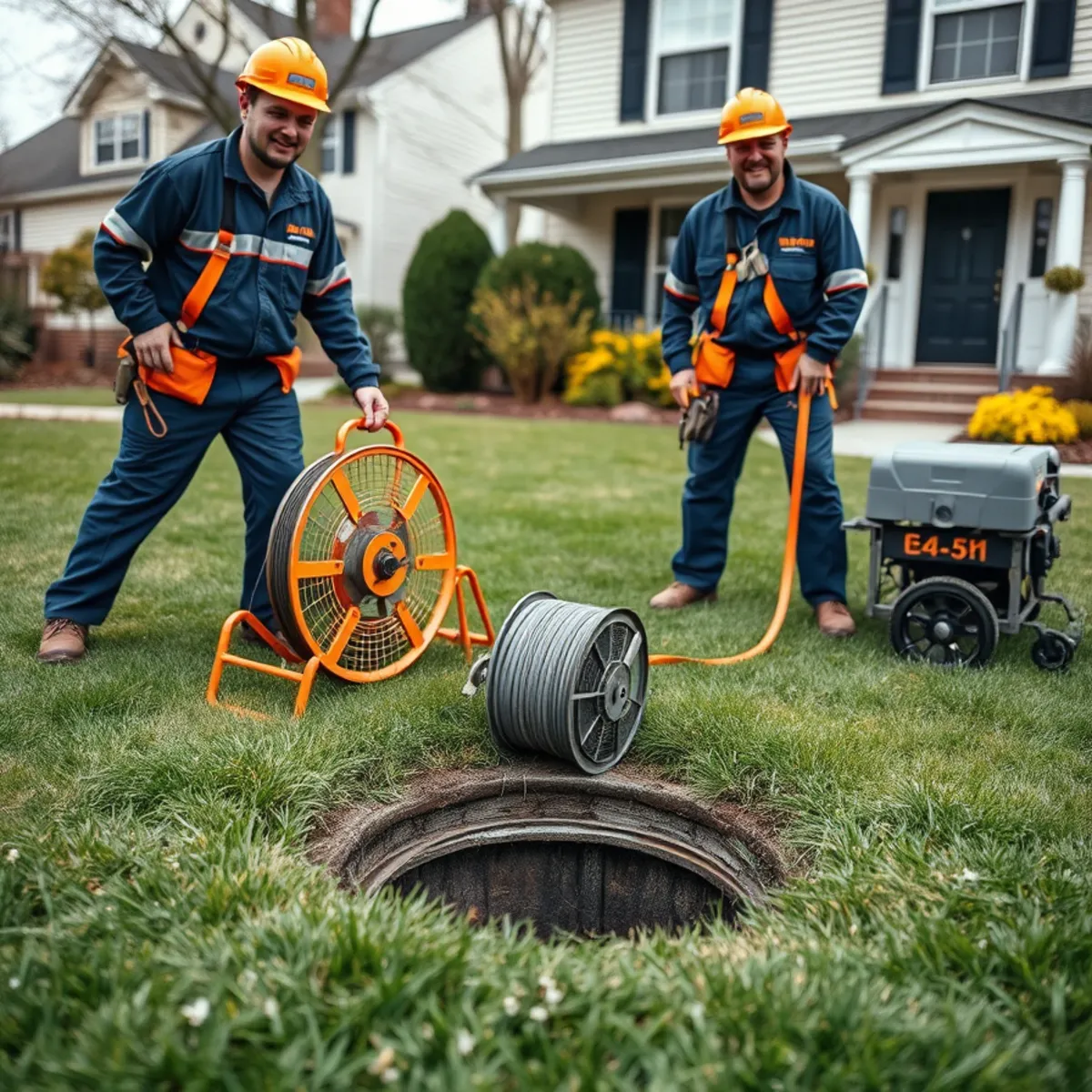
A resin-saturated liner is pulled or inverted into the existing pipe and cured in place, forming a new jointless pipe wall inside the old one. Access is through one or two small pits rather than a trench along the route.
The critical advantage for Maryland properties is that jointless means no entry point for roots. If root intrusion is the problem, lining removes the cause rather than managing the symptom.
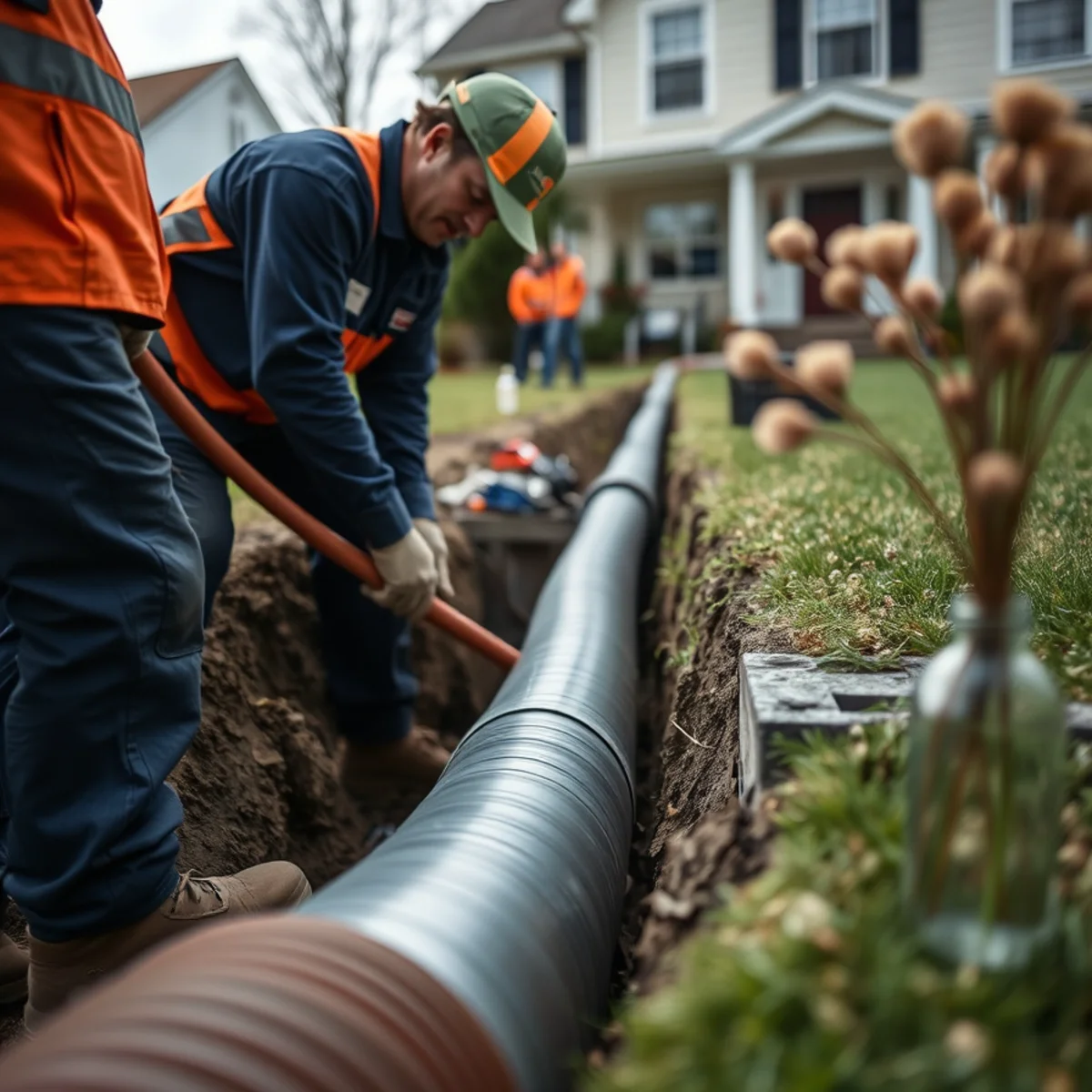
4. Full replacement
Excavate the run, remove the old pipe, lay new PVC at proper grade, add cleanouts, backfill and restore the surface. Most disruptive, most expensive, and genuinely necessary less often than homeowners fear.
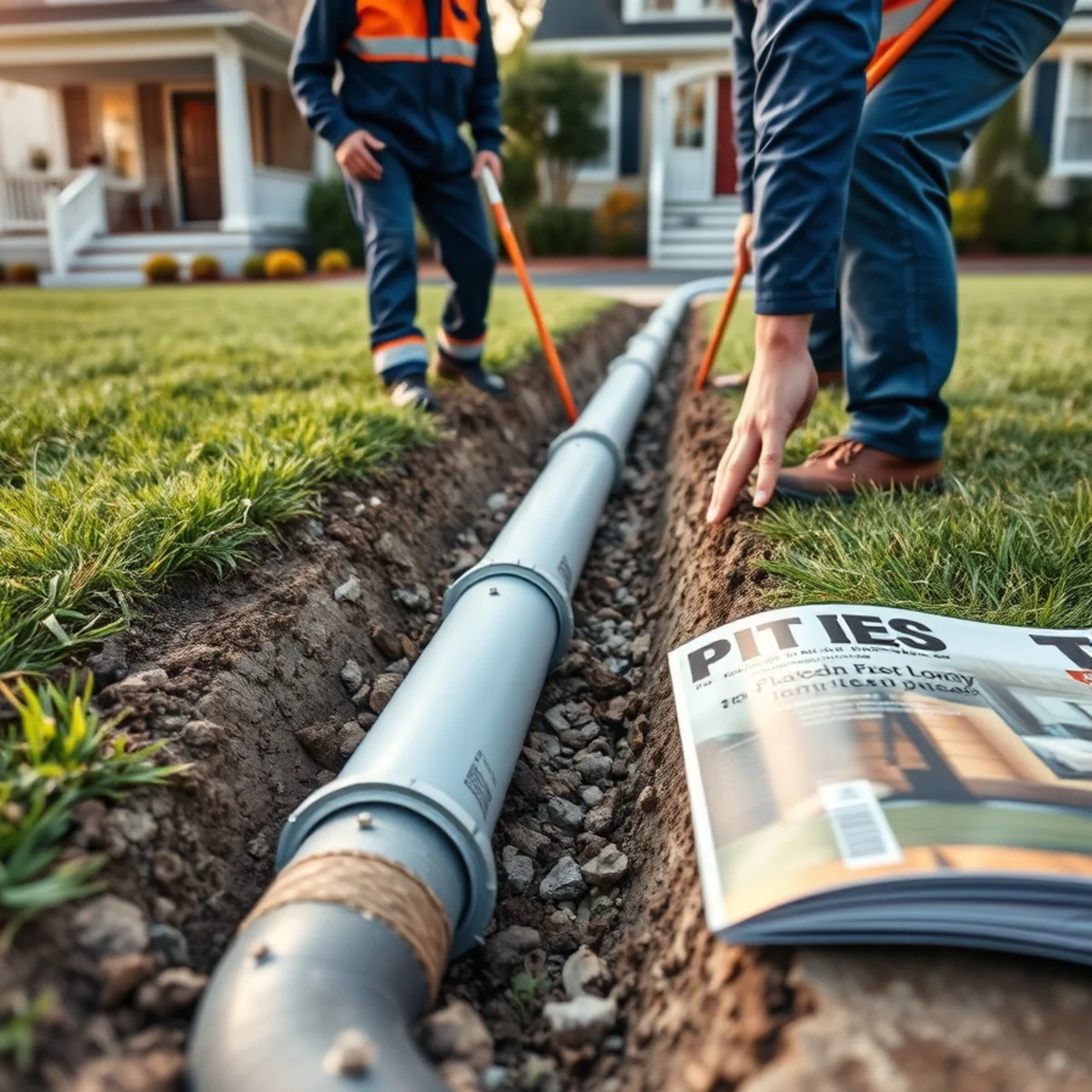
What has to be true for lining to work
- The host pipe must be structurally intact. A liner needs something to line against. A section that has genuinely collapsed has nothing left to hold the liner's shape, and it has to be dug.
- Diameter must be consistent enough. Severe offsets or a significant change in diameter mid-run can prevent the liner seating properly.
- Bends must be within tolerance. Gentle sweeps are fine. Sharp angles and multiple tight bends can be a problem depending on the system used.
- The line has to be cleaned first. Roots cut, scale removed, debris flushed. A liner installed over a scaled wall is a liner installed at a reduced diameter.
What pushes toward full replacement
- A collapsed section — nothing to line.
- A significant belly over a long run. A liner follows the existing pipe, so it preserves the low spot. Bellies need re-grading, and that means excavation.
- A line that is undersized for the property.
- Multiple material transitions and previous partial repairs that have left an inconsistent bore.
- A route where excavation is genuinely straightforward — open lawn, shallow depth, short run. Sometimes digging is simply the cheaper answer and we will say so.
The cost trade-off, honestly
Lining costs more per foot than open-cut excavation. It wins on the restoration side, and that is where the real comparison sits.
On a short run across open grass at shallow depth, open-cut replacement is frequently cheaper all-in — you dig, you replace, you re-seed. On a run passing under a driveway, a stone walkway, mature landscaping, or a specimen tree that would need removing, lining wins comfortably once you price putting the surface back.
On the deep lots and mature streets of Catonsville, Takoma Park and the older Baltimore County neighbourhoods, that second scenario is the common one.
The tree question
People ask whether the tree causing the problem should come out. Usually no — and we say that as the people who would be paid either way.
A mature specimen tree is worth a great deal to a property, removal is expensive, and the roots already inside the pipe do not vanish when the trunk comes down. Lining the pipe solves the problem while the tree stays, which is almost always the better trade.
The exception is where a root system is physically displacing the pipe rather than growing into a joint. The camera shows that distinction clearly.
Before you agree to anything
- Insist on camera footage of your own line, and a copy of it. This is the most common place in residential plumbing where homeowners get oversold.
- Ask for the defect to be located and marked on the surface with a sonde, so you know exactly what is above it.
- Ask which options are genuinely on the table and why the others are not. A contractor who offers only one method is either specialised or selling.
- Confirm permits are being pulled. Sewer work is permitted work in Baltimore County and every jurisdiction we operate in.
- Get post-repair footage. It is genuine documentation at resale.
Who pays
In Baltimore County and most surrounding jurisdictions the property owner is responsible for the lateral from the house to the connection at the public main. That is a longer stretch than most people assume, particularly on deep lots.
Standard homeowners policies rarely cover the pipe itself, though many cover resulting water damage and some carriers sell a service line endorsement that does. Check your policy before assuming, and keep the camera footage and invoices — carriers ask for documentation. We provide both as standard on sewer line work.
Frequently asked questions
How long does a cured-in-place liner last?
Manufacturers commonly rate them at 50 years. The more immediate practical advantage is that it is jointless — and joints are where roots get in. If root intrusion is your problem, lining removes the cause.
How much of my yard gets dug up for lining?
Typically one or two small access pits rather than a trench along the route. That is the main advantage of the method and the reason it is worth pricing whenever the route crosses a driveway, path or established planting.
How long does the work take?
A spot repair is often a single day. A lining job is typically one to two days including cleaning and curing. A full replacement depends on depth, length and what has to be restored on the surface.
Who wrote this
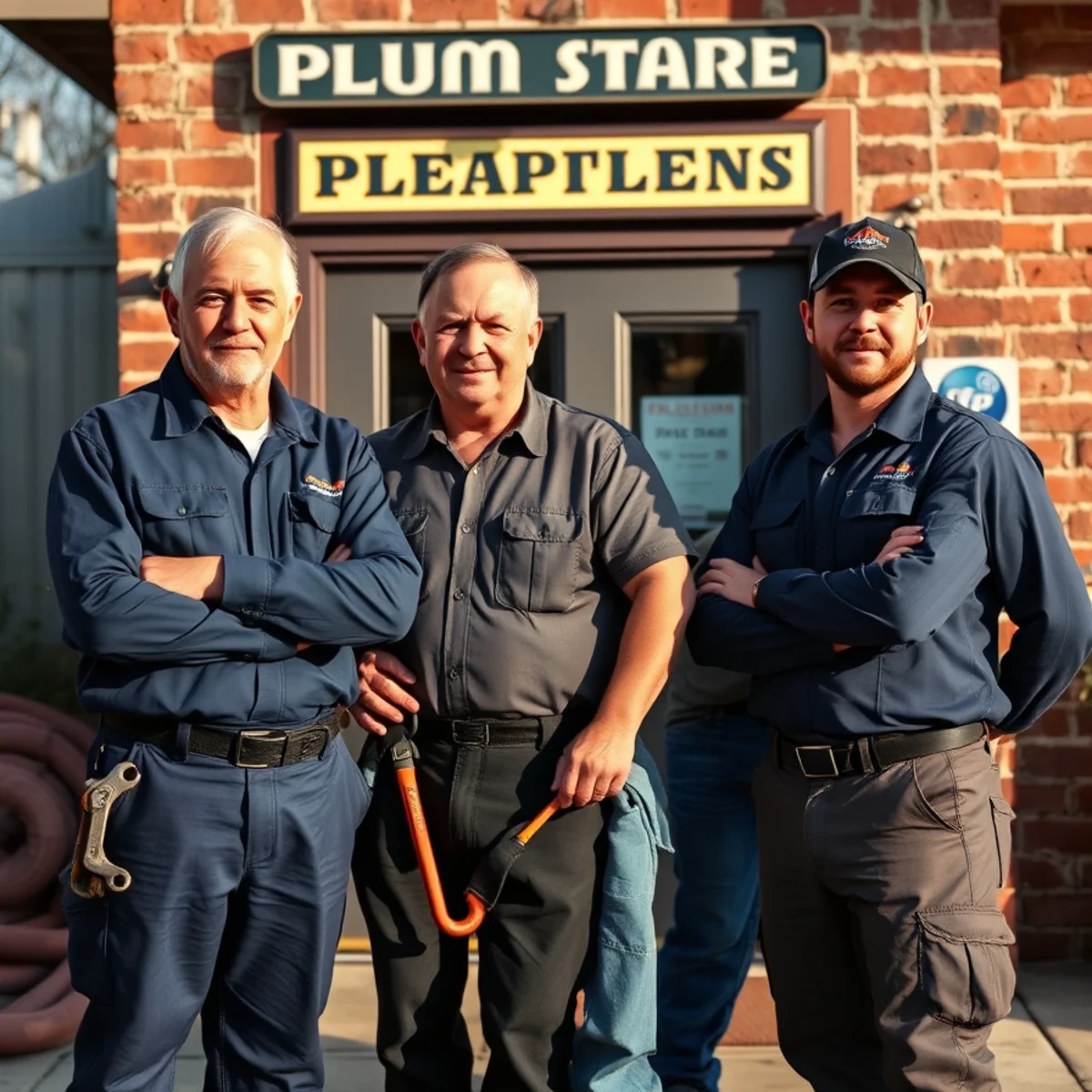
Collins & Sons LLC — Daniel Collins and family
We are a family plumbing business working out of 209 Westowne Rd in Catonsville, and we have been under Maryland houses for over 40 years — three generations of it. Most of what is on this page comes from doing the same jobs repeatedly on the same housing stock: pre-1950 homes off Frederick Road, galvanized supply, cast iron drainage, and water that runs 7–8.2 grains per gallon.
Licensed MHIC #117712 with the Maryland Home Improvement Commission and fully insured. We pull the Baltimore County permits on water heaters, sewer work and gas piping, and we meet the inspector ourselves.