
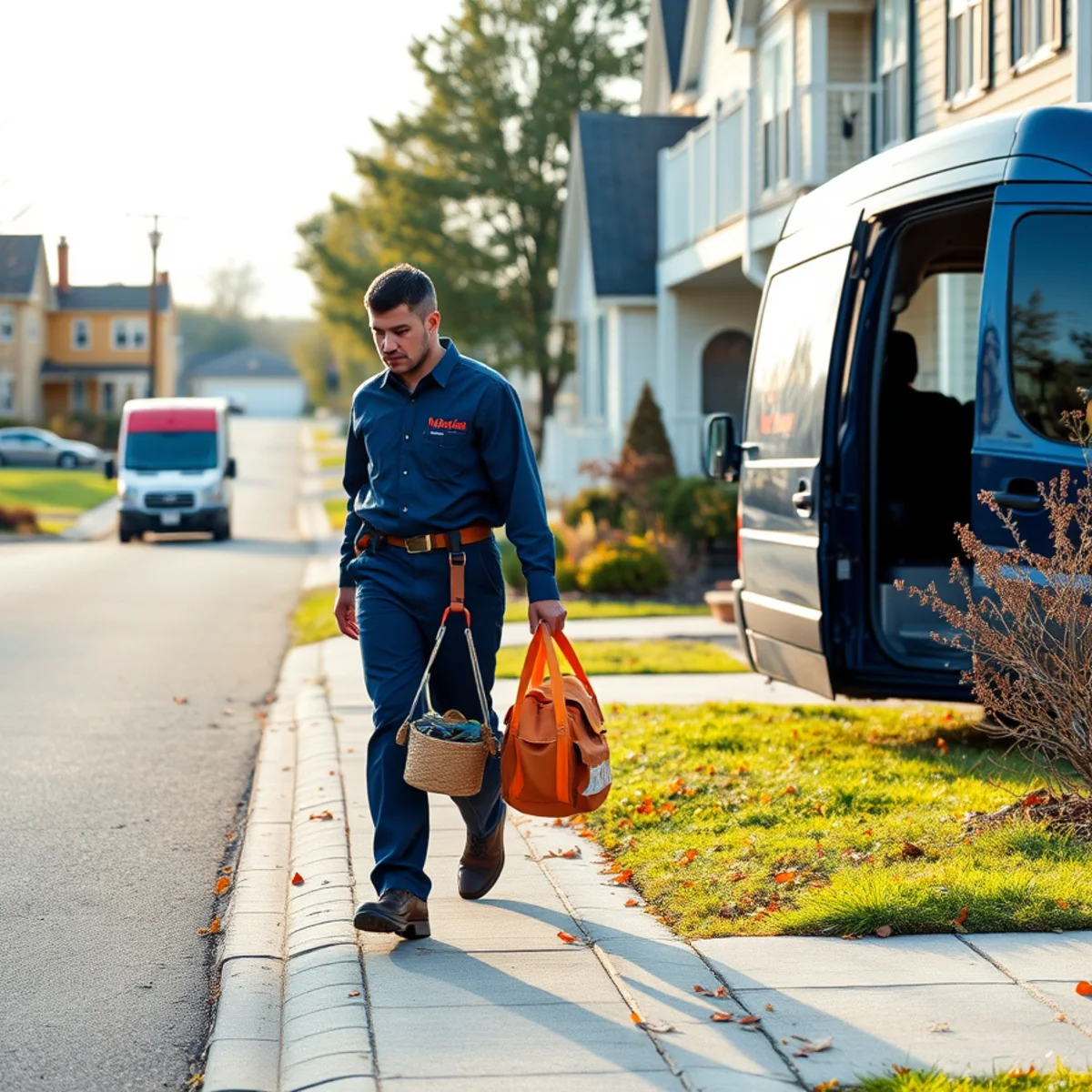
The Rolling Road corridor carries some of the newer housing in Catonsville — later development stretching out toward the Beltway and up toward Windsor Mill, with copper and PVC rather than galvanized and cast iron. It is the easy end of Catonsville plumbing and it comes with its own distinct set of problems.
Newer construction does not mean no problems, it means different ones. Builder-grade angle stops, supply connectors and toilet fill valves reach the end of their service life well before the piping does. Water heaters installed in a replacement wave in the 2000s are all coming due at once. And hard water works on every heat exchange surface in the house regardless of how new it is.
The good news is that almost all of it is preventable and inexpensive if addressed proactively. A homeowner here who replaces angle stops and washing machine hoses on a schedule rarely has a water damage claim.
What we find in Rolling Road homes
Component life versus pipe life
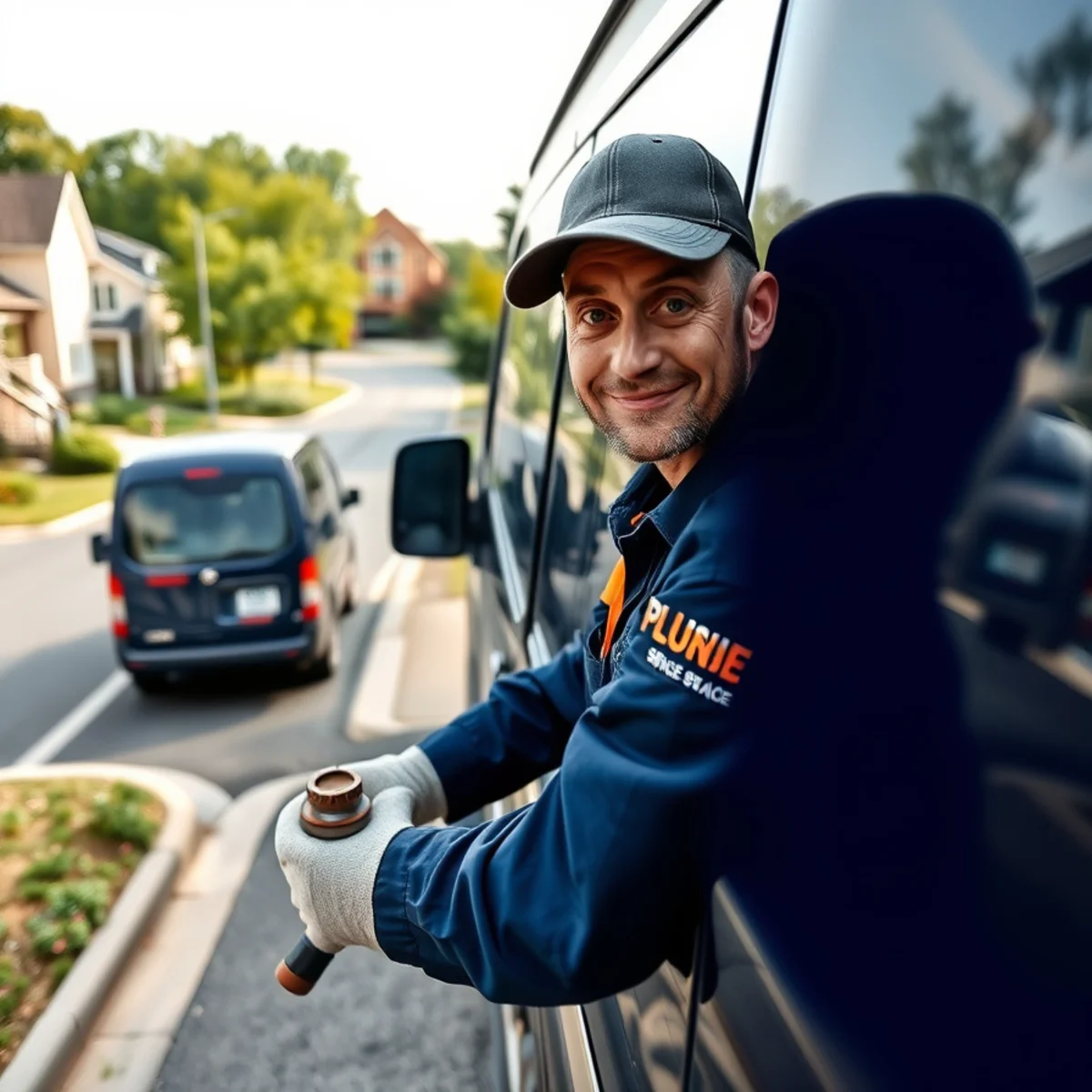
The pipe in these houses will outlive all of us. The valves, connectors and fill mechanisms will not. Knowing which parts age out first turns a reactive homeowner into a proactive one.
Mechanicals inside conditioned space
Newer construction often puts the water heater in a closet or upstairs utility space rather than a basement. That makes a drain pan, a piped drain and an expansion tank essential rather than optional.
Hard water on modern equipment
Tankless units and higher-specification fixtures are more sensitive to scale than a basic tank heater, not less. Annual descaling and a scale-prevention strategy are what keep them performing.
Neighborhoods and landmarks we work around
We work throughout Rolling Road and the rest of Catonsville, including 21228, 21244. Streets and landmarks we are around regularly:
- Rolling Road
- Baltimore National Pike
- Beltway interchange
- Johnnycake Road
- Ingleside Avenue
- Catonsville High School area
What Rolling Road customers tell us
Homeowners on the Rolling Road corridor often assume a newer house means no plumbing worries. We would rather set up a maintenance rhythm now than meet you during a failure later.
I had an outstanding experience with Collins & Sons LLC. Daniel has done several projects at my home over the last 4 years. He has helped me with small projects (replacing a garbage disposal), large projects (renovating my patio) and random projects. No mat…
Needed a water heater and my upstairs plumbing replaced. After contacting them they were very flexible to my schedule, also explaining in detail costs and procedures. Who doesn't like an honest family owned professional? I would use them again any time and…
Danny is a very professional and friendly person to work with. His work as a plumber and contractor is outstanding. He receives a high rating as he cleans up after he finishes working. I highly recommend this company and Danny to work on any project for you…
Plumbing questions from Rolling Road
My house is only twenty years old. Why am I getting leaks?
Usually at fixture-level components rather than in the piping — angle stops, supply connectors, toilet fill valves and washing machine hoses. Those parts have a shorter service life than the pipe, and volume construction rarely used the best available versions.
What should I replace proactively?
Washing machine hoses every five years or so, angle stops when they stop turning freely, toilet fill valves when they start cycling, and the water heater relief valve if it has never been tested. All inexpensive, all common causes of expensive water damage.
How often does a tankless unit need servicing?
Annually in this water, without exception. Descaling protects the heat exchanger, which is the expensive part. Skipping it is the most common reason a tankless owner ends up disappointed with equipment that is actually very good.