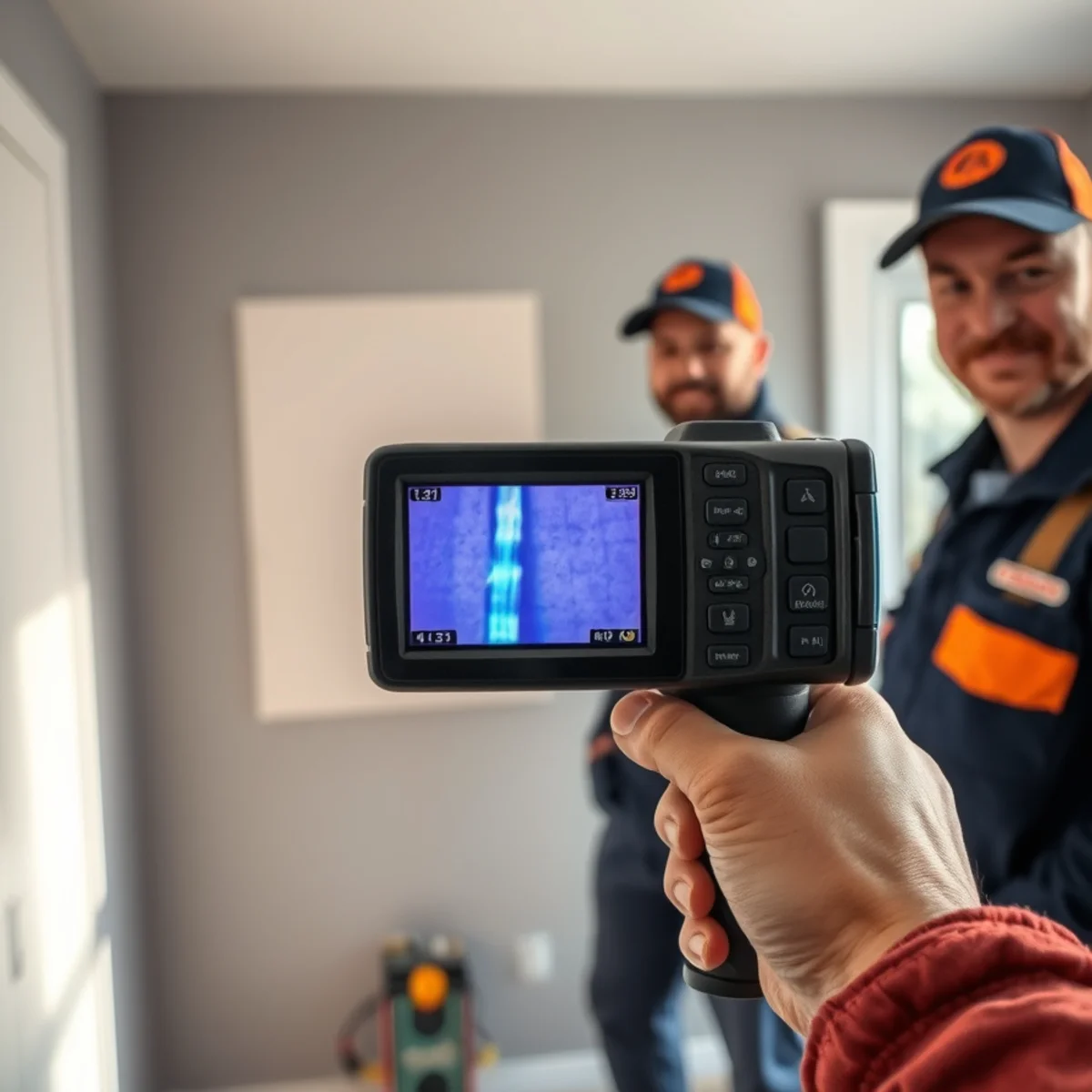
A leaking pipe is one of the few plumbing problems where the repair itself is usually the easy part. Cutting out a failed section and putting in a new one is straightforward work. What matters is answering the question underneath it: is this an isolated failure, or is the rest of that run on the same clock?
In a house with copper installed in the 1960s or 70s, a first pinhole is information about the whole system. In a house still running original galvanized, a leak means the bore has finally corroded through somewhere — and it corroded everywhere else at the same rate. Repairing one section and walking away is a service to nobody.
So we repair the leak, restore pressure, and then tell you honestly what the surrounding pipe looks like. Sometimes the answer is genuinely "that was a one-off, you are fine." We say that when it is true.
Signs you need leaky pipe repair
- A visible drip from a joint, fitting or length of pipe
- Water stains, damp patches or bubbling paint on a ceiling or wall
- A green or white crusty deposit on a copper joint — a slow leak that has been evaporating
- Rust streaks or flaking on galvanized or steel pipe
- A musty smell in a cabinet, crawl space or basement corner
- The water meter moving with everything shut off
- A water bill that climbed with no change in use
- A second leak appearing somewhere else within a year or two of the first
If a pipe is actively spraying, shut off the main first, then call. Turning off the water converts a potential disaster into a repair.
What the job includes
Copper pinhole repair
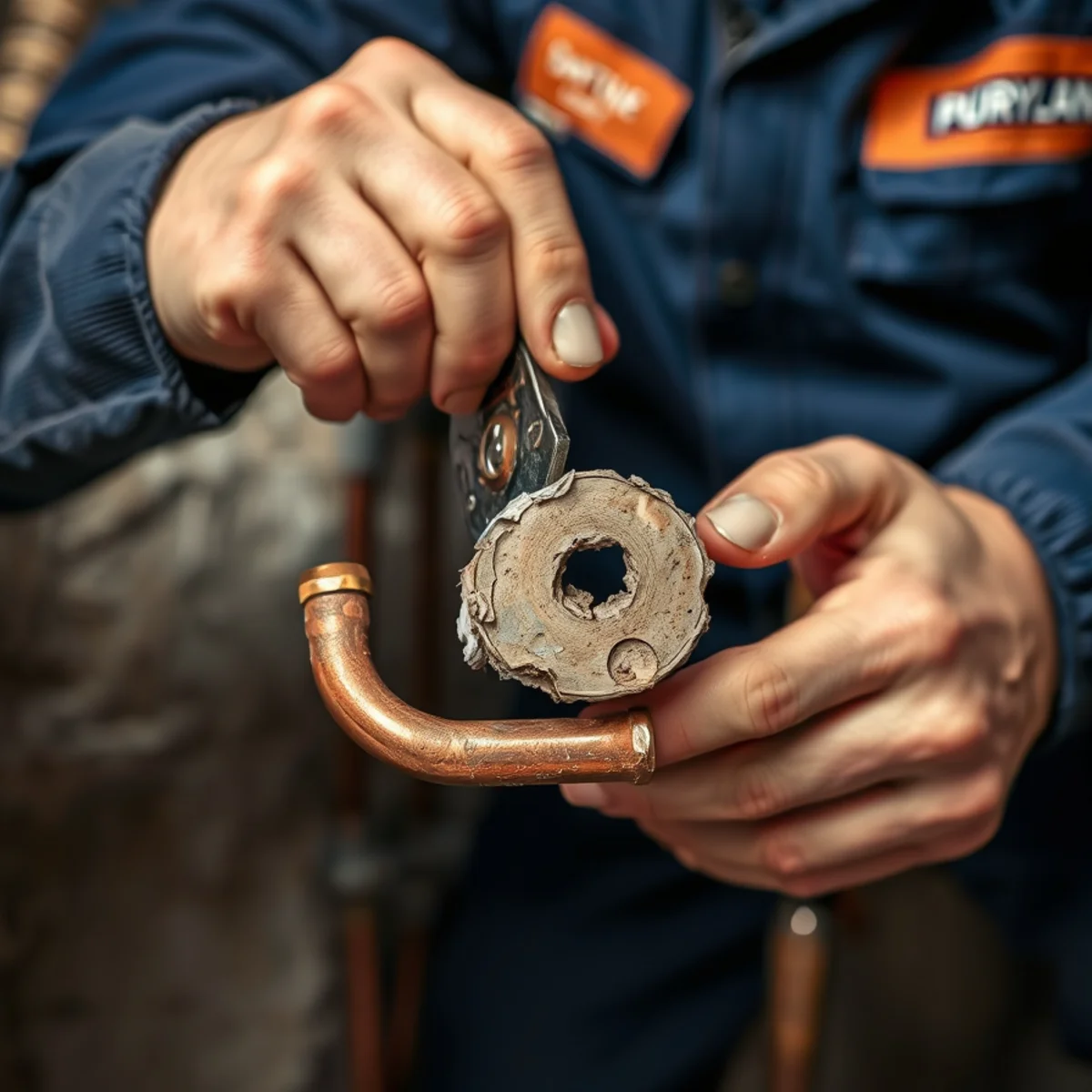
Cutting out the failed section and replacing it properly rather than clamping it. Pinholes are a documented regional issue around Baltimore, and we check wall thickness on the removed section to tell you what it means for the rest.
Galvanized pipe section replacement
Replacing a failed run in copper or PEX with correct dielectric transitions. In a fully galvanized house we will be honest that this is a patch on a system nearing the end of its life.
Split and frozen pipe repair
Locating the split — which is frequently not where the ice was — repairing it, and then addressing why that section froze in the first place.
Joint, fitting and valve leaks
Soldered joints, compression fittings, threaded connections and failing valve bodies. Small parts, disproportionate damage when they go.
Drain and waste pipe leaks
Cracked cast iron, failing hub connections and leaking trap arms. These leak slowly and rot structure quietly, so we look at the joists as well as the pipe.
Pressure testing after repair
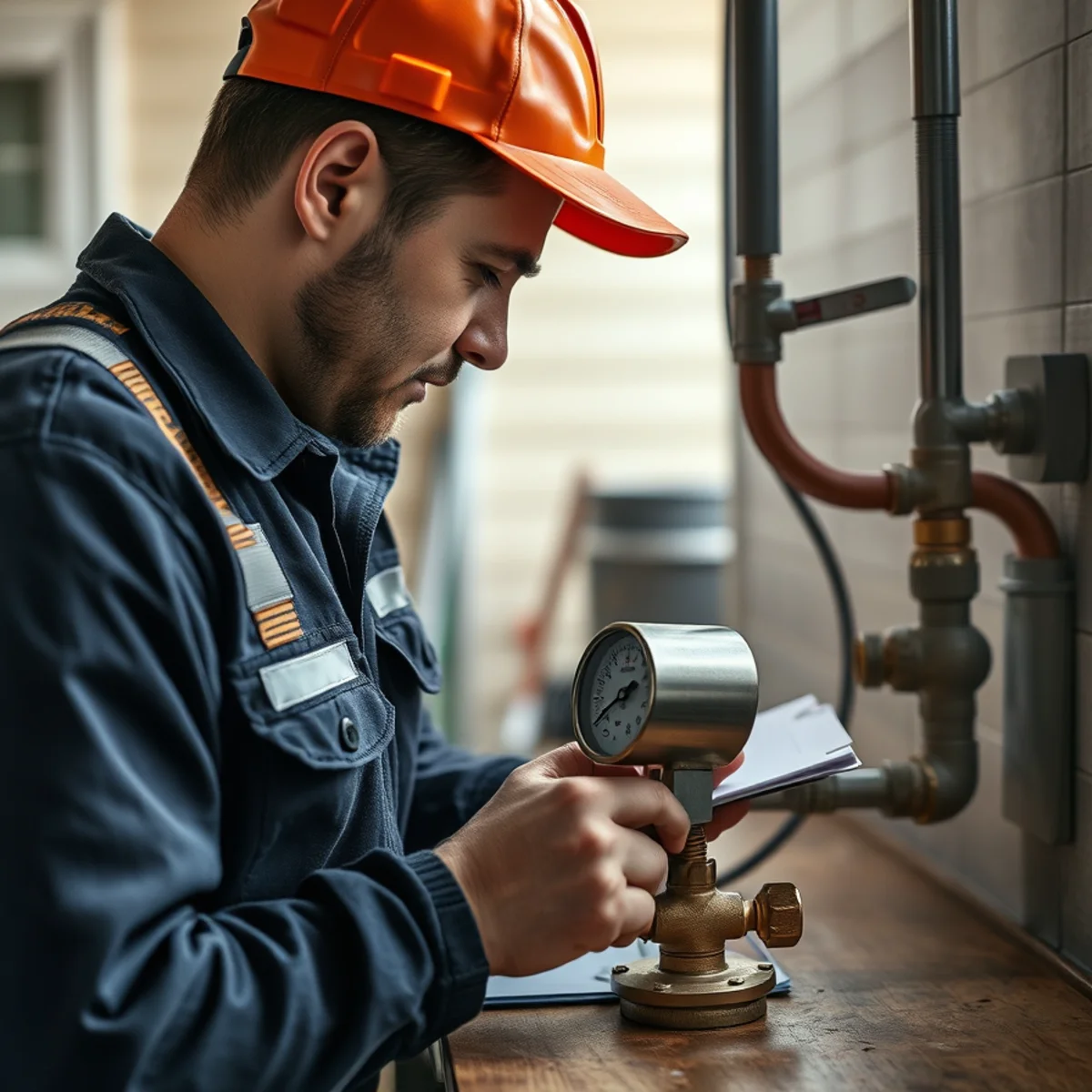
We bring the system back up and hold it, then re-check the meter. You get proof the repair held, not an assurance.
How we work
1. Find where it is actually coming from
Water travels along pipes and joists before it drips, so the wet spot is often nowhere near the failure. We dry the area, run the system and watch before cutting anything.
2. Isolate rather than shutting the house down
Where possible we isolate the affected branch so the rest of the house keeps water while we work.
3. Repair properly, not temporarily
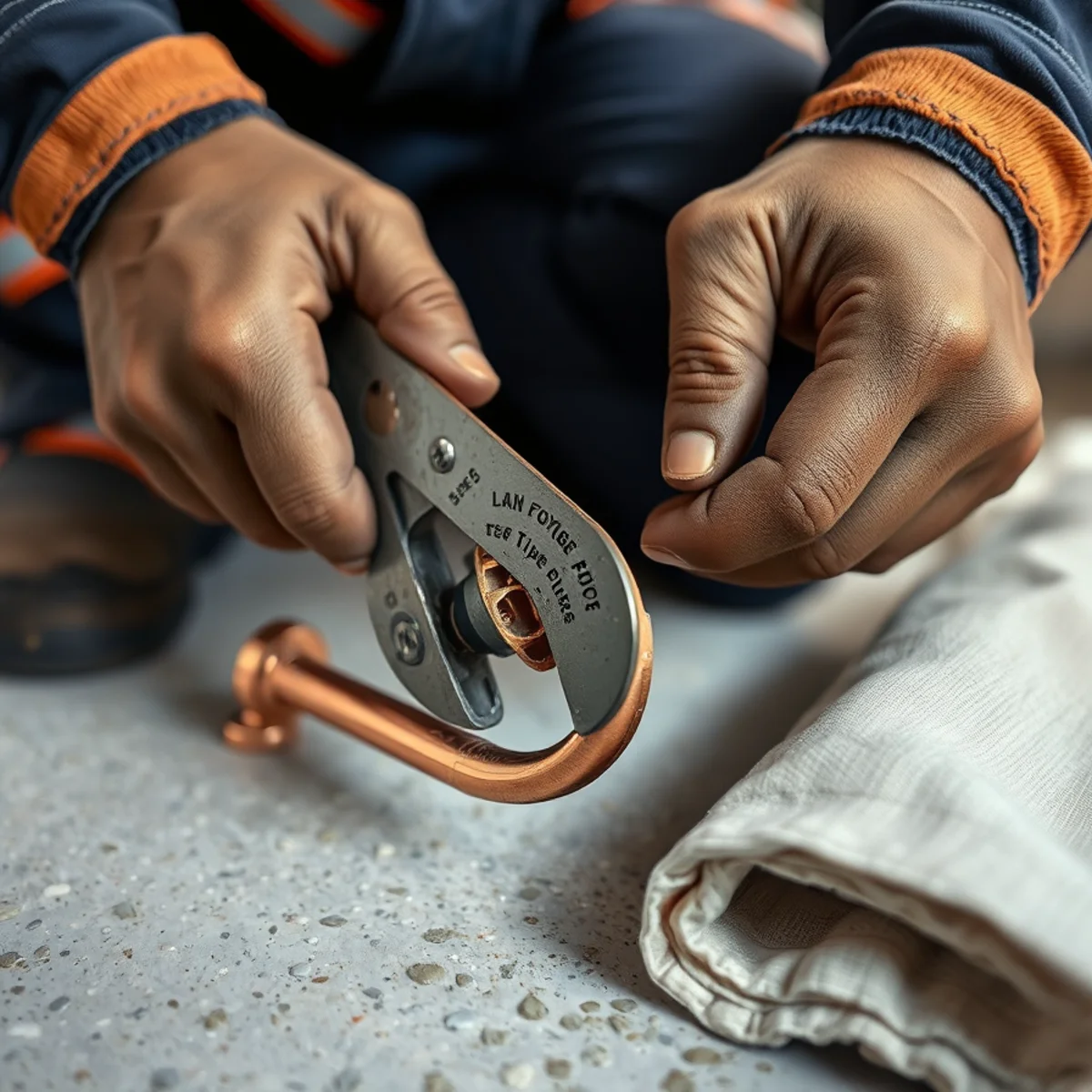
Cut out the failed section and replace it. Repair clamps have a place in a genuine emergency at midnight, and none at all as a permanent fix.
4. Assess the rest of the run
We look at the cut section, the fittings and the pipe either side. Then we tell you plainly whether you are looking at one repair or the start of a repiping conversation.
5. Test, then tidy
Pressure restored, system held under pressure, meter re-checked, opening patched back to a paint-ready surface, and the mess taken away with us.
What drives the price
We do not publish fake prices, because a number that does not match your house is worse than no number at all. What we can do is tell you exactly what moves the figure, so nothing on the estimate is a surprise.
Where the leak is
An exposed basement run is the friendly case. Inside a finished wall, above a tiled ceiling or under a slab is a very different job, and detection time comes before repair time.
How much has to come out
One fitting, or three feet of corroded run either side because the pipe crumbles when cut. We assess the material condition before quoting rather than discovering it halfway through.
Pipe material
Copper and PEX repair cleanly. Old galvanized often does not — threads seize and adjacent sections fail while you work on the first one.
Finish restoration
We patch openings to paint-ready. Plaster restoration, tile matching and painting on historic finishes are separate trades and we say so before you sign.
Repair versus repipe
If this is your third leak in two years, the arithmetic has probably shifted. We will show you both numbers rather than selling you a fourth patch.
What this looks like in Catonsville
Copper pinhole leaks are common enough across the Baltimore metropolitan area to be treated as a known regional pattern rather than bad luck. Homes repiped in copper between the 1960s and 1990s are the usual candidates, and the failures cluster: the water heater outlet run and the long horizontal basement runs go first.
Galvanized failures behave differently. Because the pipe corrodes from the inside, the wall thins invisibly for decades, then breaches. Homeowners in the pre-1950 stock off Frederick Road and Winters Lane usually notice falling pressure and discolored morning water long before they see a drip — those are the same story arriving earlier.
Winter adds the freeze pattern. Uninsulated crawl spaces under additions, garage-wall runs and hose bibs left connected through November account for most of our January leak calls, and the split is often somewhere other than the frozen section because pressure builds between the ice and a closed tap.
One thing worth knowing locally: most Catonsville houses have full basements, so a great many leaks are repairable from below without touching a finished ceiling. That is a meaningful cost advantage over slab-on-grade regions, and it is why we always check the basement route before proposing to open a wall.
Leaky Pipe Repair questions we get asked
Can you just put a clamp on it?
For a genuine midnight emergency, yes, as a temporary measure until we can do it properly. As a permanent repair, no — a clamp holds pressure against a pipe wall that has already failed, and it will let go eventually. We will always tell you which one we are doing.
Why did my pipe leak with no warning?
There usually was warning, just not visible. Copper thins by pitting from the inside; galvanized fills with rust and thins at the same time. The drip is the end of a process that has been running for years, which is why we check the rest of the run.
Will my insurance cover it?
Most policies cover sudden and accidental water damage while excluding the pipe repair itself, and most exclude long-term seepage. Photograph everything before repair and call your carrier early. We can provide written findings for a claim.
How do I know if I should repair or repipe?
One leak in an otherwise sound system is a repair. Two or more in different areas within a couple of years, or visibly corroded pipe throughout the basement, means the system is telling you something. We lay out both costs and let you decide.